Nasution Nanang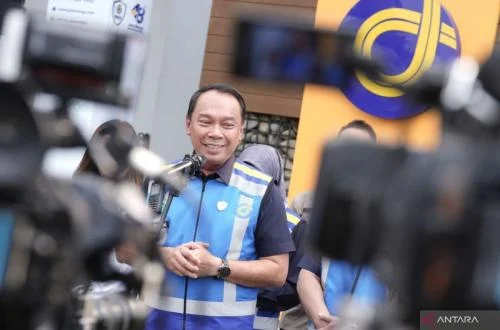
PT Jasa Marga (Persero) Tbk has issued a strong appeal to all returning travelers (pemudik) to strictly comply with traffic regulations during the ongoing implementation of one-way and contraflow traffic engineering. This crucial directive comes as the nation navigates the peak period of the Eid al-Fitr 1447 Hijriah return flow, characterized by a significant surge in traffic volume across major toll road networks. The primary objective of this intensified call for discipline is to safeguard the well-being and ensure the smooth passage of all road users during this inherently challenging period of mass mobility.
The Phenomenon of Eid al-Fitr Arus Balik
The annual Eid al-Fitr holiday in Indonesia triggers one of the largest seasonal human migrations globally, known as "mudik" (exodus to hometowns) and "arus balik" (return flow). Millions of Indonesians, predominantly from major urban centers like Jakarta and its surrounding areas, embark on journeys back to their ancestral villages and then return to their places of work and residence. This massive movement of people and vehicles puts immense pressure on the nation’s infrastructure, particularly its road networks. In recent years, projections from the Ministry of Transportation have indicated that upwards of 80 million to 100 million people participate in this annual migration, with a substantial percentage utilizing private vehicles. The peak of the return flow typically occurs several days after Eid al-Fitr, as families conclude their celebrations and prepare to resume their regular routines. This concentrated movement within a short timeframe necessitates extraordinary measures to manage traffic flow, prevent severe congestion, and, most critically, minimize accident risks. The government, through various agencies including Jasa Marga, the National Police (Korlantas Polri), and the Ministry of Transportation, works collaboratively to orchestrate these complex logistical operations.
Strategic Traffic Engineering Measures: One-Way and Contraflow
To mitigate the anticipated gridlock and optimize road capacity, especially on critical arteries connecting West Java to Central Java and beyond, a combination of one-way and contraflow traffic engineering schemes is routinely implemented. These strategies are not new but are refined annually based on past experiences and real-time traffic data.
- One-Way System: This involves converting specific sections of a highway, normally operating in two directions, into a single-direction flow. This dramatically increases the capacity for vehicles moving in the predominant direction, which during the "arus balik" is typically towards Jakarta. For instance, sections of the Trans-Java Toll Road, from Kalikangkung (Semarang) to Cikampek Utama, are often subject to one-way implementation.
- Contraflow: This involves dedicating one or more lanes from the opposing traffic direction to the dominant flow. This is usually implemented on segments where a full one-way system is not feasible or where bottlenecks are frequently observed. While effective in increasing capacity, contraflow lanes present unique safety challenges due to the proximity of opposing traffic, even if separated by temporary barriers or cones.
Direktur Utama Jasa Marga, Rivan A. Purwantono, elaborated on the comprehensive preparations undertaken by the state-owned toll road operator. He emphasized that Jasa Marga has deployed an array of facilities and warning signs specifically designed to bolster safety during these re-engineered traffic conditions. "Our commitment to the safety of road users is paramount," Purwantono stated, underscoring the proactive measures taken. "We have strategically positioned traffic management officers at critical junctures and deployed Patroli Jalan Raya (PJR) vehicles, operating as safety cars, to maintain consistent speeds within contraflow lanes. This is vital to ensure adherence to the stipulated 40 km/h speed limit for these specific lanes, a critical factor in preventing accidents."
Jasa Marga’s Operational Prowess and Safety Protocols
The implementation of these complex traffic schemes requires extensive operational support from Jasa Marga. The company’s role extends beyond merely constructing and maintaining toll roads; it encompasses active traffic management, incident response, and traveler information dissemination.
- Personnel Deployment: Hundreds of Jasa Marga personnel, including traffic officers, maintenance crews, and emergency response teams, are deployed along the affected toll road segments. Their duties range from setting up and adjusting traffic cones and barriers for contraflow, monitoring traffic flow via CCTV, providing on-site assistance, and responding to incidents.
- Safety Infrastructure: Jasa Marga has significantly invested in temporary safety infrastructure. This includes the installation of reflector two sides on median barriers, enhancing visibility for drivers, particularly during night travel or adverse weather conditions. Furthermore, a comprehensive package of informational and warning signs (rambu-rambu) is placed every 2.5 kilometers along the routes. These signs serve multiple purposes:
- Two-Way Traffic Warning: Alerting drivers to the presence of opposing traffic in adjacent lanes, even if separated by temporary measures.
- Maximum Speed Limit (40 km/h): Reinforcing the crucial speed restriction for contraflow lanes, a measure designed to mitigate the risks associated with reduced separation from oncoming vehicles.
- No Overtaking Prohibition: Strictly forbidding overtaking maneuvers in contraflow lanes, where space is limited and unexpected lane changes can have catastrophic consequences.
- Warning Lights: Utilizing flashing warning lights to draw immediate attention to critical sections or changes in traffic conditions.
- Vehicle Type Restriction: Clearly stating that contraflow lanes are exclusively for small vehicles, prohibiting larger vehicles like buses or trucks from entering, primarily due to their larger turning radius and reduced maneuverability in tight spaces.
Purwantono reiterated the critical importance of user discipline. "While we provide the infrastructure and guidance, the ultimate responsibility for safety lies with each individual road user," he emphasized. "Adherence to these rules is not merely a suggestion; it is a collective commitment to ensuring everyone reaches their destination safely."
The Role of the National Police and Inter-Agency Coordination
The decision to implement one-way and contraflow systems is made under the discretion of the Kepolisian RI (Indonesian National Police), specifically the Korps Lalu Lintas (Korlantas Polri) or Traffic Corps. This discretion is exercised to optimize toll road capacity and ensure the fluidity and security of travel during periods of exceptionally high traffic. This underscores the collaborative nature of traffic management during major holidays, involving not just Jasa Marga but also the National Police, the Ministry of Transportation, and local government bodies.
The framework for these traffic regulations is established through a Surat Keputusan Bersama (SKB) or Joint Decree, issued by relevant ministries and law enforcement agencies. This SKB outlines the general principles, timelines, and operational procedures for traffic management during national holidays like Eid al-Fitr. However, the exact timing and specific locations for the implementation of one-way or contraflow can be dynamic, adjusted in real-time based on traffic volume, density, and prevailing conditions on the ground. This flexibility, while crucial for effective management, also places a responsibility on travelers to stay updated with the latest information.
User Responsibilities and Safety Guidelines
Beyond merely adhering to signs and speed limits, Jasa Marga and the National Police consistently stress a broader set of responsibilities for drivers:
- Vehicle Roadworthiness: Before embarking on long journeys, travelers are strongly advised to ensure their vehicles are in optimal condition. This includes checking tire pressure, brakes, lights, fluid levels (oil, coolant), and wipers. A breakdown on a busy toll road, particularly in a contraflow lane, can create significant hazards and exacerbate congestion.
- Driver Fitness: Fatigue is a major contributor to accidents during long-distance travel. Drivers are urged to ensure they are well-rested and in prime physical condition before getting behind the wheel. Taking regular breaks every few hours, utilizing rest areas (tempat istirahat dan pelayanan or TIP), and sharing driving duties are recommended practices. Micro-sleep, a brief involuntary episode of sleep, is particularly dangerous on monotonous highway stretches.
- Avoid Emergency Stops: "We implore road users to avoid stopping on the shoulder of the road unless in an absolute emergency," Purwantono added. Stopping on the shoulder, especially in high-speed environments or contraflow sections, significantly increases the risk of rear-end collisions. Emergency situations should be immediately reported to authorities.
- Smooth Lane Changes: Drivers are strictly prohibited from making sudden lane changes, particularly when entering or exiting contraflow sections. Such abrupt maneuvers can easily trigger multi-vehicle pile-ups in dense traffic.
- Maintaining Safe Distances: Keeping a safe following distance from the vehicle ahead provides crucial reaction time to unexpected braking or obstacles.
Technological Support and Information Dissemination
Recognizing the need for timely and accurate information, Jasa Marga has leveraged technology to support travelers. For immediate assistance on Jasa Marga toll roads, users can contact the dedicated call center at 133. This 24/7 service provides real-time information and coordinates emergency responses. Furthermore, the Travoy application serves as a comprehensive information hub, offering live traffic updates, estimated travel times, CCTV feeds, and locations of rest areas and toll gates. Rivan emphasized, "We appeal for the cooperation of all road users in complying with regulations and maintaining appropriate speeds for the collective safety of everyone on the road." He also reminded travelers to continuously check the dynamic schedules and routes for traffic engineering measures announced by the police.
Challenges and Broader Implications
The management of Eid al-Fitr traffic remains a perennial challenge, despite years of experience and refinement. The sheer scale of the movement means that even minor incidents can have ripple effects, leading to extensive delays. While one-way and contraflow systems significantly enhance capacity, they also introduce inherent risks if not managed meticulously and if driver discipline falters. Accident statistics during holiday periods often show a spike, underscoring the critical need for constant vigilance.
Beyond immediate safety concerns, the efficiency of the "arus balik" has broader economic and social implications. Smooth traffic flow means less wasted fuel, reduced economic productivity loss due to delays, and a less stressful experience for families returning home. Conversely, severe congestion can lead to frustration, potential health issues for those stuck for extended periods, and negative impacts on logistics and supply chains. The successful coordination between Jasa Marga, the National Police, and other agencies serves as a benchmark for large-scale public service operations in Indonesia.
Looking Ahead: Continuous Improvement
Each Eid al-Fitr period provides invaluable lessons for future traffic management strategies. Data collected from this year’s "arus balik" will be analyzed to identify areas for improvement, refine operational procedures, and potentially inform future infrastructure development. As Indonesia’s population grows and car ownership increases, the demand on its road networks will only intensify. This necessitates a continuous cycle of innovation in traffic engineering, technological integration, and public awareness campaigns to ensure that the joy of holiday celebrations is not overshadowed by the perils of the journey. Jasa Marga, in close collaboration with government partners, remains committed to evolving its strategies to meet these escalating demands, always prioritizing the safety and comfort of every road user.