Eko Sulistyo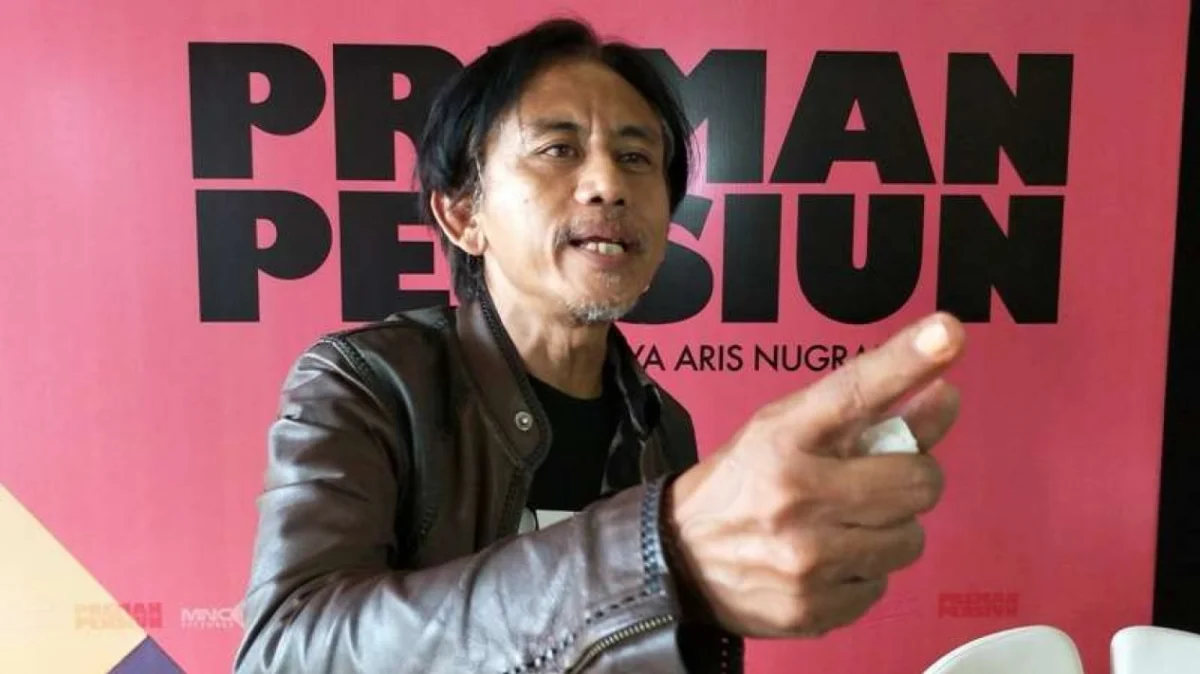
The exploitation of a public figure’s image for commercial purposes without prior consent has once again surfaced as a significant ethical and legal issue within Indonesia’s burgeoning e-commerce landscape. This recent controversy centers on the late Epy Kusnandar, a veteran actor beloved for his portrayal of the character "Kang Mus" in the long-running television series Preman Pensiun. His widow, Karina Ranau, recently took to social media to express her profound disappointment and outrage after discovering that several online retailers have been using photographs of the late actor to sell products, specifically leather jackets, without the family’s permission or any formal licensing agreement.
Epy Kusnandar, who passed away in December 2025 at the age of 61, remains a monumental figure in Indonesian pop culture. His death marked the end of an era for fans of the "Preman Pensiun" universe, where he played the lead role of a reformed street thug turned businessman. However, his physical departure from the world has not stopped opportunistic vendors from capitalizing on his recognizable face and the iconic style associated with his most famous character. The current dispute highlights the complex intersection of intellectual property rights, the digital marketplace’s lack of oversight, and the moral obligations of businesses toward the deceased and their surviving families.
The Discovery of Unauthorized Commercialization
The issue came to light when Karina Ranau, who served as Epy’s manager for fifteen years in addition to being his wife, shared screenshots of various e-commerce listings on her Instagram account. The images showed Epy Kusnandar wearing a signature brown leather jacket—a garment that became synonymous with the "Kang Mus" persona. These photos were being used as primary promotional material for online shops selling similar jackets. Some listings even explicitly used the name "Kang Mus" in their product titles to attract fans of the show.
According to Karina, this is not a new phenomenon, but the persistence of these practices after Epy’s death has added a layer of emotional distress to the situation. In her social media post, she questioned the "conscience" of the sellers, noting that Epy himself had been aware of these unauthorized advertisements while he was still alive and had expressed significant anger regarding them. The practice appears to be widespread, with Karina identifying multiple sellers across various platforms offering the product at different price points, all utilizing the same set of copyrighted or personal photographs.
The photographs in question were reportedly lifted directly from the family’s personal social media accounts or official promotional shoots for the television series. Karina emphasized that no permission had been sought from the photographers who held the original rights to the images, nor had any business agreement been established with Epy’s estate.
The Legacy of Epy Kusnandar and the "Kang Mus" Persona
To understand the gravity of the unauthorized use of Epy’s image, one must look at the cultural impact of his career. Epy Kusnandar was a classically trained actor whose career spanned decades, but it was his role in Preman Pensiun that cemented his status as a household name. The character of Kang Mus was not just a role; it was a brand. The character’s aesthetic—the leather jacket, the stern yet wise demeanor, and the specific dialect—became iconic.
The series itself, produced by ANP Production and aired on MNC Pictures, was a ratings juggernaut. It depicted the lives of former street thugs in Bandung trying to navigate a legitimate life. Epy’s performance was lauded for its authenticity and depth, making him one of the most respected actors in the industry. Because of this high level of public trust and recognition, his image carries significant "commercial weight." When a vendor uses his face to sell a product, they are essentially hijacking the goodwill and reputation Epy spent forty years building to drive their own sales.
Legal Framework: Portrait Rights and Intellectual Property in Indonesia
The situation raised by Karina Ranau falls under the jurisdiction of Indonesian Law No. 28 of 2014 concerning Copyright (UU Hak Cipta). Specifically, Article 12 of the law addresses "Portrait Rights." It stipulates that any person who creates a portrait or photograph of an individual cannot use, reproduce, or distribute that portrait for commercial purposes without the express consent of the person depicted or their heirs.
Since Epy Kusnandar is deceased, the right to grant or withhold permission for the use of his image has passed to his legal heirs, including Karina Ranau. Under Indonesian law, these rights remain protected for up to 50 years after the death of the subject. Therefore, the online shops using Epy’s image are in clear violation of the Copyright Law, potentially facing both civil lawsuits and criminal charges.
Furthermore, Karina pointed out a second layer of legal protection: the ownership of the "Kang Mus" brand. While Epy portrayed the character, the intellectual property associated with the name, costume, and character traits belongs to the production houses, ANP Production and MNC Pictures. By using the "Kang Mus" label to sell merchandise, the vendors are not only infringing on Epy’s personal portrait rights but also on the trademark and character rights held by the production companies. This dual infringement complicates the legal landscape for the sellers, as they could be targeted by both the family and major media conglomerates.
The Burden of Enforcement and the Decision Against Litigation
Despite the clear legal grounds for a lawsuit, Karina Ranau revealed that the family has hesitated to take formal legal action. The primary reason cited was the sheer exhaustion and resource-draining nature of the Indonesian legal system. For an individual or a grieving family, pursuing dozens of small-scale online vendors in court is a daunting task that requires significant time, money, and emotional energy.
"We had considered taking legal steps," Karina mentioned in her post. However, she noted that as a manager and a widow, her priority is preserving Epy’s legacy with dignity rather than being embroiled in endless litigation. This highlight a common problem in the digital age: while the law protects creators and public figures, the cost of enforcing those laws against a decentralized network of small-time infringers is often prohibitively high.
Instead of a lawsuit, Karina has opted for public advocacy. She has called upon her followers and the general public to help report these unauthorized listings to the respective e-commerce platforms. By leveraging "social policing," she hopes to pressure the platforms to take down the infringing content and discourage other sellers from following suit.
The Ethical Dimension: Profiting from the Deceased
Beyond the legal technicalities, the controversy touches on a profound ethical question: Is it ever acceptable to use the image of a deceased person for profit without the family’s blessing? For Karina Ranau, the answer is a categorical no. Her plea—"Where is your conscience?"—resonates with many who feel that the commercialization of the dead is a form of exploitation that ignores the sanctity of grief.
In the world of digital marketing, "trust signals" are vital. A photo of a famous actor wearing a product acts as a powerful endorsement, even if that endorsement is fabricated. The vendors are essentially lying to consumers, implying that Epy Kusnandar wore their specific brand of jacket or that he supported their business. This deceptive practice not only harms the family but also misleads the public, further eroding trust in online marketplaces.
Broader Implications for the Creative Industry
The case of Epy Kusnandar is not an isolated incident. In Indonesia and globally, the "post-mortem" commercial use of celebrity likenesses is a growing concern. As technology makes it easier to crop, edit, and even use AI to generate images of deceased stars, the need for stricter regulation becomes urgent.
For the Indonesian creative industry, this event serves as a wake-up call for several stakeholders:
- E-commerce Platforms: There is an increasing demand for platforms like Shopee, Tokopedia, and Lazada to implement more robust AI-driven filtering systems that can identify and flag the unauthorized use of public figures’ likenesses in product photos.
- Production Houses: Companies like MNC Pictures and ANP Production may need to be more proactive in protecting their intellectual property from "copycat" merchandise that dilutes their brand value.
- The Government: Regulatory bodies may need to simplify the process for heirs to report and shut down commercial infringements without needing to go through a full-scale trial.
Conclusion: Protecting a Legacy in a Digital World
The struggle faced by Karina Ranau is a testament to the challenges of protecting a loved one’s dignity in an era where images can be stolen and repurposed with a single click. Epy Kusnandar gave his life to the arts, providing joy and reflection to millions of Indonesians. To see his image reduced to a tool for selling leather jackets on a discount website is a disservice to his contributions to Indonesian culture.
As the family continues to navigate their grief, their call for ethical business practices serves as a reminder that behind every "iconic image" is a human being with a family and a legacy that deserves respect. While the legal path remains an option, the current focus remains on appealing to the morality of the public and the responsibility of the platforms that host these sellers. The legacy of "Kang Mus" should be defined by the stories Epy told on screen, not by unauthorized advertisements on a digital storefront.