Azin Asro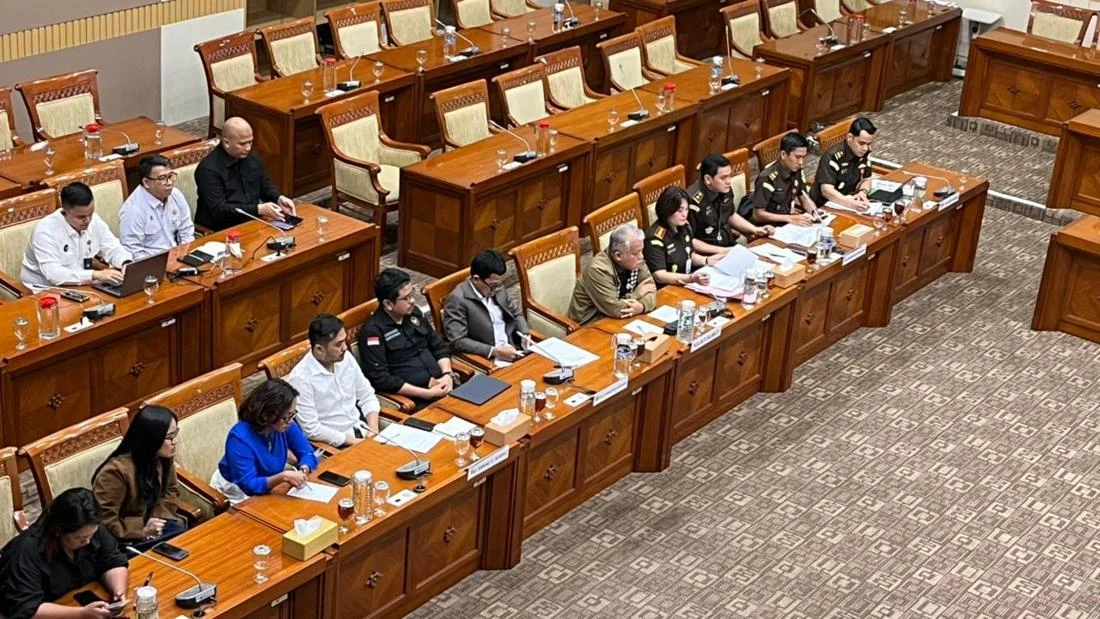
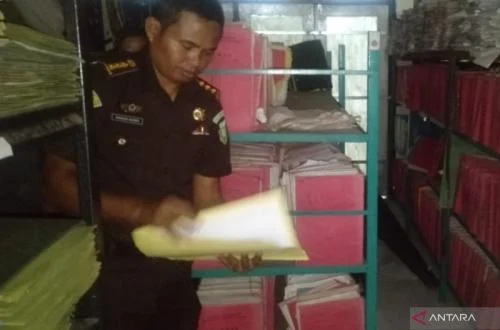
The Karo District Attorney’s Office (Kejaksaan Negeri Karo) has recently become the epicenter of a heated national debate following allegations of professional misconduct and potential conflicts of interest. The controversy stems from two primary issues: the purported "criminalization" of a local videographer, Amsal Sitepu, and the revelation that the prosecutor’s office accepted multiple high-value vehicles from the Karo Regency Government. These developments have prompted sharp criticism from the House of Representatives (DPR RI), legal activists, and the general public, raising fundamental questions about the independence of the judiciary at the regional level and the ethical boundaries of inter-agency cooperation.
The situation escalated significantly during a recent hearing at the Indonesian Parliament, where lawmakers questioned the integrity of the Karo District Attorney (Kajari), Danke Rajagukguk. The central concern is whether the receipt of luxury and operational vehicles from the Karo Regent has influenced the office’s prosecutorial priorities, particularly in cases involving state officials versus private citizens or creative professionals. As the public demands transparency, the Karo Regency Government has issued a formal clarification, defending the legality of the vehicle transfers while attempting to quell suspicions of illicit gratification.
The Parliamentary Inquiry: Allegations of Gratification and Bias
The controversy reached a boiling point during a Hearing (Rapat Dengar Pendapat) held by Commission III of the DPR RI in Senayan, Jakarta, on April 2, 2024. Hinca Panjaitan, a prominent member of Commission III known for his oversight of legal affairs, directly confronted the leadership of the Karo District Attorney’s Office. Panjaitan expressed deep concern over reports suggesting that the prosecutor’s office had been "co-opted" by the local executive branch through the provision of a fleet of vehicles.
During the session, Panjaitan listed specific vehicles allegedly in the possession of the Karo District Attorney’s Office, citing their license plate numbers to underscore the detail of his information. The list included a Toyota Kijang Innova (BK 1094 S) used by the District Attorney himself, a Nissan Grand Livina (BK 1089 S), a Toyota Fortuner (BK 1180 S), and several other units. Panjaitan’s line of questioning was pointed: he suggested that these "grants" might be the reason why the prosecutor’s office appeared to be targeting creative workers and private individuals while failing to investigate potential corruption among state administrators within the Karo Regency Government.
"I have received sufficient information, and I am worried that this is exactly what is happening," Panjaitan stated during the hearing. "Is it true that the Karo Regent provided vehicle assistance to the Karo District Attorney’s Office? Is this the reason why you only pursue creative individuals, searching for their mistakes, while the state administrators are left untouched?" This statement highlights a growing perception that the judicial process is being used selectively, a phenomenon often referred to as "criminalization" when applied to individuals who lack the political capital to defend themselves against the state’s legal machinery.
The Case of Amsal Sitepu: Creative Work Under Fire
The catalyst for this scrutiny is the legal case involving Amsal Sitepu, a videographer whose prosecution by the Karo District Attorney’s Office has been labeled by critics as an act of professional overreach. Sitepu was accused of "marking up" prices in a project related to video production services. However, legal observers and supporters of Sitepu argue that the prosecution lacks professional rigor and fails to account for the standard operational costs and creative value inherent in the industry.
The "criminalization" narrative suggests that the Karo District Attorney’s Office chose to prosecute Sitepu as a "low-hanging fruit" to satisfy performance quotas or to deflect attention from larger, more complex corruption cases within the regional government. Critics argue that in many procurement cases, the creative professional is often the last link in the chain, yet they bear the brunt of legal action while the officials who authorized the budgets and signed the contracts remain unscrutinized. This perceived imbalance is what led Hinca Panjaitan and other members of Commission III to link the prosecution of Sitepu with the vehicle grants received from the Regent.
Official Clarification: The "Pinjam Pakai" Defense
In response to the mounting pressure and the viral nature of the allegations, the Karo Regency Government (Pemkab Karo) issued a formal clarification via its official communication channels. On April 6, 2024, the Regional Secretary (Sekda) of Karo, Gelora Ginting, appeared in a video posted to the @kominfo.karo Instagram account to explain the legal status of the vehicles in question.
According to Ginting, the vehicles provided to the Karo District Attorney’s Office are not gifts or "gratification" in the legal sense, but rather assets under a "Pinjam Pakai" (loan-for-use) agreement. This mechanism is a standard administrative procedure in Indonesia, allowing one government entity to use the assets of another for operational purposes without transferring ownership. Ginting emphasized that this practice is strictly governed by national and regional regulations.
Specifically, Ginting cited the Minister of Home Affairs Regulation (Permendagri) Number 19 of 2016, Article 153, which provides the Guidelines for the Management of Regional Property. This national framework is further implemented at the local level through Karo Regent Regulation Number 3 of 2021. Ginting detailed the timeline of the agreement, noting that the Kejaksaan Negeri Karo submitted a formal request (Number B/63/L:19/CPL.3/02/2024) on February 1, 2024, seeking an extension for the loan of four-wheeled operational vehicles. This request resulted in a formal agreement (Number 900/1008/BKAD/2024) for four units of vehicles.
"We are providing this clarification so that there are no differing interpretations among the public, online media, or social media," Ginting explained. The government’s stance is that these vehicles are necessary for the District Attorney’s Office to carry out its duties effectively, especially in a geographically challenging region like Karo, and that the administrative process was followed to the letter.
Analyzing the Conflict of Interest: Ethics vs. Legality
While the Karo Regency Government has established a legal basis for the vehicle loans, the ethical concerns raised by the DPR remain a significant point of contention. In the context of Indonesian law enforcement, the "Pinjam Pakai" mechanism is often criticized for creating a "debt of gratitude" between the prosecutor and the local executive.
The District Attorney’s Office is tasked with overseeing the legality of the Regency Government’s actions. When the prosecutor’s daily operational needs—such as the cars they drive to work or use for investigations—are provided by the very entity they are supposed to monitor, the perception of independence is compromised. Legal experts argue that even if the paperwork is correct, the "optics" of the arrangement suggest a conflict of interest.
In the case of Karo, the timing is particularly sensitive. The prosecution of a creative worker for budget mark-ups occurring simultaneously with the renewal of luxury vehicle loans from the Regent creates a narrative of "selective enforcement." If the District Attorney’s Office is seen as being "too close" to the Regent, the public loses confidence in the office’s ability to prosecute high-level regional corruption.
Supporting Data and Regional Context
To understand the scale of the issue, one must look at the standard of regional asset management in North Sumatra. Karo Regency, known for its agricultural output and tourism, operates on a limited regional budget (APBD). The allocation of high-end vehicles like the Toyota Fortuner and Kijang Innova for "loan-for-use" purposes to external agencies is often viewed by local taxpayers as an extravagance, especially when public infrastructure or services may be underfunded.
Furthermore, the Indonesian Attorney General’s Office (Kejaksaan Agung) has frequently issued circulars advising regional offices to maintain distance from local executive influence. The "Circular Letter of the Attorney General Number 3 of 2021" specifically warns prosecutors against engaging in activities that could be perceived as seeking or receiving favors from local governments that could interfere with their independence. The situation in Karo appears to challenge these internal guidelines, prompting calls for the Deputy Attorney General for Supervision (Jamwas) to conduct an internal audit of the Karo office.
Chronology of the Controversy
- Early 2024: The Karo District Attorney’s Office intensifies its investigation into Amsal Sitepu, leading to allegations of criminalization within the creative community.
- February 1, 2024: The Karo District Attorney’s Office submits a formal letter to the Karo Regency Government requesting an extension for the loan of operational vehicles.
- April 2, 2024: During a Commission III DPR RI hearing, Hinca Panjaitan exposes the specific list of vehicles and questions the Kajari Karo regarding potential gratification and selective prosecution.
- April 2024 (Mid): The formal "Pinjam Pakai" agreement for the year 2024 is finalized between the Pemkab Karo and Kejari Karo.
- April 6, 2024: Sekda Karo Gelora Ginting issues a public video statement clarifying the legal nature of the vehicle loans to dispel rumors of illicit gifts.
Broader Implications for Law Enforcement and the Creative Industry
The Karo incident serves as a cautionary tale for the intersection of law, politics, and the creative economy in Indonesia. For creative professionals like Amsal Sitepu, the case highlights the legal vulnerabilities faced by freelancers and small agencies when dealing with government contracts. Without clear protections or a nuanced understanding of creative industry costs by prosecutors, many fear that "mark-up" accusations will become a tool for political maneuvering.
For the Kejaksaan as an institution, the controversy underscores the urgent need for financial and operational autonomy. As long as regional offices depend on local governments for basic infrastructure—be it vehicles, office renovations, or housing—the suspicion of "ordered" cases or "protected" officials will persist.
The DPR’s intervention signifies that this is no longer just a local issue in North Sumatra but a matter of national judicial integrity. Moving forward, the Attorney General’s Office is expected to face pressure to clarify its policies on "Pinjam Pakai" arrangements and to ensure that the prosecution of individuals like Amsal Sitepu is based on objective evidence rather than regional political dynamics.
As the situation develops, the focus remains on whether the Karo District Attorney’s Office can prove its independence through action. Re-evaluating the Sitepu case with a transparent, professional lens and addressing the DPR’s concerns regarding the vehicle fleet will be essential steps in restoring public trust. For now, the "Mejuah-juah" (a traditional Karo greeting) offered by Gelora Ginting at the end of his clarification serves as a reminder of the local identity at stake, even as the eyes of the nation watch how justice is administered in the highlands of Karo.