Lusiana Hamidun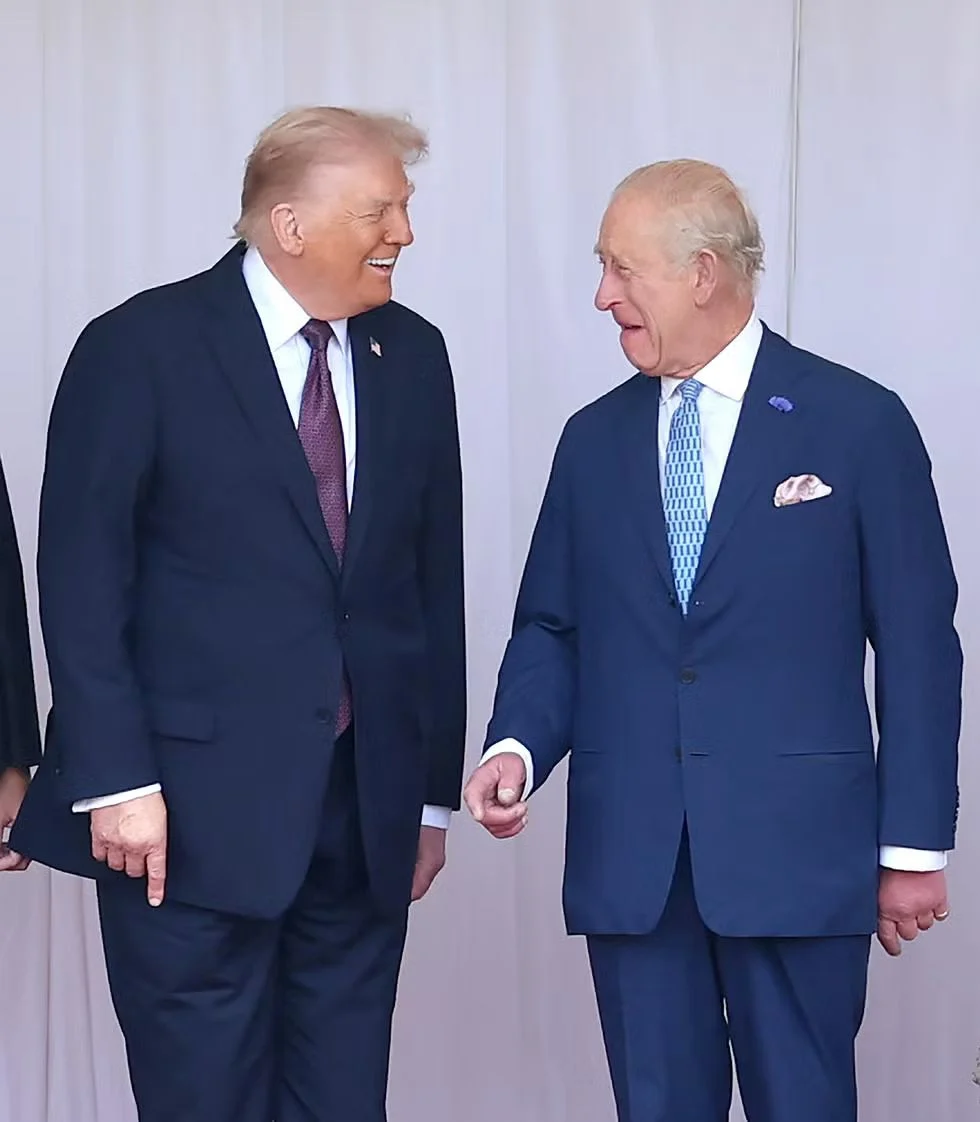
In a significant diplomatic development, His Majesty King Charles III and Her Majesty Queen Camilla are poised to make an official State Visit to the United States of America. The invitation, extended by President Donald Trump, marks a pivotal moment in transatlantic relations, signifying the first official state visit to the U.S. by King Charles in his capacity as monarch. This landmark journey, scheduled for April, will underscore the enduring historical ties and contemporary bilateral connections between the United Kingdom and the United States.
The upcoming visit carries particular weight as it represents King Charles’s inaugural state visit to the U.S. as sovereign. While he possesses extensive experience engaging with American leadership, having visited the United States on more than a dozen occasions during his tenure as the Prince of Wales and meeting numerous presidents, this formal state occasion is unprecedented. Such visits are typically characterized by elaborate ceremonies, official banquets, and high-level discussions aimed at strengthening diplomatic and economic partnerships. The U.S. has a rigorous process for extending state visit invitations, which are reserved for leaders of allied nations and are extended only after careful consideration and consultation. The acceptance of such an invitation by the British monarchy signifies a high level of mutual respect and shared strategic interests.
Beyond the American continent, the royal itinerary will also include a visit to Bermuda, a British Overseas Territory in the Caribbean. This will be King Charles’s first visit to an overseas territory as monarch, further emphasizing his commitment to the broader Commonwealth and its constituent parts. While the precise dates and detailed itinerary for both the U.S. and Bermuda segments of the tour are yet to be officially announced by Buckingham Palace, the confirmation of these destinations has generated considerable anticipation. State visits are meticulously planned, often months in advance, involving extensive logistical arrangements and security protocols. The timing of the U.S. visit is particularly noteworthy, as it coincides with a significant milestone in American history: the 250th anniversary of the United States’ Declaration of Independence from British rule in 1776. This juxtaposition of historical commemoration and a royal visit underscores a narrative of reconciliation, enduring alliance, and a shared future.
The official statement from Buckingham Palace indicated that the visit, hosted by President Trump and his administration, is intended to celebrate the "historic relationship and modern bilateral ties" between the two nations. This phrasing suggests a focus on contemporary issues, likely encompassing areas such as trade, security, climate change, and cultural exchange. State visits are designed to elevate bilateral relationships, fostering goodwill and providing a platform for leaders to address pressing global challenges collaboratively. The strategic importance of the U.S.-UK alliance cannot be overstated; the two nations are key partners in international security, intelligence sharing, and global economic policy.
A Reciprocal Diplomatic Dance: The Trump State Visit to the UK
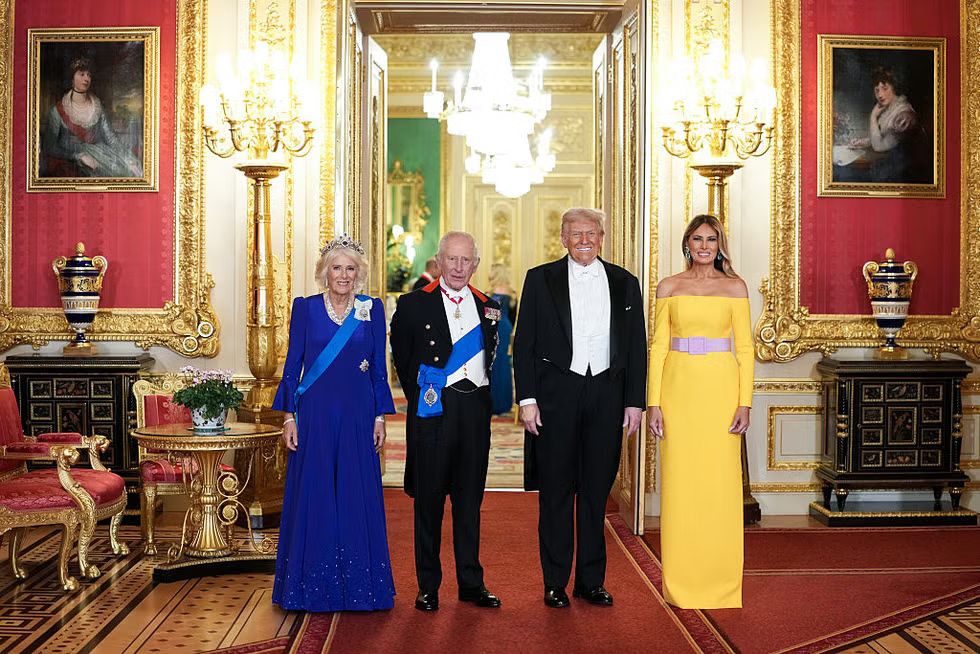
The announcement of King Charles’s U.S. visit follows a reciprocal gesture made by President Donald Trump and First Lady Melania Trump, who undertook their own state visit to London in September of the previous year. At that time, Buckingham Palace issued a statement noting, "His Majesty has known President Trump for many years and looks forward to welcoming him and the First Lady to the United Kingdom later this year." This statement was issued amidst reports suggesting initial hesitations from King Charles regarding the invitation, a common element of complex diplomatic engagements.
During their September visit to the UK, the Trumps were honored guests at a lavish banquet held at Windsor Castle, hosted by the Royal Family. The event was attended by senior members of the Royal Family, including The Prince and Princess of Wales, William and Catherine. The Princess of Wales, in particular, garnered significant attention for her elegant appearance, donning a striking gold gown paired with the renowned diamond Lover’s Knot Tiara, a piece rich in royal history. Such state banquets are not merely social occasions but serve as powerful symbols of diplomatic solidarity, offering opportunities for informal discussions and relationship building in a formal setting.
The 2023 visit by President Trump marked his second state visit to the United Kingdom. His first official state visit occurred in 2019, during the reign of the late Queen Elizabeth II, underscoring the consistent tradition of high-level engagement between the two nations. These visits are carefully orchestrated, with each detail, from the ceremonial arrival to the farewell, designed to reflect the deep respect and historical significance of the alliance. The reciprocal nature of these state visits – the Trumps to the UK, and now the King and Queen to the U.S. – highlights a sustained commitment to maintaining and strengthening the special relationship between the two countries.
Historical Context and Diplomatic Significance
The U.S.-UK relationship, often termed the "Special Relationship," has been a cornerstone of international diplomacy for over a century. It is characterized by shared democratic values, common legal and linguistic heritage, and extensive cooperation across military, intelligence, and economic spheres. State visits are the pinnacle of diplomatic engagement, reserved for the closest allies and designed to reinforce these bonds at the highest level.
King Charles III, as the new head of state following the passing of Queen Elizabeth II in September 2022, is now tasked with navigating and evolving this relationship in a new era. His extensive experience as Prince of Wales, including numerous engagements in the United States, has provided him with a deep understanding of American culture and politics. However, assuming the role of monarch brings a new dimension to these interactions, imbuing them with the weight of constitutional duty and national representation.
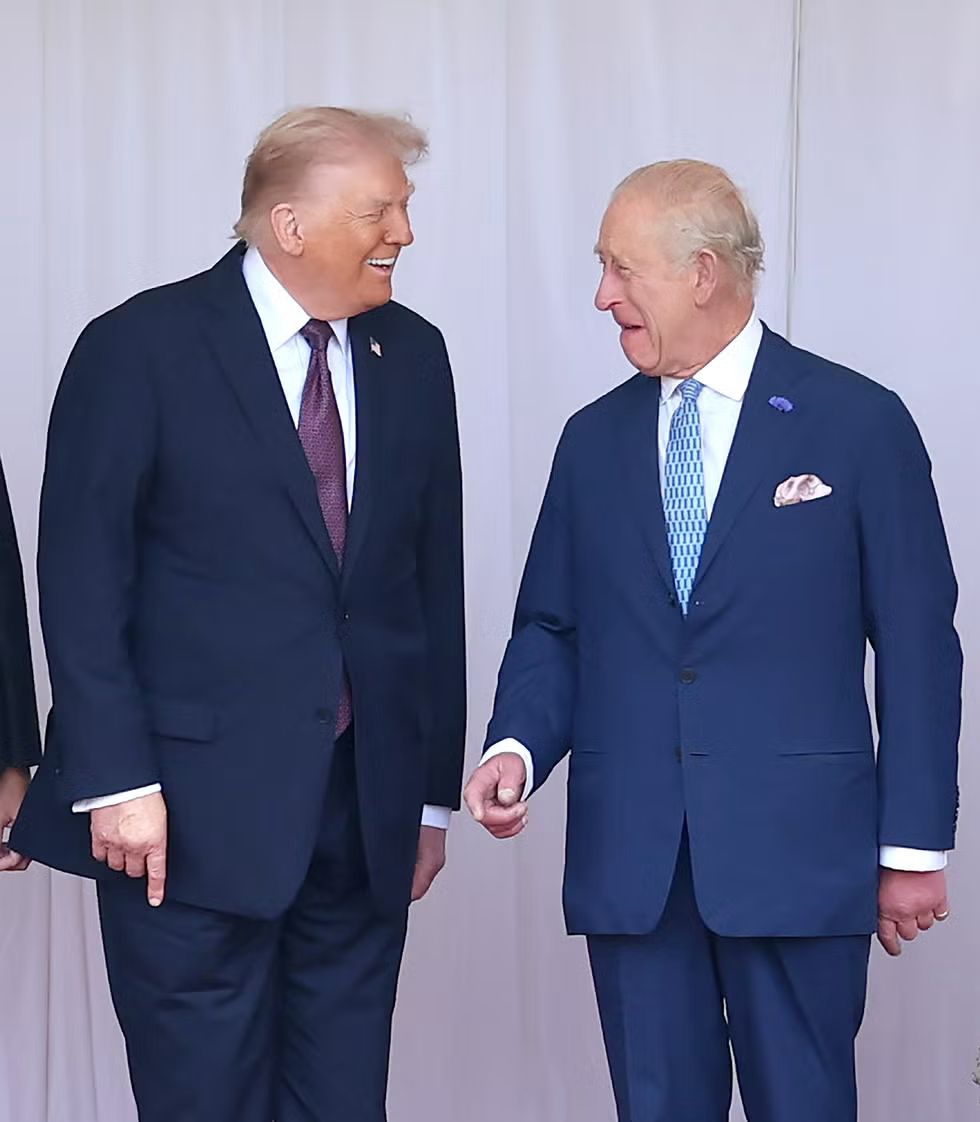
The timing of the visit, near the 250th anniversary of American independence, is particularly resonant. While the initial relationship was one of separation, the subsequent centuries have seen the former colonies and the mother country forge an alliance that has profoundly shaped global events. A state visit during this commemorative period can be seen as a testament to the enduring strength and evolution of this relationship, moving from historical adversaries to indispensable allies.
Broader Implications and Future Outlook
The implications of this state visit extend beyond symbolic gestures. It provides a crucial platform for substantive discussions on a range of critical global issues. With the world facing complex challenges such as geopolitical instability, economic headwinds, and the urgent need for climate action, the alignment of U.S. and UK policy is more important than ever. The visit offers an opportunity for President Trump and King Charles to reaffirm their commitment to shared democratic principles and to explore avenues for enhanced cooperation in areas like defense alliances (such as NATO), technological innovation, and international development.
Furthermore, the visit will likely have economic ramifications. State visits often serve to boost trade and investment between the participating nations. Discussions may focus on potential trade agreements, joint ventures, and the promotion of tourism, further deepening the economic ties that bind the two countries. For the UK, a strong relationship with the United States is paramount for its post-Brexit economic strategy, and for the U.S., the UK remains a vital economic partner in Europe.
From a cultural perspective, the visit will undoubtedly generate significant public interest on both sides of the Atlantic. Royal tours have a unique ability to capture global attention, fostering goodwill and strengthening the cultural exchange between nations. The presence of King Charles and Queen Camilla will offer Americans a direct connection to the British monarchy, reinforcing the cultural ties that have long been a hallmark of the transatlantic relationship.
The inclusion of Bermuda in the itinerary also highlights the UK’s ongoing commitment to its Overseas Territories. These territories, while geographically diverse, are integral parts of the United Kingdom, and royal visits serve to reaffirm this connection and to engage directly with the communities residing there. It underscores the monarch’s role as head of state for these territories and acknowledges their unique contributions to the broader British realm.
Navigating the Diplomatic Landscape
The invitation and acceptance of a state visit are complex diplomatic maneuvers, reflecting the nuances of international relations. President Trump’s decision to extend the invitation and King Charles’s acceptance signal a deliberate effort to maintain a high level of engagement between the two leaders and their respective governments. While the specifics of policy discussions remain to be seen, the mere fact of the visit underscores the enduring importance of the U.S.-UK alliance.
The success of any state visit is measured not only by the ceremonial fanfare but by the tangible outcomes achieved in terms of strengthened diplomatic ties, enhanced security cooperation, and expanded economic opportunities. As King Charles III embarks on this historic journey, the world will be watching to see how this significant diplomatic engagement will shape the future of the enduring relationship between the United Kingdom and the United States. The visit is poised to be a defining moment in the early years of his reign, solidifying his role as a key figure on the global diplomatic stage and reinforcing the foundational principles of a vital transatlantic partnership.