Nasution Nanang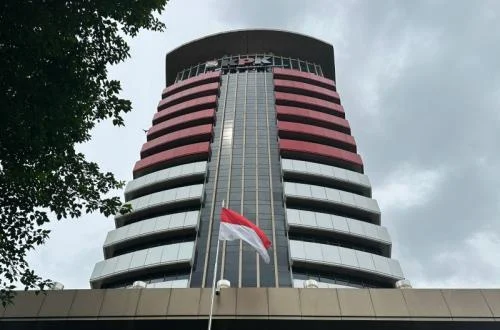
The Corruption Eradication Commission (KPK) has announced a significant procedural setback in its asset recovery efforts, revealing that two lots of mobile phones, collectively valued at Rp62.8 million, remained unpaid by their respective bidders following an auction held in March 2026. This default has led to a shortfall in the projected revenue from the auction, underscoring the complexities and occasional challenges inherent in the crucial process of returning state assets recovered from corruption cases back to the public coffer.
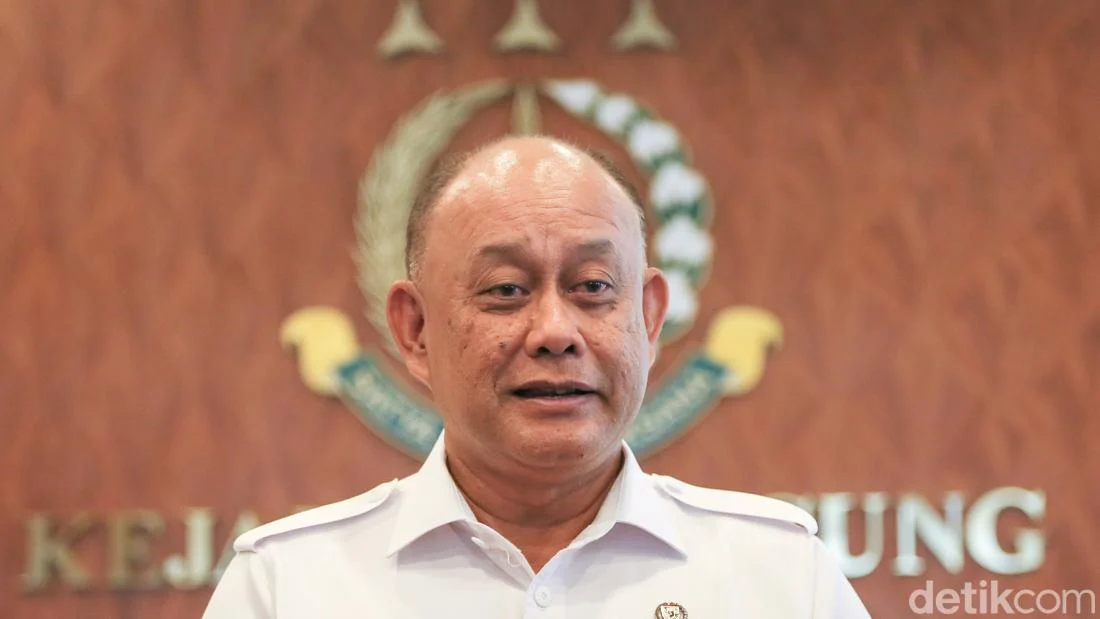
Director of Asset Tracing, Management of Evidence, and Execution at KPK, Mungki Hadipraktikto, confirmed the non-payment to journalists in Jakarta, detailing that the total proceeds successfully collected from the March 2026 auction amounted to Rp10.922 billion. This figure, while substantial, falls short of the initial projection of Rp10.985 billion, a target that would have been met had all winning bidders fulfilled their payment obligations. The discrepancy highlights the direct financial impact of bidder defaults on the state’s asset recovery goals.
The March 2026 Auction: A Detailed Overview
The March 2026 auction was part of KPK’s routine efforts to liquidate confiscated assets, a vital component of its broader strategy to combat corruption by stripping offenders of their ill-gotten gains and returning them to the state. The auction encompassed a diverse range of items, categorized broadly into movable and immovable assets. Movable goods included vehicles (cars, motorcycles, bicycles), luxury accessories (bags, watches), and electronic devices such as mobile phones, while immovable assets primarily comprised land, and land and building properties.
According to Hadipraktikto, the movable goods segment generated Rp719 million, contributing a smaller but still significant portion to the overall revenue. This category typically attracts a wider array of individual bidders due to lower price points compared to real estate. The bulk of the auction’s success, however, came from immovable assets, which dominated the proceedings by yielding a total of Rp10.266 billion. This pattern is consistent with previous KPK auctions, where high-value properties frequently form the core of asset recovery efforts, reflecting the nature of wealth accumulated through grand corruption schemes.
The auction process itself, like all KPK asset sales, adheres to strict legal frameworks designed to ensure transparency, fairness, and maximum recovery value. Public announcements are typically made weeks in advance, detailing the items, their appraised values, and the bidding procedures. Interested parties are usually required to register, submit a security deposit, and participate in a public bidding session, often conducted electronically or through open outcry. Winning bidders are then given a specified period, usually a few days, to complete their payment. It is within this final payment phase that the two mobile phone lots failed to be fully settled.
The Unpaid Lots: Specifics and Public Interest
While Mungki Hadipraktikto refrained from explicitly confirming whether the defaulted mobile phone lots included the two high-profile OPPO brand phones that had previously garnered significant public attention, he did acknowledge the high value associated with them. These particular OPPO phones were reportedly sold for Rp59.72 million in a previous, separate auction or during the initial bidding phase of the March 2026 event. The public’s focus on these specific devices underscores the heightened interest in how assets, especially those with perceived luxury or novelty value, recovered from corruption cases are managed and sold. The non-disclosure by KPK regarding the specific identity of the defaulted lots leaves room for speculation but adheres to their policy of protecting bidder privacy unless legal action necessitates otherwise.
The collective value of the two unpaid lots, Rp62.8 million, represents a not-insignificant sum. To put this in perspective, this amount could fund various small-scale community development projects, support anti-corruption education initiatives, or contribute to the operational costs of the very institutions fighting corruption. Its loss, even if temporary, affects the immediate financial goals of the asset recovery program.
KPK’s Asset Recovery Mandate and Broader Context
The practice of auctioning confiscated assets is central to KPK’s mandate, which extends beyond merely investigating and prosecuting corruption cases. As Mungki Hadipraktikto emphasized, "The management of confiscated and forfeited goods does not only stop at the law enforcement aspect but also ensures that their economic value can be optimally returned to the state. This is an important part of KPK’s asset recovery strategy."
This strategy is rooted in the understanding that corruption not only undermines public trust and governance but also depletes state resources. By recovering assets, KPK aims to achieve several critical objectives:
- Restitution to the State: Directly returning stolen funds or the value of stolen assets to the national treasury.
- Deterrence: Sending a strong message to potential corruptors that crime does not pay, as ill-gotten gains will be seized and forfeited.
- Justice: Ensuring that victims of corruption (the public) receive some form of material compensation, even if indirectly.
- Funding Anti-Corruption Efforts: The recovered funds can potentially be reinvested into strengthening law enforcement and anti-corruption institutions.
The legal framework supporting KPK’s asset recovery efforts is robust, drawing from the Law on Corruption Eradication, the Criminal Procedure Code, and specific regulations governing the management of state assets. These laws grant KPK the authority to seize assets during investigations, freeze bank accounts, and ultimately auction off forfeited properties once a court decision has been rendered. The proceeds are then deposited into the state treasury.
Historical Performance and Challenges in Asset Recovery
KPK has a commendable track record in asset recovery, with billions of rupiah returned to the state over the years. For instance, in previous years, KPK consistently reported significant recoveries, often exceeding initial projections for overall auction revenue. In 2023, KPK’s asset recovery efforts reportedly surpassed Rp200 billion through various means, including auctions and direct restitution. These successes highlight the efficiency and dedication of the KPK’s asset tracing and execution divisions.
However, the process is not without its challenges. Beyond the current issue of bidder default, KPK often faces hurdles such as:
- Asset Valuation: Accurately appraising complex assets, especially those hidden or transferred multiple times, can be difficult.
- Legal Challenges: Corruptors often employ sophisticated legal tactics to hide assets or challenge forfeiture orders, prolonging the recovery process.
- Asset Depreciation: The value of certain assets, particularly movable goods like vehicles or electronics, can depreciate significantly during lengthy legal proceedings.
- Logistical Issues: Managing and storing a vast array of confiscated items, from real estate to luxury goods, requires substantial logistical capabilities.
The non-payment in the March 2026 auction adds another layer of complexity, albeit one that is procedural rather than legal in its origin. It necessitates a review of the operational aspects of the auction process itself.
Implications of Bidder Default: Financial and Procedural Review
The failure of bidders to complete payments for the two mobile phone lots carries several implications:
- Financial Loss: The immediate and most apparent impact is the loss of Rp62.8 million in potential revenue for the state. While this might be a fraction of the total Rp10.922 billion collected, every rupiah counts in the fight against corruption and in replenishing state coffers.
- Increased Administrative Burden: KPK will now have to re-list these items for a subsequent auction, incurring additional administrative costs related to advertising, logistics, and staff time. This diverts resources that could otherwise be used for new investigations or other recovery efforts.
- Credibility and Integrity Concerns: While isolated, such incidents can, if not managed transparently, raise questions about the integrity of the auction process or the seriousness of bidders. It’s crucial for KPK to demonstrate that such defaults are met with appropriate consequences.
- Policy Review: The incident is likely to prompt a review of KPK’s auction policies. This could include:
- Higher Security Deposits: Increasing the initial deposit required from bidders to ensure greater commitment.
- Stricter Vetting: Implementing more rigorous checks on bidder financial capacity or past auction participation.
- Enhanced Penalties for Default: Beyond forfeiture of the security deposit, exploring additional penalties, such as temporary or permanent blacklisting from future KPK auctions.
Official Responses and Reassurance
Following Mungki Hadipraktikto’s statement, sources within KPK indicated that the commission is actively reviewing the circumstances surrounding the default. A KPK spokesperson, who requested anonymity as they were not authorized to speak on specifics, affirmed the commission’s commitment to ensuring all recovered assets are ultimately monetized. "We take every non-payment seriously. Our internal procedures are designed to address such situations, including forfeiture of deposits and re-auctioning the items. We are constantly evaluating our processes to ensure maximum efficiency and integrity," the spokesperson stated.
Legal experts also weighed in on the matter. Professor Indah Kusuma, a specialist in administrative law from the University of Indonesia, noted that "bidder default is a common risk in any auction. What’s critical is how the institution responds. KPK has the legal grounds to re-auction and to penalize the defaulting parties. The key is to ensure that the process of re-auctioning is swift and transparent to minimize further losses to the state." She further suggested that public bodies conducting auctions should consider implementing a ‘three-strikes’ policy for defaults, leading to permanent bans for repeat offenders, to foster greater bidder responsibility.
Anti-corruption watchdogs also voiced their perspective. Mr. Bayu Permana, from the Civil Society Coalition Against Corruption, emphasized the broader implications. "Every rupiah recovered from corruption is a victory for the people. When a portion of that is lost due to bidder default, it’s a setback. While the amount might seem small in the grand scheme of KPK’s recoveries, it underscores the need for continuous vigilance and improvement in every step of the asset recovery chain. We urge KPK to be transparent about the actions taken against these defaulting bidders and to strengthen its auction mechanisms."
The Future of KPK Auctions and Asset Recovery Strategy
The incident with the unpaid mobile phone lots, while a minor blip in the overall success of the March 2026 auction, serves as a valuable learning experience for the KPK. It highlights the dynamic nature of asset recovery and the constant need for adaptation and refinement of procedures.
Looking forward, KPK is expected to continue its aggressive pursuit of asset recovery, leveraging advanced forensic tools for tracing hidden wealth and collaborating with international partners for cross-border asset repatriation. The commission is also likely to explore technological solutions to enhance the auction process, such as blockchain-based platforms to ensure greater transparency and accountability in bidding and payment verification.
Furthermore, public education campaigns remain crucial. By making the public aware of the importance of asset recovery and the integrity of the auction process, KPK can foster greater public participation and trust, which are vital for the long-term success of anti-corruption efforts. The funds recovered from these auctions are not just numbers; they represent tangible resources that can be channeled back into public services, infrastructure, and poverty alleviation programs, directly benefiting the citizens who were ultimately victimized by the acts of corruption.
In conclusion, while the non-payment for two mobile phone lots in the March 2026 auction presents a temporary financial shortfall for the KPK, it is also an opportunity. It allows the commission to review and potentially strengthen its existing auction protocols, ensuring that future asset recovery endeavors are even more robust, transparent, and ultimately successful in returning the full value of ill-gotten gains to the state. The commitment to optimal asset recovery remains a cornerstone of KPK’s relentless fight against corruption in Indonesia.