Nila Kartika Wati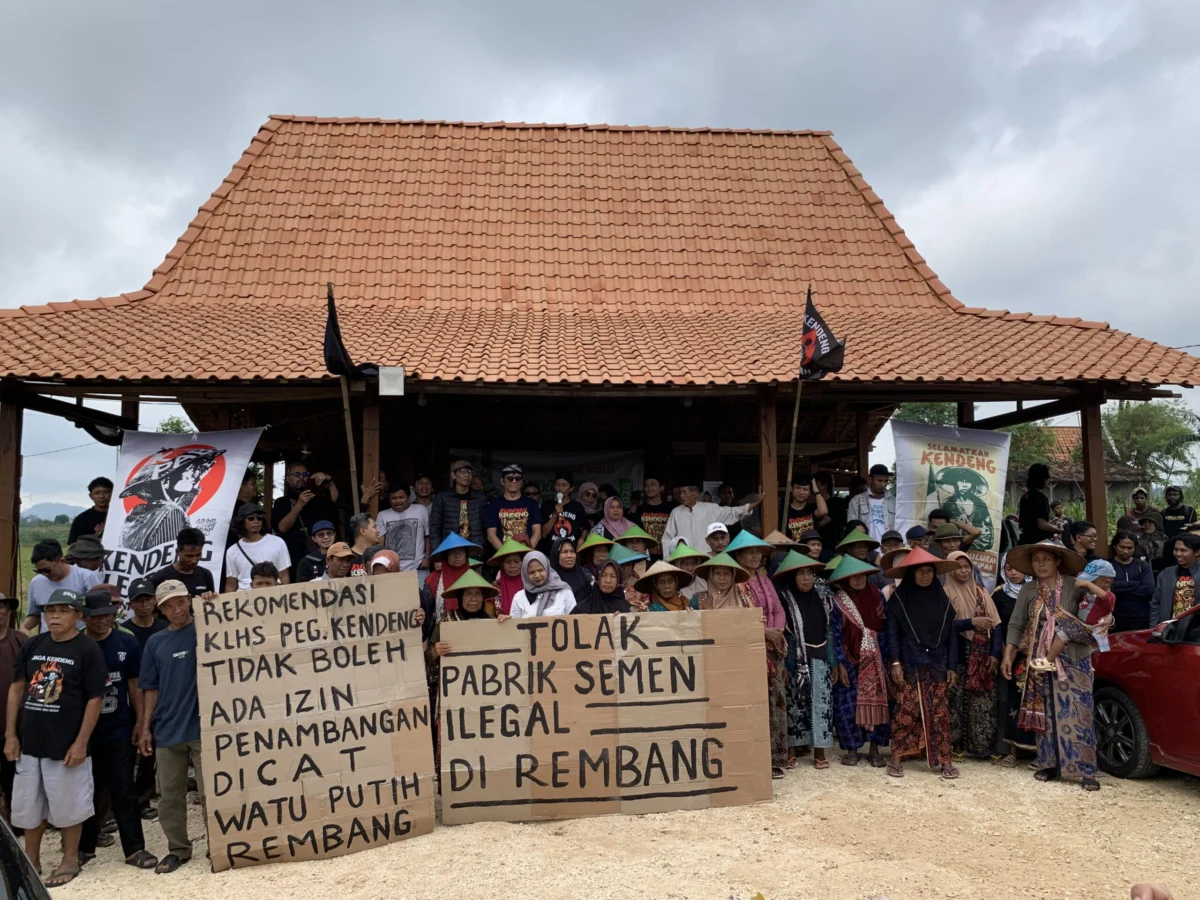
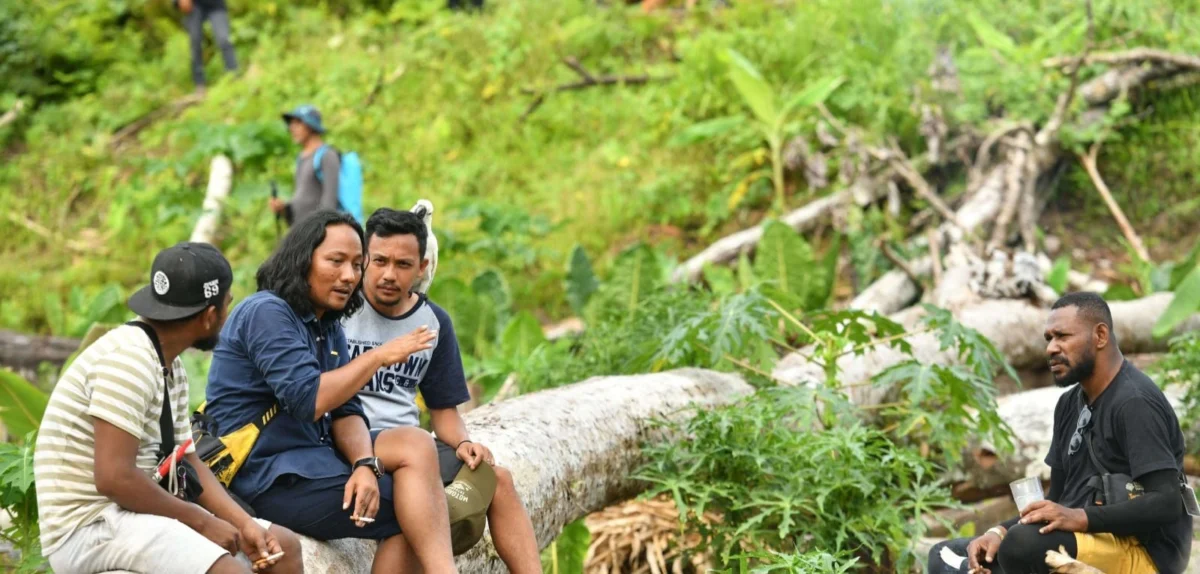
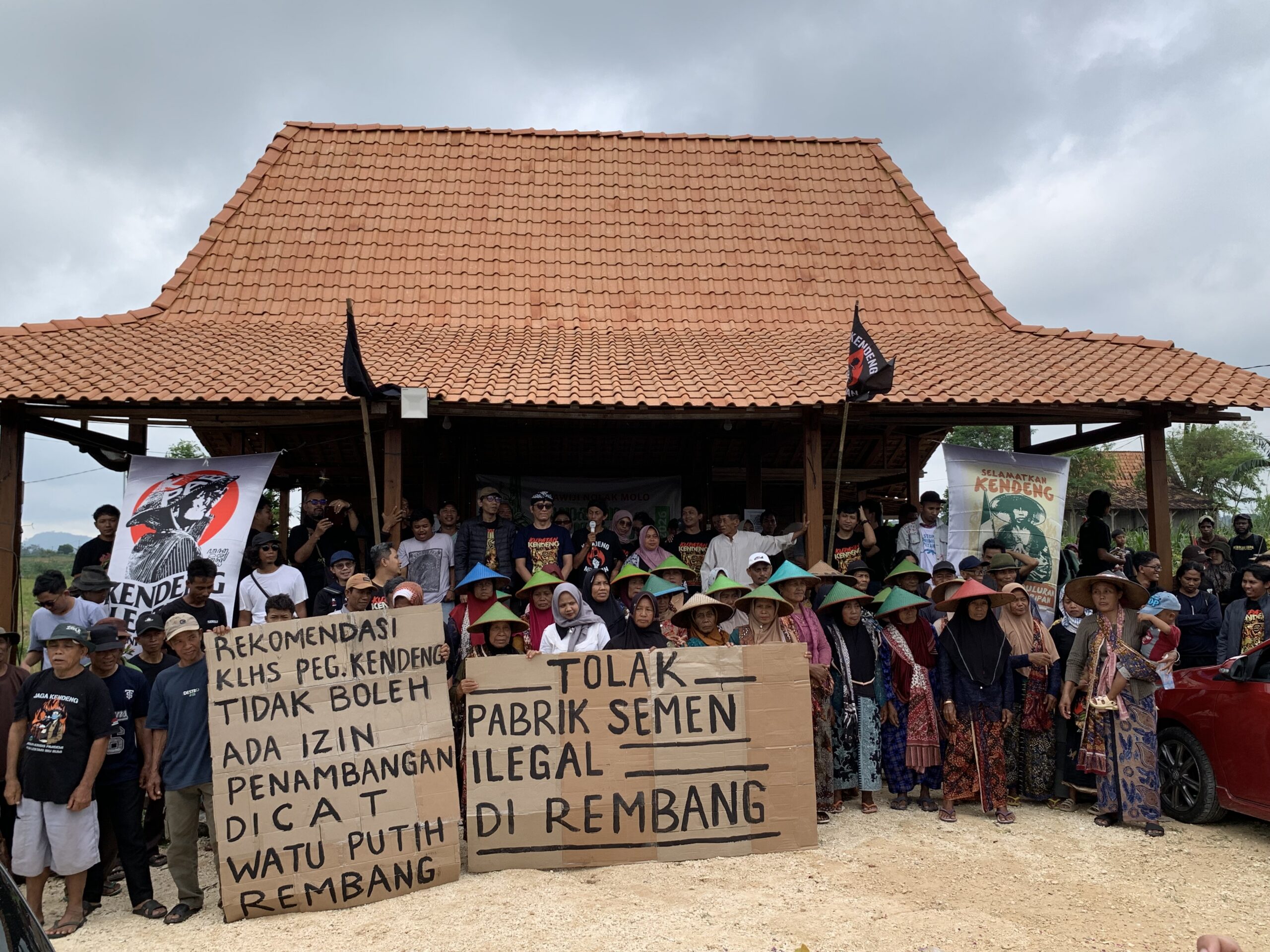
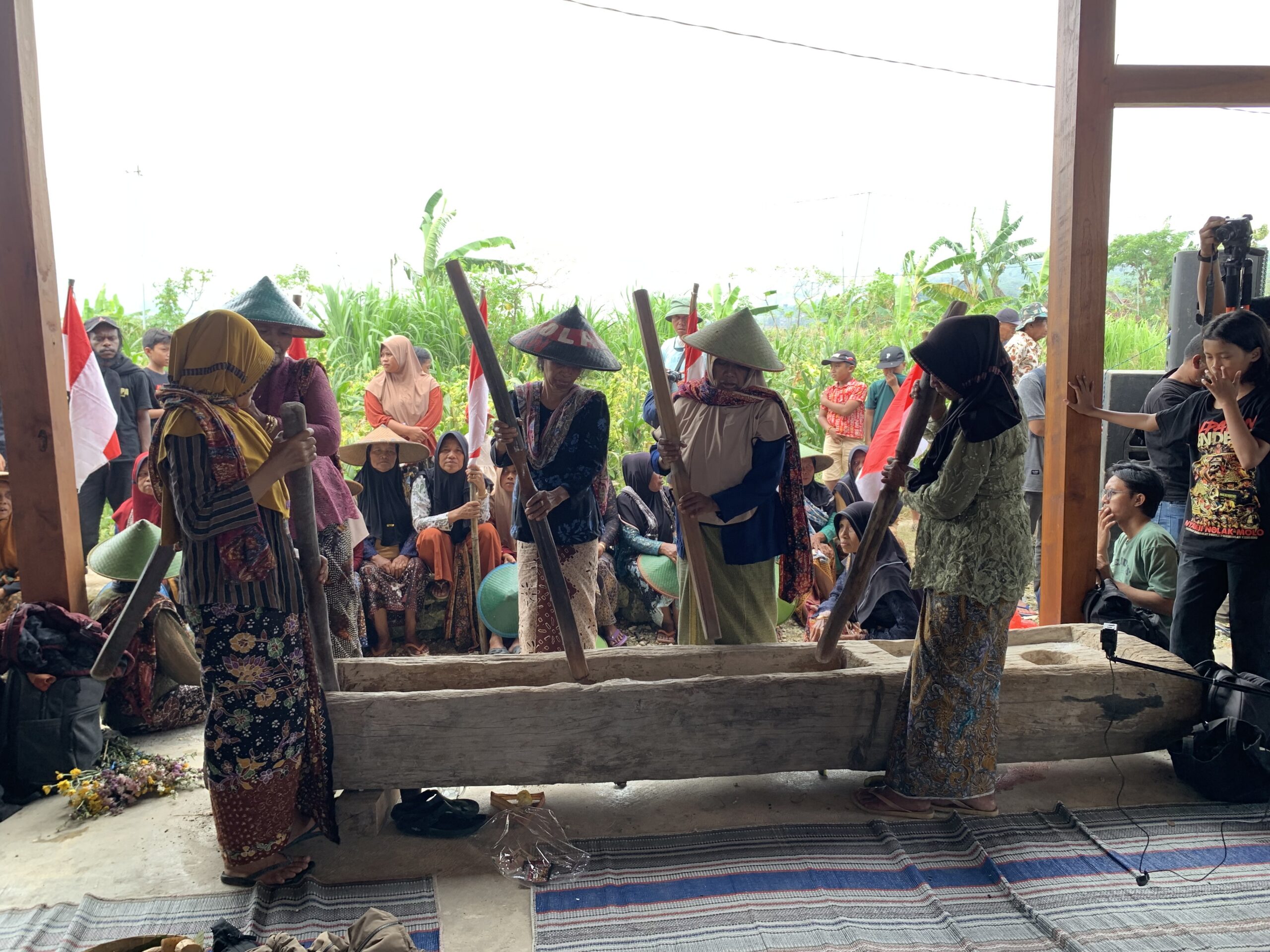
In the heart of Tegaldowo Village, located within the Gunem District of Rembang, Central Java, a traditional Javanese joglo house owned by environmental activist Joko Prianto became the focal point of a profound cultural and political gathering on Thursday, March 23, 2026. Despite a persistent drizzle, hundreds of residents from across the region converged to participate in the "Kupatan Kendeng" procession. This annual tradition, held during the Lebaran festivities, has evolved from a simple harvest celebration into a potent symbol of grassroots resistance against the encroachment of the cement industry on the North Kendeng Mountains. This year’s event was organized under the theme "Nyawiji Nolak Molo," a Javanese phrase translating to "Uniting to Reject Calamity."
The term "molo" in Javanese philosophy encompasses various forms of misfortune, including disasters, pests, diseases, and general malevolence. For the people of Tegaldowo and the surrounding villages, this "calamity" is personified by the presence of large-scale limestone mining and cement production facilities. According to Joko Prianto, who serves as the chairman of the Jaringan Masyarakat Peduli Pegunungan Kendeng (JMPPK) or the Network of People Who Care for the Kendeng Mountains, the industrial operations have transitioned from a theoretical threat to a daily reality of ecological and social suffering. The gathering was not limited to local villagers; it drew solidarity from communities in Wonogiri, Purworejo, and other regions in Java facing similar struggles against extractive industries, highlighting a growing inter-regional movement for environmental justice.
A Decade of Defiance: The Chronology of Resistance
The struggle in Rembang is not a recent phenomenon but a continuation of a decade-long battle that began in 2013. The residents of Tegaldowo have remained steadfast in their opposition to the construction and operation of cement factories and mines on their ancestral lands. While the factories were eventually built and mining operations commenced despite massive protests, the spirit of the "Kendeng Farmers" has not waned. The movement gained international attention in 2017 when a group of women from the area, known as the "Kartini Kendeng," traveled to Jakarta to protest in front of the State Palace. In a harrowing display of commitment, they encased their feet in heavy cement blocks, symbolizing how the industry was "shackling" their lives and their future.
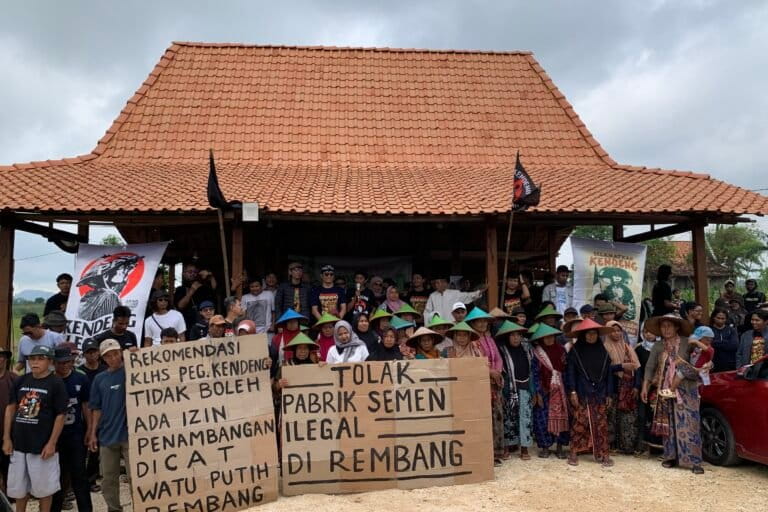
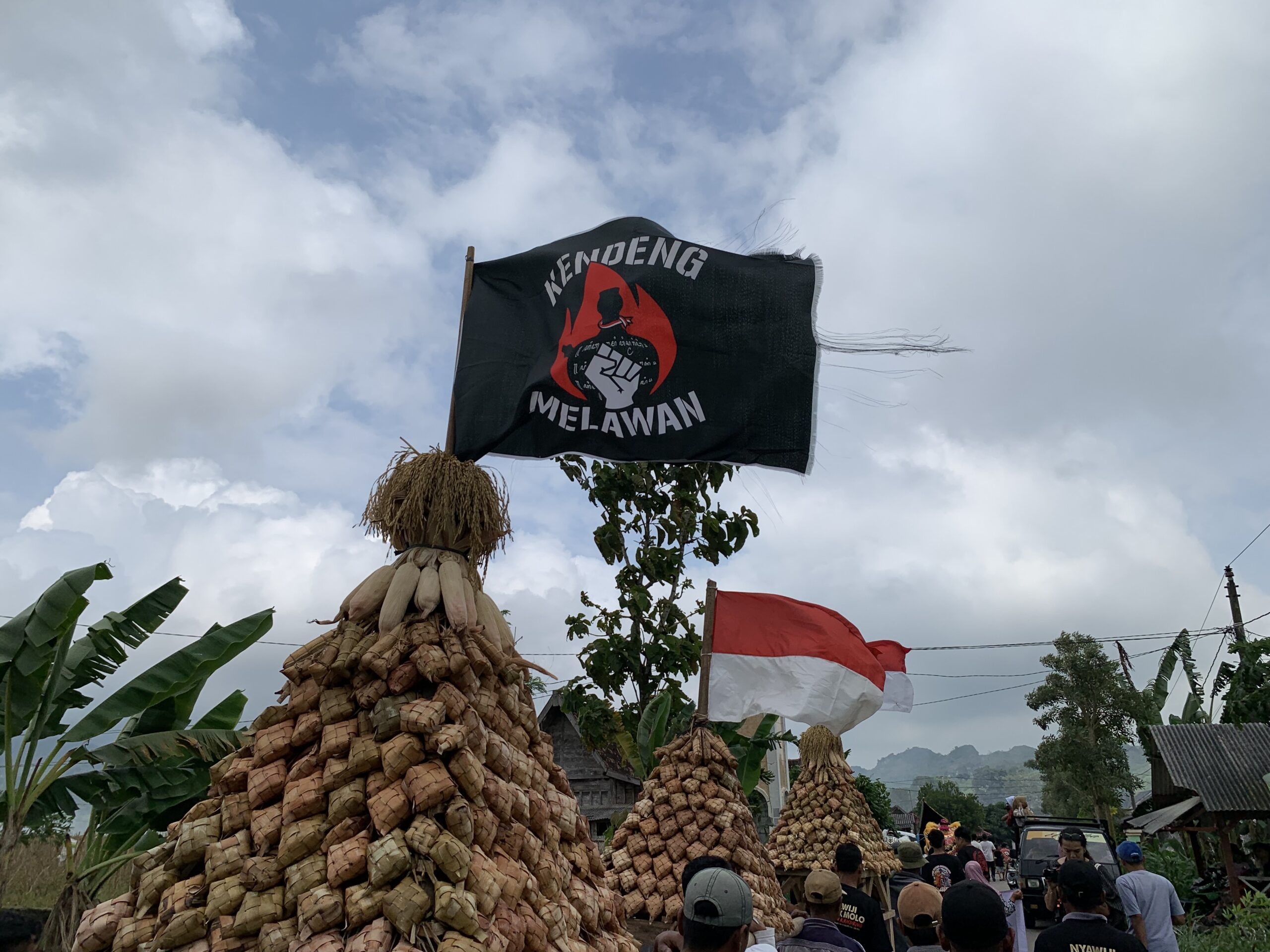
Despite several legal victories, including a Supreme Court ruling that initially revoked the environmental permit for the factory, the provincial government and the industrial entities involved found administrative loopholes to continue operations. This persistent disregard for judicial decisions and community sentiment has fueled a deep-seated distrust. The Kupatan Kendeng ritual serves as a periodic reminder that the community’s "social license to operate" has never been granted. The procession of "gunungan ketupat" (cone-shaped offerings of rice cakes) through the village streets to the joglo house acts as a spiritual and physical reclamation of their space, asserting that their culture and environment are inseparable.
The Ecological Toll: Water Scarcity and Public Health
The primary grievance cited by the residents involves the rapid degradation of the Watuputih Groundwater Basin (CAT Watuputih), a vital karst ecosystem that serves as a natural reservoir for the region. Karst landscapes are characterized by porous limestone that absorbs and stores rainwater, feeding underground rivers and springs. Mining these rocks for cement production effectively destroys the "water tower" of the region. Joko Prianto noted that since the mining began, the water debit in local wells has plummeted. Residents who once had easy access to water are now forced to deepen their wells by up to 10 meters, often with no guarantee of reaching the water table.
The impact extends beyond individual households. The local water utility company (PDAM) in Rembang has also reported a decrease in spring discharge, affecting the broader population’s access to clean water. Beyond the hydrological crisis, the community is grappling with a surge in health issues. The proximity of the production facilities to residential areas means that dust and particulate matter are a constant presence. Cases of Acute Respiratory Infection (ISPA) have become commonplace. "The conveyor belts are visible from this joglo," Joko explained. "If we can see the machinery, the dust can certainly reach our lungs."
Agriculture, the backbone of the local economy, has also suffered a double blow. The combination of water scarcity and industrial pollution has led to a consistent trend of harvest failures over the last three years. The dust from the factory settles on crops, hindering photosynthesis and reducing soil fertility. Farmers who once thrived on the bounty of the Kendeng foothills now find themselves in a cycle of debt and diminished returns, refuting the industry’s promises of regional prosperity.
Economic Valuation of Environmental Loss: The CELIOS Report
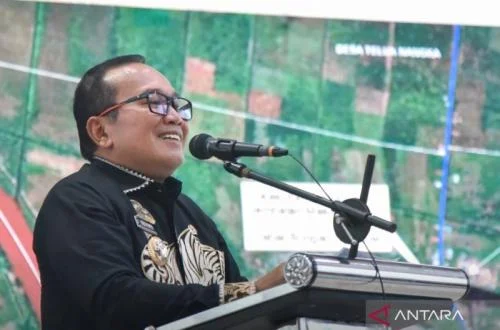
To quantify the damage that is often dismissed as "anecdotal" by industrial proponents, the Center of Economic and Law Studies (CELIOS) conducted a comprehensive valuation of the environmental services provided by the Kendeng karst. Jaya Darmawan, a researcher from CELIOS, presented a sobering analysis during the Kupatan Kendeng event. The study estimates that between 2014 and 2025, the total potential loss borne by the residents and the state due to the cement industry’s operations in Rembang reached a staggering Rp35.9 trillion (approximately USD 2.3 billion).
When broken down, this figure suggests that every citizen in Rembang—which has a population of roughly 662,787—is effectively subsidizing the industry with a loss of Rp541.7 million per person. The CELIOS report categorizes these losses into several key areas:
- Water Absorption Loss: The destruction of karst prevents the natural recharge of groundwater, valued at Rp217.6 billion annually.
- Agricultural Decline: Reduced water availability for rice fields accounts for Rp1.09 trillion in lost productivity.
- Health Costs: Expenditures related to treating ISPA and other dust-related ailments total Rp63.9 billion.
- Loss of Biological Pest Control: Karst caves are habitats for bats. As these habitats are destroyed, the bat population declines, leading to an increase in agricultural pests. The loss of this natural pest control service is valued at Rp10.89 billion.
- Tourism Potential: The loss of unique karst landscapes for eco-tourism is estimated at Rp294 million.
Furthermore, the report highlights the loss of secondary commodities such as durian, petai, and the increased cost of household water procurement, which totals Rp3.27 trillion per year. When contrasted with the Rembang Regency’s 2025 Regional Budget (APBD) of only Rp2.01 trillion, it becomes clear that the environmental "debt" incurred by the industry far outweighs any tax revenue or employment benefits provided to the local government.
Market Oversupply and the Myth of Industrial Necessity
The persistence of the cement industry in Rembang is even more perplexing when viewed through the lens of national and international market trends. Data from the Indonesia Cement Association (ASI) indicates a significant slump in the sector. Following a massive 48.9% drop in sales during the 2020 pandemic, the industry has failed to make a robust recovery. By 2024, sales continued to weaken, showing a 5.4% year-on-year decline.
Indonesia currently faces a massive oversupply of cement, with production capacity far exceeding domestic demand and international export markets becoming increasingly competitive. Joko Prianto described the operations of the Rembang factory as "intermittent," comparing it to the Javanese practice of Monday-Thursday fasting. "Sometimes they operate, sometimes they stop. It is clear that this is a business that is struggling. Because many of these companies are State-Owned Enterprises (BUMN), their losses are ultimately covered by the state, which means the public pays twice: once through environmental destruction and again through tax-funded bailouts."
The CELIOS analysis also touched upon the "carbon cost" of mining. Karst areas are highly effective carbon sinks. The current mining area of 293.9 hectares in Rembang results in the loss of 652 tons of carbon sequestration capacity per year. If the mining area is expanded to the planned 552 hectares, the loss will jump to 1,225 tons annually. In an era where Indonesia has pledged significant climate mitigation goals at international forums like the COP (Conference of the Parties), the continued destruction of these natural carbon buffers appears contradictory to national policy.
Social Conflict and the Path Forward
Beyond the ecological and economic metrics, the human cost of the conflict remains the most difficult to repair. Sukinah, a prominent figure in the "Kartini Kendeng" movement, emphasized that the industry has fractured the social fabric of Tegaldowo, creating divisions between those who support the factory for short-term employment and those who oppose it for long-term survival. However, she believes that as the negative impacts become more undeniable, the community is beginning to reunite.
"Whether you supported the factory or opposed it, you still breathe the same dust and use the same drying wells," Sukinah remarked. For the women of the village, the stakes are particularly high. As the primary managers of household water and the caregivers for children suffering from respiratory issues, women bear the brunt of the environmental collapse. Sukinah views the Kupatan Kendeng as a bridge to heal these social rifts and refocus the collective energy on protecting what remains of their ancestral lands.
The movement has achieved some tangible results. Through relentless advocacy, the planned mining area in Tegaldowo was reduced from an initial 900 hectares to approximately 200 hectares. Some land that had been acquired by the industry has even been sold back to the original owners. However, the ultimate goal remains the permanent cessation of mining activities in the karst zone.
The "Nyawiji Nolak Molo" gathering concludes with a clear message to the government: the current industrial model is unsustainable. According to Jaya Darmawan, the social conflict costs alone—which the IMF suggests can reduce a region’s GDP by 13% over a decade—should be enough to trigger a policy shift. As the climate crisis intensifies, the residents of Rembang argue that the protection of the Kendeng Mountains is no longer just a local concern, but a necessary step in ensuring regional ecological security for future generations. The tradition of Kupatan Kendeng, therefore, is not merely a look back at the past, but a defiant vision for a future where the land remains the sovereign provider for its people.