Nasution Nanang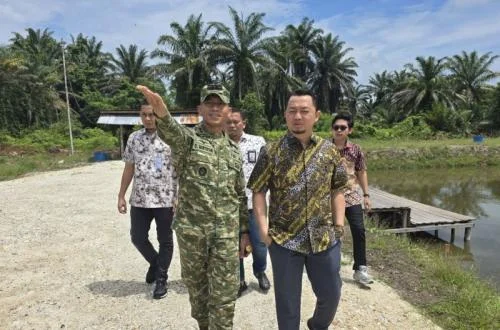
JAKARTA, Indonesia – A prominent member of Commission I of the Indonesian House of Representatives (DPR RI), Syahrul Aidi Maazat, has strongly advocated for the Indonesian National Armed Forces (TNI) to intensify its collaboration with local communities, particularly through robust food security programs. This call to action, emphasizing the critical importance of a synergistic approach beyond internal military initiatives, was articulated by Maazat during a working visit to the Infantry Battalion (Yonif) 132/Bima Sakti in Kampar, Riau, on Monday. The parliamentarian’s visit underscores a growing legislative interest in leveraging military capabilities for broader national development goals, particularly in the vital sector of food resilience, which remains a strategic priority for the archipelago nation.
National Imperative: Indonesia’s Food Security Landscape
Indonesia, a vast archipelagic nation with a population exceeding 270 million, faces persistent challenges in ensuring comprehensive and sustainable food security for its populace. Factors such as rapid population growth, climate change impacts leading to unpredictable weather patterns, land conversion for non-agricultural uses, and inefficiencies in the supply chain all contribute to the complexity of this issue. The government, recognizing food security as a cornerstone of national stability and prosperity, has launched various initiatives aimed at boosting domestic production, diversifying food sources, and enhancing distribution networks. However, the scale of the challenge necessitates a multi-sectoral approach, drawing on the resources and organizational capacity of various governmental and non-governmental entities. The strategic involvement of the TNI, with its disciplined structure, extensive reach, and logistical capabilities, is increasingly viewed as a crucial component in bolstering these national efforts, especially in remote or challenging terrains where civilian infrastructure may be limited.
Historically, Indonesia has grappled with ensuring self-sufficiency in staple foods, particularly rice. While significant progress has been made, reliance on imports for certain commodities remains a concern, making the nation vulnerable to global market fluctuations and geopolitical disruptions. The COVID-19 pandemic further highlighted the fragility of global supply chains, reinforcing the urgency for nations like Indonesia to strengthen their domestic food production capacities. This context provides the backdrop for Syahrul Aidi Maazat’s pronouncements, suggesting a strategic convergence of national defense interests with socio-economic development objectives.
Commission I’s Mandate and Oversight in National Development
Commission I of the DPR RI holds a broad and critical mandate, encompassing defense, foreign affairs, intelligence, communication, and information technology. Its oversight responsibilities extend to ensuring the effectiveness and strategic alignment of institutions under its purview, including the Ministry of Defense and the TNI. Syahrul Aidi Maazat’s advocacy for TNI’s deeper engagement in food security initiatives aligns perfectly with Commission I’s role in shaping defense policy that contributes to overall national resilience. By encouraging the TNI to actively participate in programs like food security, the commission seeks to optimize the military’s non-traditional roles, often termed Operasi Militer Selain Perang (OMSP) or Military Operations Other Than War, which are legally enshrined and play a significant part in the TNI’s current operational framework.
The parliamentarian’s visit to a military unit like Yonif 132/Bima Sakti is not merely a ceremonial gesture but a tangible expression of legislative oversight and support. It allows members of parliament to directly assess the operational realities and developmental contributions of military units on the ground, gather feedback, and identify areas where legislative support or policy adjustments might be necessary. This direct engagement fosters a more informed legislative process, ensuring that policies formulated in Jakarta are responsive to the needs and capabilities of units operating in diverse regions across the archipelago. Maazat’s focus on community synergy reflects a broader parliamentary vision for the TNI to be not just a guardian of national sovereignty but also a proactive partner in community development and welfare.
TNI’s Evolving Role: From Defense to Development Partner
The Indonesian National Armed Forces has a long history of involvement in civilian affairs, a legacy often associated with its "Dwi Fungsi" (Dual Function) doctrine during the New Order era. While the post-reformasi era has seen a conscious effort to redefine TNI’s role, emphasizing professionalism and a primary focus on defense, its involvement in non-military operations remains significant and legally sanctioned. The OMSP framework allows the TNI to engage in a wide array of activities, including disaster relief, combating terrorism, securing vital national objects, and assisting government programs. Food security, given its strategic importance, naturally falls within this ambit.
TNI’s involvement in development programs like TMMD (TNI Manunggal Membangun Desa, or TNI Unites to Build Villages) has been a consistent feature of its community engagement strategy. These programs often involve infrastructure development, health services, and agricultural assistance in remote or underdeveloped areas. The military’s organizational discipline, logistical prowess, and extensive reach, even into the most isolated parts of Indonesia, make it a uniquely positioned actor to support large-scale national initiatives. For food security, this means potentially mobilizing personnel for land preparation, cultivation, distribution, and even acting as educators or facilitators for local farmers, introducing modern agricultural techniques and sustainable practices. The capacity of military units to operate effectively in challenging environments, coupled with their inherent discipline, provides a strong argument for their strategic deployment in critical national programs beyond traditional defense.
The Bima Sakti Model: A Blueprint for Community Synergy in Riau
During his visit, Syahrul Aidi Maazat expressed profound appreciation for the proactive efforts of Yonif 132/Bima Sakti in utilizing its battalion assets for food security initiatives. The battalion’s diverse programs, encompassing budidaya perikanan (fishery cultivation), peternakan (livestock farming), hortikultura (horticulture), and palawija (secondary crops), exemplify the kind of comprehensive approach envisioned by the parliamentarian. These initiatives not only contribute to the internal food needs of the military unit but also serve as a practical model for community engagement and local food production.
The decision by Yonif 132/Bima Sakti to transform unused land and resources within its barracks into productive agricultural and aquaculture sites demonstrates a forward-thinking approach to military asset utilization. For instance, developing fish ponds can provide protein sources, while cultivating vegetables and secondary crops reduces reliance on external markets and ensures a stable food supply for personnel. Beyond internal consumption, the surplus from these activities can potentially benefit local communities, either through direct distribution or by serving as a demonstration farm for local farmers to learn new techniques. Maazat’s "masukan berdasarkan pengalaman dan aspirasi masyarakat" (input based on experience and community aspirations) suggests a parliamentary desire to integrate these military-led initiatives more closely with civilian needs and local wisdom, ensuring their relevance and sustainability.
The three regencies under the operational responsibility of Yonif 132/Bima Sakti—Kampar, Pelalawan, and Rokan Hulu—are primarily agrarian regions in Riau. Kampar, known for its palm oil plantations and freshwater fisheries, and Pelalawan and Rokan Hulu, also significant in agriculture and forestry, present diverse opportunities and challenges for food security programs. The infantry’s presence in these areas offers a unique opportunity to tailor food security strategies to local ecological and socio-economic contexts, potentially focusing on improving yields for local staples, introducing resilient crop varieties, or enhancing aquaculture practices relevant to Riau’s extensive river systems.
Operational Realities: Personnel and Resource Challenges
A crucial aspect of Syahrul Aidi Maazat’s dialogue with the Commander of Yonif 132/Bima Sakti, Lieutenant Colonel Infanteri Diyan Mantofani, revolved around the operational realities faced by the battalion. Lt. Col. Mantofani highlighted a significant personnel deficit, stating that the battalion currently operates with only 464 personnel against an ideal strength of 700. This shortfall of approximately 34% poses considerable challenges, not only for the battalion’s primary defense duties but also for its capacity to effectively engage in extensive community assistance programs, including food security initiatives.
The commander’s candid disclosure underscores a broader issue faced by certain military units across Indonesia—the balance between operational readiness, personnel strength, and the increasing demands for involvement in non-traditional roles. A personnel shortage can strain existing resources, impact training schedules, and limit the scope and scale of community outreach efforts. For a unit tasked with securing three significant regencies, such a deficit could potentially affect its ability to respond to emergencies, conduct patrols, or adequately support government programs.
Lt. Col. Mantofani expressed gratitude for Syahrul Aidi Maazat’s "jemput bola" (proactive engagement) approach, acknowledging the parliamentarian’s willingness to directly visit the unit and inquire about its needs. This direct communication channel between the military and legislative bodies is vital for ensuring that the military’s operational challenges and resource requirements are understood and addressed at the policy-making level. The commander’s hope for parliamentary support to ensure the battalion’s functionality "sesuai dengan fungsi yang diperintahkan oleh negara" (in accordance with the functions commanded by the state) indicates a clear desire for legislative advocacy in securing necessary personnel and resources. Such advocacy from Commission I could translate into recommendations for increased defense budgets, targeted recruitment drives, or strategic re-allocation of personnel to critical units, thereby strengthening both national defense and development capacities.
Broader Implications and Potential Impact
The push for enhanced civil-military synergy in food security carries several significant implications for Indonesia:
-
Strengthening Civil-Military Relations: Active involvement of the TNI in community welfare programs, particularly those directly benefiting local populations like food security, can significantly foster trust and cooperation between the military and civilians. This constructive engagement helps to bridge any potential gaps and builds a stronger sense of national unity and shared purpose. When communities perceive the military as a partner in their development, it enhances the legitimacy and public support for the armed forces.
-
Enhancing National Resilience: Beyond traditional defense, food security is a crucial component of national resilience. By contributing to a stable and sufficient food supply, the TNI indirectly strengthens the nation’s ability to withstand various shocks, whether economic, environmental, or geopolitical. A food-secure population is generally more stable and less prone to social unrest, contributing to overall national stability.
-
Economic Impact and Local Development: Military-led food production initiatives, especially when integrated with local farming practices and markets, can stimulate local economies. They can introduce new technologies, improve agricultural yields, create employment opportunities, and establish more robust local food supply chains. The Yonif 132/Bima Sakti model, if scaled and replicated, could potentially contribute to significant local economic growth in various regions.
-
Optimizing Resource Utilization: The military possesses vast land assets, logistical capabilities, and a disciplined workforce that can be strategically deployed for productive purposes. Utilizing these resources for food security maximizes their contribution to national development, ensuring that military assets serve a dual purpose of defense and socio-economic progress.
-
Addressing Regional Disparities: TNI units are often strategically located throughout the archipelago, including in remote and border areas. Their involvement in food security can help address regional disparities in food access and production, bringing expertise and resources to areas that might otherwise be underserved by civilian agencies.
Challenges and Considerations:
While the benefits are substantial, such initiatives are not without challenges. These include the potential for "mission creep," where the military’s involvement in civilian affairs could inadvertently dilute its primary defense mandate or lead to an over-reliance on military solutions for inherently civilian problems. It is crucial to maintain clear lines of authority and ensure civilian oversight to prevent any blurring of roles. Additionally, resource allocation must be carefully managed to ensure that food security programs do not detract from essential defense readiness. Sustainability is another key factor; military-led programs should ideally serve as catalysts, eventually transitioning to self-sustaining civilian-led initiatives. Expert analysis would suggest that close coordination with agricultural ministries, local governments, and community leaders is paramount to ensure the long-term success and integration of these programs within broader national development frameworks.
Looking Ahead: Policy Recommendations and Future Outlook
The discussions between Syahrul Aidi Maazat and Lt. Col. Diyan Mantofani are indicative of an ongoing dialogue within Indonesia’s policy-making circles regarding the optimal role of the TNI in national development. Commission I is likely to continue advocating for policies that support the TNI’s involvement in food security, potentially translating into legislative recommendations for increased budgetary allocations, enhanced inter-agency coordination, and clearer guidelines for civil-military cooperation.
The success of battalions like Yonif 132/Bima Sakti could serve as a model for other military units across the country, fostering a nationwide network of military-supported food security hubs. Such a comprehensive approach, combining legislative support, military discipline, and community participation, has the potential to significantly enhance Indonesia’s long-term food resilience and contribute to a more stable and prosperous future for all its citizens. The strategic integration of defense capabilities with national development goals represents a pragmatic and forward-looking approach to governance in a complex and rapidly changing world.