Nila Kartika Wati
The concept of living entirely above a swamp may seem alien or even impossible to those accustomed to the stability of dry land, yet for the communities of Danau Panggang and Paminggir in the Hulu Sungai Utara Regency of South Kalimantan, it is the only reality they have known for centuries. These districts, nestled within the vast, shimmering wetlands of Indonesian Borneo, represent a unique intersection of human ingenuity and ecological adaptation. Here, the rhythm of life is dictated not by the rising of the sun alone, but by the ebb and flow of the water levels that define their ancestral territory. For hundreds of years, the people of these marshlands have built a thriving civilization atop one of the most challenging environments on Earth, creating a cultural heritage that is as fluid and enduring as the waters they inhabit.
Understanding the Wetland Ecosystem of South Kalimantan
To understand the life of the people in Hulu Sungai Utara, one must first understand the complex nature of the landscape. Swamps, or "rawa" in the Indonesian language, are often misunderstood as mere wasteland. However, as explained by Fahmi and Wakhid (2018) in their comprehensive report "Karakteristik Lahan Rawa" (Characteristics of Swamp Lands), these areas are sophisticated ecosystems located in transition zones between terrestrial and aquatic environments. Formed over thousands, and sometimes millions of years, these wetlands can be natural or man-made, functioning as vital sponges that regulate water flow, support biodiversity, and sequester carbon.
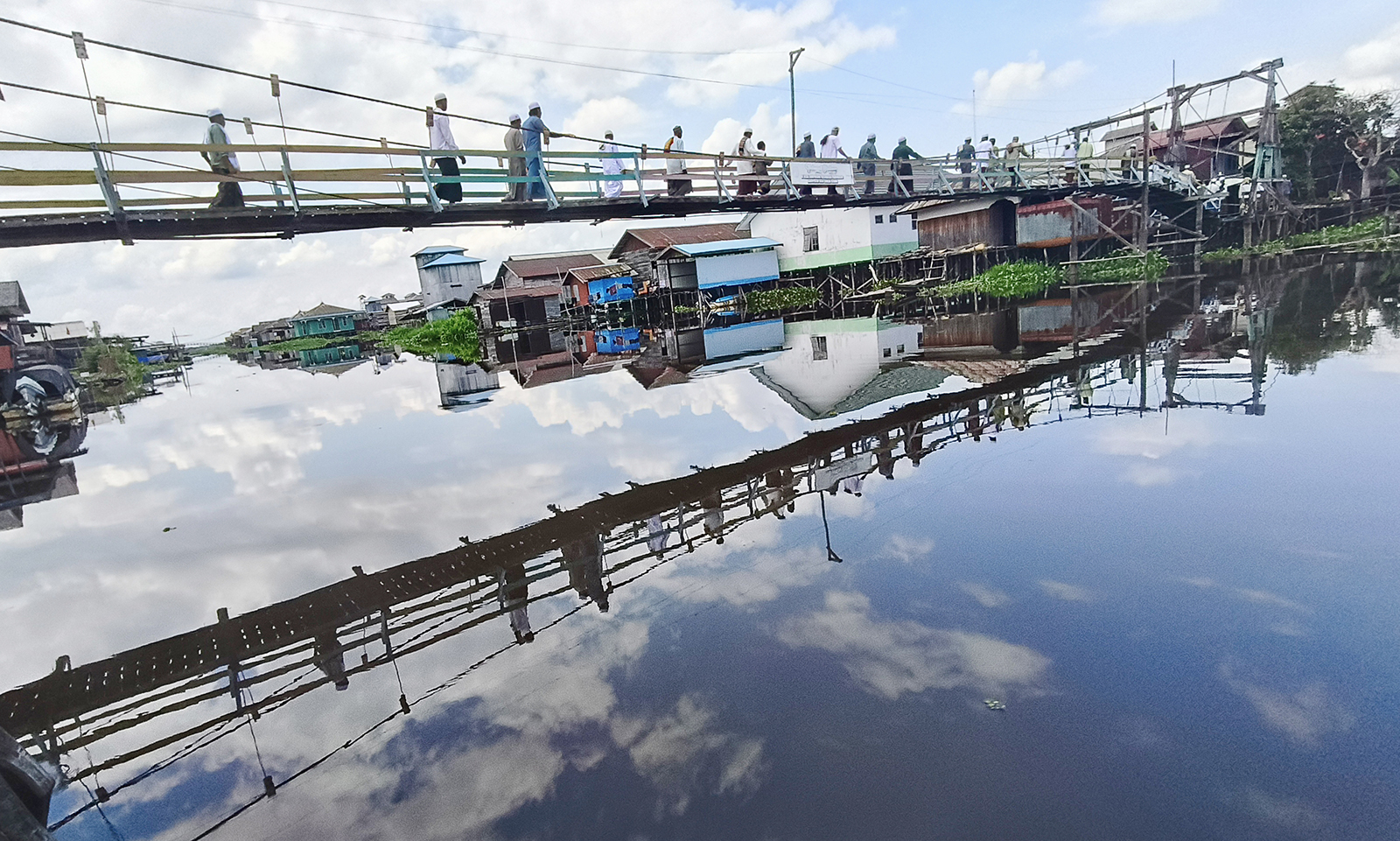
In South Kalimantan, these wetlands are primarily "lebak" or non-tidal swamps. Unlike coastal mangroves that respond to the daily pull of the ocean, these inland marshes are fed by rainfall and the overflow of major river systems like the Barito. During the rainy season, the landscape transforms into a vast inland sea, while the dry season reveals patches of fertile mud and dense vegetation. This cyclical nature has necessitated a lifestyle that is entirely "amphibious." Houses are built on high stilts or floating platforms known as "lanting," and the primary mode of transportation is the "jukung," a traditional wooden canoe that navigates the labyrinthine waterways connecting villages.
A Legacy of Adaptation: The Anthropological Perspective
The survival of these communities is not a matter of chance but the result of a profound, multi-generational process of adaptation. Nasrullah, an anthropologist from Lambung Mangkurat University, notes that the residents of Danau Panggang and Paminggir have developed a specialized set of skills and assets that allow them to thrive where others would struggle. According to Nasrullah, this adaptation is so deep-seated that many residents find it difficult to transition to life on dry land. Their entire economic and social identity is tethered to the water.
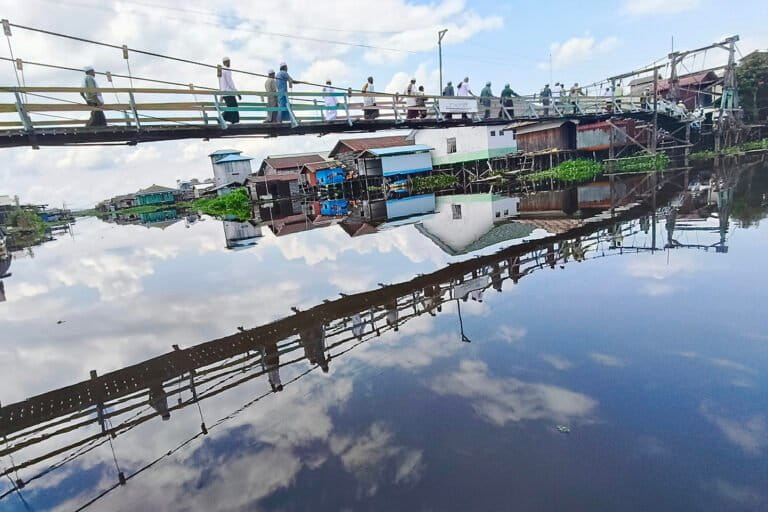
"They have undergone a long adaptation process and possess the specific assets required to work in this environment," Nasrullah explained in a recent discussion regarding the region’s cultural resilience. This includes the ability to navigate treacherous marshes, the knowledge of seasonal fish migrations, and the technical skill required to raise livestock in a waterbound environment. The "wetland mindset" is one of flexibility; when the water rises, the community adjusts its activities, and when it falls, they pivot to take advantage of the newly exposed land.
Historically, the origins of these settlements remain somewhat shrouded in mystery. While the majority of the current population identifies as Suku Banjar, oral traditions suggest that the area was once inhabited by Suku Dayak groups before the expansion of the Banjar sultanates. Despite the lack of precise ancient manuscripts detailing the first settlers, the physical evidence of their long-term presence is undeniable in the architectural styles and the deeply entrenched traditional laws governing water use and fishing rights.
The Hadangan: The Iconic Swamp Buffalo of Borneo
Perhaps the most striking symbol of this wetland civilization is the "Hadangan," or swamp buffalo (Bubalus bubalis carabanesis). Unlike the common water buffalo found in the rice paddies of Java or Sumatra, the Hadangan of Hulu Sungai Utara is a powerful swimmer, capable of spending hours submerged in deep water to graze on aquatic vegetation. These animals are central to the local economy and culture, representing a rare form of "aquatic animal husbandry."
The Hadangan are kept in "kalang," which are large wooden pens built on stilts above the water. Each morning, the buffalo are released to swim into the marshes to feed, returning to their pens at sunset. This sight—herds of buffalo paddling through the water with only their heads visible—has become a hallmark of the Paminggir and Danau Panggang landscape.
Beyond their economic value as a source of meat and wealth, the Hadangan serve as a critical marker of social status. Nasrullah points out that in local traditional rituals, the sacrifice of a swamp buffalo is a sign of high social standing. The ability to maintain a large herd in such a demanding environment is a testament to a family’s resilience and skill, making the animal a living currency of prestige within the community.
Economic Pillars: Fishing and the Purun Craft
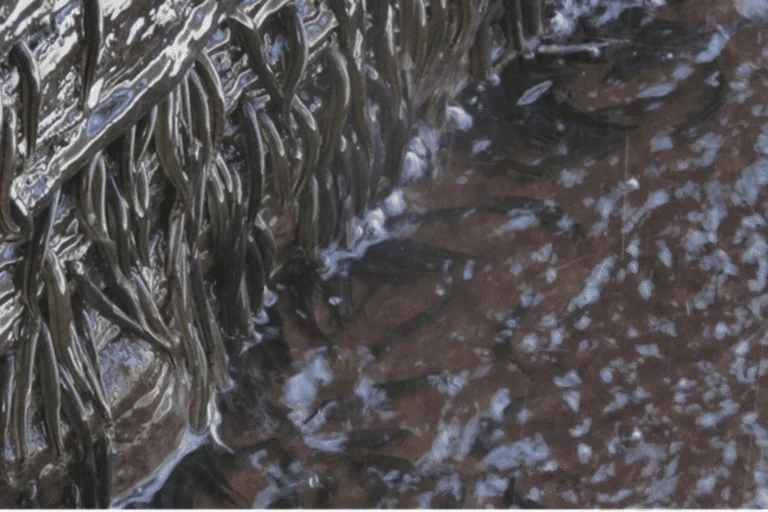
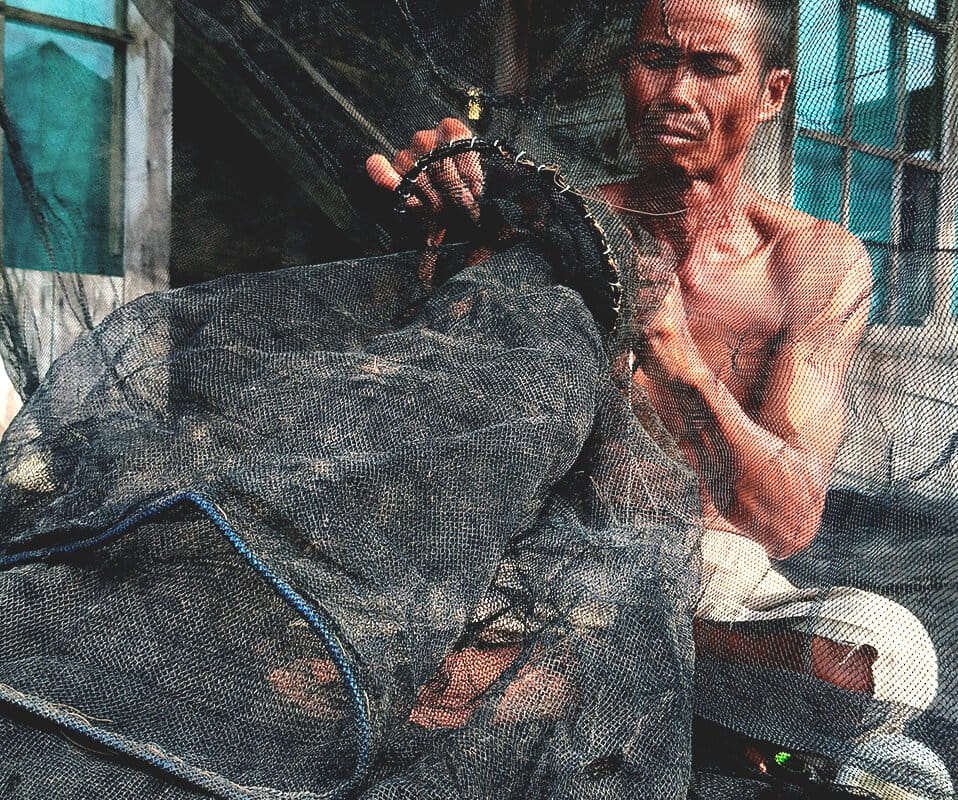
While the buffalo may be the most visible asset, the true backbone of the regional economy is the fishery. The wetlands of South Kalimantan are incredibly productive, teeming with native species such as the Haruan (snakehead fish), Nila (tilapia), and Papuyu (climbing perch). For the people of Hulu Sungai Utara, fishing is not just a source of food but a primary trade. The Haruan, in particular, is highly prized for its medicinal properties and is a staple of the South Kalimantan diet, often preserved through drying or fermentation to be sold in distant markets.
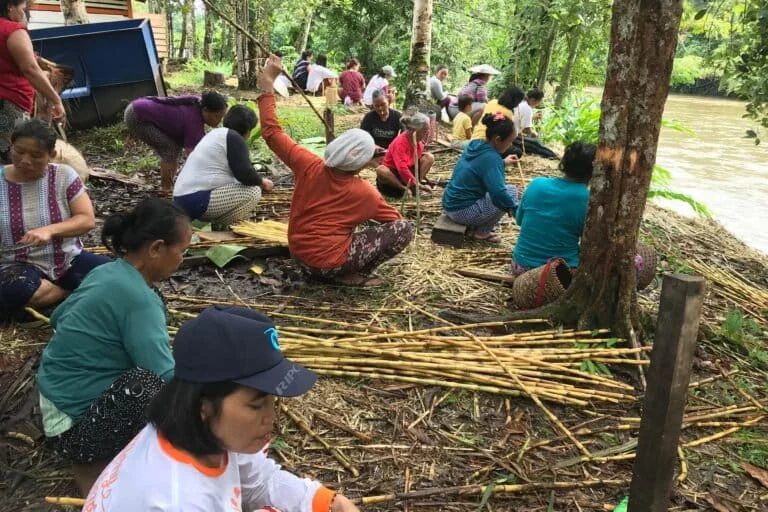
In addition to fishing, the community has mastered the use of "Purun," a hardy, reed-like plant that grows abundantly in the acidic soils of the swamp. Purun is harvested, dried, and pounded until flexible, then woven into a variety of products including mats, bags, and hats. This traditional craft provides a vital secondary income stream, particularly for women in the villages. The sustainability of the Purun industry is a prime example of how the community utilizes local biological resources without exhausting them, as the plant regrows quickly in the nutrient-rich mud.
Environmental Challenges and the Threat to Sustainability
Despite the resilience of the local culture, the wetlands of Hulu Sungai Utara are facing unprecedented modern pressures. One of the most significant challenges is the management of waste and sanitation. Because the communities live directly over the water, the disposal of household waste and sewage has historically been a direct discharge into the environment. While this was manageable when populations were small and products were biodegradable, the introduction of plastics and the increase in population density have led to significant pollution issues.
"Waste and sewage remain major hurdles if we wish to transform this area into a sustainable ecotourism destination," environmental observers note. The accumulation of plastic waste not only degrades the aesthetic value of the region but also threatens the health of the fish stocks upon which the community depends. Furthermore, the encroachment of large-scale land conversion for agriculture or plantations in surrounding areas threatens to disrupt the delicate hydrological balance of the swamps, potentially leading to more extreme flooding or prolonged droughts.
The Path Toward Ecotourism and Conservation
There is a growing recognition that the unique lifestyle of Danau Panggang and Paminggir holds immense potential for ecotourism. The "water village" experience, coupled with the spectacle of the swimming buffalo and the rich birdlife of the marshes, offers something truly unique on the global stage. However, as Nasrullah and other experts emphasize, the development of tourism must be handled with care. It requires a robust educational framework that encourages both locals and visitors to value and protect the natural environment.
For ecotourism to succeed, there must be a concerted effort to improve infrastructure—specifically in terms of waste management and clean water access—without destroying the authentic "stilt-house" character of the villages. By framing the wetlands as a valuable asset rather than a wasteland to be drained, the government and local communities can work together to ensure that this centuries-old culture survives for future generations.
Conclusion: A Living Laboratory of Human Resilience
The story of Hulu Sungai Utara is a powerful reminder of human adaptability. In an era where climate change and rising sea levels are forcing many global populations to reconsider their relationship with water, the people of Danau Panggang and Paminggir offer a blueprint for "living with the water" rather than fighting against it. Their culture, built on the backs of swimming buffalo and woven from the reeds of the marsh, is a testament to the fact that even the most challenging environments can become a home if one is willing to listen to the rhythm of the land.
As Indonesia continues to develop its vast peatlands and marshes, the lessons from these northern districts of South Kalimantan are more relevant than ever. Protecting these wetlands is not just an environmental necessity for carbon sequestration and biodiversity; it is a cultural imperative to preserve one of the most unique human heritages in Southeast Asia. The future of the Hadangan, the Haruan fish, and the Purun weavers depends on a delicate balance of modernization and traditional wisdom—a balance that the people of the swamps have been perfecting for hundreds of years.