Eko Sulistyo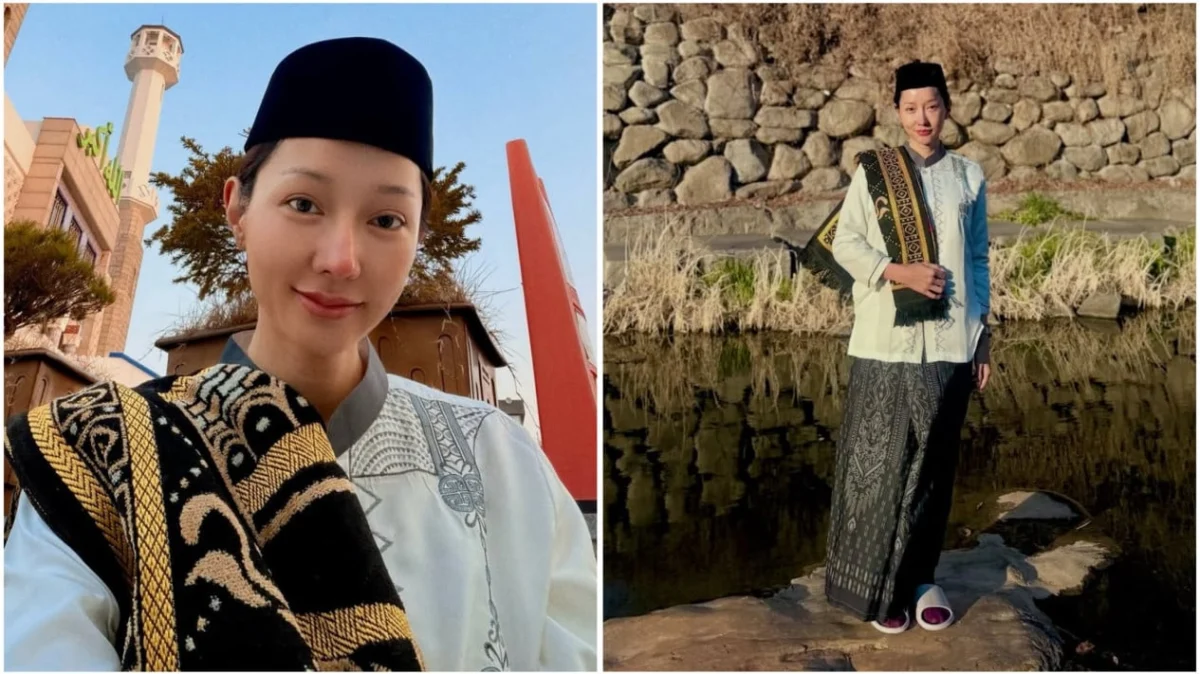
The Indonesian entertainment landscape in early 2026 continues to be dominated by the personal transformations of high-profile figures and the evolving consumption patterns of digital audiences. On Wednesday, March 25, 2026, two primary narratives captured the public’s attention: the controversial identity shift of Lucinta Luna and the viral discussion surrounding the physical appearance of Ahmad Assegaf, the former husband of prominent beauty influencer Tasya Farasya. These stories, alongside the burgeoning popularity of Chinese dramas (C-Dramas), reflect a broader cultural shift in how the Indonesian public engages with celebrity personas and international content.
The Evolution of Lucinta Luna: A Journey Back to Origins
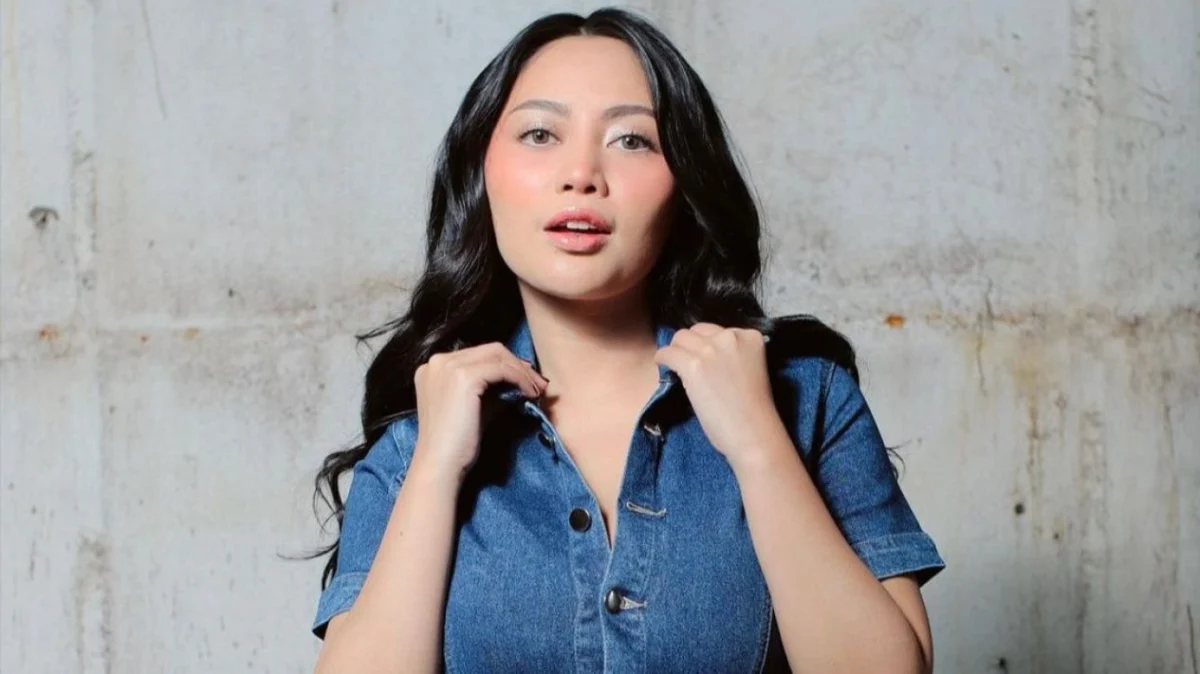
Lucinta Luna has long been a polarizing figure in the Indonesian showbiz industry. Known for her extensive cosmetic procedures and a public persona built on hyper-femininity, her recent announcement regarding a return to her original male identity has sparked significant debate. This transition first became a major talking point during the Eid al-Fitr celebrations of 2026. Luna, who had spent years cultivating a "Barbie-like" image, surprised followers by appearing in traditional male Muslim attire, including a peci (traditional cap) and a sarung.
This shift is not merely aesthetic but appears to be a profound attempt at rebranding or personal reconciliation. In her recent social media updates, Luna expressed a desire to return to her "nature" (kodrat), a term frequently used in Indonesian discourse to refer to biological or divinely ordained identity. However, the move has not been met with universal acclaim. Instead, Luna reported receiving a wave of criticism and "hate speech" from netizens who questioned the sincerity of her transition or mocked her past surgeries.
Chronology of Public Perception
- 2018–2020: Lucinta Luna rose to fame amidst intense speculation regarding her gender, which she initially denied.
- 2020: A legal case involving narcotics led to a court-sanctioned disclosure of her gender status change, confirming her transition from male to female in legal documents.
- 2021–2024: Luna underwent multiple "Face Off" surgeries and vocal cord procedures in South Korea, documenting the grueling recovery processes for her millions of followers.
- Early 2026: A sudden pivot toward "masculine" presentation began appearing on her social media feeds, culminating in the Eid 2026 appearance.
Luna’s plea for "support rather than judgment" highlights the precarious position of transgender individuals in the Indonesian public eye. While her journey is unique due to her celebrity status, it mirrors the broader societal tensions between traditional values and individual identity expression. Analysts suggest that Luna’s "return to nature" narrative may be an attempt to find peace within a conservative social framework, yet the backlash she faces suggests that for the public, the "celebrity" often overshadows the "human" experience.
Ahmad Assegaf and the "Influencer Spouse" Phenomenon
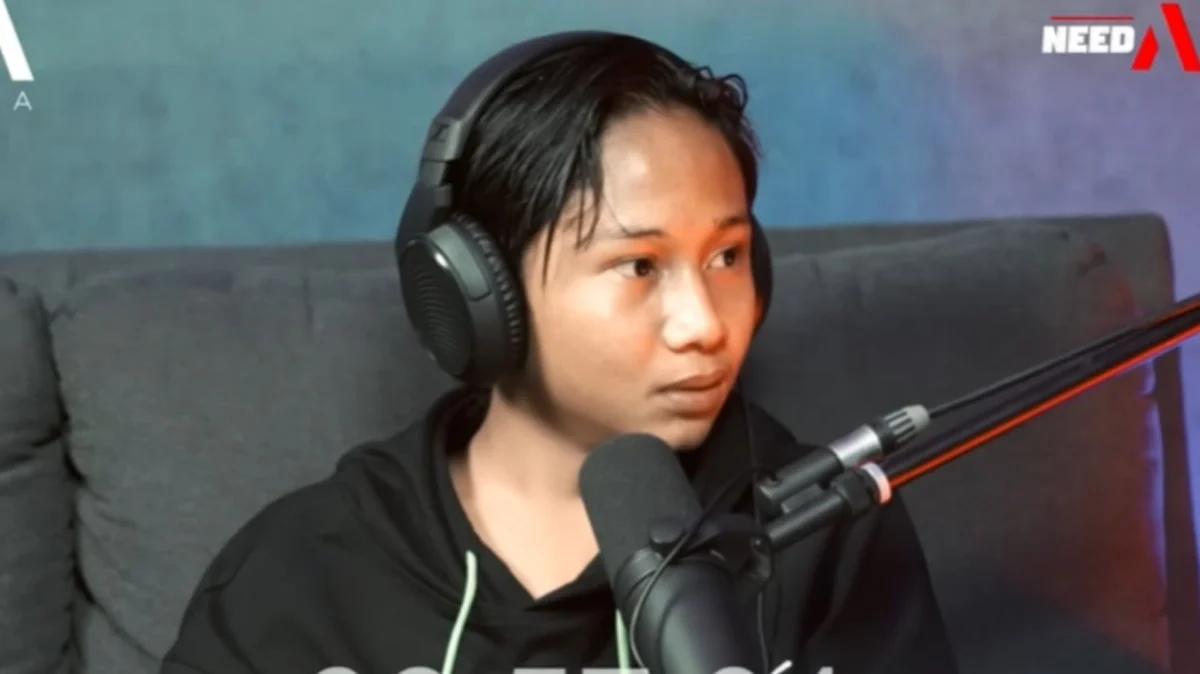
The second major trending topic involves Ahmad Assegaf, whose recent public appearances have led to a flurry of commentary regarding his physical state. Assegaf gained prominence through his high-profile marriage to Tasya Farasya, arguably Indonesia’s most influential beauty vlogger. Their 2018 wedding was a "royal-style" affair that set the standard for influencer nuptials in the country.
Following their separation, public interest in Assegaf has remained high, but the tone of the conversation has shifted. Recent photos shared across social media platforms have led netizens to label him as "less masculine" or "less groomed" than he appeared during his marriage. This phenomenon, often referred to by digital audiences as a "post-divorce glow-down," highlights the intense scrutiny faced by those associated with the beauty and lifestyle industry.
Analysis of the "Tasya Farasya Effect"
During his marriage to Farasya, Assegaf was frequently featured in high-definition content, often styled in premium fashion and appearing in meticulously curated settings. As a beauty influencer, Farasya’s brand is built on aesthetic perfection. Consequently, anyone within her immediate orbit—especially a spouse—is subjected to those same aesthetic standards.
The current public reaction to Assegaf’s "natural" look suggests a psychological disconnect. Netizens, accustomed to the filtered and polished version of Assegaf presented through Farasya’s lens, now view his independent, uncurated appearance as a decline in quality. This situation underscores the "influencer effect," where the spouse’s public value is often tied to the aesthetic brand of their partner.
The Rise of C-Drama: A New Era of Digital Consumption
While personal dramas dominate the headlines, a significant shift in entertainment consumption is occurring in the background. Chinese dramas, or C-Dramas (often referred to as Dracin in Indonesia), have seen a massive spike in viewership. This trend is driven by a combination of high production values, cultural similarities, and the aggressive expansion of streaming platforms like WeTV and iQIYI in Southeast Asia.
The viral success of these dramas is not accidental. In 2026, the industry has seen a move away from traditional "soap opera" tropes toward sophisticated storytelling in the Xianxia (fantasy) and Wuxia (martial arts) genres. Furthermore, modern romances produced in China are increasingly resonating with Indonesian youth due to their relatable depictions of urban life and career struggles.
Factors Contributing to C-Drama Popularity:
- Visual Excellence: Massive budgets allocated to cinematography and costume design.
- Chemistry and Casting: The "idol" culture in China mirrors the K-Pop/K-Drama model, creating a dedicated fan base for specific actors.
- Accessibility: Most major platforms now offer high-quality Indonesian dubbing and subtitling, removing the language barrier for older demographics.
- Variety of Genres: From "Generation to Generation" family sagas to intricate crime thrillers, the diversity of content ensures a wide reach.
As of March 2026, seven specific titles have been identified as "must-watch" for the holiday season, ranging from historical epics to lighthearted office romances. This diversification of the Indonesian "watch list" indicates that while Hollywood and South Korea remain dominant, the Chinese entertainment industry has successfully carved out a permanent and lucrative niche in the local market.
Broader Implications and Social Media Sentiment
The convergence of these three stories—Lucinta Luna’s identity crisis, Ahmad Assegaf’s public image, and the C-Drama wave—reveals several truths about Indonesian society in 2026.
Firstly, the "Netizen Culture" in Indonesia remains one of the most active and critical in the world. The speed with which a celebrity’s appearance or personal choice becomes a national "trending topic" is a testament to the country’s high digital engagement. However, this engagement often borders on cyberbullying, as seen in the cases of Luna and Assegaf. The demand for celebrities to maintain a certain "standard" of behavior or appearance is relentless.
Secondly, the entertainment industry is becoming increasingly globalized. The fact that Chinese dramas are trending alongside local celebrity news shows that Indonesian audiences are no longer siloed. They are consuming global narratives that influence their own standards of beauty, romance, and even morality.
Expert Statements and Theoretical Perspectives
Sociologists specializing in digital media suggest that the reaction to Lucinta Luna is a manifestation of "Collective Moral Policing." In a society where digital and religious identities are intertwined, the public feels a sense of ownership over the moral trajectory of public figures.
Regarding Ahmad Assegaf, marketing experts point to the "Brand Association" theory. "When a person is associated with a ‘luxury’ or ‘beauty’ brand like Tasya Farasya, their personal identity becomes an extension of that brand," says one industry analyst. "Once that association is severed, the public struggles to reconcile the ‘independent’ person with the ‘branded’ image they previously consumed."
Conclusion: The Interplay of Identity and Image
As March 2026 progresses, the narratives of Lucinta Luna and Ahmad Assegaf serve as a reminder of the volatility of fame in the digital age. Luna’s struggle for acceptance amidst a radical identity shift and Assegaf’s battle with public perception regarding his physical appearance are two sides of the same coin: the struggle to maintain a personal identity under the weight of public expectation.
Simultaneously, the shift toward C-Dramas signifies a more mature and varied entertainment palate among Indonesians. Whether it is through the lens of a historical fantasy from China or the real-life drama of a local celebrity, the audience’s hunger for "transformation" and "narrative" remains insatiable. These trending topics are more than just gossip; they are reflections of the evolving values, biases, and interests of a nation in transition.
For the showbiz industry, the lesson is clear: in 2026, the "story" is no longer just what happens on screen or in a music video. The story is the person behind the persona, and in the age of social media, that story is never entirely their own to tell.