Azin Asro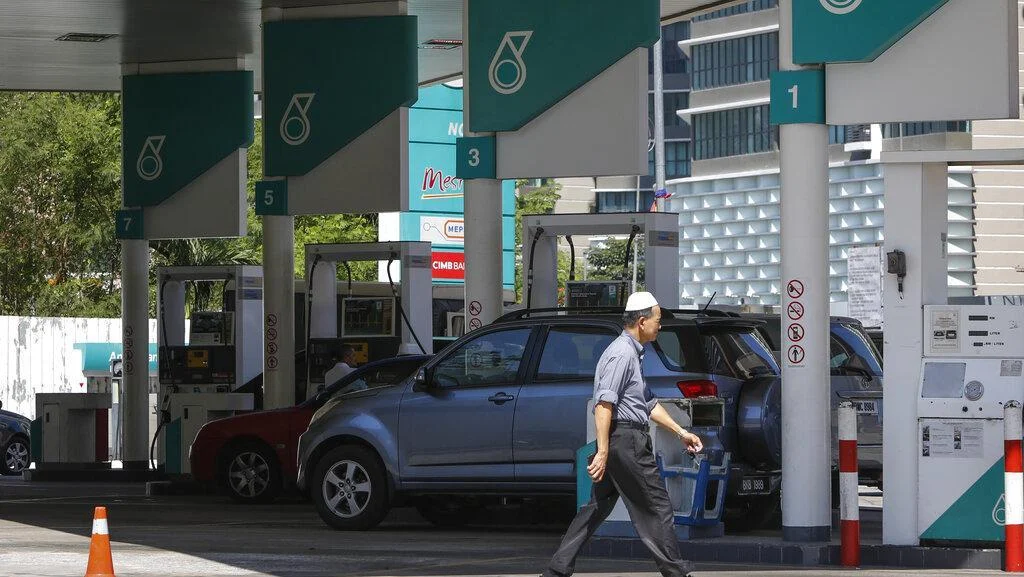
The Government of Malaysia has officially announced a significant shift in its domestic energy policy, confirming a new cap on the consumption of subsidized RON 95 petrol. Starting April 1, 2026, the monthly quota for subsidized RON 95 will be reduced from the current 300 liters per user to 200 liters. This strategic move is designed to mitigate the fiscal pressure caused by fluctuating global crude oil prices, which have seen marked volatility following escalating geopolitical tensions in the Middle East. Despite the reduction in the subsidized volume, the government has pledged to maintain the retail price of RON 95 at its current rate of RM 1.99 per liter (approximately Rp 8,411). Consumers who exceed the 200-liter monthly threshold will be required to pay the prevailing market price for any additional fuel consumed, marking a definitive transition toward a targeted subsidy framework.
The decision reflects a broader economic strategy aimed at balancing public welfare with fiscal responsibility. For years, Malaysia has maintained some of the lowest fuel prices in Southeast Asia through a blanket subsidy system. However, the rising cost of importing and refining fuel, coupled with the ringgit’s fluctuations against the US dollar, has made the existing model increasingly unsustainable. Projections suggest that without intervention, the national subsidy bill could surge to an estimated RM 24 billion within the current fiscal year. By implementing a cap rather than a total price hike, the administration aims to protect low-to-middle-income households while curbing excessive consumption and reducing the government’s overall financial burden.
Strategic Shift Toward Targeted Subsidies
The shift to a 200-liter limit represents a calculated middle ground in Malaysia’s long-term goal of subsidy rationalization. For decades, the Malaysian government has utilized a blanket subsidy model where every citizen, regardless of income level or vehicle type, benefited from subsidized RON 95. This system has often been criticized by economists for being regressive, as high-income individuals with multiple or high-consumption vehicles often derive more financial benefit from the subsidy than those in lower-income brackets.
Under the new directive, the government seeks to ensure that the "T20" (the top 20% of earners) and high-volume consumers contribute more to the national treasury by paying market rates once their quota is exhausted. This approach follows the successful, albeit controversial, rationalization of diesel subsidies in Peninsular Malaysia earlier in 2024. By setting the implementation date for April 2026, the government provides a two-year transition period for the public and businesses to adjust their consumption habits and for the necessary digital infrastructure—likely integrated with the Central Database Hub (PADU)—to be fully optimized for tracking individual fuel purchases.
Global Volatility and Fiscal Pressures
The primary catalyst for this policy adjustment is the instability of the global energy market. The ongoing conflict in the Middle East has created a "risk premium" on Brent crude, leading to unpredictable price spikes. As a net importer of refined petroleum products despite being a crude oil producer, Malaysia is highly sensitive to these global shifts. Every increase in the global oil price necessitates a corresponding increase in government spending to keep domestic pump prices at RM 1.99.
Mohd Sedek Jantan, the Director of Investment Strategy and State Economist at IPPFA Sdn Bhd, noted that the adjustment is a vital step toward fiscal health. While he acknowledged that a quota cap might not be the ultimate long-term solution compared to a full market-float system, he emphasized its necessity in the current climate. According to Jantan, the potential for the subsidy bill to hit RM 24 billion represents a significant fiscal risk that could hamper the government’s ability to fund other critical sectors such as healthcare, education, and infrastructure.
Impact on Consumers and the E-Hailing Sector
Data analysis suggests that the impact on the average Malaysian motorist may be manageable. Nazmi Idrus, Chief Economist at CGS International Securities Malaysia, pointed out that internal reports indicate approximately 90% of current consumers use less than 200 liters of petrol per month. This statistic suggests that the vast majority of the population will continue to enjoy the subsidized rate for their entire monthly usage, effectively shielding them from the direct impact of global price hikes.
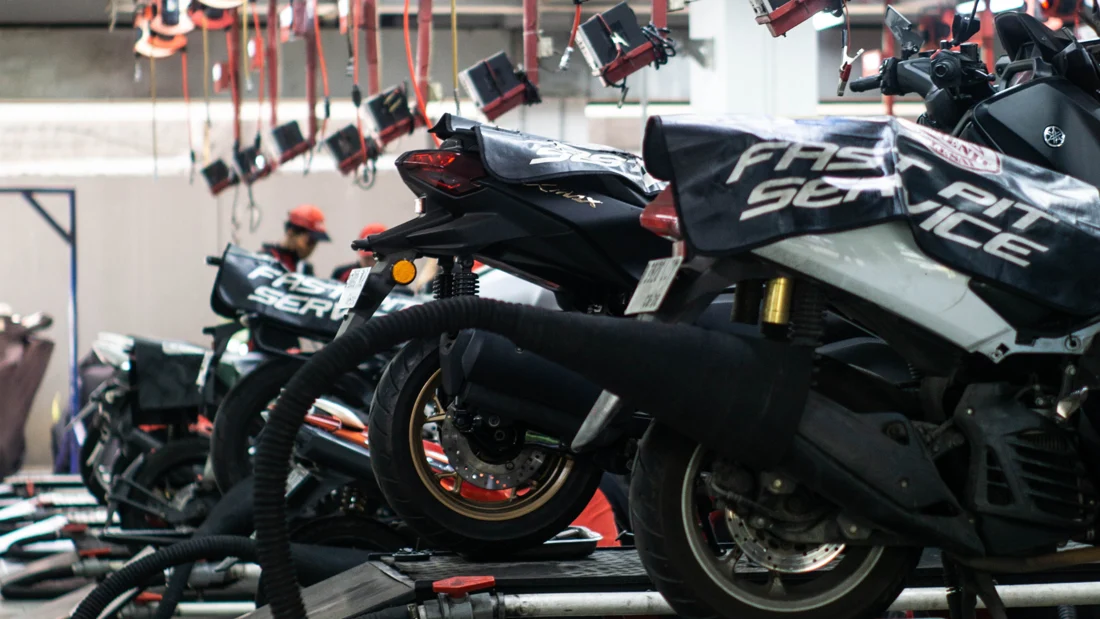
However, the government has recognized that certain sectors are more vulnerable to these changes. The "gig economy," particularly the e-hailing and delivery sectors, relies heavily on affordable fuel to maintain operational viability. To address this, Prime Minister Anwar Ibrahim has confirmed that eligible e-hailing drivers will be granted a significantly higher quota. Qualified drivers will be allowed up to 800 liters of subsidized RON 95 per month. This exemption is intended to prevent a surge in transportation costs for the public and to protect the livelihoods of hundreds of thousands of drivers who form the backbone of Malaysia’s urban mobility.
Regional Variations: Diesel Regulations in East Malaysia
While the RON 95 cap is a nationwide concern, the government has also introduced specific measures for diesel in the states of Sabah and Sarawak. In East Malaysia, the retail price for diesel remains fixed at RM 2.15 per liter (approximately Rp 9,089). However, to combat the chronic issues of fuel smuggling and "leakages" across international borders, the Ministry of Domestic Trade and Cost of Living has introduced strict purchase limits.
Under these temporary restrictions, private vehicles and light commercial vehicles in East Malaysia are limited to 50 liters of diesel per purchase. Public transport vehicles and goods vehicles weighing under three tons are restricted to 100 liters per transaction. For heavy-duty vehicles exceeding three tons, the limit is set at 150 liters per purchase. These measures are designed to prevent the illicit siphoning of subsidized fuel into neighboring countries or industrial sectors that are not entitled to subsidized rates. By limiting the volume per transaction, authorities hope to make large-scale smuggling operations logistically difficult and more easily detectable by law enforcement.
Timeline and Chronology of Subsidy Reform
The journey toward the 2026 RON 95 cap is part of a multi-year roadmap:
- Early 2023: The Malaysian government begins discussions on the "Madani" economic framework, emphasizing the need for targeted rather than blanket subsidies.
- January 2024: Launch of the PADU database to consolidate socioeconomic data, intended to identify citizens eligible for various forms of government assistance.
- June 2024: Diesel subsidy rationalization begins in Peninsular Malaysia, moving the price from RM 2.15 to market rates (initially RM 3.35), accompanied by cash assistance for eligible vehicle owners.
- Late 2024: Announcement of the upcoming RON 95 quota system to allow for public feedback and technical preparation.
- April 1, 2026: Official commencement of the 200-liter monthly limit for subsidized RON 95 petrol.
This timeline demonstrates a cautious approach by the Anwar Ibrahim administration, seeking to avoid the "shock therapy" of sudden price hikes that have historically led to civil unrest in other nations.
Expert Analysis and Economic Implications
The transition to a quota-based system for RON 95 is expected to have several long-term implications for the Malaysian economy. Firstly, it provides a strong incentive for the adoption of more fuel-efficient vehicles and Electric Vehicles (EVs). As the 200-liter limit approaches, consumers may begin to favor hybrid models or smaller engine displacements to stay within their subsidized allowance.
Economically, the move is expected to improve Malaysia’s credit rating outlook. International rating agencies such as Moody’s and S&P have frequently highlighted Malaysia’s heavy subsidy burden as a point of concern for its sovereign debt profile. By demonstrating a concrete plan to reduce this expenditure, the government signals its commitment to fiscal discipline.
Furthermore, the "dual-pricing" mechanism—where one pays RM 1.99 for the first 200 liters and market price thereafter—will require a robust technological solution at the pump. It is anticipated that Malaysian ICs (MyKad) or specialized digital apps will be linked to petrol pumps to track real-time consumption. This technological leap could set a precedent for how other nations manage resources in an era of digital governance.
Addressing Inflation and Cost of Living
One of the primary concerns regarding any fuel subsidy adjustment is the potential for "cost-push inflation." When fuel prices rise, the cost of transporting goods increases, which is often passed on to the consumer in the form of higher food and retail prices. By maintaining the RM 1.99 price for the first 200 liters, the government is effectively keeping the "baseline" cost of living stable for the majority of the population.
The decision to provide e-hailing drivers with 800 liters is a strategic move to neutralize inflationary pressure in the service sector. By ensuring that delivery and transport costs do not skyrocket, the government hopes to maintain consumer spending power, which is a vital driver of Malaysia’s GDP growth.
Conclusion
The announcement of the April 2026 fuel subsidy cap marks a pivotal moment in Malaysia’s economic history. It represents a shift from a populist blanket subsidy model to a pragmatic, data-driven targeted system. While the move is driven by the harsh realities of global oil markets and fiscal deficits, the government’s approach appears to be one of "compassionate rationalization"—protecting the vulnerable while demanding more from high-volume users. As the 2026 deadline approaches, the success of this policy will depend on the seamless integration of tracking technology and the government’s ability to communicate the long-term benefits of fiscal sustainability to a public sensitive to the cost of living. For now, Malaysia stands as a regional case study in the complex art of reforming energy subsidies without compromising social stability.