Lusiana Hamidun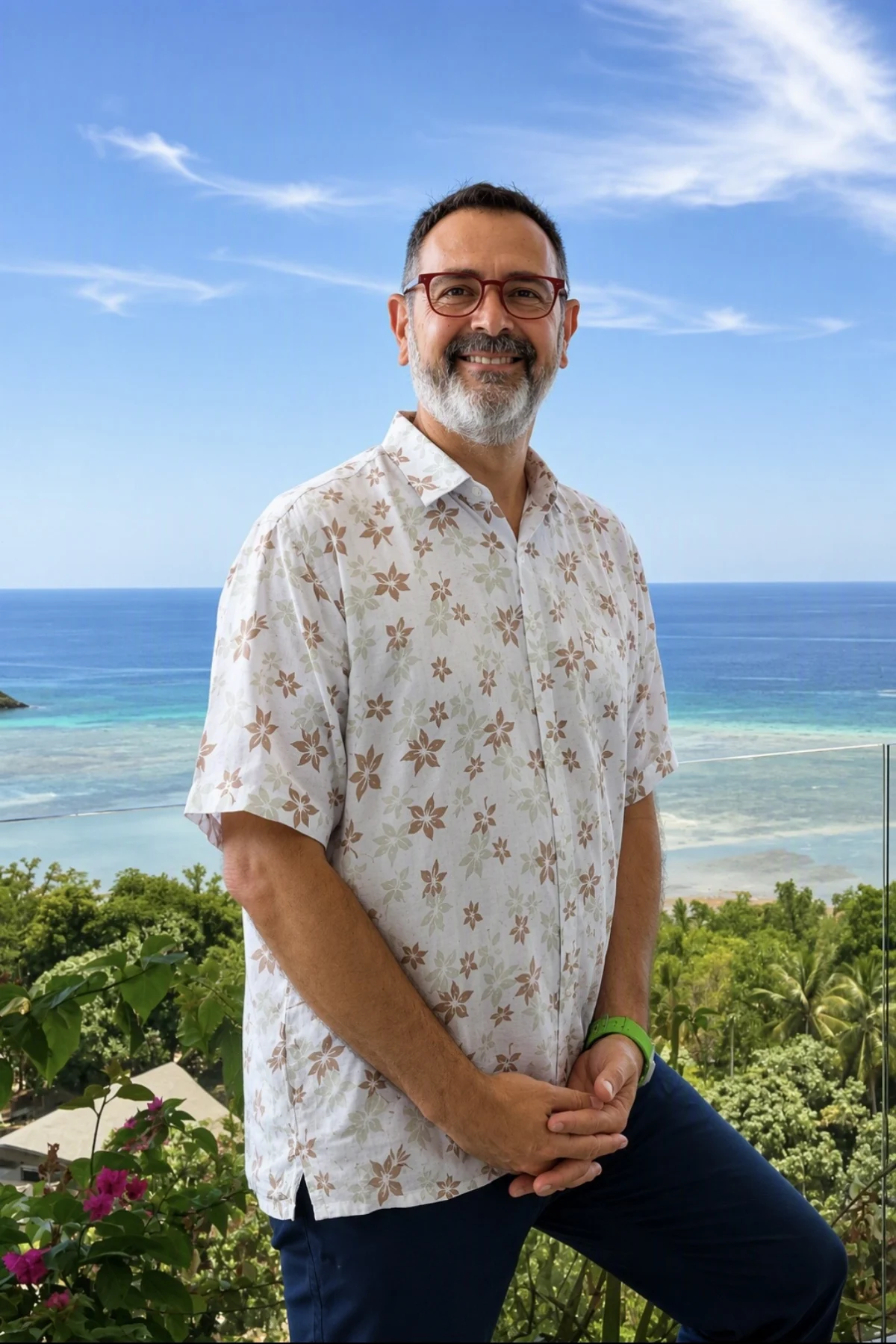
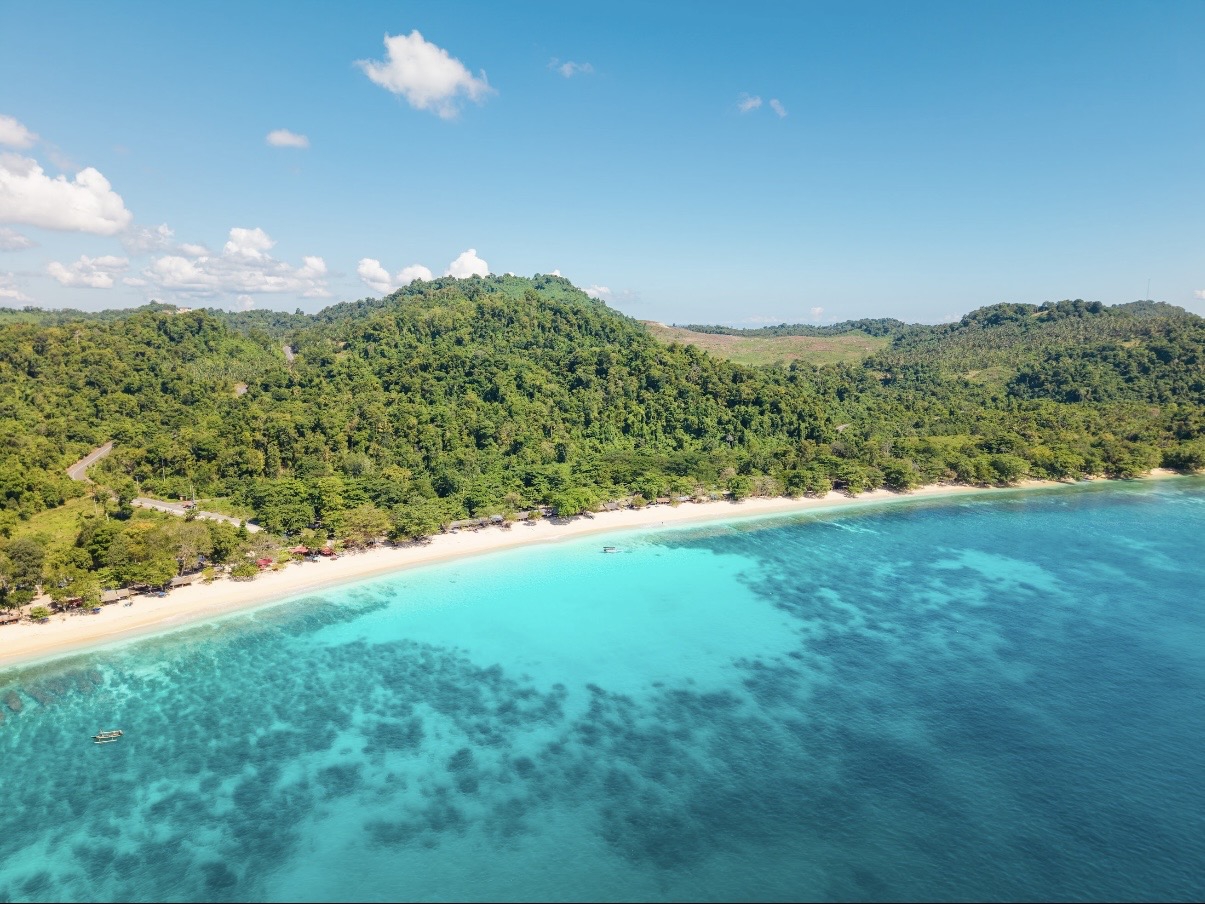
Sulawesi Utara is poised to undergo a significant transformation in its tourism landscape as it prepares to welcome the Manado Marriott Resort & Spa. Scheduled to commence operations in the fourth quarter of 2026, this landmark project marks the debut of the first international beach resort in the region. Located in the pristine enclave of Paputungan, Likupang—a designated Super Priority Tourism Destination by the Indonesian government—the resort is expected to elevate the area’s profile on the global travel map.
The development of the Manado Marriott Resort & Spa is not merely the construction of a hotel; it represents a strategic pivot in Indonesia’s tourism infrastructure. For decades, Sulawesi Utara has been synonymous with the Bunaken National Marine Park, a sanctuary for marine biodiversity. However, the region has often lacked the high-end, internationally branded accommodation necessary to attract a broader demographic of luxury travelers. The arrival of the Marriott brand is widely viewed as a catalyst for sustained economic growth and tourism investment in the Northern Sulawesi corridor.
Strategic Location and Connectivity
Accessibility remains a cornerstone of the resort’s value proposition. Situated approximately 50 kilometers from the provincial capital of Manado and a one-hour drive from the Sam Ratulangi International Airport, the resort offers a balance between seclusion and connectivity. This location serves as an ideal base for travelers looking to traverse the delicate geography of the region, which includes a blend of volcanic highlands, tropical rainforests, and the world-renowned Coral Triangle.
The choice of Likupang for such a substantial investment is rooted in its status as a "Super Priority" zone. Since the Indonesian Ministry of Tourism and Creative Economy identified Likupang as a key area for development, the government has focused on improving infrastructure, including road networks and utility access, to support high-value tourism. The resort will serve as the primary anchor for these efforts, providing the necessary capacity to accommodate large-scale international events, luxury travelers, and corporate retreats.
A New Standard in Luxury Hospitality
The property is designed to be an architectural homage to the cultural and natural environment of Northern Sulawesi. Spanning a significant footprint, the resort will offer 344 rooms, suites, and private villas. The aesthetic approach, described as "coastal modern," utilizes natural textures and materials that harmonize with the surrounding landscape.
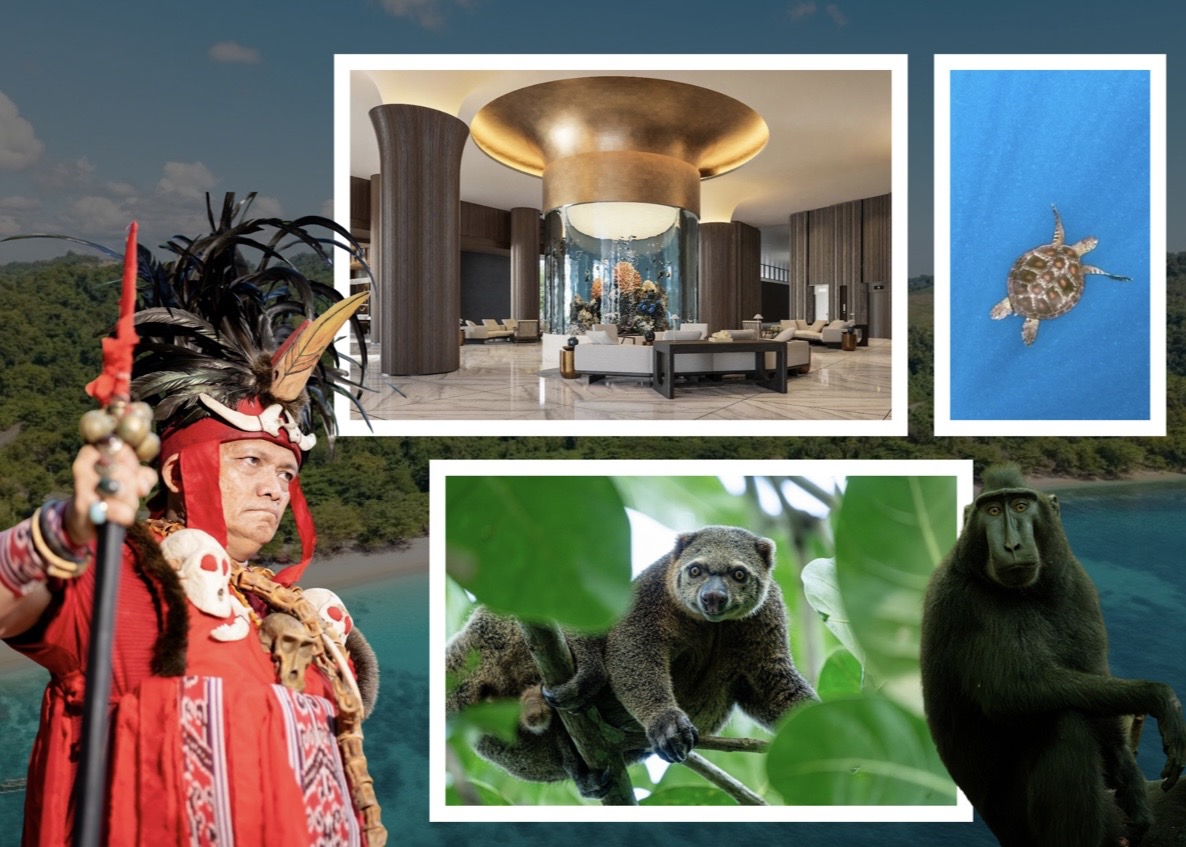
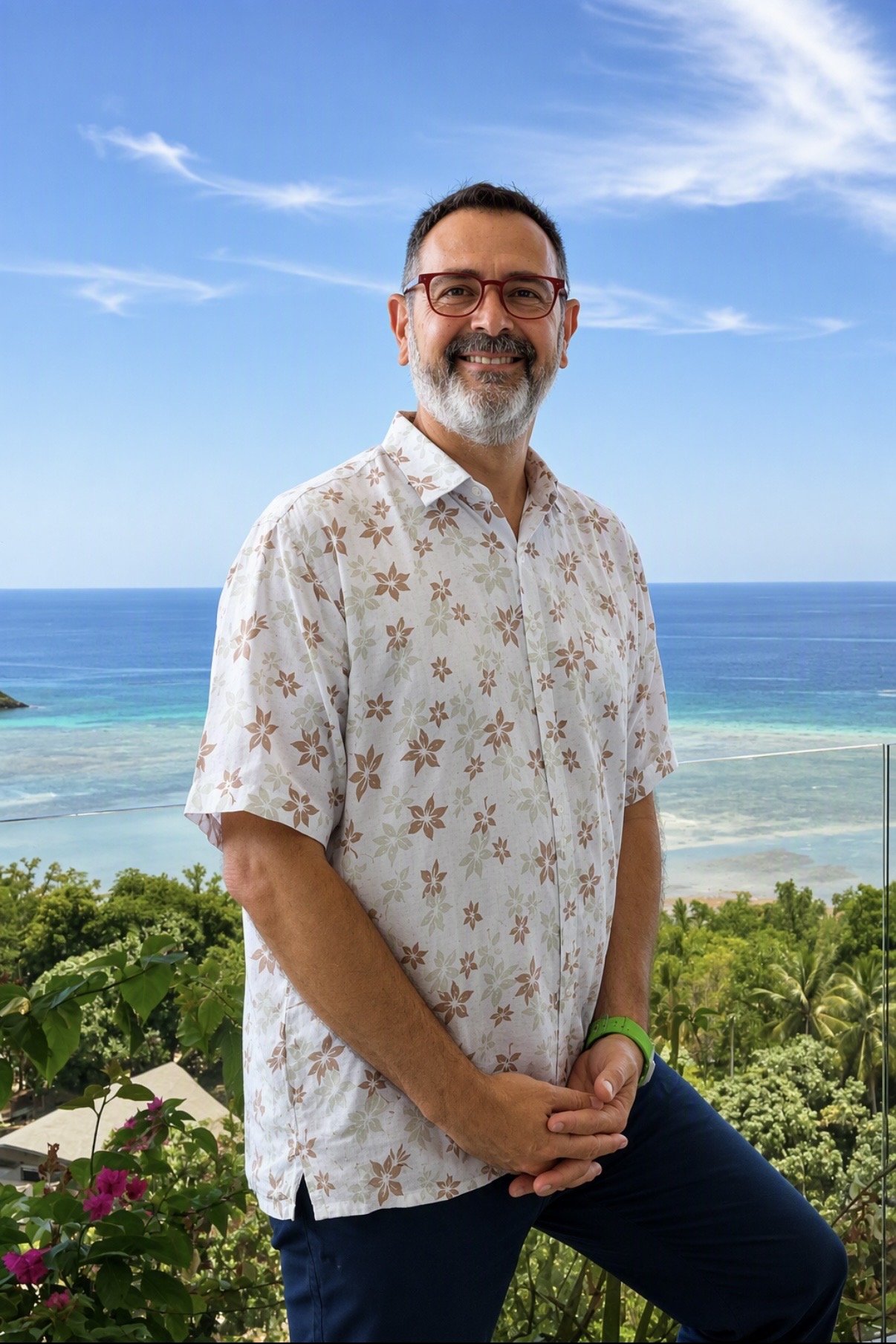
According to Oriol Marquez, the General Manager of the Manado Marriott Resort & Spa, the objective is to create an immersive experience rather than just a lodging facility. "Sulawesi Utara is one of the most extraordinary yet still largely underexplored destinations in Indonesia," Marquez noted. He emphasized that the resort seeks to bridge the gap between high-end international standards and the local heritage, providing guests with a gateway to authentic Minahasan traditions, from the energetic Kabasaran dance to the region’s complex, spice-heavy culinary heritage.
The Ecological Significance of the Coral Triangle
The resort’s proximity to the Coral Triangle—often referred to as the "Amazon of the Seas"—is its most significant natural asset. The Bunaken National Marine Park, accessible from the resort’s coastal position, is home to a staggering array of biodiversity. With vertical coral walls plunging to depths of 50 meters and sightings of green sea turtles, reef sharks, and myriad species of tropical fish, the area is a primary draw for the global diving community.
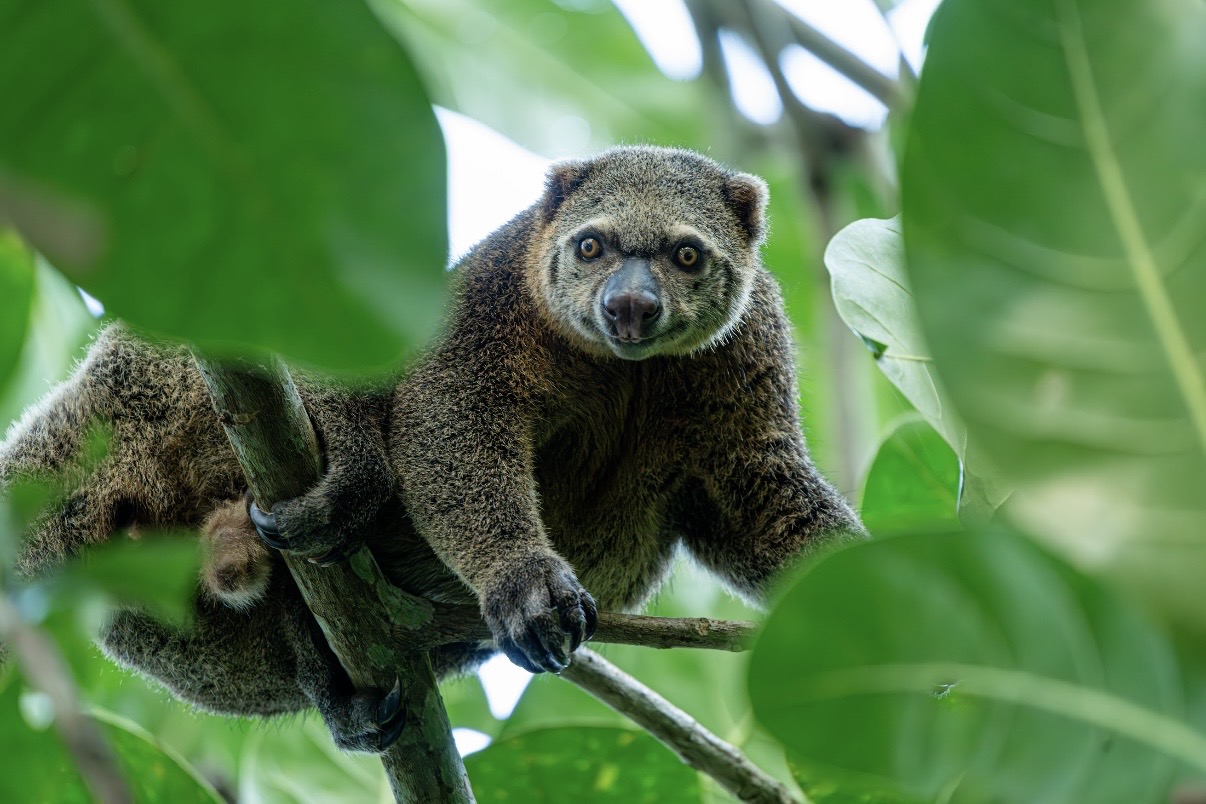
Beyond the underwater world, the resort aims to offer land-based excursions that highlight the region’s biodiversity and cultural depth. This includes curated treks, visits to local markets, and engagement with community-led craft initiatives. By integrating these local experiences, the resort is attempting to move away from the "enclave" model of luxury, instead positioning itself as a hub that drives revenue into the local economy.
Economic and Societal Implications
The impact of a project of this scale extends far beyond the hospitality sector. The construction and subsequent operation of a 344-room international resort require a massive labor force, providing a significant boost to local employment. Training programs focused on service excellence, culinary arts, and hotel management are expected to raise the baseline for hospitality standards in the province.
From an analytical perspective, the entry of Marriott International into Likupang serves as a "seal of approval" for other international investors. When a major global chain commits to a destination, it signals that the market is mature enough for high-end investment. This often triggers a "multiplier effect," where secondary businesses—such as tour operators, boutique retail, and specialized logistics—begin to flourish in the surrounding areas.
Addressing Challenges and Sustainability
As with any major development in a pristine ecosystem, sustainability remains a critical concern. The project is being monitored closely by environmental watchdogs and regional planners to ensure that the increased foot traffic does not degrade the very assets that make Likupang attractive. The integration of modern waste management, energy-efficient building technologies, and community-benefit agreements will be essential for the project’s long-term viability.
The resort’s design, which emphasizes a connection with the local environment, is expected to adhere to international standards of sustainability. As global travelers become increasingly eco-conscious, the resort must demonstrate that it can host large numbers of visitors while maintaining the ecological integrity of the coastline and the surrounding marine habitats.
A Timeline of Development
The trajectory of this project aligns with the broader national strategy for the post-pandemic recovery of the Indonesian tourism sector.
- Initial Planning Phase: Following the government’s declaration of Likupang as a Super Priority Destination, land acquisition and environmental impact assessments were conducted between 2021 and 2023.
- Construction Phase: Ongoing through 2025, focusing on structural development, interior fit-outs, and the recruitment of local talent.
- Pre-Opening Phase: Scheduled for mid-2026, involving staff training, final quality assurance, and promotional campaigns targeting both the domestic and international markets.
- Operational Launch: The fourth quarter of 2026, marking the commencement of guest services and the official inclusion of the property into the global Marriott portfolio.
The Future of Sulawesi Tourism
The addition of the Manado Marriott Resort & Spa is a turning point for the Indonesian tourism industry. While Bali has historically been the primary destination for international arrivals, the diversification of tourism to regions like Northern Sulawesi is a strategic necessity for the country. By distributing the economic benefits of tourism more broadly across the archipelago, Indonesia can reduce the pressure on existing hotspots while developing new, sustainable destinations.

The success of this resort will likely be measured by its ability to maintain its "first-mover" advantage while fostering a collaborative relationship with the local community. If the Manado Marriott succeeds in balancing high-end luxury with genuine cultural and environmental stewardship, it could provide a blueprint for future developments in other emerging regions across Indonesia.
As the 2026 opening date approaches, the eyes of the regional tourism sector are firmly fixed on Likupang. The development stands as a testament to the untapped potential of Sulawesi Utara and the shifting preferences of the modern traveler, who increasingly seeks a combination of remote exploration, luxury comfort, and cultural immersion. In the coming years, as the resort begins to welcome its first guests, the world will be watching to see if this ambitious project can indeed redefine the standard for luxury travel in Northern Indonesia.