Nila Kartika Wati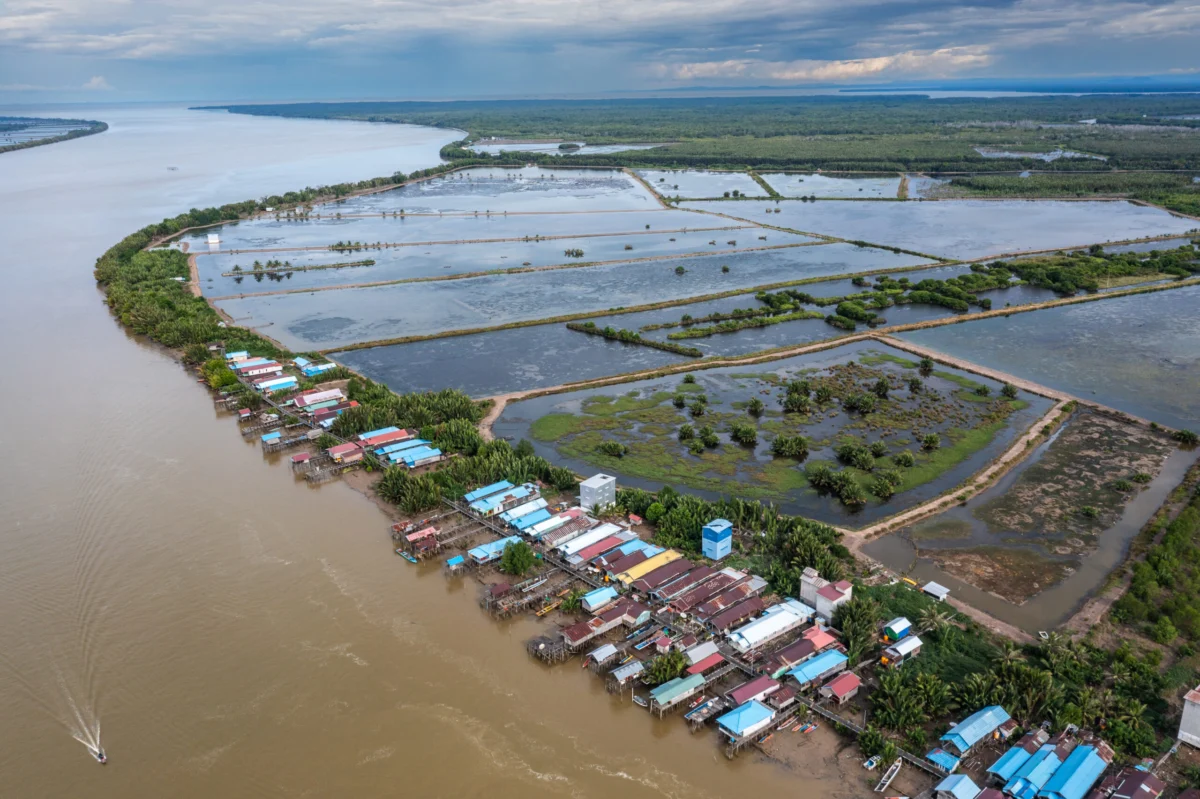
The coastal landscape of Berau Regency in East Kalimantan serves as a vital ecological frontier where the intricate root systems of mangrove forests reach into brackish waters, creating a sanctuary for biodiversity. These forests are far more than a scenic backdrop; they function as the primary nurseries for fish, shrimp, and various marine organisms that underpin the local food supply and economy. Within the province of East Kalimantan, Berau stands out as the most significant stronghold for this ecosystem, harboring approximately 86,000 hectares of mangrove forest—the largest extent among the province’s nine regencies and cities. This vast green belt, often referred to as the "fortress of Bumi Mulawarman," plays a critical role in maintaining the ecological balance of the region.
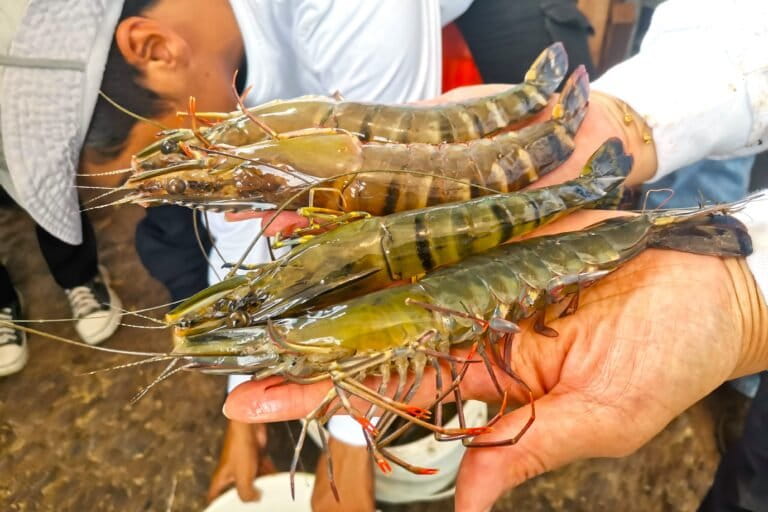
However, the integrity of this ecosystem has faced significant pressure over the last several decades. Driven by economic necessity and the global demand for seafood, large swaths of mangrove forests were cleared to make way for traditional aquaculture ponds (tambak) and human settlements. Local communities, seeking immediate financial returns through the cultivation of tiger shrimp and milkfish, began altering the coastline as early as the late 1990s. While these activities initially provided a livelihood, the long-term environmental consequences—including decreased pond productivity and the loss of natural coastal protection—eventually forced a reevaluation of traditional land-use practices.
The Historical Context of Mangrove Conversion in Berau
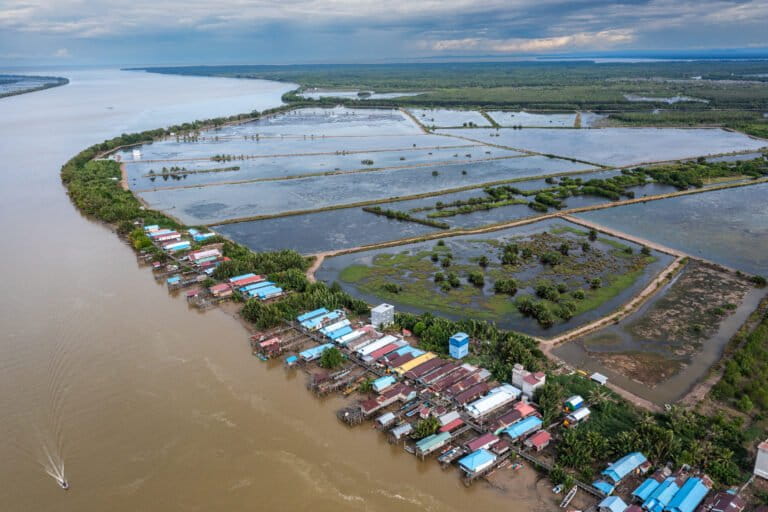
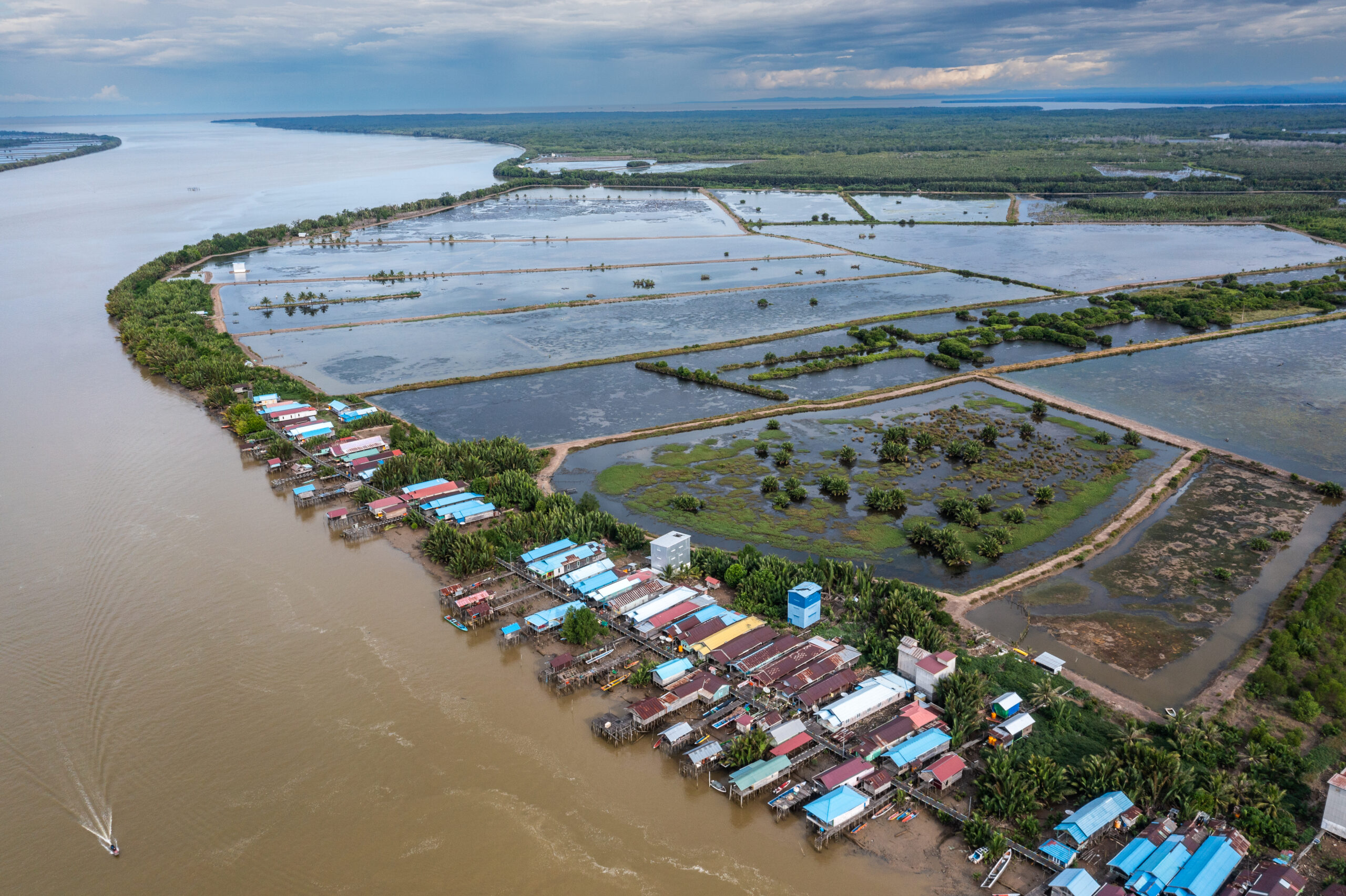
The transformation of Berau’s coastline gained significant momentum around 1998, particularly in areas like Kampung Pegat Betumbuk. Abdurahman, a local farmer, recalls that this period marked the beginning of Pegat Betumbuk’s reputation as a primary shrimp-producing hub. While the economic boom was welcome, it came at a steep environmental cost. By 2019, data indicated that approximately 11,237 hectares, or about 13% of Berau’s total mangrove cover, had been converted into aquaculture ponds.
As the years progressed, the limitations of this "slash-and-burn" approach to aquaculture became apparent. Farmers noticed that without the surrounding mangrove forest to filter water and provide biological stability, their ponds became increasingly susceptible to disease and fluctuating yields. The degradation of the ecosystem also meant the loss of natural barriers against coastal erosion and storm surges. This realization has sparked a gradual shift in the community’s mindset, moving away from expansion and toward the restoration of ecological functions that support long-term sustainability.
The Shrimp-Carbon Aquaculture (SECURE) Initiative
To address the dual challenge of economic development and environmental preservation, several innovative programs have been introduced. One of the most prominent is the Shrimp-Carbon Aquaculture (SECURE) program, an initiative spearheaded by the Yayasan Konservasi Alam Nusantara (YKAN) with support from the UK Government’s Darwin Initiative. This program targets several key coastal villages, including Pegat Betumbuk, Teluk Semanting, Suaran, Karangan, and Tabalar Muara.
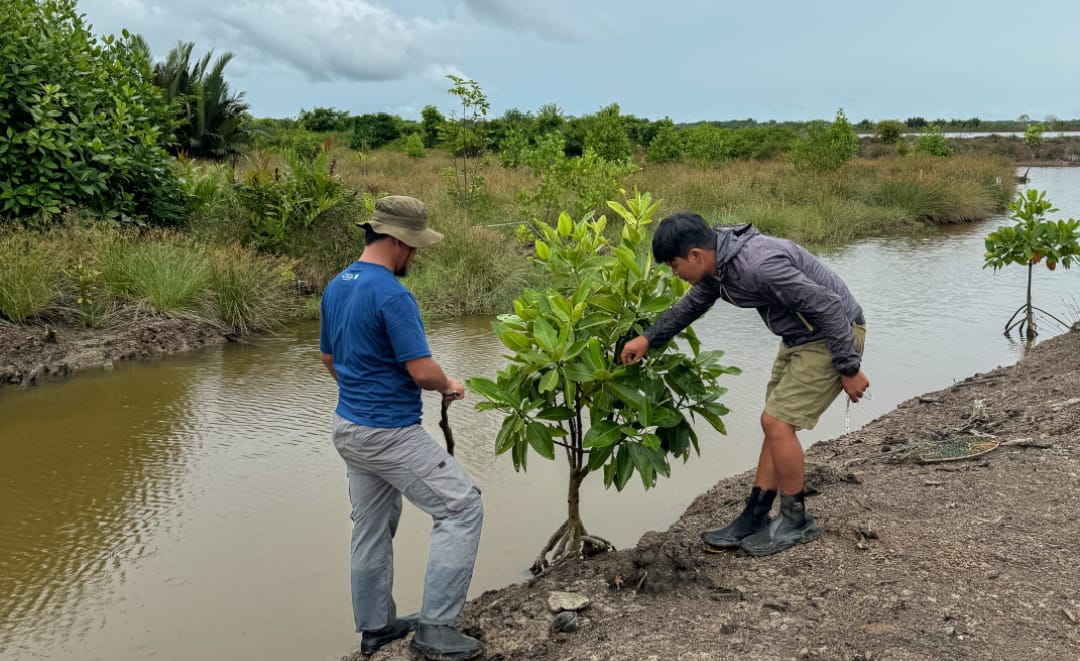
The SECURE model introduces a hybrid approach to coastal management. Rather than demanding that farmers abandon their ponds, the program encourages a redesign of existing aquaculture infrastructure. Under this framework, a significant portion of the pond area—ranging from 50% to 80%—is returned to its natural state as a mangrove forest, while the remaining area is optimized for high-intensity, sustainable aquaculture.
Gunawan Wibisono, Policy and External Affairs Senior Specialist at YKAN, emphasizes that the goal is to increase coastal resilience without compromising the livelihoods of the people. By integrating mangroves back into the pond landscape, the ecosystem’s natural filtration and nursery functions are restored. Furthermore, the program introduces improved shrimp seed (post-larvae) management techniques. By utilizing better nursery practices, farmers can significantly reduce early-stage mortality rates, leading to higher survival and productivity.
The results of this approach have been tangible. Between 2022 and 2025, data showed that average household incomes in participating villages rose by nearly 50%. Specifically, for those engaged in the SECURE aquaculture model, income increased by approximately 12%. This growth was driven by the reactivation of previously unproductive ponds and the diversification of income streams, including ecotourism and the development of value-added processed seafood products.
The Scientific Link Between Mangroves and Food Security
The importance of Berau’s mangroves extends beyond the immediate income of shrimp farmers; it is a cornerstone of regional food security. A landmark study published in The Lancet Planetary Health in 2023, titled "Quantifying the contribution of mangroves to local fish consumption in Indonesia: a cross-sectional spatial analysis," provides empirical evidence for this connection. The research was a collaborative effort involving the Center for International Forestry Research and World Agroforestry (CIFOR-ICRAF) Indonesia, the University of Kent, and Charles Darwin University.
The study analyzed data from 6,741 villages and 107,486 households across Indonesia, including Kalimantan. The findings were striking: coastal households living near mangroves with moderate to high density consumed 19% to 28% more fresh fish than those living far from such ecosystems. Furthermore, these households showed a 13% to 22% higher intake of animal protein overall.
Mulia Nurhasan, a lead researcher from CIFOR-ICRAF, noted that mangroves play a non-negotiable role in the nutrition of coastal populations. The forest provides a consistent, "free" source of protein that acts as a safety net for the poorest families. Michael Brown, another researcher involved in the study, pointed out that while local communities are often the most diligent guardians of these forests, the burden of conservation should be shared by the government and global stakeholders, given the international importance of these "blue carbon" sinks.
The Economic Valuation of Conservation vs. Conversion
For decades, the argument for converting mangroves to aquaculture or oil palm plantations was rooted in the perceived higher economic value of those industries. However, recent economic analyses challenge this narrative. A study by Yuki Yamamoto of Nagasaki University, published in the Journal of Environmental Economics and Management, calculated the potential economic value of mangrove conservation in Indonesia regarding its contribution to fishery production.
The study, titled "Living under ecosystem degradation: Evidence from the mangrove–fishery linkage in Indonesia," estimated that the value of intact mangroves for supporting fisheries could reach as high as US$22,861 (approximately Rp363 million) per hectare per year. When compared to the long-term costs of land degradation and the volatile returns of traditional aquaculture, conservation emerges as the more cost-effective and sustainable land-use strategy. This valuation accounts for the "spillover effect," where healthy mangroves replenish offshore fish stocks, benefiting the broader commercial fishing industry far beyond the immediate coastline.
Capacity Building and the ‘Mangrove to Market’ Strategy
To ensure that conservation efforts are self-sustaining, YKAN and the Berau Regency government have focused on the "dissemination of knowledge." Through the Solutions for Marine and Coastal Resilience in the Coral Triangle (Somacore) program, local residents—particularly women’s groups—are being trained in sustainable management practices.
The training curriculum consists of 15 modules, ranging from ecosystem mapping and restoration techniques to business planning and market access. This "Mangrove to Market" approach aims to create a circular economy where the protection of the forest directly enhances the value of the products harvested from it. Kiki Anggraini, Senior Manager of Blue Economy at YKAN, explains that when communities possess the skills to develop high-quality, sustainable products, they are less likely to engage in destructive land-clearing practices.
The involvement of women has been particularly transformative. In villages like Tabalar Muara and Buyung-Buyung, women’s collectives are now producing processed goods such as mangrove-based snacks and specialized shrimp products that command higher prices in urban markets. This diversification provides a financial buffer during periods when aquaculture yields might be low.
Regional Impact and Export Potential
The success of these integrated management strategies is reflected in Berau’s trade statistics. Abdul Majid, the Head of the Berau Fisheries Department, noted that the regency’s commitment to quality and sustainability is paying off in the international market. In 2025 alone, Berau exported 55.9 tons of fishery products, including frozen shrimp, mud crabs, and frozen silver pomfret. Kampung Pegat Betumbuk remains a primary contributor to these export volumes.
Furthermore, the regency has established a robust market for live grouper. In 2024, approximately 120 tons of live grouper were shipped from Berau to Hong Kong via sea routes. The primary export destinations for Berau’s seafood now include high-value markets in Singapore, Thailand, and Shanghai.
The Berau government has reiterated its support for these initiatives, recognizing that the future of the regency’s economy depends on its ability to balance industrial output with ecological health. By positioning Berau as a leader in sustainable "blue economy" practices, the local administration hopes to attract further international investment in carbon credit programs and sustainable tourism.
Implications for Global Climate and Biodiversity Goals
The efforts in Berau serve as a micro-model for global climate mitigation strategies. Mangroves are among the most carbon-dense ecosystems on Earth, capable of sequestering up to four times more carbon than terrestrial tropical forests. As Indonesia seeks to meet its Nationally Determined Contributions (NDCs) under the Paris Agreement, the restoration and protection of Berau’s 86,000 hectares of mangroves represent a significant contribution to the country’s carbon sequestration targets.
Moreover, as part of the Coral Triangle—the global epicenter of marine biodiversity—Berau’s coastal health has implications for the entire Indo-Pacific region. The "SECURE" aquaculture model proves that economic development does not have to come at the expense of the environment. Instead, by integrating ecological restoration with modern, efficient farming techniques, Berau is demonstrating a pathway toward a "blue future" where both nature and humanity can thrive in tandem.
The transition from exploitative land use to regenerative management in Berau is not yet complete, and challenges remain, particularly regarding land-use policy and the enforcement of conservation zones. However, the alignment of scientific evidence, community buy-in, and international support suggests that the "fortress of Bumi Mulawarman" is being rebuilt—not with walls, but with roots.