Tyo Susilo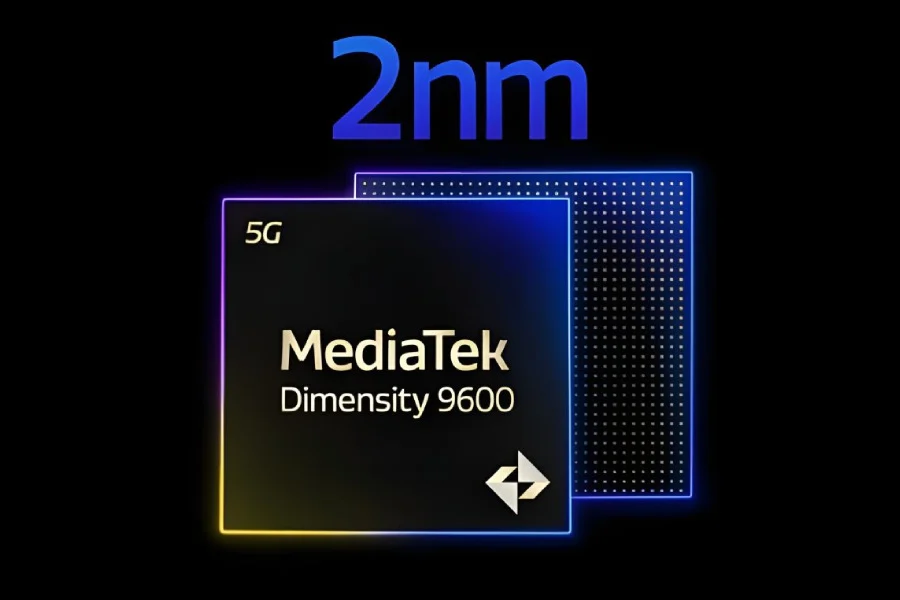
Whispers of MediaTek’s next-generation flagship System-on-Chip (SoC), the Dimensity 9600, have begun to surface, painting a picture of a significant leap in performance and architectural innovation. The most striking revelation from early leaks suggests MediaTek will embrace a dual prime core CPU layout for the first time in its high-end mobile silicon, a move that could redefine flagship smartphone capabilities. This architectural shift, combined with the anticipated adoption of TSMC’s cutting-edge 2nm process node, positions the Dimensity 9600 as a formidable contender in the fiercely competitive mobile processor market.
Unveiling the Dual Prime Core Architecture
The leaked information, primarily attributed to prominent tech leaker Digital Chat Station, indicates that the Dimensity 9600 will deviate from MediaTek’s previous flagship configurations. Instead of a single primary core, the new SoC is expected to adopt a novel CPU layout described as "2+3+3." This configuration translates to two ultra-high-performance "prime" cores, complemented by three additional high-performance cores and three efficiency cores. This arrangement is a departure from the Dimensity 9500, which reportedly utilized a 1+3+4 core layout, featuring a single Arm Cortex-X Ultra core clocked at an impressive 4.21 GHz, three Arm Cortex-A7XX Premium cores at 3.5 GHz, and four Arm Cortex-A5XX Pro cores at 2.7 GHz.
The inclusion of two prime cores is particularly noteworthy. This design philosophy is often employed to provide an even greater boost in single-threaded performance, crucial for demanding tasks such as gaming, intensive application launching, and rapid UI responsiveness. While the exact specifications and codenames of these new prime cores remain undisclosed, their presence suggests a deliberate effort by MediaTek to push the boundaries of raw processing power. The internal codename for this dual prime core design is reportedly "canyon." However, it is important to note that such internal codenames and early design schematics can undergo revisions before mass production. MediaTek, like other semiconductor manufacturers, often experiments with various configurations during the development cycle, and the final retail product might reflect subtle or even significant changes.
The Significance of the 2nm Process Node
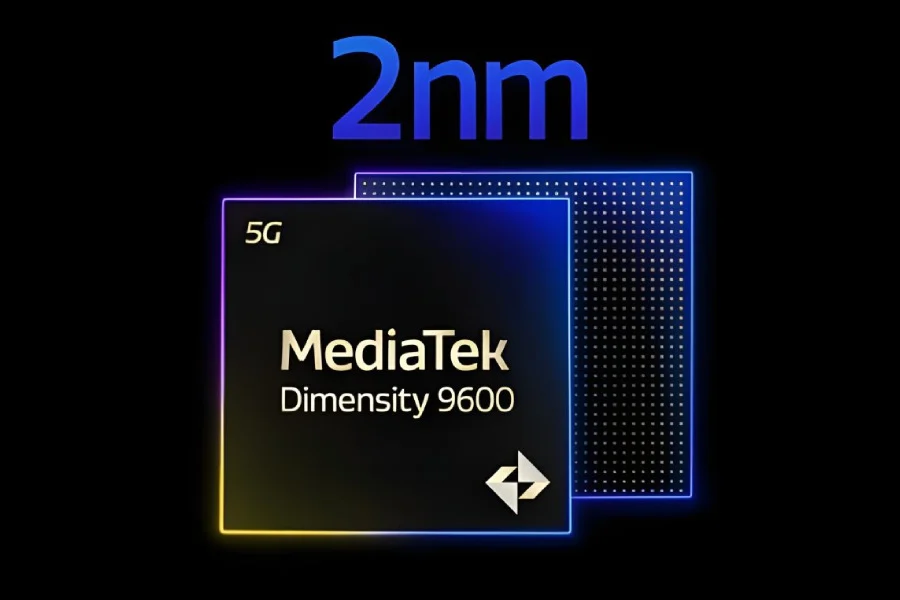
Complementing the advanced CPU architecture, the Dimensity 9600 is also rumored to be manufactured using TSMC’s pioneering 2nm process technology. This represents a significant advancement over the current industry standard, which largely relies on 3nm and 4nm nodes. The benefits of a smaller process node are manifold. Primarily, it allows for greater transistor density, meaning more processing power can be packed into the same physical area, or a more compact chip can achieve comparable performance.
More importantly, a 2nm process node promises enhanced power efficiency. This is a critical factor, especially when dealing with high-performance cores like the anticipated dual prime cores. The increased efficiency means that these powerful cores can operate at higher clock speeds for longer durations without excessively draining the device’s battery or generating prohibitive amounts of heat. This delicate balance between raw performance and energy consumption is a constant challenge in SoC design, and the 2nm node offers a significant advantage in achieving it. For consumers, this translates to smartphones that are not only faster but also potentially offer improved battery life during demanding usage scenarios.
Historical Context and MediaTek’s Ascent
This leaked information arrives at a pivotal moment for MediaTek. The Taiwanese chip designer has made remarkable strides in recent years, consistently challenging Qualcomm’s dominance in the flagship mobile SoC market. The Dimensity 9000 series, for instance, garnered widespread praise for its competitive performance and efficiency, making it a popular choice for a variety of high-end smartphones. The Dimensity 9200 and its successor, the Dimensity 9300, further solidified MediaTek’s position, often matching or even exceeding the performance of their Qualcomm counterparts in various benchmarks and real-world tests.
The move towards a dual prime core architecture is indicative of MediaTek’s aggressive product roadmap and its commitment to innovating at the bleeding edge. For years, the industry has seen a gradual evolution of CPU layouts, with manufacturers experimenting with different core configurations to optimize for diverse workloads. The adoption of a dual prime core setup, while not entirely unprecedented in the broader computing landscape, marks a significant step for MediaTek in its pursuit of absolute peak performance for mobile devices. This strategic decision suggests that the company is aiming to capture the highest echelons of the smartphone market, appealing to power users, mobile gamers, and content creators who demand the utmost in processing capability.
Potential Performance Implications and Analysis
The combination of a dual prime core CPU and a 2nm process node is theoretically poised to deliver a substantial performance uplift.
Enhanced Gaming and Application Performance:
The two prime cores are expected to excel in tasks that require intense single-core processing. This includes demanding mobile games, which often rely on rapid execution of complex instructions to render high-fidelity graphics and maintain smooth frame rates. Furthermore, the accelerated single-core performance will benefit everyday tasks such as launching applications, multitasking, and browsing the web, making the overall user experience feel more fluid and responsive.
Improved Power Efficiency for Demanding Tasks:
While high-performance cores inherently consume more power, the efficiency gains from the 2nm process node are crucial. This allows the Dimensity 9600 to sustain higher clock speeds for extended periods without thermal throttling becoming a significant issue. For sustained heavy loads, such as prolonged gaming sessions or video editing on the go, this improved efficiency can translate to a better balance between performance and battery longevity.
Competition and Market Dynamics:
The introduction of such a potent SoC from MediaTek will undoubtedly intensify competition with Qualcomm, the current market leader in flagship mobile processors. This healthy rivalry benefits consumers by driving innovation and potentially leading to more competitive pricing across high-end devices. It also signals MediaTek’s ambition to not just compete but to lead in specific performance metrics, potentially forcing other manufacturers to adapt their strategies.
Implications for Device Manufacturers:
Smartphone manufacturers that adopt the Dimensity 9600 will be able to market their devices with a strong emphasis on cutting-edge performance. This could include enhanced gaming experiences, faster AI processing capabilities, and improved computational photography. The choice of SoC is a critical differentiator in the premium smartphone segment, and MediaTek’s latest offering could provide a compelling alternative for device makers looking to equip their flagship models with top-tier silicon.
Timeline and Future Outlook
While the exact launch date for the Dimensity 9600 remains unconfirmed, industry analysts anticipate its debut sometime in late 2024 or early 2025. This timeline aligns with the typical product release cycles for flagship mobile SoCs, allowing sufficient time for MediaTek to finalize its designs, complete testing, and for partner manufacturers to integrate the chips into their upcoming devices.
The next steps will involve official announcements from MediaTek, likely accompanied by detailed specifications, benchmark results, and demonstrations of the SoC’s capabilities. Following these announcements, we can expect to see the first smartphones equipped with the Dimensity 9600 hitting the market. The industry will be closely watching to see how the Dimensity 9600 performs in real-world scenarios and how it stacks up against the competition.
The evolution of mobile processors is a relentless pursuit of greater power, efficiency, and intelligence. With the Dimensity 9600, MediaTek appears poised to make a significant statement, pushing the envelope with its innovative dual prime core architecture and its commitment to adopting the most advanced manufacturing processes. The coming months will be crucial in revealing the full potential of this highly anticipated flagship SoC.