Tyo Susilo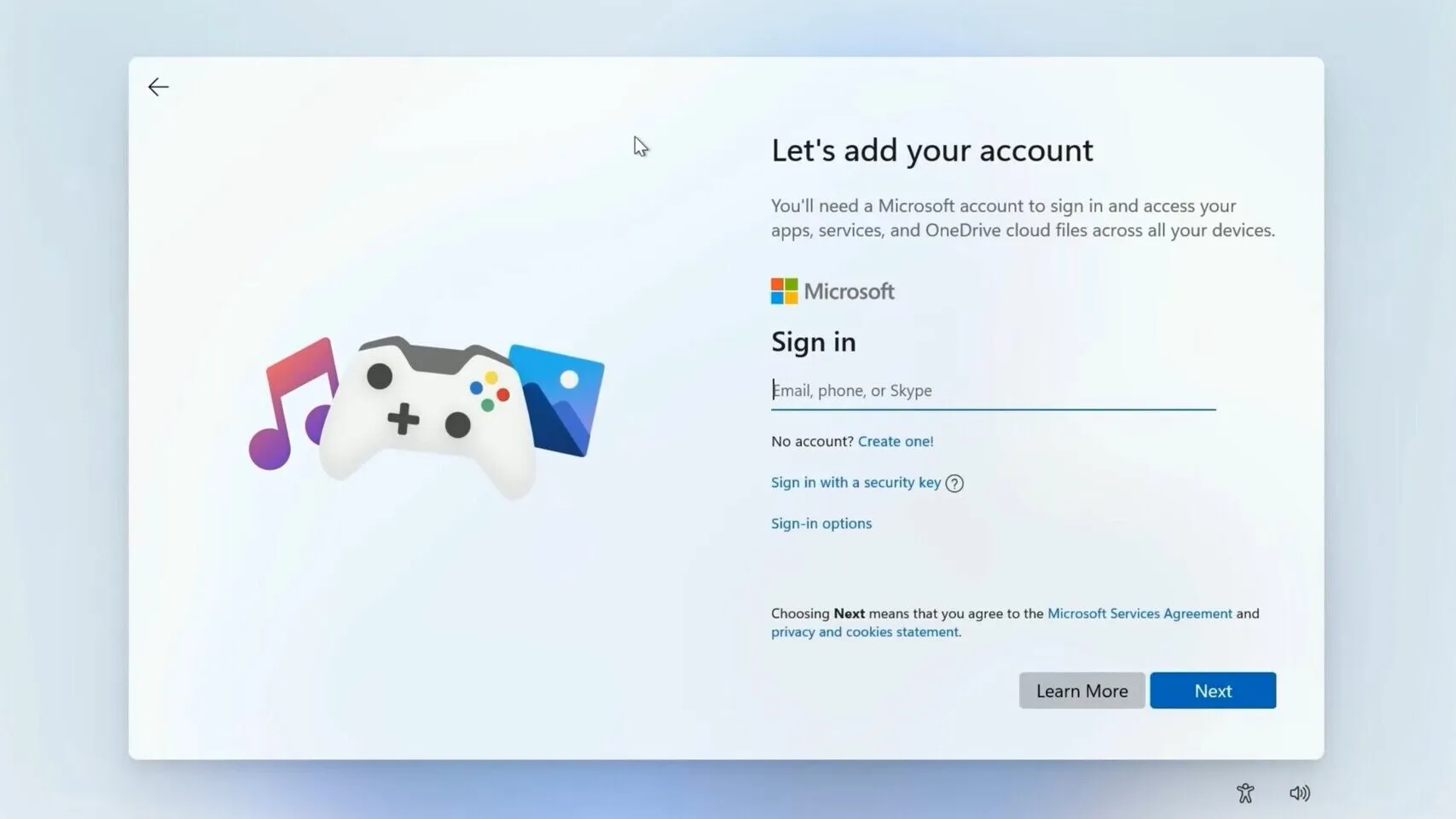
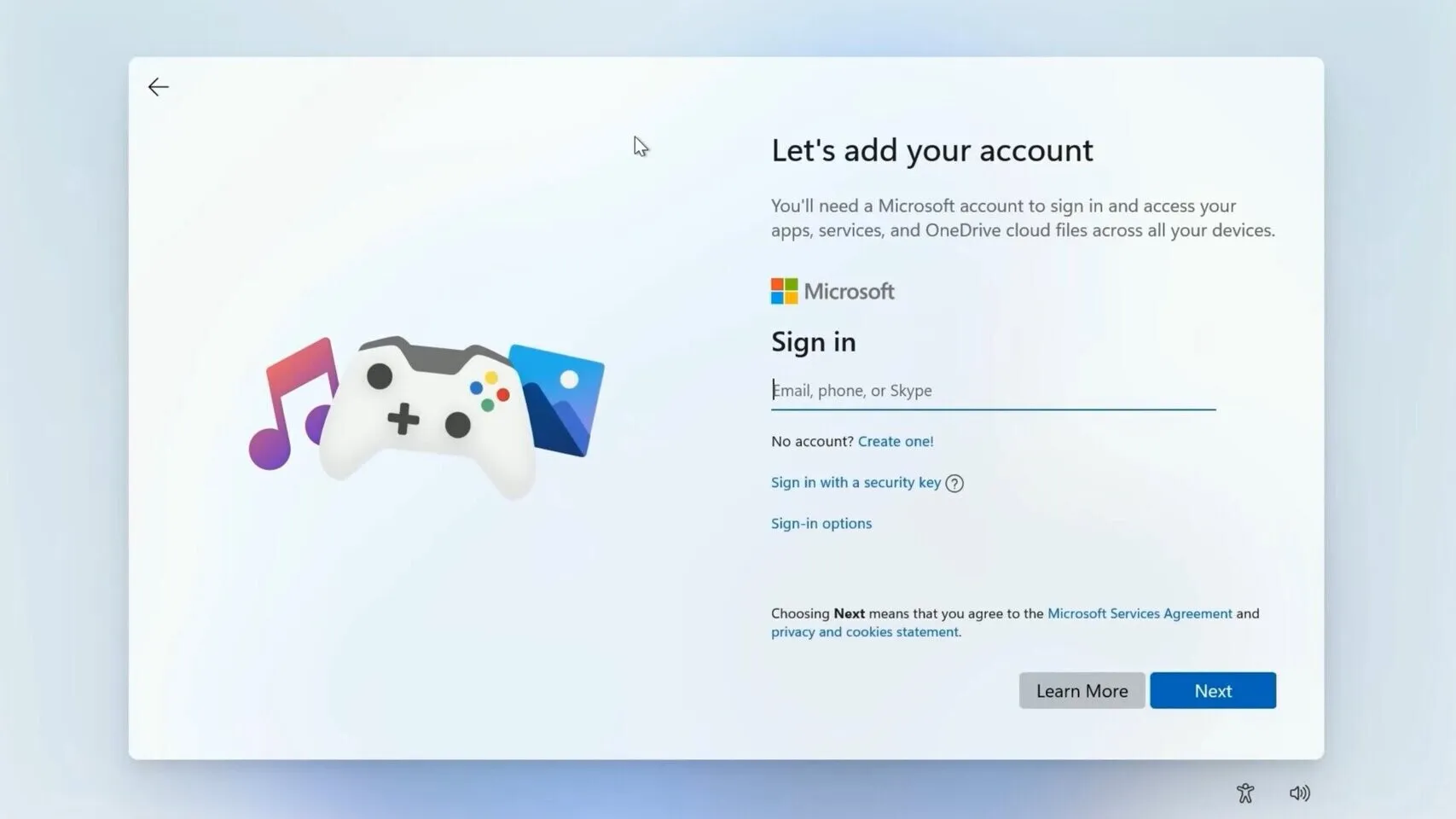
Microsoft is reportedly exploring a significant shift in its Windows 11 operating system, with the potential elimination of the mandatory Microsoft account login requirement during the initial setup process. This significant change, though not officially confirmed, has been hinted at by a high-ranking Microsoft executive, signaling a possible response to persistent user feedback and a broader re-evaluation of the user onboarding experience. The move could fundamentally alter how users begin their Windows 11 journey, offering greater flexibility and potentially streamlining the installation for a wider range of users.
The Genesis of a Potential Policy Shift
The impetus for this potential change appears to stem from a prolonged period of user dissatisfaction regarding the compulsory Microsoft account login. For many users, particularly those who prefer to operate their devices offline or exclusively utilize local accounts, the requirement has been perceived as an unnecessary hurdle. This frustration has manifested in various online discussions and forums, where users have voiced their desire for a less intrusive setup experience. Historically, Microsoft has sought to integrate its ecosystem more deeply into the Windows experience, with the Microsoft account serving as a central nexus for services like OneDrive, Microsoft 365, Xbox, and increasingly, AI-powered features like Copilot. However, this strategy has evidently encountered friction with a segment of the user base.
A Glimpse from the Top: Scott Hanselman’s Statement
The most concrete indication of this potential policy shift emerged from a statement made by Scott Hanselman, a Vice President at Microsoft. In response to user complaints about the mandatory login on social media platforms, Hanselman offered a brief but telling comment: his team is "working on it." This concise remark, while deliberately vague, has ignited considerable speculation within the tech community. It suggests that Microsoft is actively listening to user feedback and may be prepared to adjust its long-standing approach to account creation during Windows installation. This acknowledgment from a senior figure within the company carries significant weight and implies that internal discussions are underway to address this user pain point.
The User Experience: A Tale of Frustration and Workarounds
The mandatory Microsoft account login has been a contentious issue since its implementation. For users who prioritize privacy or have specific offline usage scenarios, being forced to create or sign in with a Microsoft account can be a cumbersome process. It adds an extra layer of complexity to an otherwise straightforward installation, often requiring a stable internet connection which may not always be available or desired. This has led to the emergence of unofficial workarounds and "tricks" designed to bypass the requirement, allowing users to proceed with a local account setup. These methods, while effective for some, underscore the underlying user demand for a more unhindered installation process.
The Tightening Grip and the Subsequent Loosening
Ironically, Microsoft had previously taken steps to curb these unofficial bypass methods. In late 2025, the company reportedly patched various exploits that allowed users to circumvent the Microsoft account login. This move was justified by Microsoft as a measure to ensure the integrity and stability of the setup process, preventing potential issues that could arise from incomplete or compromised installations. The closure of these loopholes effectively left users with no viable alternative but to comply with the account login requirement. This period marked a peak in user frustration, as the perceived control over their own device setup was further diminished.
However, the current signals suggest a potential reversal of this trend. The acknowledgment from Hanselman, coupled with the exploration of simplifying the Out-of-Box Experience (OOBE), indicates a strategic recalibration. The OOBE encompasses all the initial setup steps a user encounters upon first booting a new device or after a fresh Windows installation. Streamlining this process, making it faster and requiring fewer clicks, could be intrinsically linked to the decision regarding account logins. Microsoft might be recognizing that an overly complex or restrictive OOBE can detract from the overall positive first impression of a new operating system.
Beyond Login: A Holistic OOBE Overhaul?
The rumored changes extend beyond just the account login. Microsoft is also reportedly considering a broader simplification of the OOBE. This could involve a more streamlined flow, reduced prompts, and a quicker transition to the desktop environment. Such an overhaul might also be an effort to re-evaluate the prominence of service promotions during setup. Traditionally, the OOBE has been used to introduce and encourage the adoption of Microsoft’s various services, including OneDrive, Office 365 subscriptions, Xbox Game Pass, and the increasingly integrated Copilot AI assistant. By simplifying the OOBE, Microsoft might be seeking to strike a better balance between promoting its ecosystem and providing a swift, user-friendly initial setup.
The Implications for Users and the Wider Ecosystem
If these changes are implemented, the implications for Windows 11 users would be significant and largely positive.
Enhanced User Flexibility and Choice
The most immediate benefit would be the restoration of user choice. Individuals who prefer local accounts for privacy reasons, security considerations, or simply to avoid being tied to an online service would be able to install and use Windows 11 without the mandatory online sign-in. This aligns with the principles of user autonomy and could attract a segment of users who have been hesitant to adopt Windows 11 due to this requirement.
Improved Offline Installation Experience
For users in regions with limited or unreliable internet access, or for those who prefer to perform installations in an offline environment for security or speed, the removal of the mandatory login would be a welcome development. It would remove a critical dependency that has made offline installations of Windows 11 considerably more challenging.
Potential Impact on Microsoft’s Ecosystem Strategy
This shift could also represent a strategic adjustment for Microsoft. While the company benefits from users being embedded within its online ecosystem, it may be recognizing that forcing this integration too early in the user journey can create friction and alienate potential customers. By making the Microsoft account optional during setup, Microsoft might be betting that users will be more inclined to explore and adopt its services once they are comfortable with the operating system and have had a chance to personalize their experience. This could lead to a more organic growth of its service user base.
A More Competitive Landscape
In the broader context of operating systems, this move would bring Windows 11 more in line with certain Linux distributions and potentially future iterations of other operating systems that prioritize user choice and flexibility from the outset. It addresses a long-standing critique that has been leveled against Microsoft’s increasingly cloud-centric approach.
What Lies Ahead: Await and See
Despite the promising signals and the logical reasoning behind such a change, it is crucial to reiterate that these are currently speculations based on executive comments and industry observations. Microsoft has not provided an official timeline or confirmed the specifics of these potential alterations. The company is known for testing and iterating on features, and the final implementation, if it occurs, could differ from current expectations.
The tech community will be closely watching for official announcements from Microsoft. The potential removal of the mandatory Microsoft account login during Windows 11 installation represents a significant potential step towards a more user-centric and flexible computing experience. For many, this "sweet promise" from Microsoft, if delivered, would be a much-anticipated and highly appreciated development in the evolution of the Windows operating system. The coming months will likely reveal whether this shift in policy is indeed on the horizon, offering a more open and accommodating start to the Windows 11 experience.