Bambang Pamungkas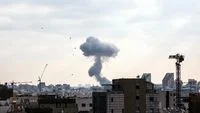
The simmering conflict in the Middle East, involving key regional players Iran, Israel, and the United States, has dramatically escalated into a full-blown regional conflagration, marked by relentless missile strikes, extensive military operations, and a rapidly climbing death toll. As of Monday, March 30, 2026, the situation, which began to intensify in late February, has drawn in several Gulf nations and a multitude of regional actors, fueling widespread alarm over the prospect of a much broader and devastating conflict. The rapid succession of events underscores the volatility of the geopolitical landscape, with critical infrastructure under attack, civilian populations facing severe disruptions, and international efforts scrambling to contain the crisis.
A Month of Unrest: Tracing the Escalation
The past month has witnessed a dangerous acceleration of hostilities, transforming a period of heightened tensions into an active, multi-front conflict. The initial sparks of this renewed crisis in late February 2026 quickly ignited a chain reaction of retaliatory strikes and counter-strikes, drawing in various non-state actors and significantly expanding the geographical scope of engagement. What began as targeted operations has now evolved into a complex tapestry of air raids, ground incursions, and cyber warfare, with each incident pushing the region closer to an irreversible tipping point. The international community watches with bated breath, as diplomatic solutions appear increasingly elusive amidst the deafening roar of war.
Iran Under Siege: Military and Domestic Fronts
Iran has found itself at the epicenter of much of the recent escalation, facing direct military assaults and significant domestic fallout. The gravity of the situation was underscored by the confirmation of a high-profile casualty within its elite military structure.
-
Death of a Revolutionary Guard Commander: In a significant blow to Iran’s military establishment, Brigadier General Alireza Tangsiri, a prominent commander of the Islamic Revolutionary Guard Corps (IRGC), succumbed to severe injuries sustained in an Israeli airstrike days prior. The official statement, disseminated via Sepah News, confirmed Tangsiri’s death, describing it as a direct consequence of the Israeli aggression. Tangsiri’s death represents a substantial loss for the IRGC, potentially impacting command structures and morale, and is likely to provoke a strong response from Tehran. Analysts suggest that targeting such a high-ranking officer indicates a calculated Israeli strategy to degrade Iranian military capabilities and leadership, further deepening the cycle of violence. The IRGC, a powerful military and economic force within Iran, plays a crucial role in projecting Iranian influence across the region, making any strike against its leadership highly provocative.
-
Israeli Strikes on Iranian Arms Production: The Israeli military has claimed responsibility for a series of extensive airstrikes targeting dozens of weapons production facilities within Tehran. Among the critical targets hit were reported production lines for long-range surface-to-air missiles, essential components of Iran’s air defense network. These precision strikes, if confirmed in their scope and impact, signify a concerted effort by Israel to dismantle Iran’s indigenous arms manufacturing capabilities, particularly those deemed a threat to Israeli security. Such an operation would aim to degrade Iran’s ability to supply proxy forces or defend its own airspace, but it also carries a high risk of direct Iranian retaliation against Israeli targets.
-
Damage to Nuclear-Related Facility: Adding another layer of complexity and concern, the International Atomic Energy Agency (IAEA) reported severe damage to Iran’s heavy water production facility in Khondab, rendering it inoperable following an Israeli attack. Israel has long asserted that this facility is a primary site for the production of plutonium, a fissile material that could be used in the development of nuclear weapons. While Iran maintains its nuclear program is exclusively for peaceful purposes, Israel’s strike on Khondab reignites international fears regarding the potential weaponization of Iran’s nuclear capabilities and further complicates any future diplomatic efforts to revive the Joint Comprehensive Plan of Action (JCPOA) or negotiate new nuclear agreements. The destruction of such a facility could set back Iran’s program but also intensify its resolve to pursue nuclear independence.
-
Attacks on Civilian Infrastructure: Beyond military and strategic sites, the conflict has also impacted civilian and academic institutions. A university in Isfahan, Iran, reportedly became a target of a combined US-Israeli airstrike. This marks the second such attack on an educational institution since the conflict began, raising significant humanitarian concerns and prompting condemnation from international bodies and human rights organizations. Targeting academic facilities, irrespective of their perceived dual-use potential, risks further alienating the civilian population and violating international laws governing armed conflict.
-
Widespread Internet Blackout: Domestically, Iranian citizens have endured a national internet blackout for an unprecedented 30 days. This prolonged disruption, initiated at the onset of the conflict, has effectively isolated millions of Iranians from global information and communication networks, as reported by AFP. The internet shutdown is widely seen as a government measure to control the narrative, prevent internal dissent, and limit the flow of information during a period of intense external pressure and internal instability. While the government announced the restoration of electricity in parts of Tehran and surrounding areas after attacks on energy infrastructure, the sustained internet outage highlights the severe impact of the conflict on daily life and basic freedoms. Such a blackout not only hinders communication but also cripples economic activities reliant on digital connectivity, exacerbating the humanitarian toll.
Lebanon: A New Frontline of Conflict
Lebanon, a nation still reeling from past conflicts and internal instability, has once again become a critical battleground in the escalating regional crisis.
-
Strikes in Southern Beirut: Southern Beirut was rocked by fresh Israeli strikes on Monday, targeting facilities identified by the Israeli military as belonging to Hizbullah. These attacks followed earlier evacuation warnings issued to residents in the area, signaling Israel’s intent to conduct significant operations against the Iranian-backed Lebanese group. The strikes in the heart of Hizbullah’s strongholds escalate the risk of full-scale warfare between Israel and Hizbullah, a scenario with devastating implications for Lebanon.
-
Casualties Among Peacekeepers: The human cost of the conflict extends to international personnel, with Indonesia confirming the death of one of its peacekeepers in Lebanon. The United Nations Interim Force in Lebanon (UNIFIL) personnel was killed by "indirect artillery fire" near Adchit al Qusayr, with three other Indonesian peacekeepers sustaining injuries. This tragic incident underscores the extreme dangers faced by UN peacekeepers tasked with maintaining a fragile calm, and it highlights the indiscriminate nature of the fighting. The death of an international peacekeeper is likely to prompt a review of UNIFIL’s mandate and security protocols, and potentially draw stronger international condemnation of the warring parties.
-
Mounting Civilian Toll: The Lebanese Ministry of Health has reported a grim tally, with 1,238 fatalities recorded since the latest wave of conflict with Hizbullah erupted on March 2, 2026. These figures paint a stark picture of the humanitarian crisis unfolding, with civilian lives bearing the brunt of the escalating hostilities. The high number of casualties in less than a month indicates the intensity and widespread nature of the violence impacting Lebanese communities.
-
Israeli "Security Zone" Expansion: Further escalating tensions, Israeli Prime Minister Benjamin Netanyahu has ordered the expansion of a "security zone" in Lebanon. This move, framed as part of ongoing military operations, evokes memories of Israel’s prolonged occupation of southern Lebanon and risks deep incursions into Lebanese territory. Such an expansion would be viewed by Lebanon as a direct violation of its sovereignty and could trigger fierce resistance, potentially leading to a protracted ground conflict.
-
Diplomatic Defiance: In a defiant move, Iran’s Ambassador to Lebanon reportedly refused to leave the country despite being declared persona non grata by the Lebanese government. This diplomatic standoff underscores Iran’s deep-seated influence in Lebanon and its determination to maintain its presence and support for Hizbullah, further complicating efforts to de-escalate the conflict. The Lebanese government’s decision to expel the ambassador, presumably over perceived interference in domestic affairs, points to internal divisions and the pressure Lebanon is under from both regional and international players.
Regional Spillover and Global Implications
The conflict’s tendrils have stretched beyond Iran and Lebanon, impacting other Gulf states and raising broader concerns about regional stability and global economic repercussions.
-
Missile Interceptions in Saudi Arabia: Saudi Arabia announced the successful interception of five ballistic missiles aimed at its Eastern Province. While the origin of these launches was not disclosed, the incident highlights the persistent threat posed by missile proliferation in the region and the capabilities of various non-state actors or rival states. Such attacks, even if intercepted, demonstrate the widening geographical scope of the conflict and the potential for direct engagement with Saudi Arabia, a key US ally and major oil producer.
-
Deadly Attack in Kuwait: Kuwait experienced a direct and deadly attack on an electricity facility, attributed to Iran, which resulted in the death of an Indian worker and significant structural damage. Additionally, the Kuwaiti Ministry of Defense reported that 10 military personnel were injured in a separate attack on a military camp. These incidents mark a dangerous escalation, as they represent direct Iranian attacks on a sovereign Gulf state, crossing a significant threshold and raising the specter of a broader Gulf war. The targeting of critical infrastructure and military installations in Kuwait, a traditionally neutral state, signifies Iran’s willingness to expand its operational reach and retaliate against perceived adversaries or their allies.
-
Strategic Economic Targets: The potential for economic warfare was highlighted by US President Donald Trump’s assertion that the United States could "very easily" seize Iran’s strategically vital Kharg Island, the primary terminal for Iran’s oil exports. "I don’t think they have any defense whatsoever. We could take it very easily," Trump stated in an interview with The Financial Times. Such a move, if enacted, would be an act of war with profound global economic consequences, particularly for oil markets, and would undoubtedly provoke a severe Iranian response. Kharg Island is Iran’s economic lifeline, and any threat to it is seen as an existential threat to the Iranian state.
International Reactions and Diplomatic Efforts
Amidst the escalating violence, international actors are grappling with how to respond, with some advocating for de-escalation while others adopt more aggressive postures.
-
US Stance and Trump’s Vision: President Donald Trump’s rhetoric has been particularly assertive, declaring that the American-Israeli conflict against Iran has achieved "regime change." He expressed optimism that a deal could be reached "very soon" with Tehran, potentially "next week." "We have had a regime change," Trump told AFP, adding, "We are dealing with different people than anyone has ever dealt with before. This is a totally different group of people. So I would consider that a regime change." This statement, while offering a glimpse of potential diplomatic off-ramps, is also fraught with implications, as it suggests a US willingness to dictate Iran’s internal political structure and possibly overlook the current Iranian leadership’s ability to negotiate. The juxtaposition of aggressive military action with an optimistic outlook for a swift deal highlights the unpredictable nature of US foreign policy under the Trump administration.
-
Pakistan’s Mediation Offer: In an attempt to de-escalate the crisis, Pakistan has offered to mediate between the US and Iran, proposing to host peace talks. This initiative has reportedly garnered support from the United Nations and China, signaling a broader international desire to find a diplomatic resolution to the spiraling conflict. Pakistan, with its historical ties to both the US and Iran, could play a crucial role, but the deep-seated mistrust and aggressive postures of the primary belligerents present significant challenges to any mediation effort.
Military Preparedness and Economic Strain
The escalating conflict is placing immense pressure on the economies and military infrastructures of the involved nations.
-
Israel’s Soaring Defense Budget: The Israeli Parliament has approved an additional US$10 billion (approximately IDR 160 trillion) for its military budget, bringing its total defense spending to a staggering US$45 billion (approximately IDR 720 trillion). This massive increase underscores the intensity and projected duration of Israel’s military operations and its commitment to maintaining a decisive military advantage in the region. While necessary for its defense, such an expenditure places a considerable strain on the Israeli economy and diverts resources from other sectors, potentially leading to long-term economic and social consequences.
-
Iran’s Economic and Social Burden: While no specific figures were given for Iran’s increased military spending, the cost of sustained conflict, coupled with stringent international sanctions and the widespread disruption caused by infrastructure attacks and the internet blackout, is undoubtedly placing an enormous burden on the Iranian economy and its populace. The ability of Iran to sustain its military operations and proxy networks under such immense pressure remains a critical factor in the conflict’s trajectory. The erosion of public trust due to information control and the deterioration of living conditions could also fuel internal discontent.
The Unfolding Crisis: Broader Implications
The Middle East stands at a precarious juncture, with the current conflict threatening to unleash unprecedented regional instability. The implications extend far beyond the immediate battlefields:
- Regional Instability: The direct engagement of Iran with Gulf states like Kuwait, the expansion of Israeli operations into Lebanon, and the continued involvement of the US create a volatile matrix where miscalculation could trigger a full-scale regional war. Such a conflict would destabilize global energy markets, disrupt vital shipping lanes, and unleash a massive humanitarian crisis, with potential for millions of displaced persons and refugees.
- Humanitarian Catastrophe: The mounting civilian casualties in Lebanon, the disruption of basic services in Iran, and the general atmosphere of fear and uncertainty point towards a looming humanitarian catastrophe. Access to aid, medical supplies, and basic necessities will become increasingly challenging, exacerbating the suffering of affected populations.
- Global Geopolitical Realignment: The crisis is forcing a realignment of alliances and diplomatic priorities globally. The involvement of major powers like the US and the calls for mediation from China and the UN underscore the international community’s deep concern. The outcome of this conflict will likely reshape the geopolitical landscape of the Middle East for decades to come, impacting global power dynamics and the future of international security.
- Uncertain Future: The rapid pace of developments, coupled with the aggressive rhetoric and the absence of clear diplomatic off-ramps, paints a highly uncertain future for the region. The coming weeks will be critical in determining whether the conflict can be contained or if it will spiral further into an all-encompassing regional war, with devastating consequences for millions. The international community faces an urgent challenge to de-escalate tensions and push for a diplomatic resolution before the situation becomes irreversible.