Azin Asro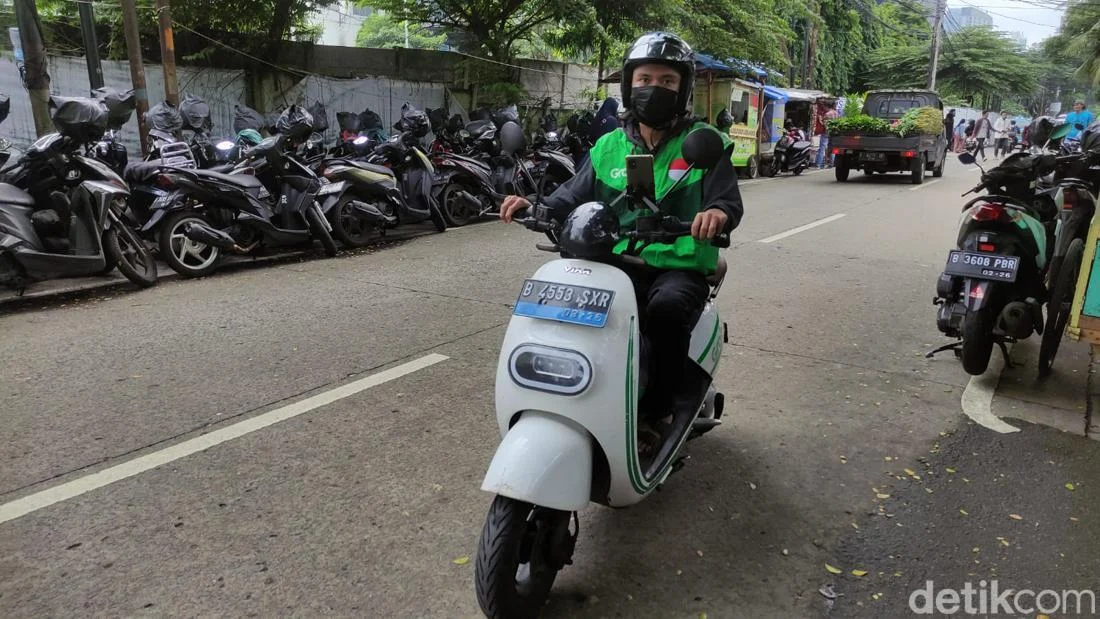
The escalating and prolonged conflict in the Middle East has triggered a significant surge in global crude oil prices, creating a ripple effect that threatens the domestic stability of fuel costs in Indonesia. As international benchmarks like Brent and West Texas Intermediate (WTI) fluctuate under the pressure of geopolitical instability, the Indonesian government faces increasing pressure to adjust domestic fuel prices (BBM). In response to this looming economic threat, the nation’s massive workforce of motorcycle taxi drivers, popularly known as "ojol," is intensifying its call for a systemic shift toward electric motorcycles. The transition is no longer viewed merely as an environmental initiative but as a necessary survival strategy for millions of workers whose livelihoods are tethered to the volatility of the energy market.
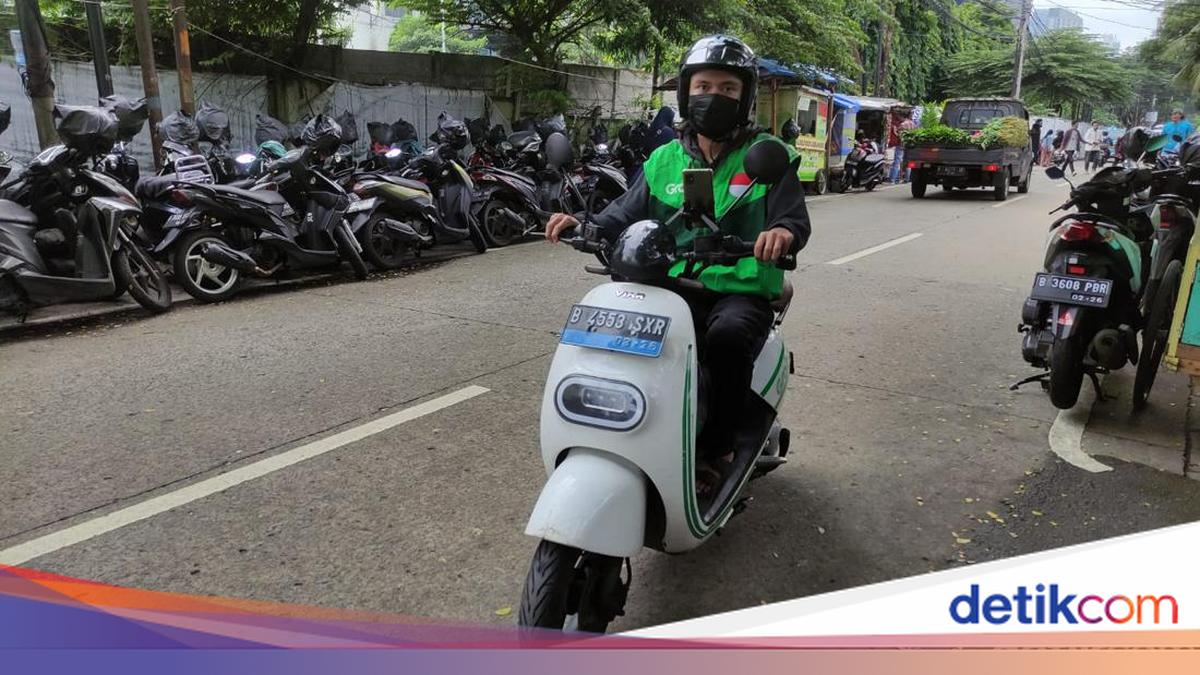
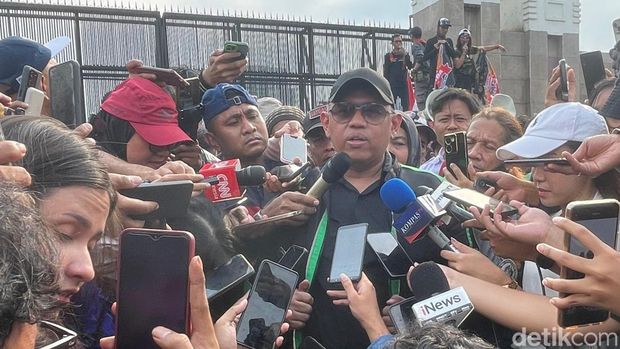
Raden Igun Wicaksono, the General Chairman of the Garda Indonesia Association, which represents a significant portion of the country’s online motorcycle taxi drivers, has formally proposed a strategic pivot in government spending. Wicaksono argues that the current fuel subsidy model is becoming increasingly unsustainable and that a portion of these funds should be redirected to facilitate the mass adoption of electric vehicles (EVs) within the ride-hailing sector. According to Wicaksono, the transition to electric motorcycles would drastically reduce the daily operational expenses of the "green troops," as the drivers are colloquially known, thereby shielding them from the inevitable hikes in gasoline prices.
The Intersection of Geopolitical Conflict and Domestic Energy Policy
The current volatility in the Middle East—specifically involving key oil-producing regions and maritime trade routes—has led to a cautious and often bullish outlook on global oil prices. For Indonesia, a net importer of oil, these developments are particularly concerning. The government’s state budget (APBN) is heavily sensitive to changes in the Indonesian Crude Price (ICP). When global prices exceed the assumptions laid out in the national budget, the cost of maintaining fuel subsidies skyrockets, forcing the government to either increase the subsidy allocation or raise the price at the pump.
Wicaksono noted that with the high probability of rising fuel costs, switching to electric motorcycles presents the most viable alternative for drivers. However, he emphasized that this transition is only feasible if the government provides substantial financial support. The proposal hinges on the idea that the government should not just add new subsidies but rather "reallocate" or "shift" the existing fuel subsidies specifically into a purchase-incentive program for ojol drivers. This would lower the barrier to entry for high-quality electric motorcycles, which currently carry a higher upfront cost than their internal combustion engine (ICE) counterparts.
Chronology of Economic Pressure and the Call for Transition
The movement toward electrification in the Indonesian ride-hailing sector has been building for several years, but the current geopolitical climate has acted as a catalyst. In late 2022, the Indonesian government implemented a significant fuel price hike to ease the burden on the state budget, which led to widespread protests and a temporary decrease in the purchasing power of gig workers. Following that event, many drivers began exploring electric alternatives, but the lack of affordable options and charging infrastructure remained a hurdle.
By early 2024, as tensions in the Middle East escalated, the discourse shifted from "experimental adoption" to "urgent necessity." In March 2024, Garda Indonesia began formalizing its stance, urging the Ministry of Energy and Mineral Resources (ESDM) and the Ministry of Transportation to conduct a comprehensive study on the fiscal implications of a subsidy shift. The association argues that the "threat of a fuel crisis" could lead to national economic disruption, given how integrated motorcycle taxis are into the daily lives of Indonesians and the operations of small businesses.
The Strategic Importance of the Gig Economy and UMKM
To understand the weight of this proposal, one must look at the scale of the Indonesian ride-hailing ecosystem. There are an estimated 7 million online motorcycle taxi drivers across the archipelago. This workforce does not operate in a vacuum; they are the primary logistics backbone for millions of Micro, Small, and Medium Enterprises (MSMEs or UMKM).
"The ojol ecosystem has become a main pillar in the supply chain for UMKM goods and efficient passenger transportation," Wicaksono stated. When fuel prices rise, the cost of logistics for small businesses also increases, leading to food price inflation and reduced consumer spending. By stabilizing the operational costs of drivers through electrification, the government would effectively be stabilizing the broader economy. A driver who spends 30% to 40% of their daily income on gasoline is a driver who has less to spend in their local community. In contrast, an electric motorcycle driver typically spends a fraction of that on battery swaps or electricity, allowing for a higher take-home pay and greater economic resilience.
Supporting Data: The Case for Electrification
From a macro-economic perspective, the data supporting a transition is compelling. Indonesia’s dependence on fuel imports is a significant contributor to the current account deficit. According to data from the Ministry of Energy and Mineral Resources, Indonesia imports hundreds of thousands of barrels of oil per day to meet domestic demand. A fleet of 7 million electric motorcycles would significantly reduce this demand, thereby strengthening national energy security and the value of the Rupiah.
Furthermore, the environmental impact is substantial. Transportation is one of the largest contributors to carbon emissions in Indonesia’s major cities. The Ministry of Environment and Forestry has noted that transitioning the transportation sector is critical to achieving the country’s Net Zero Emission (NZE) target by 2060. For the ojol sector specifically, switching to EVs could reduce millions of tons of CO2 emissions annually, given the high mileage these drivers cover every day—often exceeding 100 kilometers per shift.
Proposed Implementation and Financial Schemes
Garda Indonesia is not merely asking for handouts; they are proposing a structured financial transformation. Wicaksono has called on the government to implement low-interest credit schemes specifically for ojol drivers. "The association urges the government to immediately study and implement this policy, including low-interest financing schemes," he explained.
The proposed model involves a collaboration between:
- Government Agencies: To provide the regulatory framework and the redirection of subsidy funds.
- Ride-Hailing App Companies (Aplikator): Such as Gojek and Grab, to provide the digital infrastructure and perhaps corporate subsidies or fleet management.
- Financial Institutions: To offer credit that accounts for the unique income patterns of gig workers, who often do not have the traditional documentation required by major banks.
- EV Manufacturers and Infrastructure Providers: To ensure a steady supply of vehicles and a robust network of Battery Swapping Stations (SPBKLU).
Infrastructure Challenges and Current Progress
While the desire to switch is high, the infrastructure remains a work in progress. As of 2023, the government has already launched a subsidy of IDR 7 million for the purchase of new electric motorcycles or the conversion of old gasoline bikes. However, take-up has been slower than expected among the general public due to concerns over battery range and the availability of charging points.
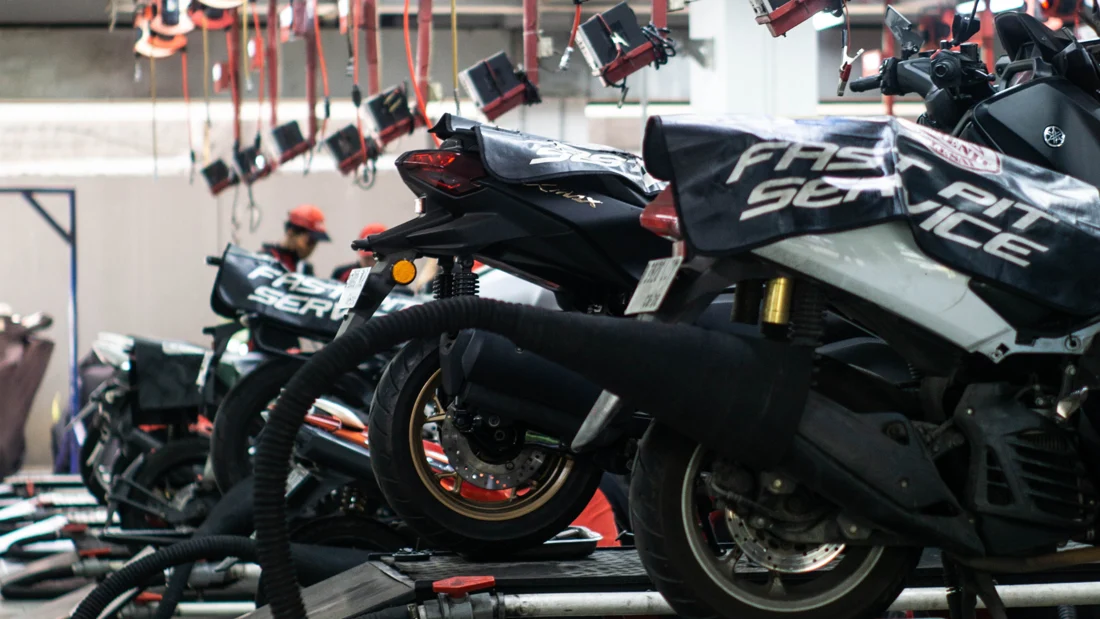
For ojol drivers, the "swap" model is preferred over the "plug-in" model. Since time is money for a driver, waiting two to four hours for a battery to charge is not feasible. The expansion of battery swapping stations is therefore the "make or break" factor for this transition. Currently, companies like Pertamina, PLN, and various private startups are racing to install these stations at convenience stores and gas stations across major cities like Jakarta, Surabaya, and Bandung.
Analysis of Broader Implications
The shift advocated by Garda Indonesia represents a potential paradigm shift in how the state manages social welfare and economic incentives. Traditionally, fuel subsidies have been "blind," meaning they benefit everyone from the poorest motorcyclist to the wealthiest car owner who happens to use subsidized fuel. By targeting subsidies toward electric vehicle purchases for the gig economy, the government can ensure that the financial aid is "targeted" and "productive."
Such a move would also serve as a catalyst for the domestic EV industry. Indonesia is home to the world’s largest nickel reserves, a key component in EV batteries. By creating a massive, guaranteed market of 7 million drivers, the government would attract further investment in domestic battery manufacturing and vehicle assembly, creating a "downstream" economic effect that aligns with President Joko Widodo’s industrial strategy.
Conclusion and Future Outlook
The proposal by Raden Igun Wicaksono and Garda Indonesia serves as a wake-up call for policymakers. The volatility of the Middle East is a reminder that energy independence is not just a goal for the distant future, but a necessity for the present. The "Pasukan Hijau" are ready to lead the charge into a sustainable, electric future, provided the state provides the ladder to get there.
"This initiative is not only a solution for mitigating the fuel crisis but also a catalyst for sustainable economic transformation through the gig economy sector," Wicaksono concluded. As the government prepares its next fiscal roadmap, the integration of 7 million ojol drivers into the electric ecosystem stands as one of the most strategic moves available to bolster the nation’s economic and environmental resilience. The eyes of the industry and the millions of drivers on the road are now on the government, waiting to see if the current crisis will be turned into an opportunity for a green revolution.