Nila Kartika Wati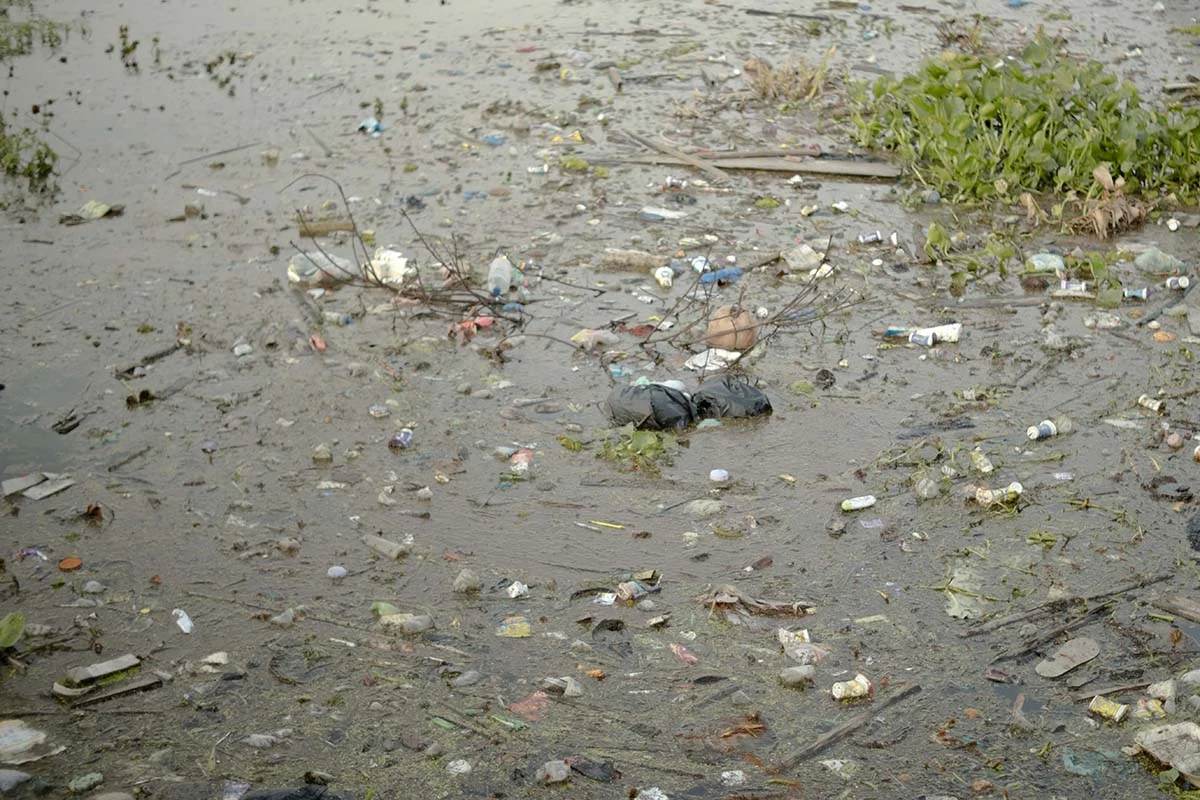
The rapid expansion of the plastics industry since the early 20th century has evolved into a pervasive global crisis, infiltrating every corner of the natural world from the highest mountain peaks to the deepest oceanic trenches. While plastic pollution is often viewed as a visible eyesore of discarded bottles and bags, a more insidious threat has emerged in the form of microplastics—tiny polymer fragments that have successfully integrated themselves into the global food chain. Recent scientific evidence now confirms that this contamination has reached the apex predators of some of the world’s most fragile ecosystems. A groundbreaking study conducted in Thailand has identified the presence of microplastics in the scat of the Fishing Cat (Prionailurus viverrinus), a vulnerable species that serves as a critical indicator for the health of wetland environments. This discovery not only highlights the plight of an endangered felid but also signals a systemic collapse of wetland purity that directly impacts biodiversity and human health across Southeast Asia, including Indonesia.
The Sentinel of the Wetlands: Understanding the Fishing Cat
The Fishing Cat is a medium-sized wild cat uniquely adapted to life in watery environments. Unlike most felids, which avoid water, the Fishing Cat is a proficient swimmer, possessing partially webbed paws that allow it to navigate marshes, mangroves, and swamps with ease. Its diet consists primarily of fish, mollusks, and crustaceans, making it a "specialist" predator deeply embedded in the wetland trophic web. Because of its position as an apex predator, the Fishing Cat acts as a biological monitor; any toxins or pollutants present in the lower levels of the food chain eventually accumulate in its system through a process known as biomagnification.
According to the International Union for Conservation of Nature (IUCN), the Fishing Cat is currently listed as Vulnerable. Its range spans across South and Southeast Asia, including India, Nepal, Sri Lanka, Bangladesh, Myanmar, Thailand, Cambodia, and Indonesia. However, its populations are increasingly fragmented due to habitat destruction, land conversion for agriculture, and now, the invisible threat of chemical and plastic pollution.

The Thailand Study: Mapping the Invisible Threat
The recent study titled "Occurrence of Microplastics in Fishing Cat (Prionailurus viverrinus) scat: Hidden Threats to Wetland Ecosystems of Thailand," authored by Wongson and colleagues (2026), provides a chilling look at the extent of this contamination. Researchers analyzed 26 samples of Fishing Cat scat collected from various wetland habitats in Thailand. The results were definitive: microplastics were present in the majority of the samples, indicating that these predators are ingesting synthetic polymers as part of their daily survival.
The study identified a diverse array of plastic particles. Blue particles were the most dominant, accounting for 75.3 percent of the total samples, followed by white particles (17.5 percent) and transparent fragments (6.0 percent). By analyzing the chemical composition of these particles, researchers were able to trace them back to their likely sources. The blue particles closely matched the profile of aquaculture equipment frequently used by local communities, including blue polyethylene pond liners (tarps), polypropylene ropes, and synthetic netting systems.
Furthermore, the detection of polyamide (nylon) suggests a significant contribution from commercial and artisanal fishing gear, favored for its durability in aquatic environments. The presence of Polyethylene Terephthalate (PET) points toward a different source: consumer waste. PET is the primary material used in single-use beverage bottles and food packaging, which enters wetland systems through inadequate municipal waste management and littering.
Trophic Transfer: How Plastic Reaches the Apex
The presence of microplastics in a land-based predator like the Fishing Cat is the result of a complex process of trophic transfer. It begins at the lowest levels of the aquatic food web. Filter feeders, such as mussels, clams, and certain aquatic insects, cannot distinguish between organic nutrients and microscopic plastic fragments. As they filter water for food, they inadvertently ingest large quantities of microplastics.

When these smaller organisms are consumed by fish or shrimp, the plastic particles do not pass through the digestive system harmlessly. Instead, they often lodge in the gut or, in the case of nanoplastics, migrate into the muscle tissue and organs. As the Fishing Cat hunts and consumes these contaminated fish, the plastic load from hundreds of smaller organisms begins to accumulate within its body. This "documented pathway for microplastic transfer," as described by the researchers, confirms that no level of the wetland ecosystem remains untouched by synthetic pollution.
Physiological and Reproductive Consequences
The internal impact of microplastic ingestion on wild felids is multifaceted and devastating. Physically, the presence of sharp or abrasive plastic fragments can cause micro-tears in the digestive tract, leading to chronic inflammation and a weakened immune system. However, the chemical threat is perhaps even more concerning. Plastics are often infused with Endocrine Disrupting Chemicals (EDCs), such as phthalates and bisphenol A (BPA), which mimic hormones and interfere with the endocrine system.
For an endangered species like the Fishing Cat, the reproductive implications are catastrophic. EDCs are known to reduce fertility, cause premature aging of the reproductive system, and lead to birth defects. Most alarmingly, recent research on domestic cats has shown that microplastics can penetrate the placental barrier, accumulating in the vital organs of the fetus, including the liver, brain, and heart. This means that the next generation of Fishing Cats may suffer from neurological disorders and reproductive failures before they are even born, even if they are never directly exposed to plastic in the wild. As Wongson’s study notes, "even a small decrease in reproductive success or survival rates can have significant consequences for the population’s viability and recovery efforts."
The Indonesian Context: A Vanishing Icon
The findings in Thailand serve as a grim warning for Indonesia, where the Fishing Cat faces an even more precarious future. In Indonesia, the species is legally protected, yet its presence has become a mystery. Historically, the Fishing Cat was found along the eastern coast of Sumatra and the northern coast of Java. However, sightings have become exceedingly rare.
Erwin Wilianto, an independent conservation researcher focused on Indonesian wild cats, notes that the last confirmed sighting of a Fishing Cat in Indonesia occurred in 2010. "Our search process, which has been ongoing since 2018, has yet to yield results," Wilianto stated. While habitat loss to aquaculture and urban development is a primary driver of their decline, the hidden impact of microplastic contamination likely exacerbates the species’ inability to bounce back.
Research by Sunarto (2014) suggests that the northern coast of Java may be the final stronghold for the species in Indonesia. This region, however, is also one of the most densely populated and industrially active areas in the country, characterized by heavy plastic runoff into coastal wetlands. The high association of Fishing Cats with these contaminated waters puts them at an extreme risk of bioaccumulation.
Wetlands as Plastic Sinks: The Unique Risks of the Ecosystem
The study highlights why wetlands are particularly vulnerable to plastic pollution compared to other environments. Wetlands are characterized by slow-moving or stagnant water, which allows suspended microplastic particles to settle and accumulate in the sediment rather than being washed out to sea. This creates an "eternal reservoir" of waste that constantly exposes aquatic life to pollutants.
Furthermore, the environmental conditions in wetlands—such as fluctuating UV exposure and microbial activity—accelerate the degradation of larger plastic debris into micro- and nanoplastics. These particles often become coated in a "biofilm" of organic slime and bacteria. This biofilm makes the plastic fragments sticky and gives them a chemical scent similar to natural food, tricking zooplankton and small fish into eating them more readily.
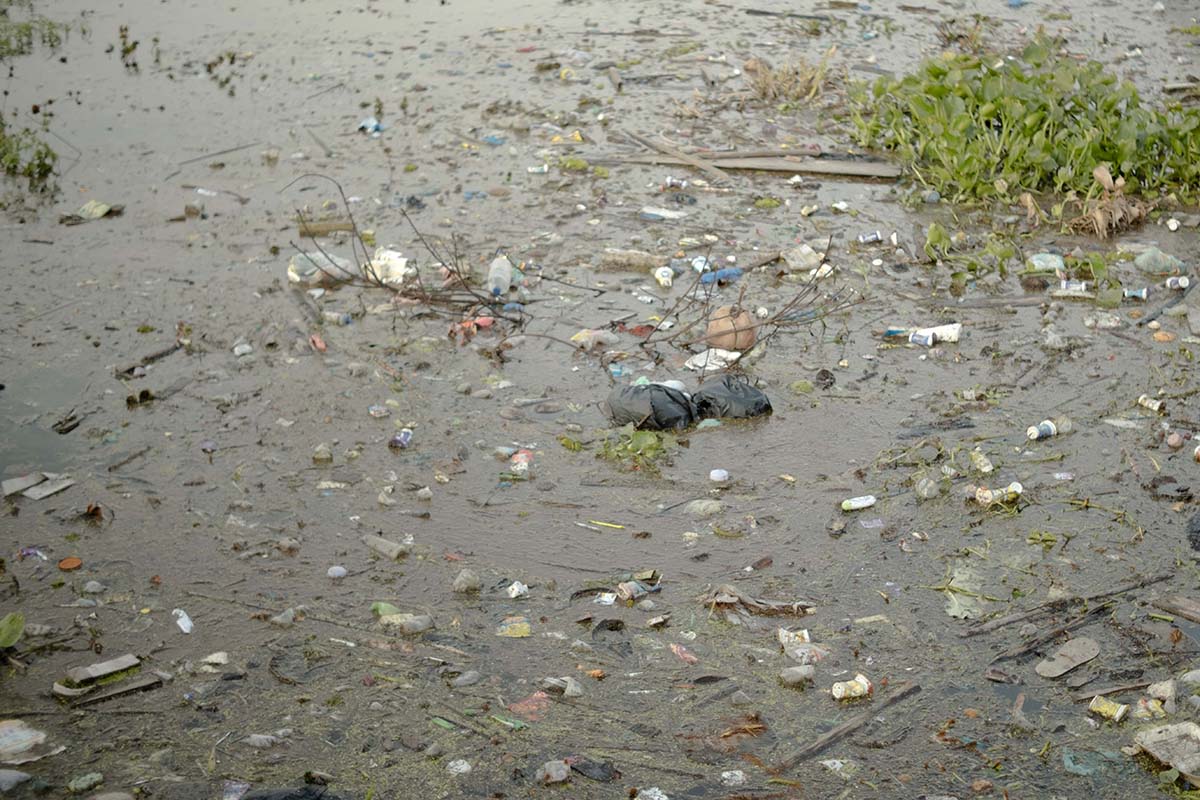
Moreover, these "plastispheres" act as vectors for disease. The surface of microplastics provides a stable environment for harmful bacteria and antibiotic-resistant viruses to thrive and exchange genetic material. When a Fishing Cat or a human consumes organisms from these waters, they are not just ingesting plastic, but potentially a concentrated dose of pathogens that are more resilient than those found in open water.
Human Health and Food Security Implications
The contamination of the Fishing Cat is a "canary in the coal mine" for human populations. In many regions across Southeast Asia, local communities rely on the same wetland ecosystems for their primary source of protein. The fish, shrimp, and mollusks that make up the Fishing Cat’s diet are the same species harvested for human consumption.
The chronic exposure to microplastics and the toxic chemicals they carry poses a direct threat to food security and public health. For coastal and wetland-dependent communities, the presence of microplastics in top predators confirms that the entire local food supply is likely compromised. This creates a public health crisis where traditional diets may lead to long-term health issues, including hormonal imbalances and weakened immunity, mirroring the effects seen in wildlife.
The Scale of the Crisis: Indonesia’s Waste Challenge
The magnitude of the problem is reflected in national data. According to the Indonesian Ministry of Marine Affairs and Fisheries (KKP), Indonesia’s national waste generation is projected to reach 50.06 million tons by 2025. Approximately 40 percent of this waste remains unmanaged, resulting in an estimated 16.02 million tons of debris entering Indonesian waters annually.

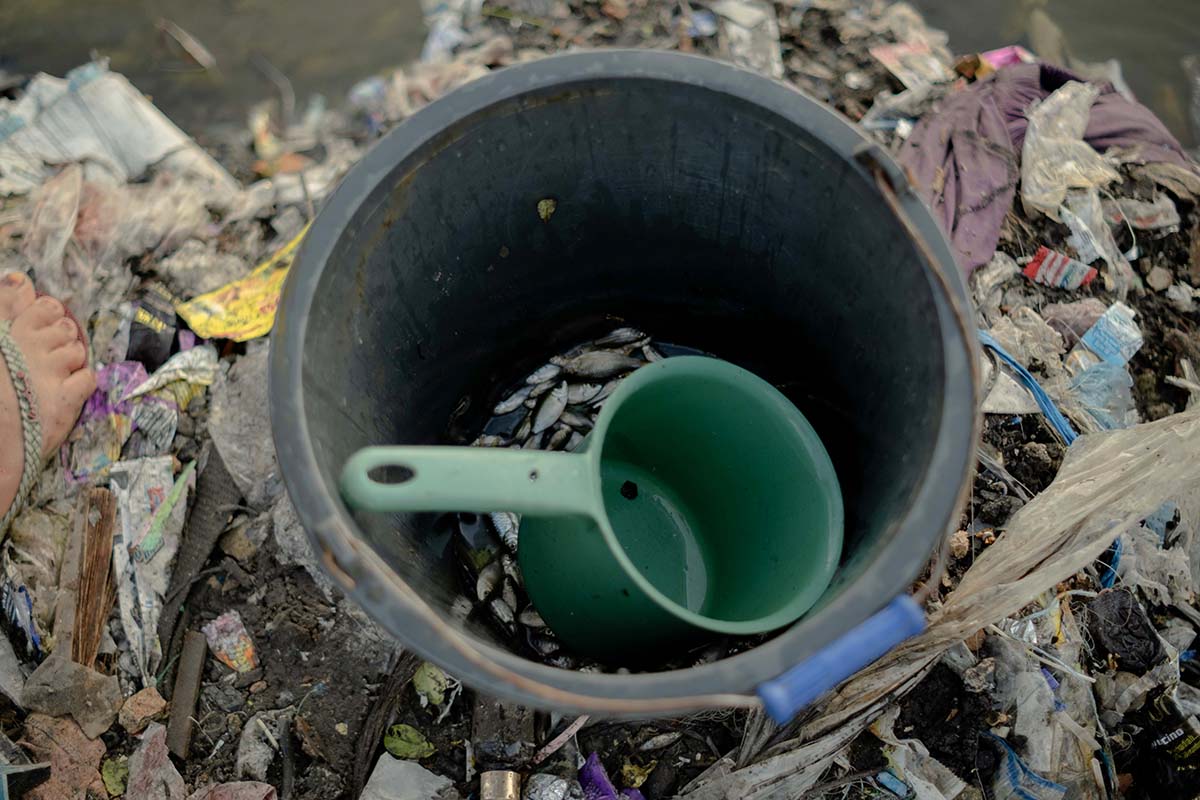
Field observations by Mongabay Indonesia in landscapes like Tempirai, South Sumatra, reveal the reality of these statistics. In these wetland villages, the lack of integrated waste management systems has led to the formation of "new land" made entirely of plastic trash, sometimes reaching heights of two meters. In fishing villages like Sungsang at the mouth of the Musi River, a single village can produce up to 100 kilograms of non-organic waste per day, much of which is discarded directly into the water. Without systemic intervention, these wetlands will continue to function as massive filtration systems that trap and break down plastic into toxic micro-particles.
Conclusion: A Call for Urgent Policy Intervention
The discovery of microplastics in Fishing Cats is a clear signal that current waste management strategies are failing. To protect endangered species and ensure the health of wetland ecosystems, a multi-faceted approach is required. This includes stricter regulations on the materials used in the aquaculture and fishing industries, the implementation of circular economy models for plastic packaging, and the urgent development of waste infrastructure in rural wetland communities.
Policy interventions must go beyond simple litter pick-ups. There is a need for a fundamental shift in how synthetic materials are managed at their source. As the researchers in the Thailand study concluded, "Urgent mitigation through waste management in aquaculture and policy intervention is essential to protect wetland ecosystems and the conservation of endangered species." For the Fishing Cat, and for the human communities that share its habitat, the window for action is closing as the "mystery" of their disappearance may soon be solved by the silent, microscopic killer that is plastic.