Nila Kartika Wati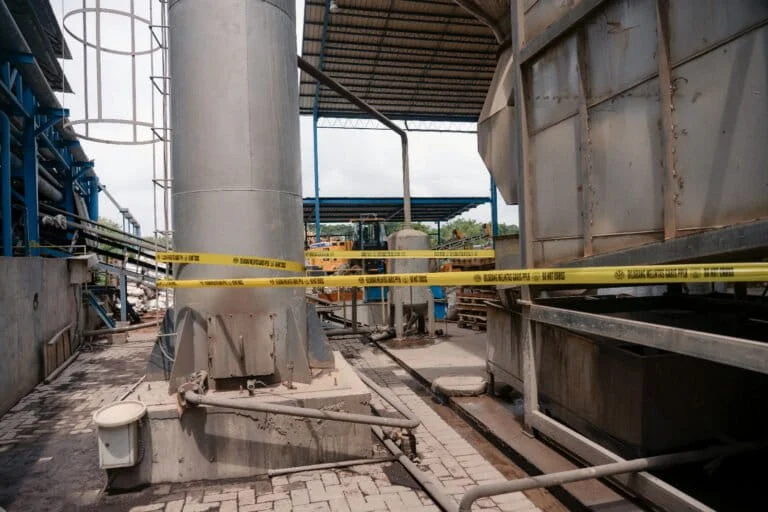
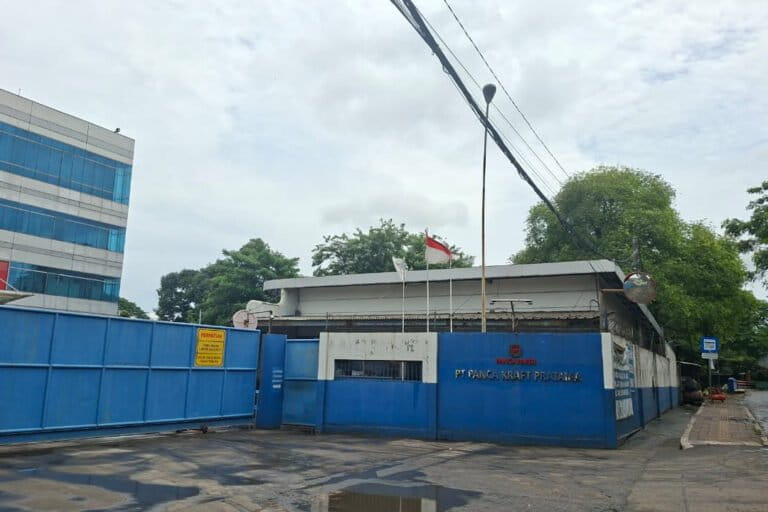
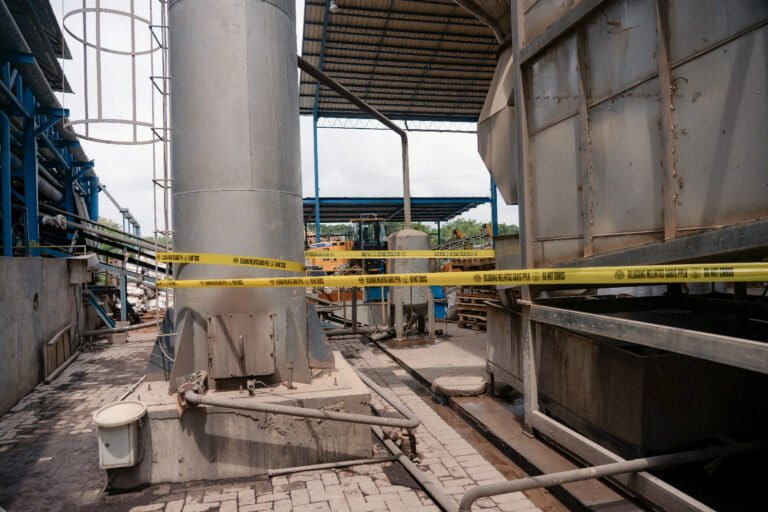
The Ministry of Environment (KLH) has officially issued a stop-work order for the operational activities of PT Panca Kraft Pratama (PKP), a prominent paper manufacturing facility located on Jalan Sangego Raya, Karawaci District, Tangerang City, Banten. The enforcement action, initiated on February 13, follows mounting evidence of severe environmental degradation and non-compliance with national emission standards. Despite the government’s formal intervention, subsequent field observations conducted between February 20 and March 16 reveal a troubling discrepancy between regulatory mandates and ground realities, as the facility appears to maintain near-normal operations, with heavy logistics vehicles and thick emissions still visible at the site.
The decision to shutter the facility’s primary combustion units was triggered by a formal complaint lodged by the Banten Regional Leadership Council of the Indonesian Lower Society Movement (DPW LSM GMBI Banten). The advocacy group submitted reports detailing a chronic pattern of air pollution stemming from the factory’s production processes. Residents living in the immediate vicinity of the Karawaci industrial zone have long complained of dense, black smoke billowing from the plant’s chimneys, which they claim has significantly compromised the local air quality and the health of the community.
Direct Impact on Local Residents and Public Health
For the residents of Karawaci, the presence of PT Panca Kraft Pratama has transitioned from an industrial neighbor to a source of daily physical distress. Watiuw, an elderly resident whose home shares a boundary with the factory, provided a harrowing account of the living conditions near the site. She described a persistent "acrid and suffocating" odor that permeates the air, making it difficult to breathe even within the confines of her home. According to her testimony, the smoke emitted from the factory chimneys frequently turns a deep black, depositing fine layers of ash across the neighborhood.
The health implications for the local population are significant. Watiuw reported experiencing frequent skin irritations and itching, which she attributes to the chemical-laden ash falling from the sky. More alarmingly, the air quality has exacerbated her pre-existing heart condition. "I have a heart condition, and the constant noise from the heavy machinery, combined with the sudden bouts of shortness of breath when the wind blows the smoke toward my house, keeps me in a state of constant distress," she stated.
Despite multiple attempts by residents to engage with the company’s management to address these grievances, their pleas have largely fallen on deaf ears. Residents expressed frustration that their inquiries regarding the specific chemicals used in the paper-making process were dismissed by factory officials. The lack of transparency has fostered a deep-seated mistrust between the corporation and the local community, particularly as visible signs of environmental damage begin to manifest in the local ecosystem.
Environmental Concerns and Ecosystem Degradation
The geographic positioning of PT Panca Kraft Pratama further heightens the environmental stakes. The facility is situated in a delicate corridor between the Bayur River at its front and the Cisadane River at its rear. The Cisadane River is a critical water artery for the Banten province, serving as a primary source for irrigation, industrial use, and domestic water processing for millions of people in Tangerang and parts of Jakarta.
Local residents have raised the alarm over suspected water pollution, noting the mysterious deaths of livestock and the withering of local flora. "Several of our chickens, including valuable breeds, have died suddenly," one resident noted. "We strongly suspect that the factory’s waste discharge is being funneled directly into the Cisadane River without adequate treatment."
The potential contamination of the Cisadane River represents a significant public health risk. Industrial effluents from paper mills typically contain high levels of Chemical Oxygen Demand (COD), Biological Oxygen Demand (BOD), and potentially hazardous chemicals used in the bleaching and pulping processes. If these pollutants enter the river untreated, they can decimate aquatic life and enter the human food chain, leading to long-term ecological consequences.
Technical Findings and Regulatory Violations
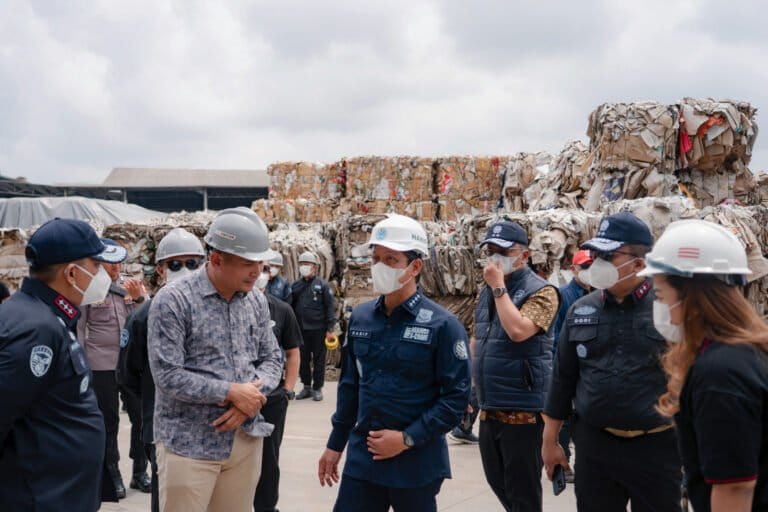
The enforcement action led by the Ministry of Environment was supported by a joint verification team including the Banten Provincial Environmental Office (DLH). The investigation uncovered several critical technical discrepancies in the factory’s operational protocols, particularly concerning its "Biomass Boiler 1."
Rizal Irawan, the Deputy for Environmental Law Enforcement at the Ministry of Environment, outlined the specific failures that led to the suspension. The inspection revealed that the quality of the fuel used in the boiler did not meet the required standards for clean combustion. Furthermore, the emission control equipment—designed to filter out particulate matter and harmful gases before they reach the atmosphere—was found to be performing far below its rated efficiency.
As a result of these findings, the KLH has imposed several mandatory conditions on PT Panca Kraft Pratama:
- Immediate Cessation: All operations involving Biomass Boiler 1 must stop until corrective measures are verified.
- Fuel Standardization: The company is strictly prohibited from using wet sawdust or unprocessed logs as fuel. If the boiler is to be restarted, it must exclusively utilize high-quality woodchips that ensure more complete combustion.
- Equipment Upgrades: The facility must undergo a comprehensive overhaul of its emission control systems to ensure they meet national air quality standards.
- Administrative Compliance: Before any attempt to resume operations, the company must submit a formal notification to the Banten DLH and apply for a revision of its technical permits to reflect the actual conditions of its existing emission sources, backed by expert recommendations.
The Discrepancy: Official Orders vs. Field Reality
One of the most concerning aspects of this case is the apparent defiance of the government’s shutdown order. While the Ministry of Environment officially announced the suspension in mid-February, field monitors from environmental journalists observed continued activity well into March.
Residents confirmed that the factory appears to operate 24 hours a day, seven days a week. Historically, the plant utilized coal-fired boilers, which produced the most visible black smoke. While the company has reportedly made a partial transition to gas, the resulting emissions continue to cause physical discomfort, including stinging eyes and respiratory irritation. The sight of logistics trucks entering and exiting the premises suggests that production levels may not have been significantly curtailed despite the legal mandate.
When approached for comment on March 16, security personnel at the factory’s guard post remained elusive. While they acknowledged the presence of management, they refused to provide names or facilitate an immediate interview, citing the absence of leadership at the time. Despite leaving contact information for follow-up, the company has yet to provide an official response to the allegations of ongoing environmental non-compliance.
Broader Implications for Indonesia’s Environmental Policy
The case of PT Panca Kraft Pratama serves as a microcosm of the broader challenges facing environmental enforcement in Indonesia. As an emerging industrial powerhouse, Indonesia must balance economic growth with the protection of its natural resources and the health of its citizens. The "Blue Sky" initiatives and the strict enforcement of Law No. 32 of 2009 on Environmental Protection and Management are central to this effort.
The Ministry’s decision to target the biomass boiler is particularly significant. While biomass is often touted as a "greener" alternative to coal, the use of substandard materials like wet sawdust can actually lead to higher levels of particulate matter (PM2.5) and carbon monoxide compared to well-regulated fossil fuel systems. This highlights the need for rigorous oversight not just of what fuel is being used, but how it is being burned.
Furthermore, this incident underscores the vital role of community-based monitoring. Without the initial complaint from LSM GMBI Banten, the violations at the Karawaci plant might have continued indefinitely. This emphasizes the importance of the "Aduan Lingkungan" (Environmental Complaint) system, which allows citizens to act as the eyes and ears of the Ministry in industrial corridors that are difficult to patrol constantly.
Analysis of Potential Consequences
If PT Panca Kraft Pratama continues to ignore the Ministry’s directives, it could face escalating legal consequences. Under Indonesian law, continued defiance of administrative sanctions can lead to the permanent revocation of business permits and even criminal prosecution for the company’s executives. Criminal penalties for environmental pollution can include heavy fines and imprisonment, especially if the pollution is proven to have caused bodily harm or death to residents.
From an economic perspective, the suspension of operations poses a risk to the company’s supply chain and its workforce. However, the Ministry of Environment has maintained that environmental compliance is a non-negotiable cost of doing business. The long-term costs of environmental remediation and public healthcare far outweigh the short-term expenses of installing proper filtration systems and sourcing standardized fuel.
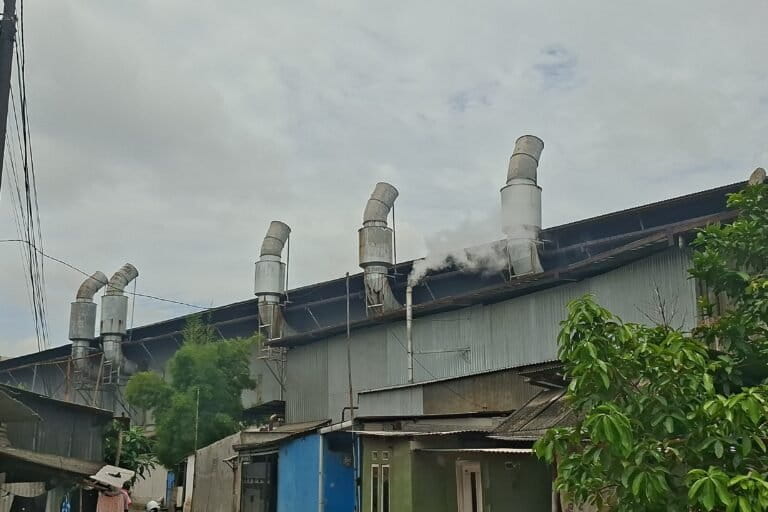
As the situation develops, the focus will remain on whether the Ministry of Environment will take more drastic steps to enforce its "seal" on the facility. The persistence of smoke from the chimneys and the movement of trucks serve as a visible challenge to the authority of the KLH. For the people of Karawaci and the millions who depend on the Cisadane River, the resolution of this conflict is not just a matter of regulatory paperwork, but a necessity for their continued survival and well-being. The government’s ability to hold PT Panca Kraft Pratama accountable will be a litmus test for the future of environmental justice in the region.