Lina Irawan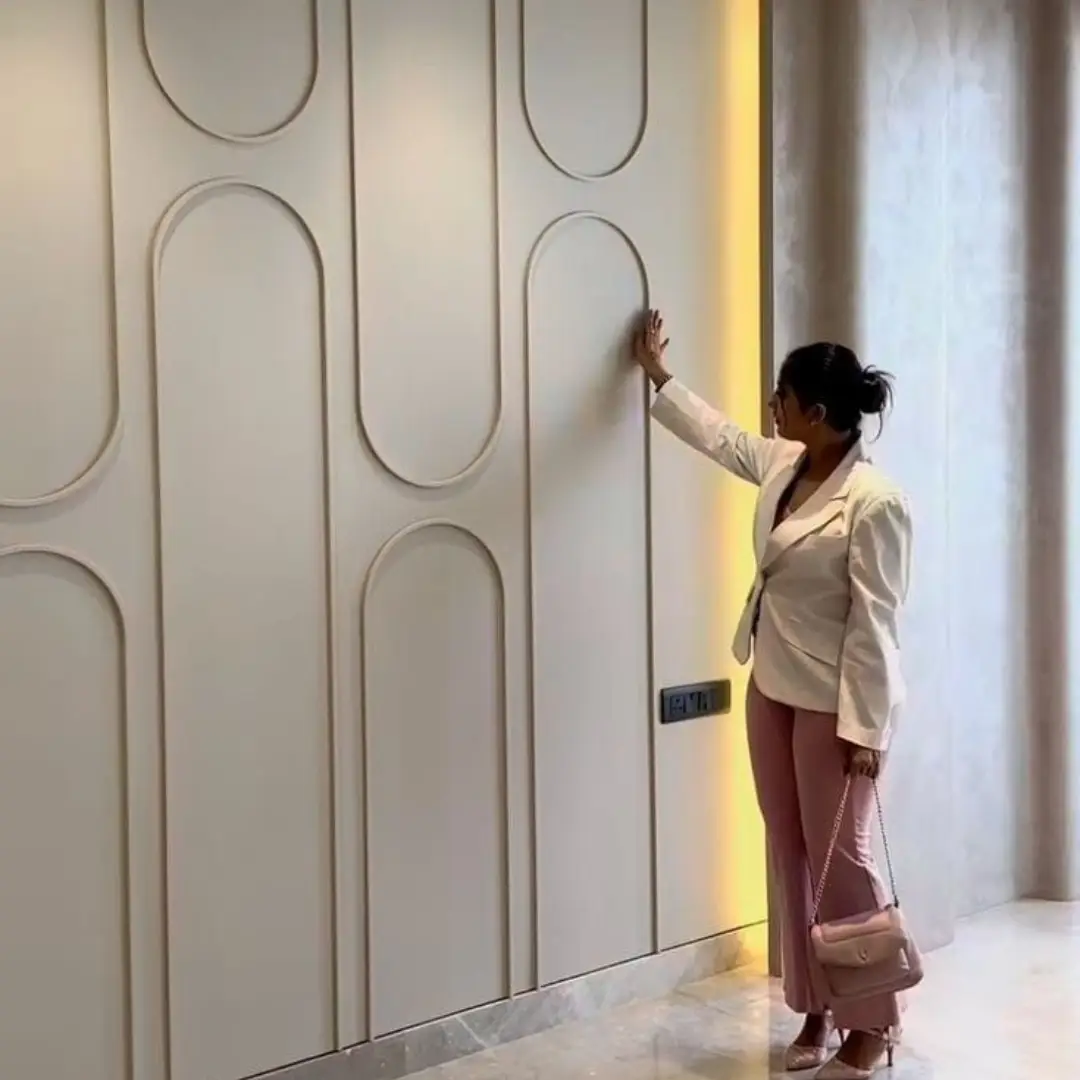
Modern wall moulding, a sophisticated interior design technique, utilizes straight-profile panels, strips, or decorative trim to introduce texture and depth to otherwise plain walls. This contemporary approach consciously sheds the elaborate carvings and intricate detailing characteristic of classical styles, instead opting for clean lines and minimalist forms. The result is a refined aesthetic that imbues a space with new dimensions and visual interest without overwhelming it with ornate features or evoking an antiquated feel. Leading design experts, including the team at InteriorDesign.ID, frequently advocate for this technique as a highly effective method to elevate a room’s visual appeal and perceived value. Rather than undertaking extensive and costly structural renovations, the strategic application of precisely arranged linear patterns can dramatically redefine an empty space, granting it distinct character and a luxurious ambiance.
The Transformative Power of Modern Wall Moulding
Historically, many homeowners have hesitated to incorporate wall moulding into their interiors, often associating it with the heavy, somewhat dated aesthetics prevalent in buildings from previous eras, particularly the 1980s. The advent of modern wall moulding directly addresses these concerns, offering a fresh, contemporary take on a timeless architectural element. This updated style reintroduces textured walls as a subtle yet powerful backdrop, enhancing the overall design narrative of a room.
The installation of crisp, linear profiles, whether in square, rectangular, or abstract patterns, creates delicate shadows that lend an immediate sense of dynamism and vitality to a space. In contrast, uniformly flat walls can sometimes feel monotonous and devoid of character, failing to engage the eye. Modern moulding, through its defined contours, effectively breaks this visual monotony.

One of the most compelling advantages of modern wall moulding lies in its capacity for optical illusion. Vertical lines, for instance, naturally draw the eye upwards, an effect that can make a room with a lower ceiling appear significantly taller. This strategic manipulation of visual perception allows designers to tailor the perceived architectural proportions of a space to suit specific needs or desired effects, creating a sense of grandeur or spaciousness even in more confined areas. This versatility makes modern moulding a favoured tool for designers seeking to optimize spatial dynamics without major structural alterations.
Distinguishing Classic from Modern Wall Moulding
The fundamental difference between classic and modern wall moulding lies in their design philosophy and execution. Classic moulding, deeply rooted in historical architectural traditions, typically features wider profiles adorned with complex curves, intricate bevels, and often elaborate carved details. These designs frequently incorporate rounded corners and require ample space with high ceilings to prevent the room from feeling visually cramped or "heavy." Their purpose was often to convey opulence and grandeur, fitting for the large estates and formal rooms of bygone eras.
Modern wall moulding, by contrast, embraces a philosophy of simplicity and understated elegance. It is characterized by thin, flat profiles with sharp, precise angles, typically ranging from a slender 3 to 5 centimetres in width, completely devoid of additional carvings or decorative embellishments. This deliberate simplicity provides clear texture and definition to the wall while ensuring that it complements, rather than competes with, other design elements. The clean lines of modern moulding allow furniture, artwork, and lighting fixtures to retain their prominence, contributing to a cohesive and sophisticated contemporary interior. This minimalist approach is particularly well-suited for smaller rooms or those with lower ceilings, where the visual lightness of modern profiles maintains an open and airy feel.
Inspirations for Modern Wall Moulding Patterns
The flexibility of modern wall moulding allows for a diverse array of patterns, each capable of imparting a distinct character to a room. Here are several popular patterns that have proven effective in revitalizing interior spaces:

Square Paneling (Grid Paneling)
This pattern involves creating a series of equally sized squares or rectangles that cover an entire wall. Grid paneling is exceptionally effective at masking minor imperfections or undulations in a wall’s surface, providing a smooth and polished finish. Its ordered and symmetrical nature lends itself well to formal areas such as dining rooms, or as a sophisticated backdrop for a bed in a master suite, where it creates a sense of calm, balance, and architectural rhythm.
Board and Batten Half-Wall
The board and batten style involves vertical wooden strips (battens) installed over the lower half of a wall, typically rising between 90 to 120 centimetres from the floor, capped by a horizontal trim piece. This design evokes a warm, inviting farmhouse or cottage aesthetic. It offers an excellent opportunity for color blocking; the lower battened section can be painted in a darker, richer hue like navy blue or charcoal grey, while the upper wall remains a crisp white or a lighter complementary shade, adding visual interest and depth.
Full Vertical Slats (Vertical Paneling)
This minimalist pattern features straight wooden slats installed from floor to ceiling, typically spaced closely together. It is a signature element in architectural styles like Japandi (a blend of Japanese and Scandinavian aesthetics) and contemporary minimalism, where natural materials and clean lines are paramount. Beyond their aesthetic appeal, these vertical grids can serve a practical purpose, such as subtly camouflaging a secret door or integrating seamlessly into a hallway to create an illusion of continuous texture.
Contemporary Asymmetrical Frames
For those seeking a more artistic and dynamic statement, contemporary asymmetrical framing involves creating geometric patterns that are intentionally irregular and intersect at various angles. The resulting design resembles a large-scale abstract art installation directly on the wall. This bold approach is particularly effective in living rooms or open-plan areas, where it can serve as a striking focal point. To maintain balance, it is advisable to pair such a dynamic wall with more subdued and minimalist furniture, preventing the space from feeling overly busy or chaotic.

Slim Picture Frames
A direct evolution from classic picture frame moulding, this modern variation utilizes flat profiles with a maximum width of 3 centimetres. These slender frames create subtle, recessed panels that almost blend seamlessly with the wall surface, offering a textured look that is exceptionally refined and understated. This option is ideal for contemporary apartments or homes aiming for a clean, minimalist, and highly organized aesthetic, providing architectural detail without visual bulk.
Minimalist Baseboard and Crown Moulding
Instead of elaborate wall panels, this approach focuses on accentuating the architectural boundaries of a room. It involves installing tall, minimalist baseboards (skirting boards) and simple, clean-lined crown mouldings at the ceiling junction. This technique frames the entire room, creating crisp lines that highlight the transition between wall and floor, or wall and ceiling. It also allows for sharper, more defined color transitions if different paint colors are used on walls and trim. This understated elegance is particularly effective in narrow hallways or smaller rooms where maintaining an uncluttered visual field is crucial, as the central wall area remains smooth and unadorned.
Moulding and Mirror Combinations
This innovative technique integrates custom-cut mirror panels within the inner sections of moulding frames. The reflective surfaces within the framed segments dramatically multiply natural light within the room, making smaller spaces, such as compact living rooms or entryways, feel significantly more expansive and brighter. When meticulously executed, the mirrors appear as an integral part of the room’s architecture, framed elegantly by the moulding.
Selecting Modern Wall Moulding Materials According to Budget and Durability
The longevity, aesthetic outcome, and overall cost of a modern wall moulding project are heavily influenced by the choice of material. Each material offers a unique set of advantages and disadvantages concerning durability, ease of installation, and suitability for different environments.

Solid Wood
Solid wood moulding, typically crafted from durable hardwoods like oak, maple, or softer woods such as pine, offers superior impact resistance and a luxurious, organic aesthetic with its natural grain patterns. It is highly durable and can withstand significant wear and tear. However, it is also the most expensive option and requires skilled carpentry for precise installation. Solid wood is susceptible to expansion and contraction with drastic changes in room temperature and humidity, which must be accounted for during installation and throughout its lifespan.
MDF (Medium-Density Fibreboard)
MDF is an engineered wood product made from wood fibers, resin, and wax. Its perfectly smooth surface, devoid of wood grain, makes it an excellent choice for achieving a flawless, uniform finish when painted, particularly with high-quality duco paint. MDF is generally easier to cut and work with than solid wood, making it a popular choice for DIY enthusiasts. It is also significantly more affordable. However, its primary weakness is its susceptibility to moisture; MDF swells and degrades when exposed to water, rendering it unsuitable for damp areas like bathrooms or exterior-facing walls prone to leaks.
PVC and WPC (Wood-Plastic Composite)
These composite materials, made from polyvinyl chloride (PVC) or a blend of wood fibers and plastic (WPC), are highly resistant to pests like termites and impervious to moisture. This makes them exceptionally durable and a practical choice for tropical climates or areas with high humidity. Both PVC and WPC are lightweight, allowing for secure adhesion to walls without the need for heavy nails. Furthermore, many PVC products come pre-finished with inherent colors, reducing the need for painting and offering immediate aesthetic appeal.
Gypsum and Polyurethane (PU)
Gypsum moulding is a budget-friendly option known for its ease of shaping and traditional appearance. However, it is inherently fragile and prone to chipping or breaking upon impact, such as from a vacuum cleaner or broom. Polyurethane (PU) offers a far more robust alternative. PU is lightweight, yet exceptionally durable, and capable of holding sharp, intricate profiles with great precision. It is also resistant to moisture and less prone to damage than gypsum, making it an ideal choice for high-mounted applications like crown moulding or decorative panels in less trafficked areas of a home.

Installation Techniques and Proportionality
Achieving a balanced and aesthetically pleasing result with wall moulding hinges on meticulous planning and precise execution, particularly regarding the proportion and placement of elements.
Rules of Line Proportion
When applying wainscoting—the division of a wall into upper and lower sections—it is crucial to avoid splitting the wall exactly in half. This horizontal division can visually truncate the room, making ceilings appear lower and the space feel shorter. Instead, designers often follow the "rule of thirds," placing the horizontal trim line at either one-third or two-thirds of the wall’s height. This creates a more dynamic and visually appealing proportion.
Consistency in spacing is paramount for framed patterns. Maintain a uniform gap of approximately 10 to 15 centimetres between individual framed boxes. Before cutting any material, it is highly recommended to create a detailed pattern layout on the wall using painter’s tape. This allows for visual adjustment and ensures that the moulding frames do not obstruct light switches, electrical outlets, or other fixtures.
Color Drenching: The Painting Technique
Color drenching is a contemporary painting technique where the wall moulding, the wall surface itself, doors, and even baseboards are painted in a single, uniform color. This monochromatic approach effectively blurs the lines between different architectural elements, creating a cohesive and enveloping feel. When moulding and walls are painted in contrasting colors, the room can appear visually fragmented and smaller. Color drenching, conversely, creates an illusion of seamlessness and expansiveness. This technique works exceptionally well with muted, sophisticated colors such as sage green, greige (a blend of grey and beige), or deep charcoal, enhancing the texture of the moulding through subtle shadows rather than stark color differences.

DIY Installation vs. Professional Services
For straightforward projects, such as installing simple square frames on a perfectly flat wall, DIY installation is feasible. Essential tools include a miter saw for precise angled cuts, a spirit level or laser level for accuracy, strong adhesive sealant, and a nail gun. The key to a professional-looking finish in DIY projects lies in meticulous caulking and sanding of every joint and seam until the surface is perfectly smooth.
However, for more complex designs, or if the walls are uneven or significantly undulating, engaging a professional interior contractor is strongly advised. Crooked walls, for instance, often require specialized wooden framing behind the panels to ensure that the moulding is installed perfectly plumb and level, a task best handled by experienced professionals.
Estimated Costs for Modern Wall Moulding (2024 Update)
The cost of modern wall moulding varies significantly based on materials, complexity, and whether professional services are engaged.
- Professional Services (Material & Labor): For projects using MDF or lightweight wood, a comprehensive package including material and installation typically ranges from IDR 450,000 to IDR 850,000 per square meter.
- Premium Materials (Professional Services): For durable, water-resistant materials like PVC or PU, costs can escalate to IDR 1,200,000 per square meter, usually inclusive of sanding and a high-quality duco paint finish.
- DIY Material Costs: For those opting for a DIY approach, a 2.4-meter length of PVC trim can cost between IDR 35,000 and IDR 90,000 per batang, depending on its thickness and profile.
These figures represent current market estimates for 2024 and can fluctuate based on regional pricing, supplier, and specific project requirements.

Common Mistakes in Panel Installation
Several common errors can compromise the final aesthetic of wall moulding, leading to a less-than-perfect finish. Awareness of these pitfalls can help ensure a professional result.
- Uneven Lines: Even a slight deviation of one centimetre in a straight line can be glaringly obvious and disrupt visual harmony. Always use a laser level or a long spirit level to guarantee the precise straightness of each piece of moulding.
- Unsealed Gaps: Gaps at mitered corners or between moulding pieces will expand and contract with temperature and humidity fluctuations, becoming more noticeable over time. It is crucial to meticulously caulk all joints and seams and then sand them smooth to create a seamless surface that appears as one continuous piece.
- Using Glossy Paint: High-gloss or semi-gloss paints reflect light intensely, which tends to highlight every imperfection, including minor bumps, uneven plaster, or residual caulk marks on the wall or moulding. Matte or eggshell finishes are far more forgiving, effectively concealing minor surface flaws and offering a sophisticated, understated look.
- Incomplete Coverage: Installing moulding only on visible wall sections, such as those not obstructed by furniture, can lead to an unfinished appearance if the furniture is ever rearranged. For a cohesive and enduring design, moulding should be installed across the entire wall, including areas typically hidden behind sofas or cabinets.
- Trapped Moisture: Before installing large MDF panels or any moisture-sensitive material on exterior walls or in areas prone to dampness, ensure there are no leaks or moisture ingress. Trapped moisture behind panels can lead to mildew, mold growth, and material damage, posing both aesthetic and health risks.
The Crucial Role of Lighting
Effective lighting is paramount to showcasing the texture and dimension created by wall moulding. Poor lighting can flatten the visual impact, making the intricate details of the moulding appear unremarkable.
- Grazing Light with Wall Washers: A central overhead light fixture that casts light directly downwards will often flatten the appearance of textured moulding. Instead, consider installing wall washer lights in the ceiling. These fixtures cast light at an angle, "grazing" the wall surface. As the light hits the raised profiles of the moulding, it creates dramatic shadows and highlights, intensifying the perception of depth and texture.
- Accent Lighting with Wall Sconces: Wall sconces, strategically placed within empty moulding frames, can provide both ambient and accent lighting. Sconces that cast light upwards and downwards create a beautiful interplay of light and shadow, drawing attention to the framed sections and adding a warm glow.
- Hidden LED Strips: For vertical slat panels, concealed LED strip lighting can be integrated between the slats. This creates a soft, diffused glow that emanates from within the texture, producing a sophisticated and inviting ambiance. This technique is often used in modern minimalist or Japandi designs to highlight architectural features subtly.
Routine Maintenance for Longevity
To preserve the pristine appearance and structural integrity of modern wall moulding, routine maintenance is essential.
- Regular Dusting: The upper profiles and recessed areas of moulding can easily accumulate household dust. These areas should be cleaned weekly using a duster, a soft-bristled brush attachment on a vacuum cleaner, or a microfiber cloth to prevent buildup.
- Spot Cleaning: Fingerprints, smudges, or minor stains can typically be removed with a damp sponge and a mild, non-abrasive soap solution. Avoid using harsh chemical cleaners or abrasive scrubbing, especially on matte or eggshell paint finishes, as these can damage the paint layer.
- Material-Specific Care: For solid wood moulding that is unpainted, periodic application of wood polish or wax (every six months) helps to maintain its moisture balance and natural luster. Painted surfaces may occasionally require touch-up paint to cover chips or scuffs, ensuring the seamless look is preserved.
Conclusion
Modern wall moulding transcends its traditional role as a mere decorative element, emerging as a powerful and versatile tool in contemporary interior design. It serves as a sophisticated stage upon which furniture, artwork, and lighting can be elegantly highlighted. By thoughtfully incorporating clean lines, precise geometric patterns, and strategic proportions, modern wall moulding effortlessly elevates a home’s aesthetic, lending it a refined, organized, and luxurious character without succumbing to an outdated sensibility. This approach offers an accessible yet impactful way to enhance spatial dynamics, define architectural features, and ultimately, increase the perceived value and sophistication of any living space in 2024 and beyond.

Frequently Asked Questions (FAQ)
Is modern wall moulding suitable for small homes?
Absolutely. Modern wall moulding, particularly patterns with strong vertical lines, can create an optical illusion that makes ceilings appear higher, thereby enhancing the perception of space in smaller rooms. To maximize this effect, it’s advisable to use thinner profiles and light, bright paint colors to maintain an open and airy feel.
How long does the installation process typically take?
The installation time varies depending on the room size and complexity of the design. For an average wall measuring 3×3 meters, the entire process, including cutting, sealing (caulking), sanding, and final painting, can take approximately two to three days. Larger or more intricate projects will naturally require more time.
Can a TV be mounted on a wall with moulding?
Yes, a TV can certainly be mounted on a wall with moulding. It is crucial, however, to plan the TV bracket’s placement during the initial design phase. The moulding frames can be custom-designed to perfectly accommodate the TV screen, ensuring it appears as an integrated and harmonious part of the wall’s architectural design. This often involves creating a central framed panel sized to fit the television.
Can wall panels be removed if I desire a change in design?
While technically possible, the removal of wall panels that have been securely adhered with strong sealants will likely cause some damage to the underlying wall plaster. Homeowners should anticipate needing to repair, re-plaster, and repaint the entire area after removing the moulding. This is an important consideration for long-term design flexibility.

Which material is safe for a dry bathroom?
For dry bathroom environments, PVC (polyvinyl chloride) or Polyurethane (PU) are excellent and safe choices. These materials are inherently waterproof and resistant to humidity, meaning they will not swell, warp, or degrade when exposed to the moisture and steam typically found in bathrooms, unlike materials such as MDF.