Eko Sulistyo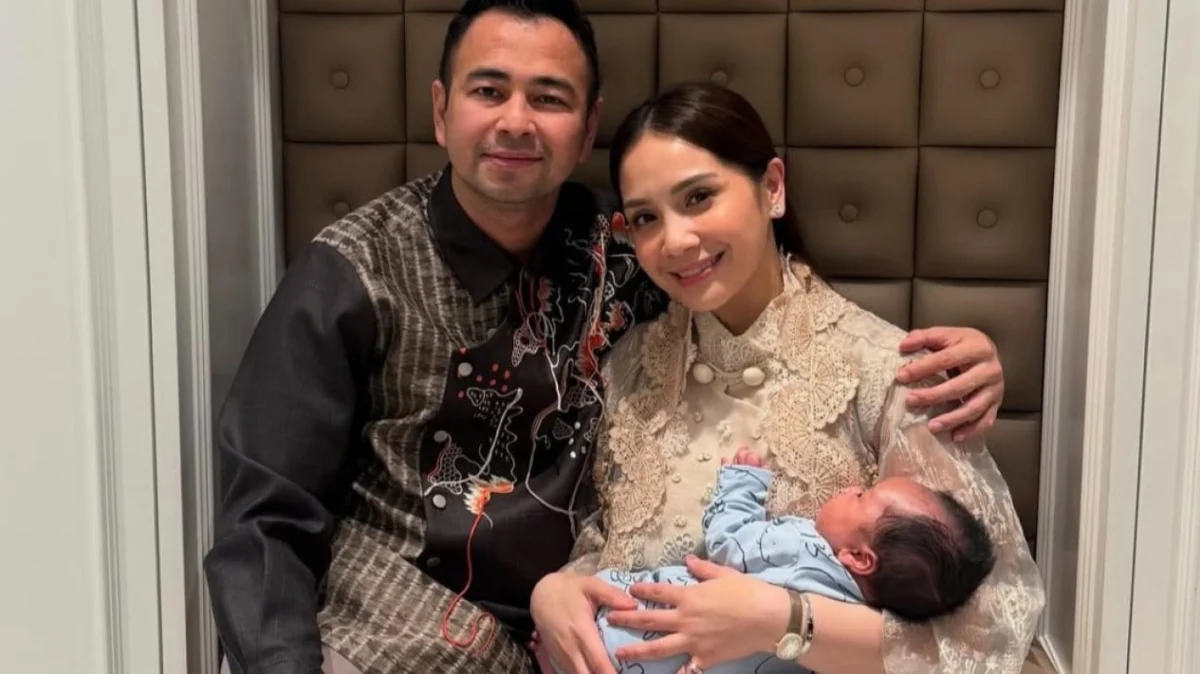
Nagita Slavina, a prominent Indonesian entrepreneur and media personality, has officially addressed the widespread public speculation regarding the presence of a newborn baby boy in her household. For several weeks, social media platforms have been abuzz with images and short clips of Nagita and her husband, Raffi Ahmad, caring for a baby frequently referred to as Muhammad by their children, Rafathar and Rayyanza. The intimate nature of these interactions led many fans and followers to conclude that the couple, often dubbed the "Sultan of Andara," had expanded their family through a second adoption, following their previous high-profile welcoming of a baby girl named Lily. However, in a recent televised appearance on March 22, 2026, Nagita provided a comprehensive clarification, revealing that their involvement with the infant is part of a structured social initiative known as the foster family program.
The clarification comes at a time when celebrity personal lives are under intense scrutiny, and the act of adoption or fostering is often misunderstood by the general public. Nagita explained that the baby boy is not a permanent addition to the family in the legal sense of adoption but is instead being cared for under a temporary arrangement. This distinction is crucial, as it highlights a specific form of social service that remains relatively under-discussed in mainstream Indonesian media despite its vital importance to child welfare systems.
The Chronology of Public Speculation
The rumors began to circulate in early 2026 when various vlogs and Instagram stories from the Ahmad family’s official accounts showed a new infant being cradled by Nagita and Raffi. The presence of the baby, whom the couple’s sons appeared to treat as a younger sibling, immediately sparked a viral conversation. Given the couple’s history of philanthropy and their previous announcement regarding the adoption of baby Lily, the public assumption shifted toward a permanent adoption.
The lack of an immediate official statement allowed various theories to gain traction. Some netizens speculated about the baby’s origins, while others praised the couple for their perceived generosity. The momentum of the story grew as fan-made accounts compiled "proof" of the new family member, leading to a situation where Nagita felt it necessary to set the record straight to prevent further misinformation. By mid-March, the pressure for a statement reached a peak, culminating in the interview where Nagita detailed her role as a foster parent.
Defining the Foster Family System in Indonesia
During her clarification, Nagita Slavina emphasized that she is registered as a foster parent with a specific foundation. "Actually, this is the latest of several babies who have been entrusted to our home," Nagita stated during the broadcast. She explained that her role is to act as a "foster home" or "foster family" for a duration of several months. This arrangement is facilitated by a recognized social foundation that manages the welfare of children who are temporarily unable to live with their biological families.

To understand the context of Nagita’s statement, it is essential to look at the definitions provided by international and local child welfare organizations. According to UNICEF, a foster family provides a form of alternative care for children who cannot live with their biological parents. Unlike adoption, which is a permanent legal transfer of parental rights and responsibilities, foster care is inherently temporary. The primary goal of a foster family is to provide a safe, nurturing, and stable environment while a permanent long-term solution is sought for the child. This solution might include reunification with the biological family, placement with extended kin, or eventual permanent adoption by another family.
In Indonesia, the practice of foster care is regulated by the Ministry of Social Affairs (Kemensos). Government Regulation (PP) No. 44 of 2017 regarding the implementation of child care provides the legal framework for "Asuhan Anak." This regulation outlines that child care through foster families is intended to meet the basic needs of children and ensure their physical, mental, and social development.
The Legal and Emotional Requirements of Fostering
Becoming a foster parent is a rigorous process that involves more than just financial capability. While the Ahmad family is well-known for their wealth, Nagita pointed out that the commitment is primarily emotional and administrative. Foundations and government agencies require potential foster parents to undergo a selection process, which often includes psychological evaluations, background checks, and home visits to ensure the environment is suitable for a child’s growth.
The role of a foster family is to bridge the gap between a child’s crisis and their long-term stability. This requires a high degree of empathy, as the foster parents must be prepared to provide full parental love while knowing that the child will eventually leave their care. Nagita’s involvement indicates a commitment to this difficult emotional balance. She noted that the babies are entrusted to her for a few months before they move on to the next stage of their care plan. This "transitional care" is vital for infants, as the first few months of life are critical for sensory development and emotional bonding—needs that are often harder to meet in large institutional settings like traditional orphanages.
Supporting Data on Child Welfare in Indonesia
The need for foster families in Indonesia is significant. Data from the Ministry of Social Affairs suggests that thousands of children enter the state’s care system annually due to various factors, including economic hardship, abandonment, or the loss of parents. While institutional care (orphanages) has been the traditional response, modern child welfare philosophy, supported by UNICEF and Save the Children, advocates for "family-based care."
Studies show that children raised in family environments, even temporary ones, show better cognitive and emotional development compared to those raised in institutions. By participating in a foster program, high-profile figures like Nagita Slavina and Raffi Ahmad are inadvertently bringing attention to this family-based care model. Their participation serves as a high-visibility case study for how private citizens can contribute to the social safety net without necessarily committing to the lifelong legal process of adoption for every child in need.

Broader Implications and Public Reaction
The reaction to Nagita’s clarification has been largely positive, shifting the narrative from celebrity gossip to a discussion on social responsibility. Social media analysts note that Nagita’s explanation has educated a large segment of the population on the difference between "foster" and "adoptive" roles. In the Indonesian cultural context, where the term "anak angkat" (adopted child) is often used loosely to cover various types of care, this distinction provides necessary clarity.
Furthermore, the involvement of the Ahmad family in such programs may influence other affluent families or individuals to consider fostering. The "influencer effect" in Indonesia is profound; when a figure of Nagita’s stature validates a social program, it often leads to an increase in inquiries to the relevant foundations. This could potentially expand the pool of available foster homes in Jakarta and surrounding areas, providing more children with the opportunity to experience a family setting.
The Psychological Impact on the Household
A significant aspect of Nagita’s explanation involved the impact on her own children. By bringing foster children into their home, Raffi and Nagita are exposing Rafathar and Rayyanza to the concepts of sharing, empathy, and social service from a young age. Nagita mentioned that her children have welcomed the babies, referring to the current infant as Muhammad.
Psychologists suggest that growing up in a home that practices fostering can help children develop a stronger sense of social justice and emotional intelligence. However, it also requires careful parenting to explain the temporary nature of the visits, ensuring that the biological children understand why a "sibling" may eventually leave. Nagita’s statement that "this is the latest of several babies" suggests that the family has already established a routine and a psychological framework for these transitions.
Conclusion: A Model for Modern Philanthropy
The clarification provided by Nagita Slavina serves as more than just a debunking of a rumor; it offers a glimpse into a sophisticated form of philanthropy that prioritizes direct action and emotional labor over simple monetary donations. By opening their home as a "foster family," Nagita and Raffi Ahmad are participating in a global movement toward family-based alternative care for vulnerable children.
As the baby boy, Muhammad, continues his temporary stay with the family, the public now views the situation through a lens of social advocacy rather than mere curiosity. The collaboration between private individuals, foundations, and the state through foster care remains a vital component of the Indonesian social welfare system. Nagita’s transparency helps to destigmatize the complexities of child care and highlights the various ways the community can support the youngest and most vulnerable members of society. Moving forward, this event may serve as a catalyst for more robust discussions regarding child protection laws and the promotion of foster care as a viable and heroic path for Indonesian families.