Nila Kartika Wati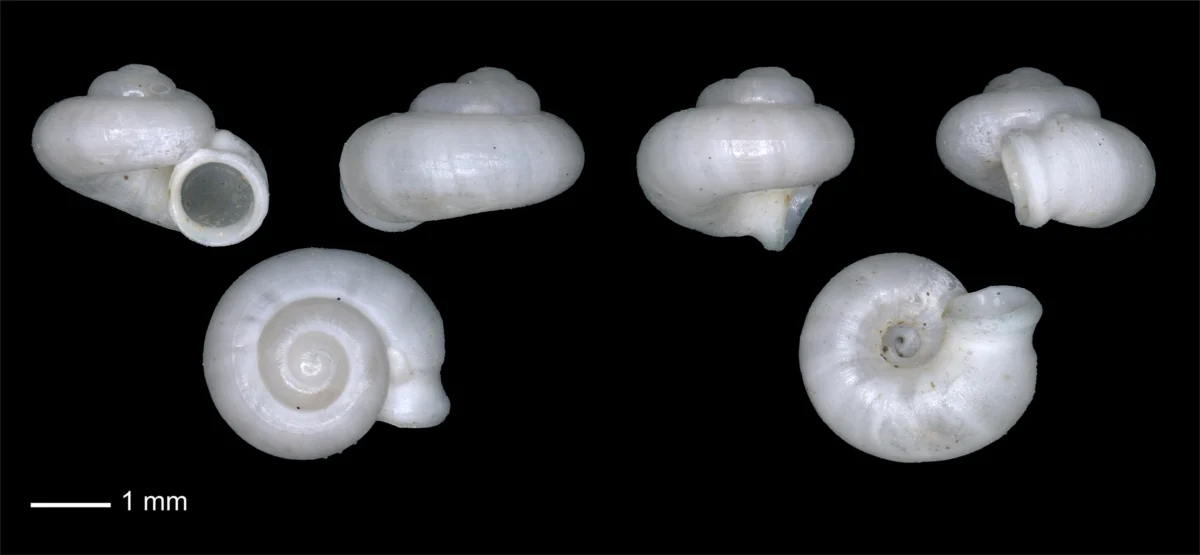
The discovery and formal description of a new species of land snail, Chamalycaeus dayangmerindu, by researchers from Indonesia’s National Research and Innovation Agency (BRIN) in early March 2026, has cast a renewed spotlight on the biological and ecological significance of the karst ecosystems in South Sumatra. This tiny mollusk, found exclusively within the Padang Bindu Karst region of Ogan Komering Ulu, serves as a poignant reminder of the "hidden" biodiversity that thrives in Indonesia’s limestone landscapes—areas that are as fragile as they are scientifically valuable. The species belongs to the Caenogastropoda group, characterized by the possession of an operculum, a small anatomical "trapdoor" used to seal the shell’s aperture. Beyond its taxonomic novelty, the discovery underscores the critical role of karst formations as reservoirs of endemism and as vital indicators of environmental stability in an era of rapid habitat transformation.
Taxonomic Significance and the Legend of Dayang Merindu
The formal identification of Chamalycaeus dayangmerindu was detailed in the scientific journal ZooKeys by a team of researchers led by Aulia and colleagues. The species is a member of the Cyclophoroidea superfamily, a diverse group of land snails that has long fascinated malacologists due to its high levels of site-specific endemism. Prior to this discovery, the known diversity of Cyclophoroidea in the region stood at 90 species, with 29 of those (including nine subspecies) recognized as endemic. The addition of C. dayangmerindu not only expands this list but also provides deeper insight into the evolutionary history of the Alycaeninae subfamily in the Sunda Shelf region.
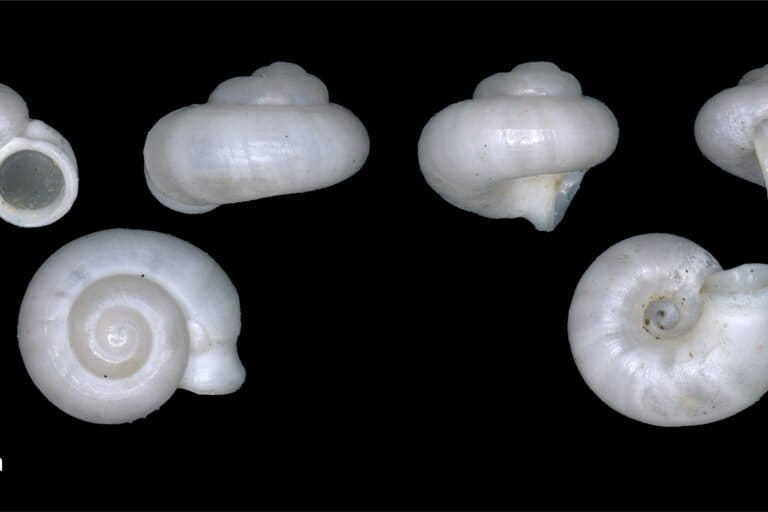
The naming of the snail draws from local cultural heritage, specifically the legend of Putri Dayang Merindu, a figure central to the folklore surrounding the caves of South Sumatra. According to local myth, the beautiful princess was turned into stone by a traveling sage, and her presence is said to haunt the Gua Putri (Princess Cave), one of the sites where the research was conducted. By weaving local nomenclature into scientific taxonomy, the researchers have created a bridge between biological science and the cultural identity of the Ogan Komering Ulu Regency, highlighting how natural history and human mythology are often intertwined in Indonesia’s rural landscapes.
The Research Chronology: Unveiling the Micro-Malacofauna of Padang Bindu
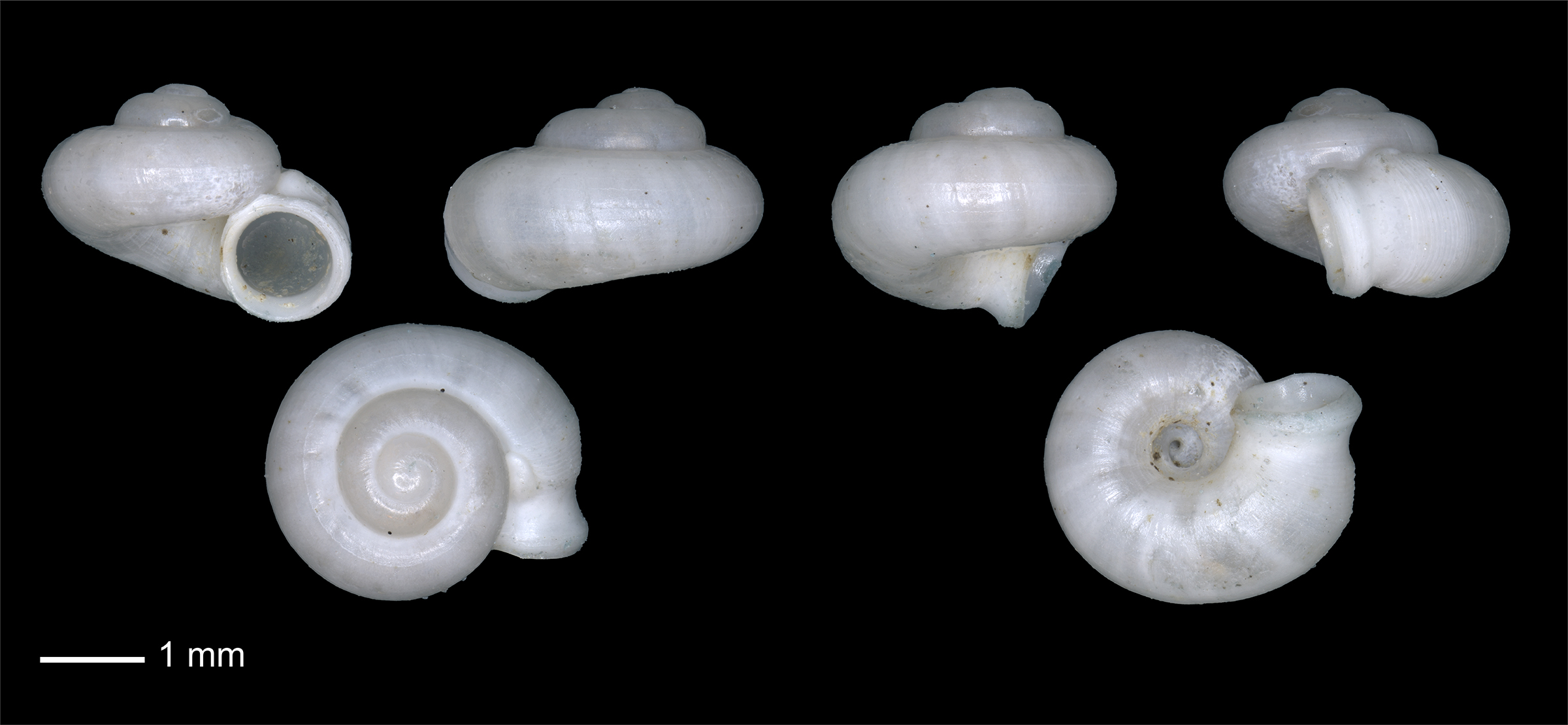
The discovery of C. dayangmerindu was the result of an intensive field survey aimed at documenting the malacofauna (mollusk life) of the Padang Bindu Karst. During the expedition, researchers meticulously collected a total of 3,780 specimens belonging to the Cyclophoroidea superfamily. The study focused on three primary cave systems: Gua Harimau (Tiger Cave), Gua Putri (Princess Cave), and Gua Selabe. These caves are part of a larger karst network that has been the subject of both biological and archaeological interest for decades.
In addition to the new species, the BRIN team identified four other species endemic to Sumatra within the same survey area: Diplommatina liwaensis (first described in 1898), Diplommatina wilhelminae (2002), and Plectostoma kitteli (2002), all belonging to the Diplommatininae subfamily. The presence of these species alongside the newly discovered C. dayangmerindu confirms that the Padang Bindu Karst is a "hotspot" of malacological diversity. Many of these snails are considered "micro-snails," with shell diameters and heights measuring less than five millimeters. Due to their diminutive size, they are frequently overlooked in general biodiversity assessments, leading scientists like Ayu Savitri Nurinsiyah, a senior researcher at BRIN’s Research Center for Biosystematics and Evolution, to categorize them as "neglected species."
Ecological Indicators: The Snail as a Sentinel of Habitat Health
While often ignored by the public, land snails like C. dayangmerindu are vital to the health of their ecosystems. Dr. Nurinsiyah emphasizes that these mollusks are exceptional ecological indicators. Because land snails have low mobility and specific physiological requirements—particularly a need for high calcium carbonate levels to build their shells and consistent moisture to prevent desiccation—their presence or absence can tell scientists a great deal about the health of a forest or karst system.
A 2016 study conducted by Dr. Nurinsiyah and her colleagues in East Java demonstrated that land snail compositions change dramatically based on land use. Primary forests serve as the final strongholds for native species, particularly those in the prosobranch group (snails with gills and opercula), while disturbed habitats such as plantations and agroforestry areas are typically dominated by introduced or invasive species. Therefore, the continued existence of C. dayangmerindu in its natural habitat is a sign of long-term environmental stability. Conversely, any decline in its population would serve as an early warning of habitat degradation, drought, or the loss of the forest canopy that maintains the cool, humid microclimate these snails require.
The Geological and Archaeological Context of South Sumatra’s Karst
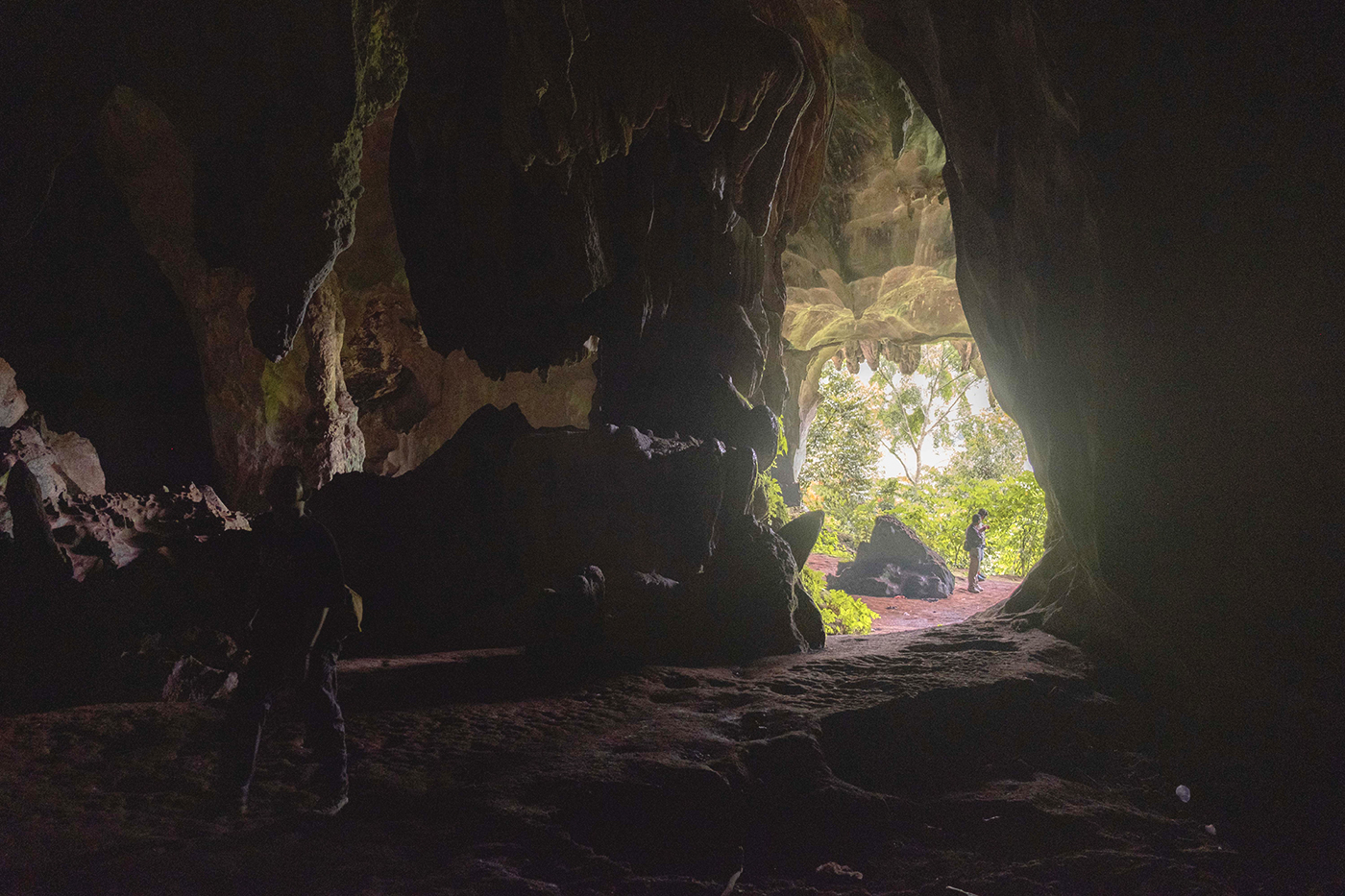
The karst landscapes of Sumatra are not merely piles of rock; they are ancient geological formations that date back to the Paleozoic and Miocene eras, some as old as 536 million years. The South Sumatra region is home to a massive system of karst formations, including the Baturaja and Muaraenim formations, which primarily took shape during the Tertiary and Quaternary periods (approximately 66 million years ago). These rugged terrains, characterized by steep cliffs and porous limestone, have historically been difficult for humans to convert into traditional agricultural land. This "inaccessibility" has turned karst regions into "islands within islands"—biological reservoirs that protect species from the surrounding landscape’s transformation.

Beyond their biological value, these caves are significant archaeological sites. The Padang Bindu area, specifically along the Ogan River, was a major settlement for ancient humans between 10,000 and 2,000 years ago. Gua Harimau has yielded some of the most significant archaeological finds in Southeast Asia, including ancient burials, rock art, and stone tools. Research in 2016 even attempted to trace the DNA of these ancient inhabitants to determine their relationship with modern local populations, though those studies remain ongoing.
In July 2025, a bioarchaeological team reported findings of ancient tropical diseases among the skeletal remains in Gua Harimau, including evidence of malaria, scurvy (vitamin C deficiency), and various skin conditions. While there is no evidence that ancient humans consumed micro-snails like C. dayangmerindu—as they are too small to provide nutritional value—the snails and the humans shared the same environment. The karst provided water, shelter, and resources for humans, while simultaneously acting as a stable evolutionary theater for the snails.
The Vulnerability of Karst: A Global Sustainability Concern
The discovery of a species endemic to such a small, specific area highlights the extreme vulnerability of karst ecosystems. Karst landscapes provide drinking water for more than 20 percent of the global population, yet they are among the most misunderstood and undervalued environments on Earth. Because limestone is porous and soil layers in these regions are often thin, surface water flows directly into underground aquifers with very little natural filtration.
This geological structure means that pollutants—whether from mining, agricultural runoff, or domestic waste—can contaminate vast groundwater reserves almost instantly. As noted by researcher N.Z. Hajna in a 2025 publication regarding global sustainability, "in karst areas, what is disposed of on the surface will eventually appear in the tap water." For a species like C. dayangmerindu, which is sensitive to even minor changes in moisture and chemical composition, the threat of pollution or habitat loss is existential. If the Padang Bindu Karst is compromised by industrial activity or deforestation, this species, which exists nowhere else on the planet, could vanish before it is fully understood.
Implications for Conservation and Future Research
The discovery of Chamalycaeus dayangmerindu serves as a clarion call for the formal protection of karst regions in Indonesia. Currently, many karst areas face threats from cement manufacturing, limestone quarrying, and land conversion for palm oil or rubber plantations. While some caves are protected as cultural or archaeological sites, the broader landscape—including the surrounding forests that regulate the moisture levels within the caves—often lacks stringent environmental safeguards.
Conservationists argue that the "neglected species" status of land snails must change. Integrating malacological surveys into Environmental Impact Assessments (EIAs) could provide a more nuanced understanding of how development projects affect local biodiversity. Furthermore, the discovery emphasizes the need for continued funding for agencies like BRIN to explore Indonesia’s vast, undocumented wilderness.
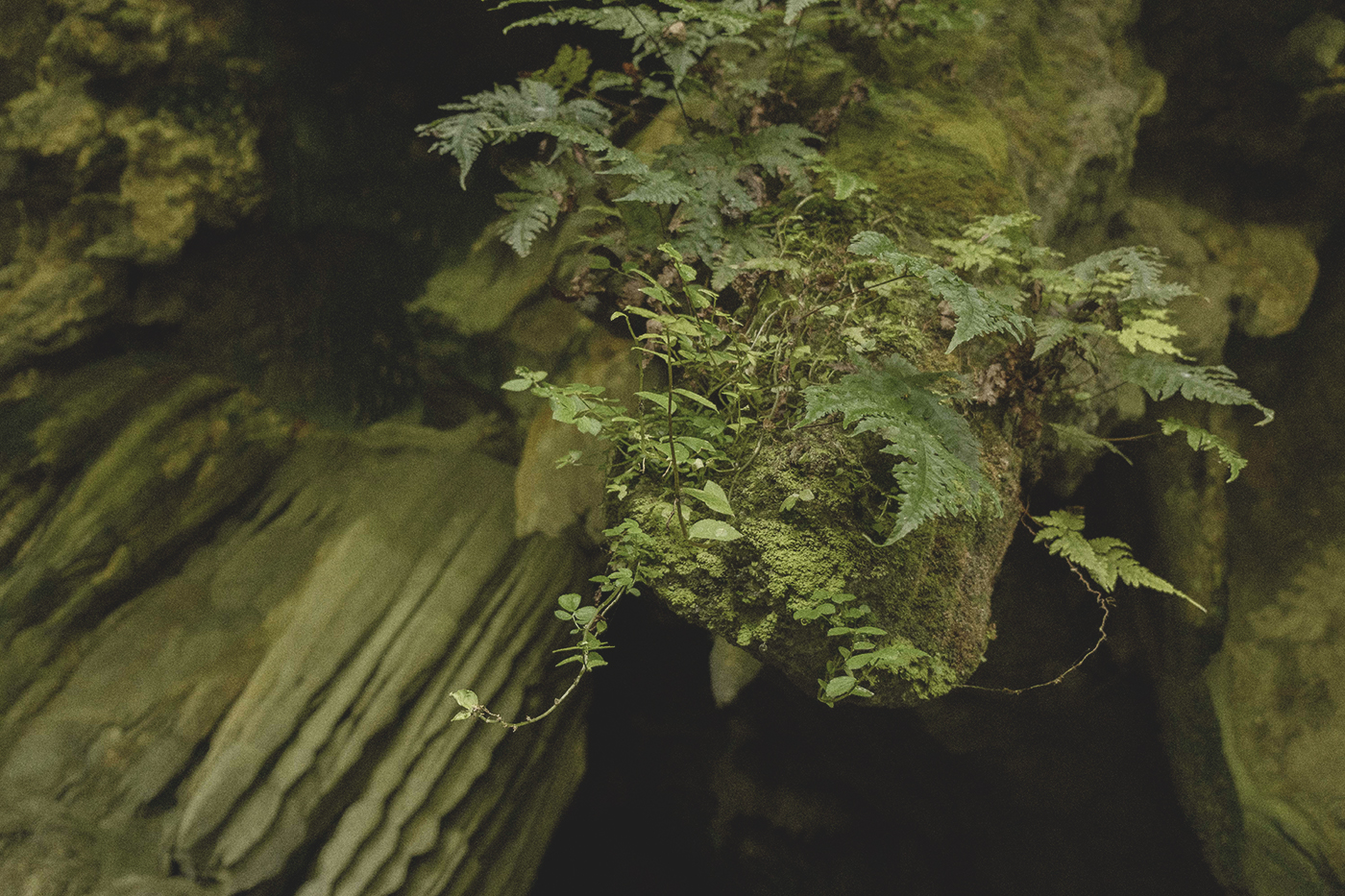
The story of C. dayangmerindu is more than just a footnote in a scientific journal; it is a testament to the complexity of life in the shadows of Sumatra’s limestone cliffs. It connects the deep geological past with the ancient history of human migration and the modern-day struggle for environmental sustainability. As researchers continue to peel back the layers of the Padang Bindu Karst, it is certain that more secrets remain hidden in the dark, damp crevices of the stone—secrets that depend entirely on the preservation of these ancient, fragile "islands" of life.