Tyo Susilo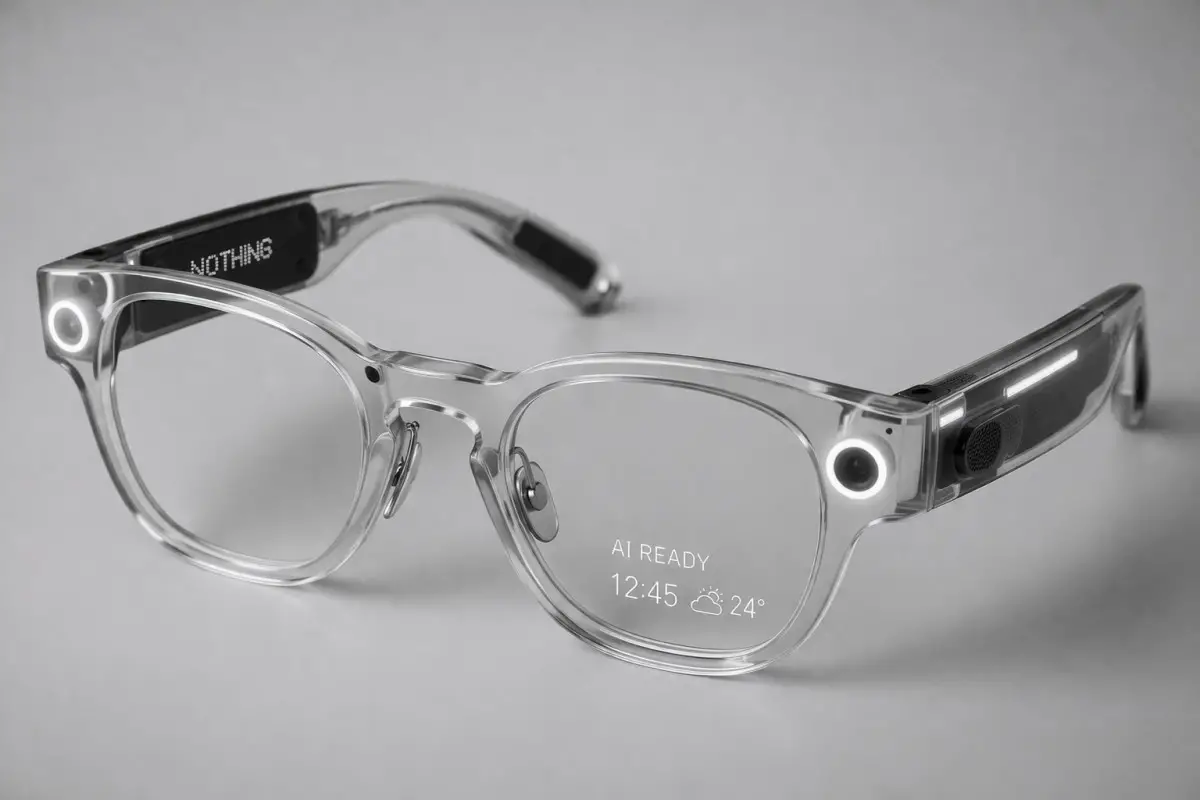
In a bold move that signals a significant expansion into the artificial intelligence ecosystem, British consumer electronics company Nothing is reportedly in the advanced stages of developing a new wearable device: AI-powered smart glasses. While official confirmation remains pending, industry insiders and reputable tech publications suggest a potential launch around 2027, marking a pivotal moment in Nothing’s strategy to transcend the traditional smartphone paradigm and offer more personalized, intelligent experiences to its users. This development positions Nothing as a contender in the nascent but rapidly evolving smart glasses market, a sector poised for substantial growth in the coming years.
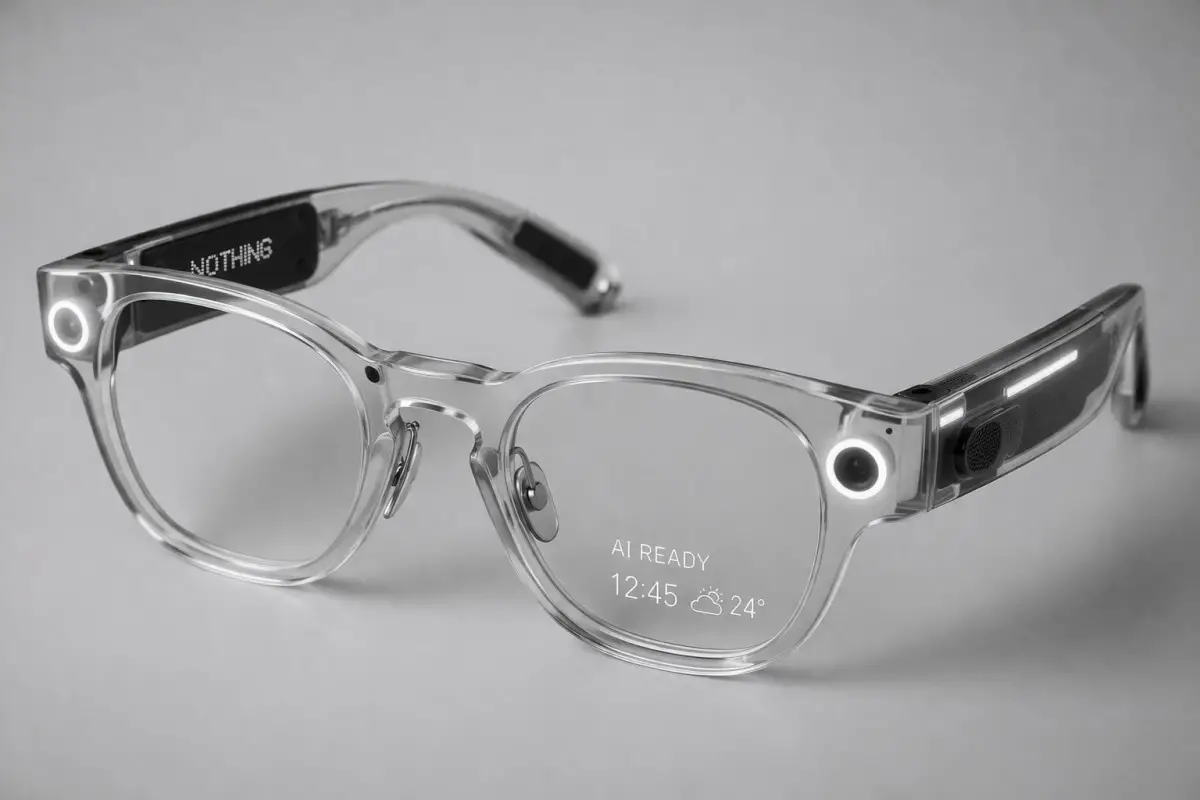
The company, known for its distinct design philosophy and commitment to transparency, is expected to carry its signature aesthetic into this new product category. Early indications suggest that the Nothing smart glasses will feature a transparent design, a hallmark that has distinguished its smartphones and earbuds. This design choice is not merely an aesthetic statement; it aims to integrate the technology seamlessly into the user’s daily life, making the device appear less like a piece of intrusive technology and more like a fashionable accessory. This approach could be crucial in overcoming the adoption barriers that have historically plagued smart glasses, which have often been perceived as bulky or socially awkward. The inclusion of customizable LED elements, another consistent feature in Nothing’s product lineup, will likely further enhance the visual appeal and allow for personalized expression.
Beyond aesthetics, the functional capabilities of the Nothing AI glasses are anticipated to be substantial. Reports indicate the integration of essential hardware components such as cameras, microphones, speakers, and a suite of sensors. These elements are crucial for enabling the glasses to perceive and interpret the user’s environment in real-time. Unlike many existing smart glasses that primarily focus on projecting information, Nothing’s offering is rumored to prioritize a more context-aware and interactive AI assistant experience. This suggests a shift from passive information display to active, intelligent assistance that understands and responds to the user’s needs and surroundings.
The core of Nothing’s innovation in this domain appears to lie in its AI assistant. While specific functionalities are still under wraps, the overarching concept is an AI capable of understanding the context of what the user is seeing. This could translate into a myriad of practical applications, from providing instant information about objects or landmarks to offering real-time language translation or personalized recommendations based on the user’s immediate environment. This level of contextual awareness represents a significant leap forward in how users might interact with technology on the go, moving beyond the limitations of voice commands or manual input.
However, the computational demands of such an advanced AI are substantial. To manage processing power and battery life effectively, Nothing is reportedly adopting a hybrid approach for its AI processing. Instead of relying solely on the onboard capabilities of the glasses, the company plans to leverage the processing power of a connected smartphone, supplemented by cloud-based computation. This distributed processing model is a pragmatic solution to ensure optimal performance without overburdening the wearable device itself, thus maintaining a sleek form factor and extended battery life. This strategy mirrors the development trends seen in other complex wearable technologies, where offloading heavy computational tasks to a paired device or the cloud is a common practice.
The projected 2027 release date places Nothing’s smart glasses in a competitive landscape that is gradually heating up. While pioneers like Google Glass faced early challenges, the market has seen renewed interest with advancements in miniaturization, battery technology, and AI capabilities. Companies like Meta, with its Ray-Ban Stories glasses, have already made inroads, albeit with a focus on camera and audio features. Apple is also widely rumored to be working on its own augmented reality glasses, potentially slated for a future release, which could further redefine the market. Nothing’s entry, with its distinct design and AI-centric approach, aims to carve out a unique niche within this evolving ecosystem.
The timeline for this ambitious project suggests a significant investment in research and development. The early stages of development imply that specifications, final features, and pricing remain undisclosed. This period of development is critical for refining the technology, ensuring user privacy, and addressing potential ethical considerations associated with AI-powered wearables. As the company progresses, further insights into the specific AI models, privacy safeguards, and integration with Nothing’s existing product ecosystem are expected to emerge.
A Deeper Dive into the Technological Underpinnings and Market Implications
The development of AI-powered smart glasses represents a confluence of several technological advancements. The miniaturization of powerful processors, the evolution of energy-efficient displays, and the sophisticated algorithms that power modern AI are all critical enablers. For Nothing, the challenge lies in integrating these components into a stylish, comfortable, and highly functional device. The transparent design, while aesthetically pleasing, introduces engineering complexities related to housing internal components and managing heat dissipation.
The focus on AI and contextual understanding is particularly noteworthy. Imagine walking down a street and the glasses, recognizing a historical landmark, display relevant information directly in your field of vision. Or, consider the potential for real-time assistance during complex tasks, such as navigating unfamiliar terrain or even receiving subtle coaching during a sports activity. The integration of microphones and speakers also opens doors for seamless voice interaction, allowing users to control the device and access information without needing to pull out their phones.
The reliance on a connected smartphone and cloud processing is a well-trodden path for wearables. This architecture allows manufacturers to pack more functionality into a smaller device while keeping the cost and complexity manageable. However, it also introduces dependencies on network connectivity and the user’s existing smartphone. The success of Nothing’s AI glasses will partly depend on how seamlessly this hybrid processing model is implemented and how well it integrates with the user’s digital life.
Industry Context and Potential Challenges
The smart glasses market has been a subject of both intense interest and considerable skepticism. Early iterations often struggled with battery life, user interface design, and privacy concerns. The perception of smart glasses as intrusive or "creepy" due to their always-on cameras has also been a significant hurdle. Nothing’s emphasis on a personalized, AI-driven experience, coupled with its distinctive design, could be key to overcoming these challenges.

Furthermore, the development of AI assistants for wearables raises important questions about data privacy and security. As these devices collect vast amounts of personal data about a user’s environment and interactions, robust security measures and transparent data handling policies will be paramount. Nothing’s commitment to user privacy, if demonstrated effectively, could be a significant differentiator in a market where trust is crucial.
The 2027 timeline suggests that Nothing is not rushing to market but is investing in developing a mature and compelling product. This extended development period allows for iteration, testing, and refinement, which are essential for a device that aims to be an integral part of a user’s daily life. It also provides ample time for the broader AI landscape to evolve, potentially enabling even more sophisticated functionalities by the time the glasses are released.
Broader Implications for the Future of Wearable Technology
If Nothing’s AI smart glasses achieve their ambitious goals, they could represent a significant step towards the mainstream adoption of augmented reality and AI-integrated wearables. The potential for seamless integration of digital information into the physical world, guided by intelligent assistants, could fundamentally alter how we interact with technology and information. This could pave the way for a future where our devices are not just tools we use, but extensions of ourselves, offering contextual assistance and enhancing our perception of the world.
The success of such a product would also undoubtedly spur further innovation from competitors, accelerating the development of the entire wearable technology sector. It could redefine user expectations for smart glasses, moving them from niche gadgets to essential personal devices. The journey from concept to consumer product is fraught with challenges, but the potential rewards, in terms of market impact and technological advancement, are substantial. As Nothing continues its development, the tech world will be watching closely to see if its AI-powered smart glasses can indeed usher in this new era of personalized, intelligent wearable experiences. The company’s track record of delivering unique and well-designed products, combined with a clear vision for AI integration, suggests that this venture is one to monitor with keen interest.