Nasution Nanang
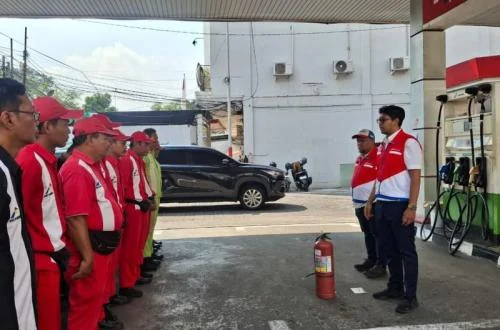
MATARAM – The West Nusa Tenggara (NTB) Provincial Government has issued a strong appeal to its residents, urging them to refrain from panic buying fuel amidst widespread rumors of impending price increases. These rumors have been circulating following heightened geopolitical tensions and conflicts in the Middle East, particularly involving Iran, the United States, and Israel, which have historically impacted global oil supplies and prices. Local officials emphasize that there has been no official communication from the central government regarding any adjustments to fuel prices, and national fuel stocks remain secure.
The Head of the NTB Industry and Trade Agency, Irnadi Kusuma, unequivocally stated that the central government has provided assurances that fuel prices will not be raised, even if oil supplies from the Middle East are disrupted by the ongoing regional strife. "As of now, there is no official information regarding a fuel price increase. The central government has also confirmed this," Irnadi Kusuma asserted in Mataram on Tuesday. He underscored the importance of public calm and advised citizens to await official announcements from the central government before reacting to unverified information circulating through unofficial channels.
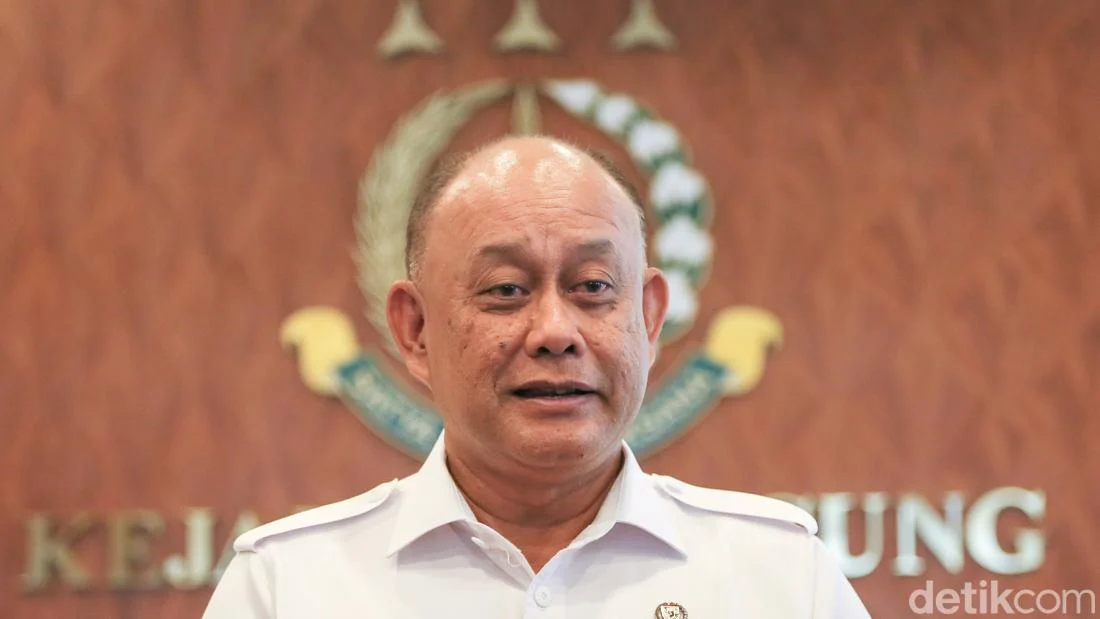
Echoing this sentiment, the Head of the NTB Energy and Mineral Resources (ESDM) Agency, Samsudin, reiterated the call for calm. He stressed that there is no necessity for the public to engage in panic buying related to the purported fuel price hikes, as no such decision has been made. "What is clear is that our fuel stock, God willing, is safe," Samsudin affirmed, providing a crucial reassurance regarding the stability of supply within the province.
Geopolitical Context and Global Oil Market Volatility
The current wave of concern among the public is deeply rooted in the volatile geopolitical landscape of the Middle East. The region, a critical nexus for global oil production and transit, has recently seen an escalation of tensions, notably direct military exchanges between Iran and Israel, coupled with ongoing strategic competition involving the United States. These conflicts often trigger immediate speculative reactions in global commodity markets, leading to surges in crude oil prices as traders anticipate potential supply disruptions. The Strait of Hormuz, a narrow chokepoint through which a significant portion of the world’s seaborne oil passes, is particularly vulnerable to such tensions, and any threat to its stability can send shockwaves across the global energy supply chain.
Indonesia, while a significant oil and gas producer, remains a net importer of crude oil and certain refined petroleum products. This structural dependency means that the country’s domestic fuel prices, particularly unsubsidized variants, are susceptible to fluctuations in international crude oil benchmarks like Brent and WTI. Even for subsidized fuels, sustained high global prices can exert immense pressure on the state budget due to the increased cost of subsidies, potentially leading to difficult policy choices. The public’s memory of past fuel price adjustments, often accompanied by significant social and economic impacts, contributes to heightened sensitivity whenever rumors of price hikes emerge in the context of global oil market instability.
Pertamina’s Proactive Contingency Measures
Despite the turbulent conditions in the Middle East, Pertamina, Indonesia’s state-owned energy company, has not indicated any immediate plans to raise fuel prices. Instead, the company has publicly disclosed that it has developed several comprehensive scenarios to effectively manage potential disruptions to fuel supply and price volatility stemming from the geopolitical situation. These proactive measures are designed to ensure national energy security and maintain stability in domestic fuel availability.
One of Pertamina’s primary strategies involves maximizing the utilization of its domestic refinery network. By increasing the processing capacity of its own kilang-kilang (refineries), Pertamina aims to reduce reliance on imported refined products, thereby mitigating the impact of potential disruptions to international supply chains. Indonesia has several major refineries, and optimizing their output is a key component of national energy resilience. Furthermore, Pertamina is actively exploring and securing alternative sources for crude oil and refined products from regions less affected by the Middle East conflict, such as Africa and Latin America. This diversification of supply sources is a critical risk mitigation strategy, ensuring that the country is not overly dependent on any single geopolitical hotspot.
Beyond supply-side management, Pertamina, in collaboration with the Ministry of Energy and Mineral Resources (ESDM), is also committed to intensifying public awareness campaigns promoting energy conservation. These campaigns aim to encourage citizens to adopt more efficient energy consumption habits and to explore the use of renewable energy sources. According to Samsudin, this emphasis on energy saving and the transition to renewables is an integral part of the government’s broader strategy for achieving energy sovereignty. "That is one way to keep our oil stock safe," Samsudin added, highlighting the multi-faceted approach to national energy security.
The Broader Implications for Indonesia’s Economy and Energy Policy
The rumors of fuel price hikes, even if unfounded, underscore several critical aspects of Indonesia’s economic and energy landscape. Fuel prices are a significant determinant of inflation, particularly affecting transportation costs, logistics, and the prices of basic goods. Any upward adjustment can trigger a cascading effect throughout the economy, impacting purchasing power and potentially slowing economic growth. For a developing economy like Indonesia, maintaining stable fuel prices, especially for widely consumed subsidized fuels like Pertalite and Solar, is often a political and economic imperative to ensure social stability.
The government’s commitment to maintaining current fuel prices, as articulated by NTB officials and implied by Pertamina’s strategies, reflects a careful balancing act between global market realities and domestic socio-economic stability. The cost of fuel subsidies can place a considerable strain on the state budget, particularly when global oil prices are high. However, removing or significantly reducing these subsidies without adequate social safety nets can lead to public discontent and hardship for vulnerable populations. This delicate balance necessitates robust fiscal management and transparent communication from authorities.
From a long-term energy policy perspective, the current situation reinforces the urgency of Indonesia’s energy transition goals. The reliance on fossil fuels, especially imports, exposes the nation to geopolitical risks and price volatility. Accelerating the development and deployment of renewable energy sources – such as solar, hydro, geothermal, and biomass – is not just an environmental imperative but also a strategic move towards greater energy independence and resilience. The Ministry of ESDM’s push for energy conservation and the integration of renewables, as mentioned by Samsudin, is a testament to this strategic shift. This involves investments in infrastructure, policy support for renewable energy projects, and public education on the benefits of sustainable energy practices.
The Role of Official Communication and Combating Misinformation
The incident of panic buying rumors in NTB highlights the critical importance of clear, timely, and consistent communication from official sources. In the age of digital information and social media, misinformation can spread rapidly, leading to unwarranted public reactions like panic buying, which can paradoxically create artificial shortages and exacerbate public anxiety. The swift response from the NTB Provincial Government, with direct statements from key officials like Irnadi Kusuma and Samsudin, serves as a crucial mechanism to counteract such rumors and restore public confidence.
Government agencies and state-owned enterprises like Pertamina have a responsibility to establish credible channels for disseminating accurate information and to actively monitor and debunk false narratives. This includes utilizing traditional media outlets, official government websites, and verified social media accounts to reach a broad audience. Educating the public on how to identify and verify official information is also paramount to building a more resilient and informed citizenry that is less susceptible to misinformation.
Furthermore, economists and energy policy experts continually monitor global oil markets and their potential impact on Indonesia. While acknowledging the potential for global events to influence domestic prices, they often emphasize the existence of national buffer mechanisms, such as strategic reserves and subsidy schemes, designed to absorb short-term shocks. Their analyses typically support the government’s call for calm, underscoring that significant policy shifts like fuel price adjustments are not made lightly and are usually preceded by careful consideration and official announcements.
Conclusion and Outlook
The NTB Provincial Government’s firm stance against panic buying, backed by assurances from the central government and Pertamina’s robust contingency plans, aims to stabilize public sentiment amidst global uncertainties. The ongoing geopolitical tensions in the Middle East serve as a potent reminder of the interconnectedness of global energy markets and the need for comprehensive national energy security strategies.
As Indonesia navigates these complex challenges, the focus remains on leveraging domestic resources, diversifying international supply chains, and accelerating the transition towards a more sustainable and independent energy future. For the residents of NTB and indeed across Indonesia, the message from authorities is clear: rely on official information, avoid impulsive actions based on rumors, and trust in the government’s commitment to ensuring stable fuel supplies and prices. The emphasis on energy conservation and renewable energy adoption also points towards a long-term vision where Indonesia becomes less vulnerable to external shocks, bolstering its economic resilience and environmental stewardship. The situation underscores that while global events are beyond direct control, a well-coordinated national response, underpinned by transparent communication and strategic planning, can effectively mitigate their domestic impact.