Tyo Susilo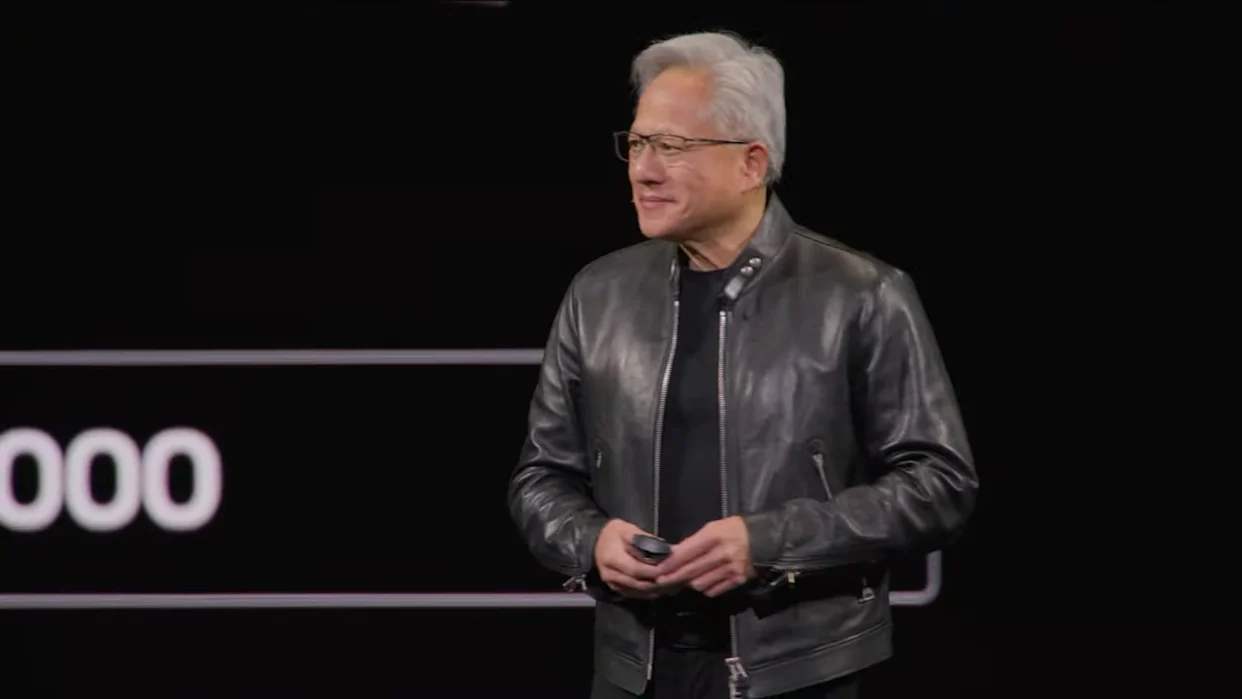
NVIDIA’s highly anticipated DLSS 5 technology, unveiled at the GTC 2026 conference, has ignited a firestorm of criticism among gamers, with many expressing dismay over what they describe as "strange" and "unnatural" visual results. Popular titles such as Resident Evil Requiem, Starfield, and Hogwarts Legacy have become focal points of these complaints, with players pointing to character models and overall aesthetic fidelity as areas of significant concern.
The backlash, which gained significant traction on gaming forums and social media platforms following the GTC 2026 keynote, centers on a perceived degradation of artistic integrity and character likeness. Gamers have consistently reported that characters appear to deviate from their original designs, exhibiting facial features that fall into the "uncanny valley" – a phenomenon where artificially generated humans appear almost, but not exactly, like real humans, causing unease and revulsion. Beyond character models, a recurring theme in player feedback is a visual output that is deemed excessively "clean" and "glossy," leading to the impression that a universal AI filter has been applied, homogenizing the distinct visual styles of various games.
The visual discrepancies have been so pronounced that many enthusiasts have shared side-by-side comparisons of in-game footage with and without DLSS 5 enabled, highlighting the subtle yet significant alterations that impact character expressiveness and the overall mood of the game world. This widespread discontent suggests a disconnect between NVIDIA’s technological advancements and the subjective, artistic appreciation of game visuals by its core audience.
GTC 2026: A Closer Look at the Unveiling
The GTC 2026 conference, held in March 2026, served as the global stage for NVIDIA’s latest technological innovations. The event, a cornerstone for developers and industry professionals, typically showcases advancements in artificial intelligence, high-performance computing, and graphics processing. This year’s conference was particularly noteworthy for its focus on AI-driven solutions across various sectors, with a significant portion dedicated to gaming and creative applications.
NVIDIA CEO Jensen Huang’s keynote address, a highly anticipated segment of GTC, typically sets the tone for the company’s strategic direction. During his presentation, Huang lauded the potential of DLSS 5, positioning it as a revolutionary step forward in real-time graphics rendering. The technology was presented as a significant evolution from its predecessors, promising to deliver unparalleled visual fidelity and performance gains through advanced AI integration. However, the enthusiastic reception from NVIDIA’s executives and developers on stage contrasted sharply with the growing unease that began to surface among the gaming community shortly after the conference concluded.
The Core of the Controversy: Uncanny Valley and Artistic Homogenization
The primary criticism leveled against DLSS 5 revolves around its perceived impact on character aesthetics. Players have lamented the loss of nuanced facial expressions and the introduction of a sterile, overly smooth appearance that detracts from the carefully crafted artistic vision of game developers. In titles like Resident Evil Requiem, known for its atmospheric horror and detailed character models, players have reported that the AI upscaling process seems to smooth over intricate textures and details, resulting in faces that appear less lifelike and more doll-like.
Similarly, in the vast, open-world environment of Starfield, the AI’s interpretation of character appearances has been cited as a point of contention. Players have noted that the distinct personalities and unique features of their created characters are sometimes obscured or altered, leading to a sense of detachment from their in-game avatars. Hogwarts Legacy, a game celebrated for its immersive recreation of the Wizarding World and its richly designed characters, has also faced similar scrutiny. Fans have pointed out instances where the AI’s intervention appears to simplify complex facial structures, stripping away some of the inherent charm and individuality of the characters.
This phenomenon is closely linked to the concept of the "uncanny valley." When AI-generated visuals approach a high degree of realism but fall short of perfect replication, they can evoke a sense of unease or even revulsion. In the context of DLSS 5, gamers feel that the technology, in its current iteration, is pushing characters into this unsettling territory, where they are neither convincingly realistic nor stylized enough to maintain their artistic integrity.
The "too clean" and "glossy" effect further exacerbates this issue. Many players feel that DLSS 5 applies a uniform sheen to game environments and characters, regardless of the material or texture. This can lead to surfaces appearing unnaturally reflective or smooth, diminishing the tactile and visual richness that developers strive to achieve. The concern is that this AI-driven homogenization could eventually lead to a landscape where games, despite their diverse artistic directions, begin to visually resemble one another, losing their unique identities.
Jensen Huang’s Response: A Misunderstanding of "Neural Rendering"
In the wake of the growing criticism, NVIDIA CEO Jensen Huang addressed the controversy during a dedicated Q&A session, suggesting that gamers might be misunderstanding the underlying technology. Huang clarified that DLSS 5 represents a fundamental shift from previous iterations, moving beyond simple post-processing.
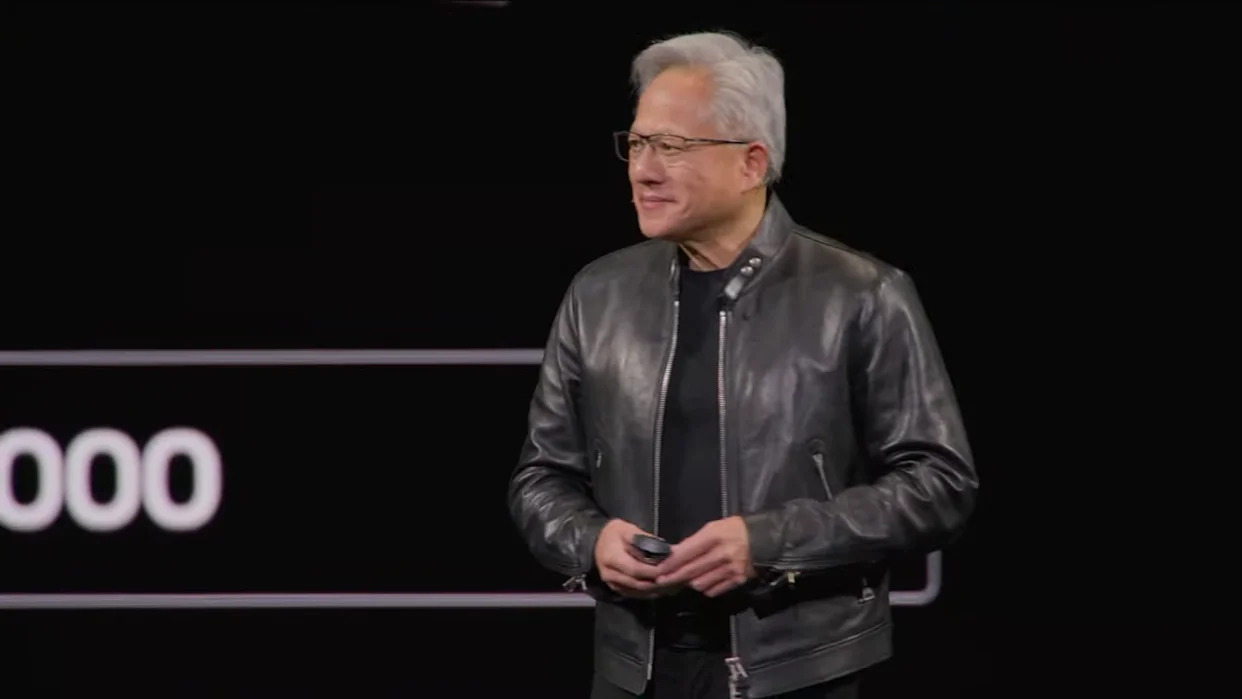
"DLSS 5 is not just a post-processing effect," Huang stated, as reported by industry outlets. "It operates at the geometric level, fundamentally integrating traditional rendering pipelines with generative AI. We call this ‘neural rendering.’" He emphasized that this approach aims to provide developers with greater control over the final visual output, rather than imposing a rigid, AI-dictated aesthetic.
Huang explained that neural rendering involves a more sophisticated interplay between existing game assets and AI models. Instead of simply upscaling an image, DLSS 5 can potentially reconstruct and enhance geometry, textures, and lighting based on learned patterns. This, he argued, allows for more dynamic and intelligent visual enhancements that can adapt to the specific context of each scene. The intention, according to Huang, is to empower developers to achieve higher fidelity and performance simultaneously, leveraging AI to fill in gaps and refine details that would be computationally expensive or impossible with traditional methods.
The Lingering Doubts: Technical vs. Artistic Concerns
While Huang’s explanation provides a technical perspective, it has not fully assuaged the concerns of the gaming community. The core of the issue, for many, transcends the purely technical aspects. The worry is that even with developer control, the inherent nature of AI generation, particularly generative AI, carries the risk of introducing unforeseen biases or aesthetic interpretations that may not align with artistic intent.
The "artistic identity" of a game is a crucial element that draws players in. Developers invest significant time and resources in crafting unique visual styles that convey mood, atmosphere, and narrative. When an AI technology, however sophisticated, begins to alter these foundational elements, it can fundamentally change the player’s experience and perception of the game world. The fear is that the "touch" of generative AI, even when intended to enhance, could inadvertently dilute or overwrite the original artistic vision, leading to characters and environments that feel less authentic and more like AI interpretations.
The debate highlights a broader challenge in the integration of AI into creative fields: the balance between technological capability and subjective artistic expression. While AI can achieve remarkable feats of realism and efficiency, the nuances of human perception, emotional connection, and artistic intent remain complex and difficult to quantify.
NVIDIA’s Vision: The Next Leap in Visual Realism
Despite the current controversies, NVIDIA maintains that DLSS 5 represents a significant leap forward, comparable to the introduction of ray tracing. The company’s overarching goal is to enable developers to create hyper-realistic visuals without compromising the performance that gamers expect. DLSS 5 is envisioned as a tool that can dynamically adjust and enhance graphics in real-time, providing a more immersive and visually stunning experience.
The success of DLSS 5, NVIDIA contends, will ultimately depend on how effectively game developers integrate and fine-tune the technology within their specific game engines and artistic pipelines. Different games will likely showcase varying levels of DLSS 5 implementation, and the results could range from subtle enhancements to more pronounced visual transformations. This suggests a future where the quality and artistic integrity of DLSS 5-enhanced games will be highly variable, contingent on the skill and vision of the development teams behind them.
The Road Ahead: Phased Rollout and Future Implications
DLSS 5 is slated for a phased rollout beginning in late 2026. This gradual introduction will likely provide NVIDIA with opportunities to gather further feedback and refine the technology. The ongoing debate is expected to continue as more games adopt DLSS 5 and players experience its effects firsthand.
The implications of this technology are far-reaching. If DLSS 5 can indeed provide developers with more granular control and the ability to achieve unprecedented visual fidelity, it could usher in a new era of gaming graphics. However, the current reception underscores the critical importance of user experience and artistic preservation. The challenge for NVIDIA and the broader gaming industry will be to navigate the integration of powerful AI tools in a way that enhances, rather than detracts from, the creative vision and emotional resonance that make video games such a compelling medium.
The coming months and years will be crucial in determining whether DLSS 5 lives up to its promise of revolutionizing game visuals or inadvertently leads to a future where games, despite their technological advancements, begin to lose their unique artistic character in the pursuit of AI-driven perfection. The industry will be watching closely to see if NVIDIA can bridge the gap between cutting-edge technology and the subjective, deeply personal experience of interacting with virtual worlds.