Nasution Nanang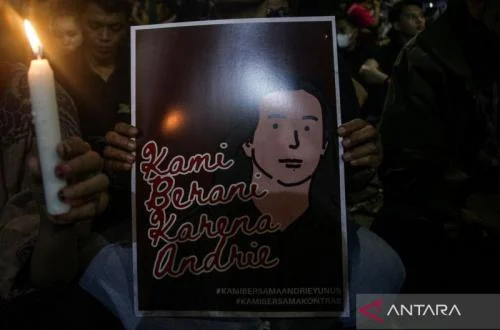
The detention of four Indonesian National Armed Forces (TNI) personnel on suspicion of involvement in an acid attack against activist Andrie Yunus of the Commission for Missing Persons and Victims of Violence (KontraS) has emphatically underscored the principle that no individual or institution is above the law, particularly within the nascent era of President Prabowo Subianto’s administration. This significant development, highlighted by researcher Bawono Kumoro from Indikator Politik Indonesia, signals a firm commitment to accountability and transparency from the highest echelons of government, aiming to dispel long-standing public concerns regarding impunity for state actors. The swift and decisive action by law enforcement and military authorities in this high-profile case is being closely watched as a critical litmus test for the rule of law and the protection of civic space in Indonesia.
The Incident and Its Immediate Aftermath
The alleged acid attack on Andrie Yunus, a vocal human rights activist affiliated with KontraS, sent ripples of concern through Indonesia’s civil society. While the exact date of the incident was not immediately disclosed, such acts of violence against activists typically ignite public outcry, reminiscent of past cases involving intimidation and physical harm against those critical of government policies or advocating for human rights. Acid attacks, in particular, carry a chilling message of severe intimidation and can result in life-altering injuries, often leaving both physical and psychological scars. The targeting of an activist from an organization like KontraS, known for its unwavering advocacy for victims of state violence and human rights abuses, inevitably raises questions about the motives behind such an assault and the potential involvement of powerful entities.
Upon receiving reports of the attack, the Indonesian National Police (Polri) initiated a rapid investigation, demonstrating a concerted effort to identify and apprehend the perpetrators. The nature of the crime and the profile of the victim immediately elevated the case to one of national importance, attracting significant media attention and prompting calls for a thorough and transparent inquiry from human rights organizations and the public alike. The initial stages of the investigation focused on gathering forensic evidence, interviewing witnesses, and tracing potential leads that could unravel the complex web of individuals involved in the planning and execution of the attack.
Presidential Directive and Official Response
A pivotal turning point in the investigation came with the direct intervention of President Prabowo Subianto. Recognizing the gravity of the situation and the potential implications for his administration’s image, President Prabowo reportedly issued a specific directive to the Chief of Police (Kapolri) to meticulously investigate and resolve the case. This presidential mandate underscored the government’s commitment to upholding the rule of law and ensuring justice for victims of violence, regardless of the perpetrators’ affiliations. For a president who has recently taken office, such a swift and public commitment to accountability can be instrumental in shaping public perception and establishing a strong governance ethos.
Bawono Kumoro, in his statement on Thursday, lauded the rapid response from Polri and the commendable transparency demonstrated by the TNI in cooperating with the investigation. This collaborative approach between civilian law enforcement and military authorities is crucial in cases where military personnel are implicated in civilian crimes. Historically, such cases have sometimes been fraught with complexities due to distinct legal jurisdictions and institutional sensitivities. However, the current coordination signals a maturing of civil-military relations and a shared commitment to justice. The openness of the TNI in acknowledging the involvement of its members and facilitating their apprehension is a significant step towards reinforcing public trust in state institutions.
The immediate and unequivocal response from the presidency and the prompt actions of the security apparatus were seen as vital to pre-empting and dispelling "wild assumptions and speculations" that often emerge in such sensitive cases. These speculations frequently include accusations of state involvement in acts of terror against critics, which can severely damage the government’s reputation and create a narrative of an anti-criticism or anti-democratic regime. By ensuring a swift and transparent investigation, the administration aims to proactively counter such negative portrayals and reaffirm its commitment to democratic principles and the protection of fundamental freedoms, including the right to express critical opinions without fear of reprisal.
The Suspects and Legal Framework
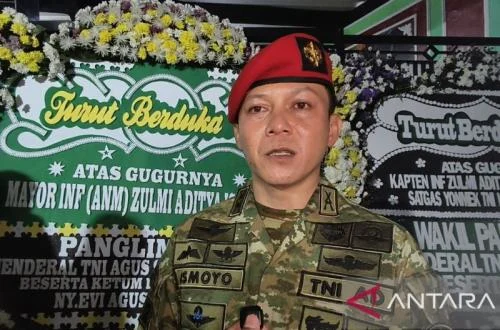
The investigation culminated in the detention of four TNI personnel, confirming the suspicions of military involvement. The Military Police Center (Puspom TNI) officially announced the arrests and identified the suspects as members of the Detachment Headquarters of the Strategic Intelligence Agency (Denma BAIS) TNI. The individuals were identified by their initials: NDP, SL, BWH, and ES. This revelation was significant, as it confirmed the direct involvement of military intelligence personnel, raising further questions about the chain of command and the motives behind their alleged actions.
Major General TNI Yusri Nuryanto, the Commander of Puspom TNI, confirmed the detentions and outlined the legal framework under which the suspects would be prosecuted. The four personnel face charges under Article 467 of the Indonesian Criminal Code (KUHP) Paragraph 1 and 2, which pertains to assault resulting in serious injury. If convicted, they could face a maximum sentence of seven years in prison. The decision to prosecute these individuals through the military justice system, specifically under Puspom TNI’s jurisdiction, is in line with Indonesian law, which generally dictates that active military personnel accused of crimes are tried in military courts.
This aspect of the legal process is often a point of discussion and sometimes contention, as civil society organizations have historically advocated for military personnel involved in civilian crimes to be tried in civilian courts to ensure greater transparency and accountability. However, under the current legal framework, Puspom TNI is the designated authority for investigating and prosecuting military crimes. Puspom TNI has publicly committed to conducting the investigation and trial with the utmost professionalism and transparency, promising to disclose all findings and evidence openly during the court proceedings. This commitment extends from the initial investigation phase through to the submission of the case files to the Military Prosecutor (Oditur Militer), ensuring a thorough and meticulous process.
Contextualizing the Attack: A Pattern of Intimidation?
The acid attack on Andrie Yunus cannot be viewed in isolation. It resonates with a troubling pattern of intimidation and violence against human rights defenders, journalists, and activists in Indonesia, particularly those who challenge powerful interests or expose alleged misconduct by state actors. One of the most prominent precedents is the 2017 acid attack on senior Corruption Eradication Commission (KPK) investigator Novel Baswedan, a case that captivated national attention and sparked widespread outrage. Baswedan, known for his relentless pursuit of high-profile corruption cases, suffered severe injuries that led to permanent vision loss. The initial investigation into his attack was criticized for its slow progress and lack of transparency, leading to suspicions of high-level obstruction. While two police officers were eventually convicted in the Baswedan case, the perception of state involvement and impunity lingered for many.
KontraS, the organization Andrie Yunus belongs to, has a long and distinguished history of advocating for human rights in Indonesia. Established in 1998 during the tumultuous period of the fall of the New Order regime, KontraS has consistently monitored and reported on cases of enforced disappearances, torture, extrajudicial killings, and other human rights violations, often involving state security forces. Their work frequently puts them at odds with powerful military and police factions, making their activists vulnerable to various forms of harassment and intimidation. The attack on Andrie Yunus thus serves as a stark reminder of the risks faced by those who champion human rights and demand accountability from state institutions.
The involvement of BAIS TNI personnel further complicates the narrative. BAIS, as the strategic intelligence agency of the TNI, is responsible for providing intelligence to the military. The alleged misuse of such a sensitive position for an act of violence against a civilian activist raises profound concerns about the discipline, oversight, and ethical conduct within the intelligence apparatus. It also fuels the existing public discourse about the extent of military influence in civilian affairs and the imperative for robust civilian oversight mechanisms.
Expert Analysis and Public Perception
Bawono Kumoro’s analysis highlights the critical importance of this case for President Prabowo’s administration. As a former general and Minister of Defense, Prabowo faces particular scrutiny regarding civil-military relations and the accountability of the security forces. His strong stance against impunity, as demonstrated by his direct order for a thorough investigation, is crucial for establishing his credibility as a leader committed to democratic governance and the rule of law. It helps to counter any lingering perceptions from his military background that might suggest a tolerance for military overreach or a lack of commitment to civilian supremacy.
The quick resolution of the initial phase of the investigation and the openness of the TNI in identifying the suspects are vital for maintaining public trust. In a society where skepticism towards state institutions, particularly security forces, can run deep due to historical grievances, transparency becomes paramount. It serves to "dispel assumptions and wild speculations" about state involvement in acts of terror and helps to prevent the propagation of narratives that could paint the government as anti-criticism or anti-democracy. By addressing these concerns head-on, the administration can solidify its democratic credentials and foster a more secure environment for civil discourse and dissent.
Reactions from Civil Society and Human Rights Advocates
Following the arrests, civil society organizations, including KontraS itself, have issued statements expressing a cautious welcome for the progress in the investigation while also reiterating their demands for full justice and accountability. KontraS typically calls for a thorough and transparent legal process, emphasizing that the prosecution should not stop at the direct perpetrators but should also investigate any potential masterminds or those who ordered the attack. They often advocate for reforms within the military justice system to ensure greater impartiality and public access to proceedings.
Other human rights organizations across Indonesia and potentially international bodies are likely to echo these sentiments, stressing the importance of this case as a precedent. They will closely monitor the trial proceedings to ensure fairness, adherence to human rights standards, and the absence of any undue influence. The consensus among these groups is that true justice requires not only the conviction of those directly involved but also a clear message that such acts of violence against activists will not be tolerated at any level of government or security apparatus. This case is seen as an opportunity to reinforce the protections for freedom of expression and assembly, which are cornerstones of a healthy democracy.
Implications for Prabowo’s Administration
For President Prabowo Subianto, this case presents both a challenge and an opportunity. His administration’s handling of the Andrie Yunus acid attack will significantly shape its reputation for upholding human rights, ensuring civil-military balance, and governing with integrity. By demonstrating a firm commitment to investigating and prosecuting military personnel involved in civilian crimes, Prabowo can reinforce the principle of civilian supremacy over the military, a fundamental tenet of democratic governance. This is particularly important for a former military general leading the country, as it can help to alleviate concerns about potential regressions in democratic reforms.
The effective resolution of this case could serve as a powerful signal to all state institutions that accountability is non-negotiable, thereby strengthening the rule of law across the archipelago. It could also contribute to a safer environment for activists and human rights defenders, signaling that their work is valued and their safety protected. Conversely, any perceived lack of transparency, attempts at obfuscation, or lenient sentencing could severely undermine public trust and tarnish the administration’s image, both domestically and internationally. The government’s actions in this case will be a defining moment for its early tenure, setting the tone for its approach to justice, human rights, and civil-military relations.
The Road Ahead: Ensuring Justice and Accountability
The path to full justice in the Andrie Yunus case remains ongoing. While the arrests represent a crucial breakthrough, the legal process, from investigation to trial and potential appeals, can be lengthy and complex. Puspom TNI’s pledge to conduct a professional and transparent process, ensuring all findings are openly presented in court, is a critical promise that must be rigorously upheld. The public, civil society, and media will maintain vigilance, scrutinizing every step of the proceedings to ensure that justice is not only done but is also seen to be done.
The challenge ahead lies in ensuring that the trial is fair, impartial, and free from any form of interference. Beyond the immediate legal outcomes, this case also highlights the broader need for ongoing institutional reform within the TNI to enhance discipline, accountability, and adherence to human rights principles. Mechanisms for internal oversight and external civilian monitoring could be strengthened to prevent future incidents of military personnel engaging in illegal acts against civilians, especially activists. The case serves as a powerful reminder that democratic consolidation requires continuous effort to strengthen institutions, protect civic space, and ensure that the principle of "no one is above the law" is not merely a slogan but a lived reality for all citizens.
In conclusion, the detention of four TNI members in connection with the acid attack on KontraS activist Andrie Yunus marks a significant moment for Indonesia. Under President Prabowo Subianto’s leadership, the swift and transparent response from state institutions reflects a strong commitment to the rule of law and the protection of democratic freedoms. This case will be a critical determinant of the administration’s ability to foster trust, ensure accountability, and ultimately reinforce the foundations of a just and democratic society where even the most powerful are held to account.