Nila Kartika Wati
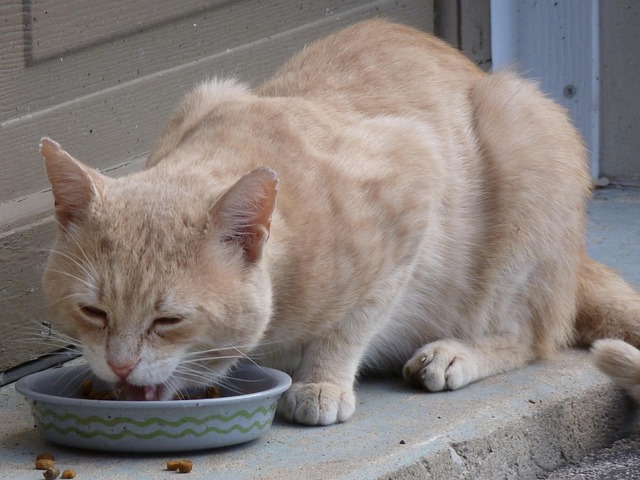
The sight of a cat walking away from a half-full bowl of food is a common frustration for pet owners worldwide, often leading to the assumption that the animal is simply full or being "finicky." However, groundbreaking research from Japan suggests that this behavior has little to do with stomach capacity and everything to do with the complex sensory processing of the feline brain. A comprehensive study led by researchers at Iwate University has revealed that olfactory habituation—a psychological process where a persistent odor leads to a decrease in response—is the primary driver behind why cats stop eating. The study, which spanned several years and involved rigorous behavioral monitoring, challenges long-held beliefs about feline nutrition and opens new avenues for veterinary care, particularly for aging or ailing animals.
The Mystery of the Unfinished Meal: A Sensory Perspective
For decades, animal behaviorists and pet owners alike have debated the motivations behind feline feeding patterns. Unlike dogs, which are often scavenging opportunists capable of consuming large quantities in a single sitting, cats are obligate carnivores with a physiological blueprint designed for frequent, small meals. While the "fullness" hypothesis was the standard explanation for decades, it failed to account for why a cat that refuses its current meal will often immediately begin eating again if offered a different flavor or even the same food in a different environment.
Professor Masao Miyazaki and his team at Iwate University hypothesized that the feline nose, which contains roughly 200 million odor-sensitive cells—compared to a human’s five million—is the true gatekeeper of appetite. Their research, published in the international scientific journal Physiology & Behavior, suggests that the "boredom" perceived by owners is actually a biological mechanism rooted in the olfactory system. When a cat is exposed to the same food aroma continuously during a meal, its sensory receptors become desensitized. This habituation sends a signal to the brain that the stimulus is no longer "rewarding," leading the cat to cease eating despite the presence of remaining calories.
Methodology: A Multi-Year Longitudinal Study
The study was characterized by its meticulous design and long-term observation period, running from January 2023 through February 2026. This timeline allowed the researchers to account for seasonal variations and the long-term health stability of the subjects. The research team focused on a cohort of 12 healthy mixed-breed domestic cats, ranging in age from 3 to 15 years. This age range was intentionally broad to ensure that the findings were applicable across various life stages, from young adulthood to the geriatric phase.
To eliminate confounding variables such as prior satiety, the cats were subjected to a 16-hour fasting period before the commencement of the experiments. The core of the study utilized a "cyclic feeding" protocol:
- Phase 1: A 10-minute feeding window.
- Phase 2: A 10-minute rest period where the food was removed.
- Repetition: This cycle was repeated six times consecutively.
By breaking the meal into discrete segments, the researchers could measure the exact moment appetite began to wane. They recorded the weight of the food consumed in each 10-minute interval and monitored the cats’ physical interactions with the bowl, such as sniffing duration and facial expressions.

Data Findings: The Power of Scent Dishabituation
The results provided a clear, consistent pattern across all 12 test subjects. During the initial cycles, the cats ate with high motivation. However, as the cycles progressed with the same food, the volume consumed dropped significantly. By the fourth and fifth cycles, many cats showed minimal interest, even though they had not consumed enough total calories to reach physiological fullness.
The turning point occurred when the researchers introduced "dishabituation" stimuli. In some trials, the researchers replaced the original food with a different variety after the cat had stopped eating. In other more revealing trials, they simply introduced the aroma of a new food without actually changing the meal itself.
The data showed that the mere introduction of a new scent was sufficient to trigger a "reset" in the cats’ feeding motivation. Even if the cat continued to eat the original, "boring" food, the presence of a new olfactory stimulus caused them to return to the bowl with renewed vigor. This confirmed that the decline in appetite was not caused by a full stomach, but by a temporary sensory fatigue. The study defines this as "olfactory-driven feeding motivation," where the brain requires novel sensory input to maintain the drive to consume.
Evolutionary Context: The Strategy of the Solitary Hunter
To understand why cats evolved such a sensitive olfactory switch, one must look at their ancestors. In the wild, the African wildcat (Felis lybica), the ancestor of the domestic cat, subsists on a variety of small prey, including rodents, birds, and insects. Relying on a single prey source is a risky survival strategy; if that source disappears or becomes diseased, the predator faces extinction.
Biologists suggest that olfactory habituation may be an evolutionary adaptation to encourage dietary variety. By becoming "bored" with a single scent, a cat is instinctively driven to seek out a different type of prey, thereby ensuring a broader spectrum of nutrients and reducing the risk of accumulating toxins that might be present in a specific species. This "sensory-specific satiety" is also seen in humans—it is the reason we often have room for dessert even after a heavy savory meal—but in cats, the mechanism is far more attuned to the sense of smell than taste.
Implications for Veterinary Medicine and Clinical Care
The practical applications of Professor Miyazaki’s research are particularly significant for the veterinary community. Anorexia, or the refusal to eat, is one of the most dangerous symptoms in feline medicine. Unlike dogs or humans, cats that stop eating are at high risk for hepatic lipidosis (fatty liver disease), a life-threatening condition that can develop in as little as 48 to 72 hours of fasting.
Sick cats often suffer from nasal congestion or diminished sensory perception, which further suppresses their appetite. Based on the findings of the Iwate University study, veterinarians and pet owners can now employ evidence-based strategies to stimulate eating in clinical settings:
- Aromatic Rotation: Instead of providing a large bowl of one food, owners can offer small portions and introduce new scents (such as the juice from canned tuna or a specialized feline topper) halfway through the meal.
- Temperature Manipulation: Heating food increases the volatility of scent molecules, making the aroma more intense and potentially overcoming habituation thresholds.
- Scent Priming: Introducing the smell of a highly palatable food five minutes before the actual meal is served can "prime" the olfactory bulb and increase initial feeding drive.
"This study provides a logical, biological explanation for what many perceived as a personality quirk," Professor Miyazaki noted in a summary of the findings. "By understanding that the cat’s brain is wired to respond to olfactory novelty, we can improve the quality of life for domestic pets, especially those in recovery or those reaching their senior years."
Industry Impact: The Future of Pet Food Formulation
The pet food industry is expected to take note of these findings. Currently, many premium cat foods focus on "palatability" through taste and texture. However, the Iwate study suggests that the volatility and duration of the food’s aroma may be more important than the flavor profile itself.
Future product development may shift toward packaging that preserves scent more effectively or the creation of "multi-scent" meal kits designed to prevent habituation during a single feeding session. There is also potential for the development of olfactory stimulants—non-caloric sprays or powders—that owners can use to refresh the "interest level" of a meal that has been sitting in the bowl for several hours.
Conclusion: A New Era of Feline Understanding
The research conducted at Iwate University marks a shift from viewing cats as "fussy" to viewing them as "sensory-dependent." By proving that appetite is dynamically regulated by the olfactory system’s response to novelty, the study removes the stigma of "pickiness" often associated with cats.
As we move forward, the relationship between pet and owner can be improved through this scientific lens. Instead of frustration over a half-finished bowl, owners can now recognize a biological signal. The "leftovers" in the bowl are not a rejection of the owner’s choice of food, but rather a reflection of a sophisticated feline brain that has finished its sensory journey with that particular scent. With simple adjustments to how food is presented and scented, the challenge of the "finicky cat" may finally be a thing of the past, ensuring better nutrition and health for millions of domestic cats worldwide.