Chalifah Fatihah
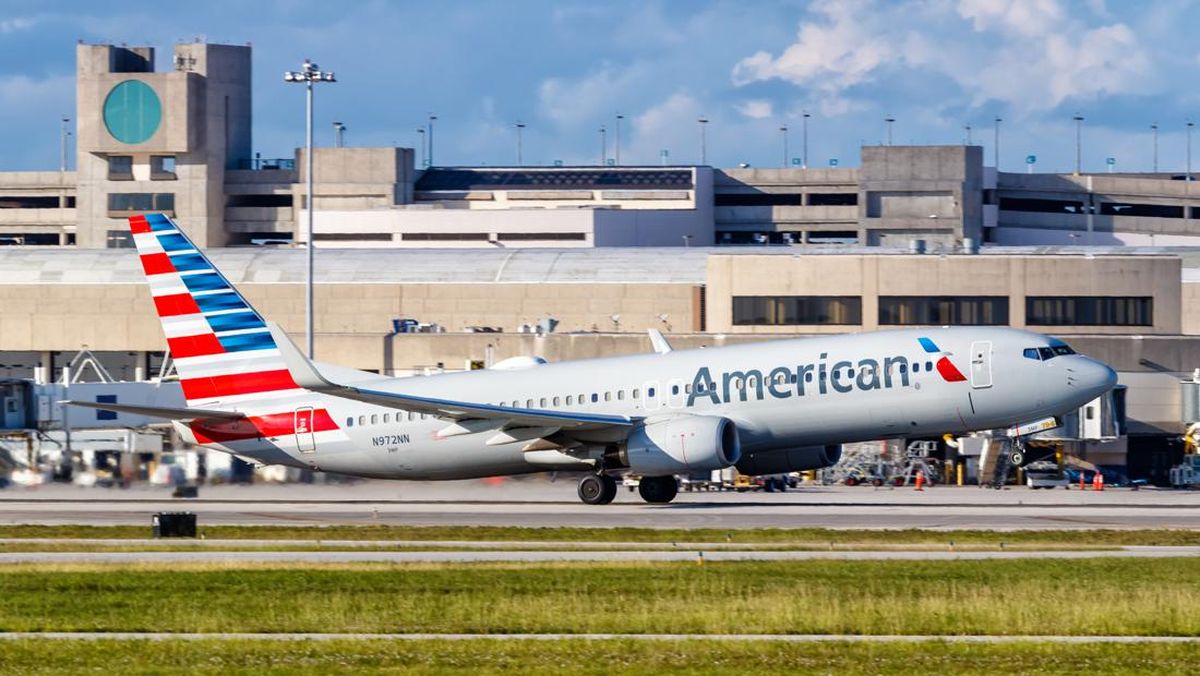
Florida Governor Ron DeSantis has officially signed a bill into law that will rename Palm Beach International Airport to President Donald J. Trump International Airport. The official change is slated to take effect on July 1, 2026. While the state legislature’s approval marks a significant step, the renaming is still contingent upon final approval from the Federal Aviation Administration (FAA). The FAA has indicated that administrative adjustments, including updates to databases and aviation navigation charts, will be necessary before the new designation is fully implemented.
This significant renaming decision is deeply intertwined with Donald Trump’s long-standing association with the South Florida region. During his presidency, Trump frequently utilized the airport as a gateway to his private Mar-a-Lago resort, which is located a mere five miles away. The proximity and consistent use of the airport by the former president have cemented its place in his personal and political history.
The Trump Organization, through its various entities, had proactively pursued trademark protection for the airport’s new name in the month preceding the legislative action. Eric Trump, Executive Vice President of the Trump Organization, expressed his enthusiasm for the development. "Proud to have played a small role in making this happen. Thank you to Governor DeSantis and the vast majority in the Florida House of Representatives," he stated on social media platform X. This sentiment underscores the organization’s active involvement and satisfaction with the outcome.
However, the decision has not been without considerable opposition. Critics, led by Fentrice Driskell, the Democratic leader in the Florida House of Representatives, have voiced strong objections, arguing that the renaming represents a financial burden on taxpayers. Estimates suggest the rebranding process could cost upwards of $5 million. "As the cost of living continues to rise for Floridians, Republican leadership is prioritizing a wasteful expenditure to rename an airport over lowering the cost of living for the people," Driskell asserted, highlighting a perceived misallocation of public funds.
A Precedent for Trump-Branded Infrastructure
This is not the first instance of proposals to emblazon public infrastructure with Trump’s name. Previously, discussions arose regarding renaming Dulles International Airport in Virginia and Penn Station in New York, with the potential naming rights offered in exchange for federal project funding. These past considerations suggest a pattern of attempts to integrate Trump’s brand with significant public assets.
The increasing presence of the Trump name in public spaces across the United States is a notable trend. Beyond transportation hubs, his name adorns various cultural and educational institutions, including the Kennedy Center and the United States Institute of Peace. This pervasive visibility extends to the nation’s currency and coinage, with the Treasury Department recently announcing that Trump’s signature will appear on upcoming banknotes. Furthermore, a federal commission has approved the design for a 24-karat gold coin commemorating the United States’ 250th anniversary, featuring Trump’s likeness.
The Road to Renaming: A Chronology of Events
The process leading to the official renaming of Palm Beach International Airport involved several key stages:
- Early Proposals and Discussions: While not detailed in the initial report, it can be inferred that initial discussions and lobbying efforts likely began well before the formal legislative push. The Trump Organization’s proactive trademark application suggests a level of preparedness and anticipation.
- Legislative Introduction and Debate: The introduction of the bill to rename the airport in the Florida legislature would have marked the formal commencement of the process. This stage likely involved committee hearings, debates, and amendments, reflecting the political dynamics at play.
- State House and Senate Approval: The bill’s passage through both the Florida House of Representatives and the Florida Senate signifies majority support for the renaming. Eric Trump’s statement directly acknowledges the "vast majority" in the House, indicating a strong legislative mandate.
- Governor’s Signature: Governor Ron DeSantis’s official signing of the bill into law is the pivotal state-level approval. This action transforms the legislative proposal into enacted state policy.
- Effective Date and FAA Approval: The designated effective date of July 1, 2026, allows for a substantial period for necessary preparations. Crucially, the Federal Aviation Administration’s (FAA) final approval is required to finalize the renaming process. This federal oversight ensures compliance with national aviation standards and protocols.
Financial Implications and Public Opinion
The estimated $5 million cost associated with rebranding Palm Beach International Airport raises significant questions about public expenditure. This figure likely encompasses a range of expenses, including:
- Signage and Wayfinding: Replacing all airport signage, from exterior marquees to interior directional signs and gate information, will be a considerable undertaking. This includes large-scale installations that require specialized design and fabrication.
- Branding and Marketing Materials: All official airport letterheads, websites, social media profiles, uniforms, and promotional materials will need to be updated to reflect the new name and branding.
- Administrative and Operational Adjustments: The renaming will necessitate updates to internal operational systems, databases, communication protocols, and potentially employee training.
- Legal and Trademark Fees: Costs associated with securing and registering the new name, including any associated legal fees and trademark renewals, will also contribute to the overall expense.
The stark contrast between the allocated funds for renaming and the rising cost of living for Floridians, as highlighted by Representative Driskell, underscores a broader debate about governmental priorities. Critics argue that public funds could be better utilized for initiatives that directly benefit residents, such as infrastructure improvements, education, or healthcare.
Conversely, proponents of the renaming likely view it as a tribute to a prominent figure with deep ties to the region and a potential boost to local tourism and economic activity, though concrete data to support such claims for this specific renaming are not yet available. The association with a former U.S. President could be seen by some as enhancing the airport’s prestige.
Broader Impact and Future Considerations
The renaming of Palm Beach International Airport to President Donald J. Trump International Airport is part of a larger national narrative surrounding the branding of public spaces and the legacy of the former president. The inclusion of his signature on currency and his likeness on commemorative coins signifies a unique level of official recognition, extending beyond typical presidential tributes.
The FAA’s role in this process is critical. As the regulatory body for U.S. aviation, its approval ensures that the renaming adheres to all safety and operational standards. The administrative burden of updating navigational databases, air traffic control systems, and pilot information is substantial and requires meticulous execution. The timeline of July 1, 2026, allows ample time for these complex adjustments.
The long-term implications of this renaming are multifaceted. It solidifies Trump’s presence in the South Florida landscape and serves as a tangible marker of his influence. For supporters, it is a moment of recognition and pride. For opponents, it represents a divisive political act and a questionable use of public resources.
As the date of the official renaming approaches, public discourse is likely to continue. The effectiveness of the rebranding in terms of economic impact, public perception, and future political symbolism will be subjects of ongoing observation and analysis. The decision also sets a potential precedent for future naming rights of public facilities, prompting consideration of the criteria and justifications for such significant alterations. The interplay between political influence, public funding, and symbolic representation will remain a central theme in discussions surrounding this prominent airport’s transformation. The airport, once a symbol of Palm Beach’s accessibility, is poised to become a distinct emblem of a significant political figure.