Nasution Nanang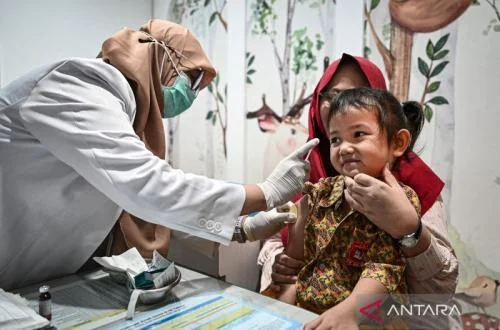
The Indonesian government has announced a comprehensive series of strategic initiatives spanning disaster response, public sector accountability, public health, environmental conservation, and educational reform, marking a proactive approach to national development and resilience. At the forefront, accelerated data collection and aid distribution efforts are underway for communities affected by recent hydrometeorological disasters across Sumatera. Concurrently, the Ministry of Social Affairs has issued a stern warning regarding civil service discipline, signaling an uncompromising stance against absenteeism. These developments unfold amidst encouraging reports from the Ministry of Health detailing a significant decline in national measles cases, alongside ambitious plans to implement innovative climate financing at Way Kambas National Park and launch an integrated elite secondary education program.
Accelerated Disaster Response and Rehabilitation in Sumatera
Indonesia is intensifying its efforts to provide swift relief and initiate recovery for communities devastated by recent hydrometeorological disasters across Sumatera. Muhammad Tito Karnavian, who chairs the Satuan Tugas Percepatan Rehabilitasi dan Rekonstruksi Pascabencana Sumatera (Task Force for Accelerated Post-Disaster Rehabilitation and Reconstruction in Sumatera), emphasized the government’s commitment to rapid intervention during a press briefing in Jakarta on Thursday, March 26. This directive comes in response to a series of severe weather events, including flash floods and landslides, which have impacted several provinces across the island, displacing thousands and causing extensive damage to infrastructure and livelihoods.
Background and Context of Hydrometeorological Disasters
Sumatera, with its diverse topography and climate patterns, is particularly vulnerable to hydrometeorological disasters. The region experiences distinct wet and dry seasons, with the former often bringing torrential rains that lead to riverine and urban flooding, as well as landslides, especially in deforested or steeply sloped areas. Over the past decade, Indonesia has seen an increasing frequency and intensity of such events, often exacerbated by climate change and environmental degradation. The government’s renewed focus on acceleration reflects lessons learned from previous disaster responses, aiming to minimize suffering and expedite the return to normalcy for affected populations. Previous disaster management frameworks, while robust, sometimes faced bottlenecks in data verification and disbursement, prompting the current streamlined approach.
Details of Aid Acceleration and Disbursement
The core of the accelerated strategy involves the immediate disbursement of financial assistance to affected citizens whose data has been verified, without waiting for the complete compilation of data from all impacted regions. This "rolling disbursement" model is a significant departure from previous protocols that often required a full assessment before aid packages could be released comprehensively. According to the Task Force, this approach is designed to circumvent delays inherent in large-scale data collection across diverse geographical areas, ensuring that critical aid reaches those most in need without undue postponement. The financial aid, which includes direct cash transfers for household reconstruction and livelihood restoration, is being channeled through established government mechanisms, with strict oversight to prevent misuse.
Chronology of Recent Events and Response
The recent wave of hydrometeorological disasters began in early March, with heavy rainfall leading to widespread flooding in provinces such as North Sumatera, West Sumatera, and Lampung. Initial reports indicated over 50,000 households affected, with approximately 5,000 homes severely damaged or destroyed. The national disaster management agency (BNPB) immediately deployed emergency response teams, providing initial relief in the form of food, temporary shelter, and medical assistance. Following the initial emergency phase, the Task Force, under Tito Karnavian’s leadership, was activated to manage the rehabilitation and reconstruction phase, focusing on long-term recovery. The announcement on March 26 marked the official launch of the accelerated financial aid disbursement program, signaling a shift from emergency relief to sustained recovery efforts.
Supporting Data and Scope of Assistance
Preliminary estimates suggest that the total financial assistance earmarked for this phase could exceed IDR 1.5 trillion (approximately USD 100 million), covering housing reconstruction, infrastructure repair, and livelihood support. The aid is categorized into several tiers: direct cash assistance for severely damaged homes (up to IDR 50 million), moderately damaged homes (up to IDR 25 million), and lightly damaged homes (up to IDR 10 million). Additionally, farmers and small business owners affected by the floods are eligible for grants to restart their operations. Humanitarian organizations, including the Indonesian Red Cross (PMI) and various local NGOs, have reported mobilizing over 2,000 volunteers, providing supplementary aid, psychological support, and sanitation facilities in temporary shelters. An estimated 15,000 families are expected to benefit from the initial wave of accelerated financial disbursements.
Official Statements and Stakeholder Reactions
Muhammad Tito Karnavian underscored the government’s resolve, stating, "Our priority is to alleviate the burden on our citizens as quickly as possible. We cannot afford to let bureaucratic processes delay essential aid. The ‘rolling’ disbursement model ensures that verified victims receive assistance without waiting for a perfect, comprehensive data set from every single village." Local officials, such as the Governor of West Sumatera, expressed appreciation for the expedited process. "This accelerated approach is crucial for our communities. The sooner families can rebuild, the sooner our local economies can recover," he remarked. Humanitarian aid groups also welcomed the move, noting that timely financial aid is often more effective than in-kind donations in the long run, as it allows affected families to procure specific necessities.
Broader Impact and Implications
The accelerated aid distribution model is expected to significantly improve the efficiency and effectiveness of disaster response in Indonesia. By prioritizing speed and flexibility, the government aims to enhance public trust and demonstrate its commitment to citizen welfare. This approach could also serve as a blueprint for future disaster management protocols, emphasizing adaptive strategies over rigid bureaucratic procedures. Economically, rapid reconstruction aid helps stabilize local economies by stimulating demand for construction materials and labor, thereby preventing prolonged economic stagnation in disaster-hit areas.
Stringent Measures for Civil Service Discipline at the Ministry of Social Affairs
In a resolute move to uphold integrity and efficiency within the public sector, Minister of Social Affairs Saifullah Yusuf has issued a firm directive, vowing to dismiss any civil servants (ASN) or government-contracted employees (PPPK) found to be indisciplined. This strong stance on accountability follows a significant incidence of absenteeism within the Ministry, particularly observed immediately after the Eid al-Fitr 1447 Hijriah holidays.
Background and Importance of ASN Discipline
The discipline of Aparatur Sipil Negara (ASN), or civil servants, is a cornerstone of effective public administration and service delivery in Indonesia. ASNs are entrusted with implementing government policies and providing essential services to the public. Any lapse in discipline, particularly absenteeism, can lead to disruptions in public services, erode public trust, and undermine the overall efficiency of government operations. The Indonesian government has long emphasized bureaucratic reform and the cultivation of a professional, ethical, and high-performing civil service. Regulations stipulate clear guidelines for attendance, leave, and professional conduct, with various levels of disciplinary action for violations.
Details of Minister Yusuf’s Directive
Minister Saifullah Yusuf made his intentions clear during a disciplinary briefing in Jakarta, where he addressed Ministry employees. He unequivocally stated that there would be no tolerance for negligence of duties, particularly unexcused absences. "Our commitment to serving the public demands unwavering dedication and discipline from every single employee," Minister Yusuf declared. "Those who choose to disregard their responsibilities will face the full consequences, including termination." This firm stance is intended to send a clear message throughout the Ministry and potentially serve as a benchmark for other government agencies. The Minister highlighted that the primary goal is not punishment, but to ensure that the Ministry operates at its optimal capacity to serve the nation’s most vulnerable populations.
Chronology of Post-Eid Absenteeism
The disciplinary issues came to light on the first working day following the extensive Eid al-Fitr 1447 Hijriah holiday period. Eid al-Fitr, which in the Gregorian calendar corresponds to late 2026 or early 2027, is a major national holiday in Indonesia, often involving significant travel for many civil servants returning to their hometowns. On that critical day, a staggering 2,708 employees of the Ministry of Social Affairs failed to report for duty without official leave or valid explanation. This represents a substantial portion of the Ministry’s total workforce, which is estimated to be around 25,000 employees nationwide. The high number of unexcused absences prompted an immediate internal investigation and the Minister’s subsequent stern address.
Supporting Data and Potential Impact
The reported 2,708 absentees constitute approximately 10.8% of the Ministry’s total staff. Such a high rate of absenteeism on a single day can significantly disrupt operations, particularly in a ministry responsible for critical social welfare programs, including disaster aid distribution, poverty alleviation, and social rehabilitation. The Minister’s office indicated that the internal investigation would meticulously review each case, differentiate between legitimate emergencies and intentional negligence, and apply sanctions in accordance with civil service regulations. Disciplinary actions range from written warnings and salary deductions to demotion and, in severe or repeated cases, outright dismissal.
Official Statements and Reactions
Minister Yusuf’s statement received broad support from various civil service watchdogs and public policy experts. "This is a necessary step to reinforce accountability within the bureaucracy," commented an official from the National Civil Service Agency (BKN). "Public servants are expected to set an example, and strict measures are vital to maintain the integrity of public service." While some employee unions acknowledged the need for discipline, they also urged a fair and transparent investigation process, ensuring that genuine cases of unavoidable circumstances are considered. "We support professionalism, but also advocate for due process for all employees," a union representative noted.
Broader Impact and Implications
The decisive action taken by the Ministry of Social Affairs is expected to have far-reaching implications for civil service discipline across all government ministries and agencies. It underscores the government’s commitment to bureaucratic reform and enhancing public service delivery. Improved discipline can lead to increased efficiency, better utilization of public resources, and ultimately, more effective implementation of government programs that directly benefit citizens. It also serves as a strong deterrent against future acts of indiscipline, fostering a culture of professionalism and accountability within the civil service.
Remarkable Decline in Measles Cases Nationwide
In a significant public health achievement, the Ministry of Health has reported a dramatic decline in measles (campak) cases across Indonesia, signaling the effectiveness of sustained vaccination campaigns and public health interventions. The latest figures reveal a staggering 95 percent reduction in suspected and confirmed cases between the first and eleventh weeks of 2026, marking a pivotal moment in the nation’s fight against communicable diseases.
Background and Context of Measles in Indonesia
Measles has historically been a significant public health challenge in Indonesia, particularly among children, leading to severe complications, hospitalizations, and even fatalities. Before robust vaccination programs, outbreaks were frequent and widespread. The government, in collaboration with international health organizations like WHO and UNICEF, initiated aggressive measles vaccination campaigns, integrating them into the national immunization schedule. These efforts gained momentum in the early 2020s, focusing on achieving high vaccination coverage rates, especially in remote and underserved areas, and addressing vaccine hesitancy through targeted public awareness campaigns. The goal was not just control, but elimination, aligning with global health targets.
Details of the Reported Decline
According to Aji Muhawarman, Head of the Bureau of Communication and Public Information at the Ministry of Health, the decline in measles cases has been consistently observed since the third week of 2026. Data for the first week of 2026 recorded 2,740 suspected measles cases and 2,268 confirmed cases. By the eleventh week of the same year, these numbers had plummeted to just 177 suspected cases and 121 confirmed cases. This represents a remarkable approximately 95 percent reduction, indicating a rapid and widespread impact of public health interventions. The figures are closely monitored through the national disease surveillance system, which tracks infectious disease trends across all provinces.
Chronology of Vaccination Drives and Monitoring
The success can be attributed to a multi-year, multi-phase immunization strategy. A nationwide measles-rubella (MR) vaccination campaign was vigorously implemented from 2022-2025, targeting millions of children aged 9 months to 15 years. This was followed by intensified routine immunization efforts and catch-up campaigns for unvaccinated or under-vaccinated populations. Public awareness campaigns, utilizing various media platforms, played a crucial role in educating parents about the importance of vaccination and debunking myths. The Ministry of Health also strengthened its surveillance systems, enabling quicker detection and response to potential outbreaks, thereby containing spread more effectively. Continuous monitoring and evaluation of vaccination coverage rates and disease incidence have been critical to adapting strategies.
Supporting Data and Vaccination Coverage
The significant drop in cases correlates with robust national vaccination coverage. By the end of 2025, Indonesia had achieved over 95% coverage for the first dose of the MR vaccine and over 90% for the second dose among the target population, surpassing the critical herd immunity threshold in many regions. Specific interventions included mobile vaccination clinics in hard-to-reach areas, school-based immunization programs, and collaboration with community leaders and religious figures to promote vaccine acceptance. The decline is observed across most provinces, with a few isolated clusters still under active surveillance, particularly in areas with historically lower vaccination rates.
Official Statements and Expert Reactions
Aji Muhawarman attributed the success to "the tireless efforts of healthcare workers, community engagement, and the strong political will to prioritize child health through comprehensive immunization programs." Dr. Sarah Wijaya, a leading epidemiologist and public health expert, remarked, "This 95% reduction is truly exceptional. It demonstrates that with sustained political commitment, robust health infrastructure, and community participation, even historically challenging infectious diseases can be brought under control, moving us closer to measles elimination goals." Representatives from the World Health Organization (WHO) also commended Indonesia’s progress, citing it as a model for other developing nations.
Broader Impact and Implications
The dramatic reduction in measles cases has profound implications for public health in Indonesia. It signifies improved child health outcomes, reduced burden on healthcare facilities, and a healthier future generation. This success strengthens the nation’s health security and demonstrates the efficacy of investing in preventative healthcare. It also frees up resources that can be redirected to tackle other public health challenges. Furthermore, it reinforces public trust in government health initiatives and vaccination programs, potentially paving the way for greater acceptance of other essential immunizations.
Pioneering Climate Financing for Way Kambas National Park
Indonesia is poised to take a leading role in sustainable conservation through an innovative climate financing model set to be piloted at Way Kambas National Park (TNWK) in East Lampung. Minister of Forestry Raja Juli Antoni announced that TNWK would serve as a groundbreaking project, aiming to revolutionize how protected areas are funded, moving away from conventional reliance on the state budget and international non-governmental organizations (NGOs).
Background and Significance of Way Kambas National Park
Way Kambas National Park, established in 1989, is a critical biodiversity hotspot located in the province of Lampung, on the island of Sumatera. It is renowned globally for its conservation efforts for two critically endangered species: the Sumatran elephant and the Sumatran rhinoceros. The park spans approximately 1,300 square kilometers of lowland rainforest, swamps, and coastal forests, providing a vital habitat for these iconic megafauna, as well as tigers, tapirs, and numerous bird species. Despite its ecological importance, TNWK has faced persistent challenges, including habitat encroachment, poaching, human-wildlife conflict, and chronic underfunding, which often limits the scope and effectiveness of its conservation programs.
Details of the Innovative Climate Financing Initiative
Minister Raja Juli Antoni outlined a vision for TNWK that embraces a more diversified and sustainable funding ecosystem. The new model seeks to integrate various innovative climate financing mechanisms, including carbon credits, green bonds, private sector partnerships (e.g., corporate social responsibility initiatives, ecotourism investments), and direct community-based conservation funds. The goal is to create a self-sustaining financial framework that empowers local communities, provides long-term funding stability, and reduces the park’s dependence on unpredictable annual state budget allocations (APBN) and project-specific grants from international NGOs. This approach aligns with Indonesia’s broader commitments under the Paris Agreement and its national climate change mitigation and adaptation strategies.
Chronology of the Initiative and Pilot Phase
The concept of innovative financing for TNWK has been under discussion for several years, driven by the realization that traditional funding models are insufficient to meet the escalating costs of effective conservation. The official announcement by Minister Antoni signals the transition from concept to implementation. The pilot phase, expected to commence in mid-2026, will involve a detailed feasibility study to identify the most suitable financing instruments for TNWK. This will be followed by stakeholder engagement workshops with potential investors, local communities, and conservation experts. Initial projects under this new funding model are expected to focus on enhanced anti-poaching patrols, habitat restoration, community-based ecotourism development, and climate change adaptation measures within the park.
Supporting Data and Potential Funding Mechanisms
Current funding for TNWK largely relies on an annual APBN allocation of approximately IDR 15-20 billion (USD 1-1.3 million), supplemented by grants from international organizations like the Frankfurt Zoological Society and the International Rhino Foundation. Under the innovative model, projections suggest that TNWK could potentially generate an additional IDR 30-50 billion annually within five years. For instance, preliminary assessments indicate the park’s forests could sequester significant amounts of carbon, potentially generating millions of dollars from carbon credit sales in voluntary markets. Partnerships with ethical tourism operators could attract high-value ecotourists, while green bonds could provide upfront capital for large-scale infrastructure projects like advanced surveillance systems or rehabilitation centers. Community involvement is envisioned through benefit-sharing mechanisms, ensuring that local populations directly benefit from conservation efforts, providing incentives for their stewardship.
Official Statements and Stakeholder Reactions
Minister Raja Juli Antoni emphasized the transformative potential of the initiative: "Way Kambas will not just be a sanctuary for endangered species; it will be a beacon for sustainable financing in conservation. We aim to prove that conservation can be economically viable and community-driven, reducing our reliance on traditional, often volatile, funding sources." Conservation groups, such as the Indonesian Forum for the Environment (WALHI), expressed cautious optimism. "This is a critical step towards financial independence for our protected areas. However, careful oversight will be needed to ensure that commercial interests do not compromise conservation ethics," a WALHI spokesperson noted. Local community leaders, who have long sought greater involvement in park management, welcomed the empowerment aspect, seeing it as an opportunity for sustainable livelihoods.
Broader Impact and Implications
The success of the Way Kambas innovative climate financing model could establish a groundbreaking precedent for other national parks and protected areas across Indonesia and potentially globally. It offers a viable pathway to address the chronic underfunding plaguing conservation efforts, thereby safeguarding biodiversity and enhancing climate resilience. By involving the private sector and local communities, it fosters a shared responsibility for environmental stewardship and promotes sustainable economic development alongside conservation goals. This initiative also reinforces Indonesia’s global leadership in climate action and biodiversity protection.
Launch of SMA Unggul Garuda Transformasi for Integrated Education
The Indonesian government, through the Ministry of Higher Education, Science, and Technology, has announced a significant stride in educational reform with the launch of the "SMA Unggul Garuda Transformasi" program. This year, the initiative will invite 30 selected Senior High Schools (SMA/MA) across the archipelago to join an integrated educational ecosystem designed to bridge the gap between secondary and higher education, fostering a new generation of highly capable and innovative students.
Background and Context of Educational Reform Goals
Indonesia’s education system has historically faced challenges in ensuring equitable access to quality education and adequately preparing students for the demands of higher education and the modern workforce. Disparities in educational quality between urban and rural areas, and a curriculum sometimes criticized for being overly theoretical, have prompted calls for reform. The Ministry’s overarching goal is to create a more dynamic, relevant, and integrated educational pathway that nurtures critical thinking, creativity, and problem-solving skills, aligning with national development priorities in science, technology, and innovation. The "Garuda Transformasi" initiative represents a strategic effort to cultivate a pool of talented students ready for advanced studies and leadership roles.
Details of the New Program
The "SMA Unggul Garuda Transformasi" (Superior Garuda Transformation High School) program is envisioned as an elite network of high schools that will operate with an enhanced curriculum, advanced facilities, and a strong emphasis on science, technology, engineering, arts, and mathematics (STEAM). These schools will be characterized by their integrated approach, fostering close collaboration with universities and research institutions from the outset. Key features include specialized academic tracks, mentorship programs with university professors, early exposure to research methodologies, and access to state-of-the-art laboratories and digital learning platforms. The program aims to create a seamless transition for students from secondary to higher education, equipping them with the necessary academic rigor and practical skills.
Chronology of Program Launch and Selection
The Ministry of Higher Education, Science, and Technology initiated the planning for the "SMA Unggul Garuda Transformasi" program in late 2025, following extensive consultations with educational experts, university rectors, and industry leaders. The official announcement this year opens the application process for eligible SMA/MA schools nationwide. The selection process will be highly competitive, based on criteria such as academic performance, infrastructure readiness, teacher qualifications, and a demonstrated commitment to innovation. Schools selected will undergo a comprehensive transformation process, receiving support for curriculum development, teacher training, and facility upgrades. The first cohort of 30 schools is expected to commence the revamped program in the academic year 2027/2028, with a vision to expand the network in subsequent years.
Supporting Data and Program Features
The 30 selected SMA/MA schools will benefit from an initial investment of approximately IDR 500 billion (USD 33 million) for infrastructure enhancements and program development. Each school will be equipped with advanced science laboratories, computer labs, and digital libraries. The curriculum will integrate project-based learning, critical thinking exercises, and opportunities for interdisciplinary studies. Teacher development is a cornerstone, with specialized training programs focusing on innovative pedagogical approaches and subject matter expertise. The program aims to produce graduates who are not only academically proficient but also possess strong soft skills, leadership qualities, and a global outlook. It is projected that over 15,000 students will directly benefit from this elite program within its first five years.
Official Statements and Educator Reactions
A spokesperson for the Ministry of Higher Education, Science, and Technology stated, "This program is an investment in Indonesia’s future. By creating an integrated ecosystem between our top high schools and universities, we are building a robust pipeline of talent essential for our nation’s progress in science, technology, and innovation." Educators and university leaders have largely welcomed the initiative. Professor Budi Santoso, Rector of a prominent state university, commented, "The ‘Garuda Transformasi’ program addresses a critical need. We often see a disconnect between secondary and higher education. This integration will better prepare students, making their transition smoother and enabling them to excel more rapidly at university." Parent associations expressed enthusiasm, viewing the program as an opportunity for their children to access world-class education within the national system.
Broader Impact and Implications
The "SMA Unggul Garuda Transformasi" program is expected to significantly elevate the standard of secondary education in Indonesia and foster a culture of excellence. By creating a strong link between high schools and universities, it aims to reduce the remedial burden often faced by first-year university students and accelerate specialized learning. The program will also serve as a model for broader educational reforms, potentially influencing curriculum development and teaching methodologies across the national education system. Ultimately, it seeks to produce a highly skilled workforce and innovative leaders, bolstering Indonesia’s competitiveness in the global knowledge economy and driving national development in critical sectors.
These multifaceted initiatives underscore Indonesia’s proactive stance in addressing contemporary challenges and building a resilient, prosperous future across various critical sectors, from immediate disaster relief and public sector accountability to long-term public health, environmental sustainability, and human capital development.