Azin Asro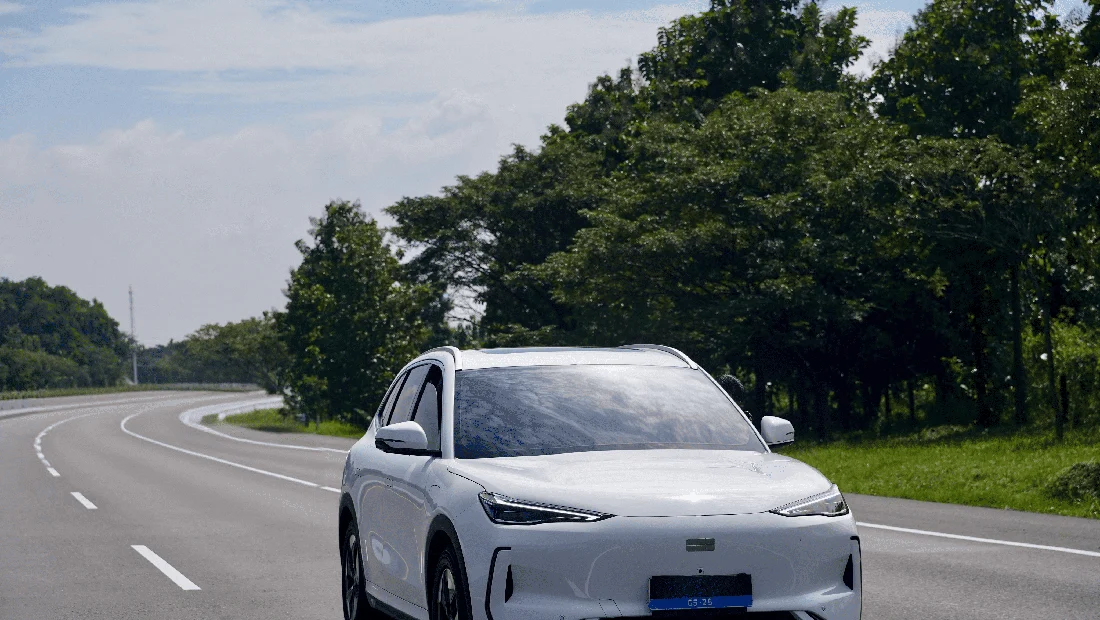
The 2026 Eid Al-Fitr homecoming season, locally known as mudik, has marked a significant turning point in Indonesia’s automotive landscape, as electric vehicles (EVs) transitioned from niche city cars to viable long-distance transport options. Observations across major toll roads, including the Trans-Java and Trans-Sumatra corridors, revealed a surge in compact electric models such as the BYD Atto 1 and the VinFast VF3 making the arduous journey to ancestral hometowns. However, as millions of travelers return to urban centers like Jakarta, the question of post-trip maintenance has become a primary concern for new EV owners. While electric vehicles are often touted for their low maintenance requirements compared to internal combustion engine (ICE) vehicles, automotive experts and manufacturers emphasize that the rigorous demands of long-distance travel necessitate a comprehensive post-mudik inspection to ensure continued reliability and safety.
Geely Indonesia, one of the key players in the domestic EV market, has issued a formal advisory to its customers, highlighting the importance of a professional check-up following high-intensity usage. The grueling conditions of mudik—characterized by extreme heat, heavy loads, stop-and-go traffic, and prolonged highway speeds—can put unique stresses on an EV’s core components. Constantinus Herlijoso, the Sales and Channel Director of Geely Auto Indonesia, noted that even though EVs lack the complex oil-based cooling and combustion systems of traditional cars, their electrical and mechanical subsystems require diligent oversight after a 500-to-1,000-kilometer journey.
According to Herlijoso, the primary objective of these inspections is to ensure the vehicle remains in peak condition for the resumption of daily urban routines. "After a long journey involving diverse road conditions, from dense traffic congestion to high-speed stretches, the vehicle has worked more intensely than usual. This includes the battery management system and the braking components," Herlijoso stated. He further explained that Geely is currently offering a free general check-up program to encourage owners to prioritize vehicle health, ensuring they can return to their daily activities with peace of mind and comfort.
The Evolution of the 2026 Mudik Season
The 2026 mudik season was a landmark event for the Indonesian government’s electrification goals. Preliminary data from the Ministry of Transportation and the Association of Indonesian Automotive Industries (Gaikindo) suggests that EV participation in the annual exodus increased by nearly 300% compared to 2024. This growth was spurred by the introduction of more affordable, entry-level models like the BYD Atto 1 and the VinFast VF3, which offered sufficient range for inter-city travel at a price point accessible to the middle class.
The expansion of the Public Electric Vehicle Charging Station (SPKLU) network also played a crucial role. By early 2026, the government, in collaboration with state-owned utility PLN and private enterprises, had installed ultra-fast charging stations at almost every rest area along the Trans-Java toll road. This infrastructure development significantly mitigated "range anxiety," allowing drivers of smaller-battery vehicles to confidently plan their trips. However, the heavy reliance on DC fast charging during the mudik period—often necessary to minimize wait times—is one of the reasons why a post-trip evaluation is essential for long-term battery health.
Critical Post-Trip Maintenance Steps for EV Owners
To maintain the optimal performance of an electric vehicle after the rigors of a cross-country trip, experts have outlined several critical steps that users should follow. These steps go beyond a simple car wash and delve into the technical health of the vehicle’s powertrain and safety features.
1. Re-establishing Daily Charging and Usage Patterns
During the mudik period, EV owners often deviate from their standard charging habits. The necessity of long-distance travel usually involves "deep cycles," where the battery is depleted to low levels and then rapidly charged to 80% or 100% using high-voltage DC chargers. While modern lithium-ion and lithium-iron-phosphate (LFP) batteries are designed to handle this, frequent fast charging can lead to heat buildup and minor imbalances in the battery cells.
Automotive engineers recommend that upon returning to the city, owners should return to a more stable "daily" charging rhythm. This typically involves using AC slow charging (Home Charging) and maintaining the battery state of charge (SoC) between 20% and 80%. This adjustment allows the Battery Management System (BMS) to recalibrate and perform cell balancing, which is crucial for preserving the battery’s State of Health (SoH) over the vehicle’s lifespan.
2. Evaluating Driving Dynamics and Handling
The physical toll of mudik is not limited to the battery. Indonesian roads, particularly during the rainy season or in rural areas, can present challenges such as potholes, uneven surfaces, and debris. The additional weight of passengers and luggage in an EV—which is already heavier than an ICE equivalent due to the battery pack—puts extra strain on the suspension, bushings, and steering rack.
Owners are advised to pay close attention to the vehicle’s "feel" during their first few days back in the city. Any new vibrations, pulling to one side, or unusual noises when navigating speed bumps could indicate that the wheel alignment has been compromised or that a suspension component requires tightening. Since EVs are significantly quieter than petrol cars, these mechanical issues are often easier to hear, but they should never be ignored.
3. Tire Pressure and Tread Inspection
Tires are the only point of contact between the vehicle and the road, and they bear the brunt of the heavy loads associated with mudik. High temperatures on toll roads can cause fluctuations in tire pressure, while the high torque of electric motors can accelerate tread wear if the tires are not properly maintained.
Post-mudik, it is essential to adjust tire pressure back to the manufacturer’s recommended levels for "light loads." Furthermore, owners should inspect the tires for uneven wear patterns, which might suggest alignment issues, or for small punctures caused by road debris that may not have caused an immediate flat but could lead to a slow leak.
4. Safety System and Braking Verification
Electric vehicles utilize regenerative braking, a system that uses the motor to slow the vehicle while simultaneously recharging the battery. This system reduces the wear on traditional friction brakes (pads and discs). However, during the heavy traffic of mudik, the friction brakes may have been used more aggressively than in typical city driving, especially during emergency stops or on steep descents.
A post-trip inspection should include a check of the brake fluid levels and the thickness of the brake pads. Additionally, sensors for Advanced Driver Assistance Systems (ADAS)—such as cameras and radar used for adaptive cruise control—should be cleaned and checked for calibration. Mud, dust, or insect remains accumulated during the long drive can obstruct these sensors, leading to degraded performance of safety features.
5. Cabin Hygiene and HVAC Maintenance
The comfort of the cabin is a priority for daily commuting. After a week or more of being used as a mobile living space for families, the interior of a mudik vehicle often requires deep cleaning. Beyond aesthetics, the Air Conditioning (AC) system deserves technical attention. The HVAC system in an EV is vital not only for passenger comfort but often for the thermal management of the battery pack itself. Ensuring that the cabin air filters are clean and that the cooling system is free of leaks is essential for maintaining both driver health and vehicle efficiency.
Broader Implications for the Indonesian EV Ecosystem
The successful completion of the 2026 mudik season by thousands of EVs provides a wealth of data for manufacturers and policymakers. It serves as a real-world "stress test" for the nation’s energy grid and charging infrastructure. The shift toward smaller EVs like the BYD Atto 1 and VinFast VF3 suggests that the market is maturing, with consumers prioritizing efficiency and technology over traditional status symbols.
From an economic perspective, the lower "fuel" costs of EV mudik compared to petrol-based travel have provided a significant boost to the disposable income of travelers. However, the reliance on a professional service network for post-trip checks highlights the need for more trained EV technicians across the archipelago. As Geely and other manufacturers expand their "free check-up" programs, they are not only building brand loyalty but also gathering critical data on how their vehicles perform under Indonesia’s unique tropical and logistical conditions.
Chronology of the 2026 Mudik Transition
The road to the 2026 "Electric Mudik" began in late 2024 with the implementation of aggressive government subsidies for locally manufactured EVs. By mid-2025, the "Trans-Java Green Corridor" project was completed, ensuring a charging station every 50 kilometers. In the weeks leading up to the 2026 Eid holiday, PLN launched a dedicated "Mudik EV" mobile app feature, allowing drivers to book charging slots in advance, thereby reducing the notorious queues at rest areas.
During the peak flow (H-3 to H-1 of Eid), monitoring stations recorded a record-breaking number of EV transactions. The return flow (H+3 to H+7) saw a similar trend, with many drivers expressing satisfaction with the cost-savings, despite the additional time required for charging stops. The current post-mudik period (H+10 onwards) is now the critical window for maintenance, as owners return to their professional lives in the nation’s capital and surrounding satellite cities.
Conclusion
The 2026 mudik has proven that electric vehicles are no longer confined to the streets of Jakarta. They are robust, capable, and increasingly preferred for long-distance travel. However, the transition to green mobility requires a shift in maintenance mindsets. By following the advice of industry leaders like Geely and focusing on battery health, tire integrity, and safety systems, EV owners can ensure that their vehicles remain reliable assets for years to come. As the dust settles on the 2026 homecoming season, the focus now shifts to the long-term sustainability of these vehicles, ensuring that the "green revolution" on Indonesian roads is built on a foundation of safety and meticulous care.