Bambang Pamungkas
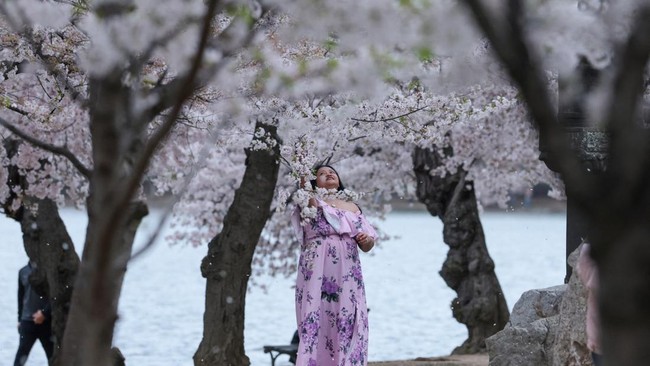
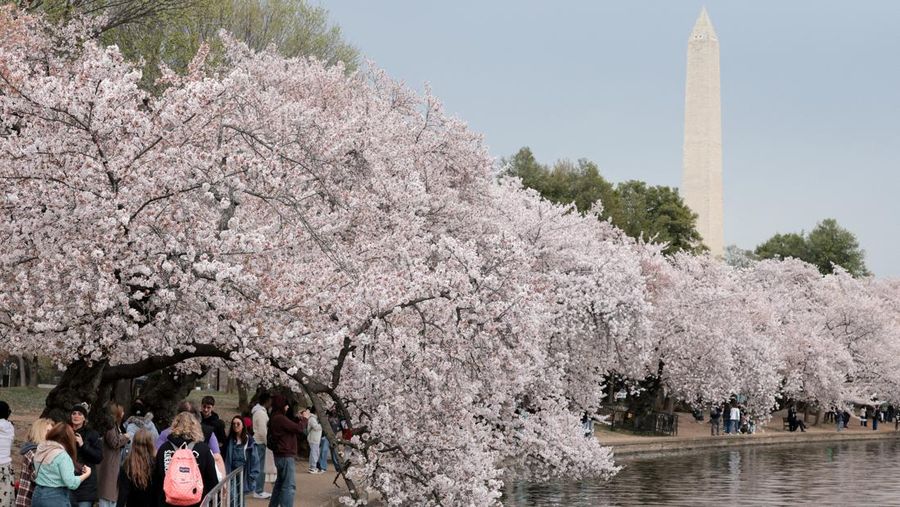
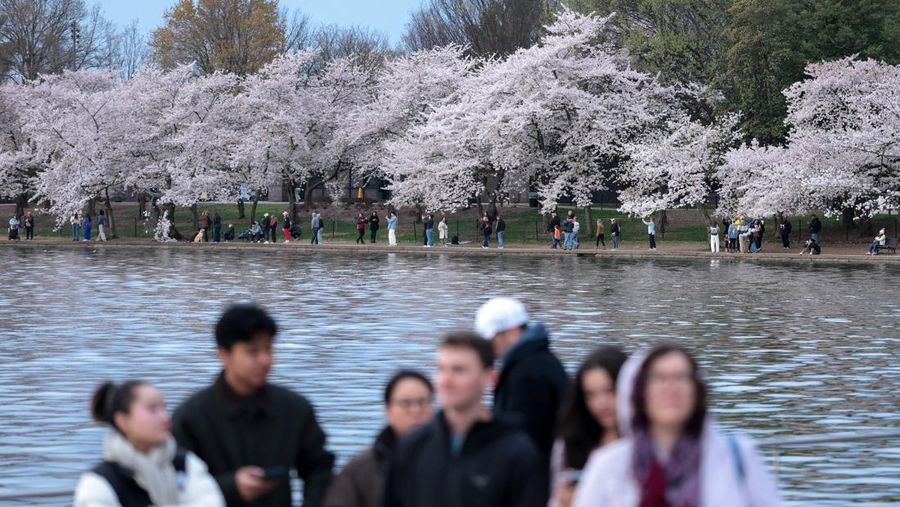
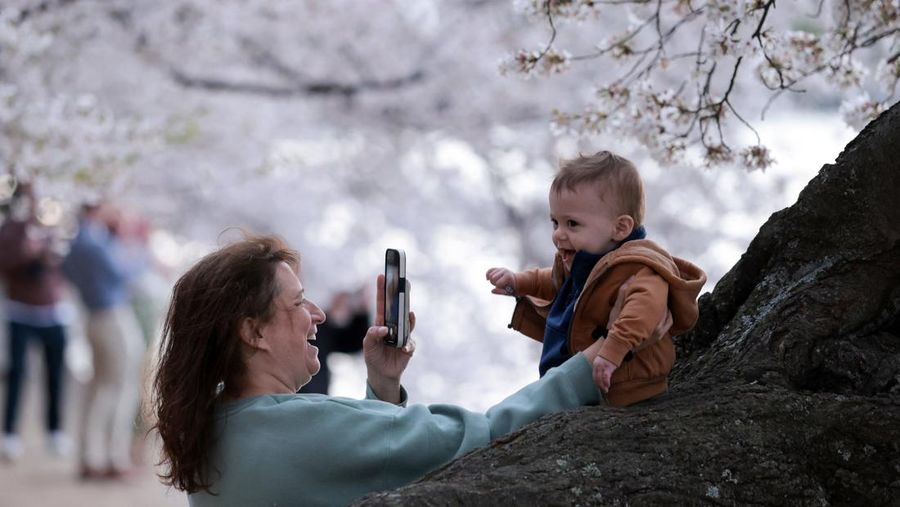
As spring graces the United States capital, Washington D.C. once again blossoms into a breathtaking spectacle, its iconic cherry trees bursting into a vibrant display of pink and white. On Monday, March 30, 2026, the Tidal Basin and surrounding areas were awash with the delicate petals of Prunus serrulata, drawing an annual pilgrimage of locals and tourists alike to witness a seasonal marvel that many describe as stepping into a fantastical "anime landscape." This annual transformation is not merely a transient beauty but a deeply rooted cultural phenomenon, celebrating a century-old bond of friendship between the United States and Japan, encapsulated by the venerable National Cherry Blossom Festival.
A Century of Petals: The Historical Tapestry of Washington’s Cherry Blossoms
The presence of cherry trees in Washington D.C. is a testament to an extraordinary act of international goodwill and enduring diplomacy. The story begins in the early 20th century, catalyzed by several visionary individuals. Eliza Ruhamah Scidmore, a pioneering world traveler and the first female trustee of the National Geographic Society, was captivated by the cherry blossoms during her visit to Japan in 1885. For over two decades, she tirelessly advocated for planting cherry trees along the Potomac River in Washington D.C., envisioning a scenic waterfront reminiscent of Japanese landscapes. Her persistence finally caught the attention of influential figures.
In 1909, Dr. David Fairchild, a botanist and agricultural explorer for the U.S. Department of Agriculture, imported 100 cherry trees from Japan for his estate in Chevy Chase, Maryland. The success of these trees further fueled the public’s imagination. That same year, First Lady Helen Herron Taft, an avid admirer of nature and Japanese culture, expressed her desire to plant cherry trees around the Tidal Basin, having lived in Japan herself.
The initiative truly gained momentum when Dr. Jokichi Takamine, a renowned Japanese chemist residing in New York, offered to donate 2,000 cherry trees from Tokyo to Washington D.C. as a symbol of friendship. This generous offer was enthusiastically accepted, and the first shipment of trees arrived in 1910. However, upon inspection by the U.S. Department of Agriculture, it was discovered that these trees were heavily infested with insects and diseases. To prevent the spread of foreign pests, President William Howard Taft regretfully ordered the entire shipment to be destroyed.
Despite this setback, the spirit of generosity and friendship persevered. Tokyo’s Mayor Yukio Ozaki, understanding the importance of the gesture, arranged for a second, much larger donation of 3,020 cherry trees. These trees, consisting primarily of the Yoshino variety (around 1,800 trees, known for their single white blossoms that often tinge pink as they age) and Kwanzan variety (around 700 trees, famous for their vibrant pink, multi-petaled blooms), were meticulously cultivated and inspected before shipment. This second consignment successfully arrived in Washington D.C. in 1912.
The inaugural planting ceremony took place on March 27, 1912, a truly historic moment. First Lady Helen Herron Taft, alongside Viscountess Iwa Chinda, wife of the Japanese Ambassador, ceremoniously planted the first two Yoshino cherry trees on the northern bank of the Tidal Basin in West Potomac Park. These two original trees still stand today, revered as living monuments to the enduring bond between the two nations. This act marked the official beginning of Washington D.C.’s cherished cherry blossom tradition, transforming the city’s landscape and fostering a powerful symbol of international peace and understanding.
The National Cherry Blossom Festival: A Vibrant Spring Celebration
What began as a diplomatic gift and a simple planting ceremony has burgeoned into one of the nation’s most anticipated annual events: the National Cherry Blossom Festival. Spanning four weeks, the festival transforms the capital into a hub of cultural festivities, attracting over 1.6 million visitors each year. This monumental event, as detailed by The CSR Journal, has evolved significantly since its humble beginnings, now featuring a diverse array of programs celebrating Japanese and American arts, culture, and community spirit.
The festival’s calendar is packed with events catering to all ages and interests. Highlights often include:
- The Opening Ceremony: A free performance showcase celebrating Japanese and American cultures, featuring traditional and contemporary artists.
- The Blossom Kite Festival: An event that sees thousands of kites of all shapes and sizes soar above the Washington Monument grounds, drawing both professional and amateur kite flyers.
- The National Cherry Blossom Festival Parade: A grand spectacle featuring elaborate floats, giant helium balloons, marching bands, and cultural performances parading down Constitution Avenue.
- Petalpalooza: A vibrant waterfront celebration at The Wharf, featuring live music, art installations, family-friendly activities, and a spectacular fireworks show over the Potomac River.
- Sakura Matsuri – Japanese Street Festival: One of the largest Japanese cultural festivals in the United States, offering traditional food, music, dance, martial arts demonstrations, and artisanal crafts.
Beyond these major events, numerous smaller activities, such as lantern lighting ceremonies, cultural workshops, art exhibits, and guided tours of the cherry trees, ensure a continuous celebration throughout the bloom period. The vast majority of these programs are accessible to the public, many of them free, underscoring the festival’s commitment to community engagement and cultural exchange.
Predicting Peak Bloom: The Science and Spectacle
The timing of the cherry blossom peak bloom is a keenly anticipated event, closely monitored by the National Park Service (NPS), which manages the trees. Peak bloom is officially declared when 70% of the Yoshino cherry trees around the Tidal Basin have opened their buds. This delicate calculation is influenced by a complex interplay of environmental factors, primarily temperature and precipitation in the preceding months. Warmer winters and early springs can push the bloom forward, while colder, prolonged winters can delay it.
In recent years, climate change has introduced an increasing unpredictability to bloom timing, with a noticeable trend towards earlier peak bloom dates. For example, historically, the average peak bloom date was around April 4th. However, in the last decade, it has often occurred earlier in March. The NPS employs sophisticated models and constant monitoring of the buds to provide accurate predictions, typically offering a two-week window for the expected peak bloom. These predictions are crucial for the millions of visitors planning their trips, as the ephemeral beauty of the blossoms typically lasts for only about 7 to 10 days once peak bloom is reached.
A ‘Land of Anime’ and Modern Cultural Resonance
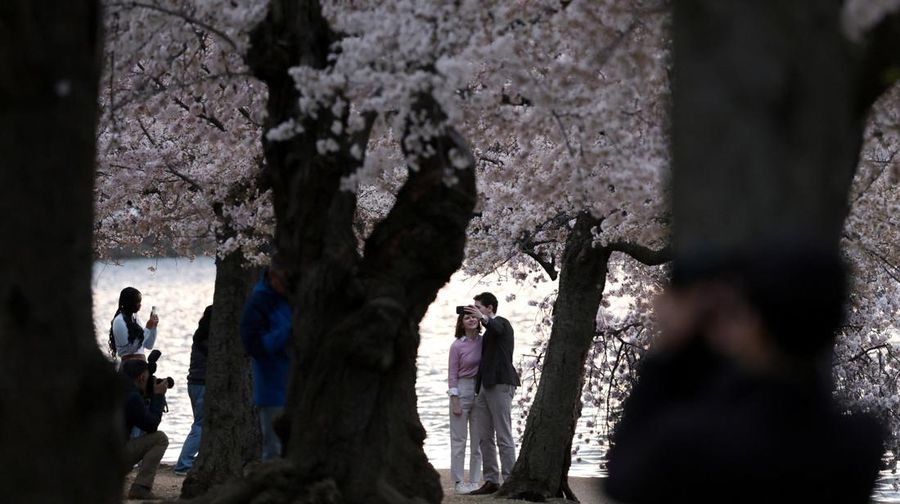
The sight of Washington D.C. draped in pink has resonated deeply with contemporary popular culture, particularly among enthusiasts of Japanese anime and manga. Many visitors, as observed during the 2026 bloom, remark that the scenery evokes the fantastical, often idealized landscapes depicted in their favorite animated series. The gentle flutter of petals carried on the breeze, the soft pink canopy overhead, and the serene reflections on the Tidal Basin create an almost dreamlike atmosphere that transcends the urban setting, momentarily transporting visitors to a realm of beauty often associated with fictional worlds.
This modern interpretation adds another layer of appreciation to the traditional celebration, attracting a younger, globally-aware demographic. Social media platforms become flooded with stunning photographs and videos, with hashtags like #CherryBlossomDC and #AnimeInDC amplifying the festival’s reach and drawing even more attention to its unique charm. The aesthetic appeal of the blossoms, combined with the city’s iconic monuments like the Jefferson Memorial and Washington Monument providing a majestic backdrop, makes for unparalleled photo opportunities, further cementing the festival’s status as a must-see event.
The Enduring Legacy of First Ladies and Diplomacy
The initial planting by First Lady Helen Herron Taft in 1912 established a precedent for the continuous involvement of America’s First Ladies in the cherry blossom tradition, reinforcing its significance as a symbol of U.S.-Japan friendship. This matriarchal patronage has continued through generations, underscoring the non-partisan and enduring nature of this diplomatic bond.
- Mamie Eisenhower (1953) honored the tradition by crowning the Cherry Blossom Festival Queen, a symbolic gesture that highlighted the festival’s role in civic life and pageantry.
- Lady Bird Johnson (1965), a passionate advocate for environmental beautification, received an additional 3,800 Yoshino cherry trees from Japan, further expanding the capital’s blooming canopy. Her initiatives significantly contributed to the "Beautify America" campaign, and the cherry blossoms perfectly aligned with her vision.
- Betty Ford (1976) invited state princesses participating in the festival to the White House, strengthening the ties between the nation’s capital and states across the country through this shared cultural event.
- More recently, Hillary Clinton, Laura Bush, and Michelle Obama have all actively participated in various planting ceremonies, opening events, and other festival activities. Their involvement ensures the tradition remains vibrant and relevant, passing the torch of friendship and cultural appreciation to new generations. These acts of participation by First Ladies serve as powerful visual reminders of the deep historical and cultural connections that transcend political cycles, continuously renewing the spirit of the original gift.
Conservation, Challenges, and Future Outlook
Maintaining the health and vibrancy of Washington D.C.’s cherry trees is an ongoing, complex endeavor. The National Park Service faces numerous challenges, including the natural aging of the trees (with a typical lifespan of 80-100 years for Yoshino varieties), environmental stressors like climate change, soil compaction from heavy foot traffic, and the threat of pests and diseases.
To address these issues, the NPS implements comprehensive management plans, which include:
- Regular pruning and maintenance: Expert arborists routinely inspect and care for the trees to ensure their longevity and health.
- Soil remediation: Efforts are made to improve soil conditions around the trees, often compacted by millions of visitors.
- Pest and disease monitoring: Vigilant surveillance and integrated pest management strategies are employed to protect the trees from biological threats.
- Replacement programs: As older trees decline, new cherry trees are planted to ensure the continuity of the bloom. These replacement trees are often propagated from the original stock or sourced from reputable nurseries, ensuring genetic consistency.
- Public education: Campaigns are run to educate visitors on how to respectfully interact with the trees, emphasizing the importance of not climbing on them or damaging their delicate branches and roots.
The future of Washington D.C.’s cherry blossoms is also increasingly intertwined with broader environmental concerns. Scientists are studying the effects of warmer temperatures on bloom timing and tree health, exploring resilient varieties, and adapting management practices to ensure this beloved spectacle continues for centuries to come. The festival itself often incorporates educational components about environmental stewardship, highlighting the fragility of natural beauty and the importance of conservation.
Broader Impact and Implications
The National Cherry Blossom Festival’s impact extends far beyond its immediate beauty and cultural celebrations. Economically, it is a massive driver for the Washington D.C. metropolitan area. The influx of over 1.6 million visitors translates into significant revenue for hotels, restaurants, transportation services, and local businesses. Estimates suggest the festival generates hundreds of millions of dollars in economic activity annually, supporting countless jobs and bolstering the city’s tourism industry during the spring season.
Socially, the festival serves as a powerful unifying force. It brings together people from diverse backgrounds, both local and international, under a shared appreciation for natural beauty and cultural exchange. It provides a platform for Japanese-American communities to celebrate their heritage and share it with a wider audience, fostering greater understanding and appreciation of Japanese culture within the United States.
On a diplomatic level, the cherry blossoms remain a living symbol of the enduring friendship between the United States and Japan. In a world often marked by geopolitical tensions, the annual festival serves as a poignant reminder of the power of cultural diplomacy and the long-standing ties that bind nations. It represents a continuous dialogue, a shared heritage, and a mutual respect that has blossomed over more than a century.
As the delicate petals drift across the Tidal Basin, painting the landscape in hues of pink and white, they tell a story far richer than mere seasonal beauty. They speak of a visionary dream, a generous gift, a resilient friendship, and a vibrant cultural celebration that has captivated hearts for generations. Washington D.C.’s cherry blossoms are more than just trees; they are an embodiment of history, diplomacy, and the timeless allure of spring.