Tata Titiana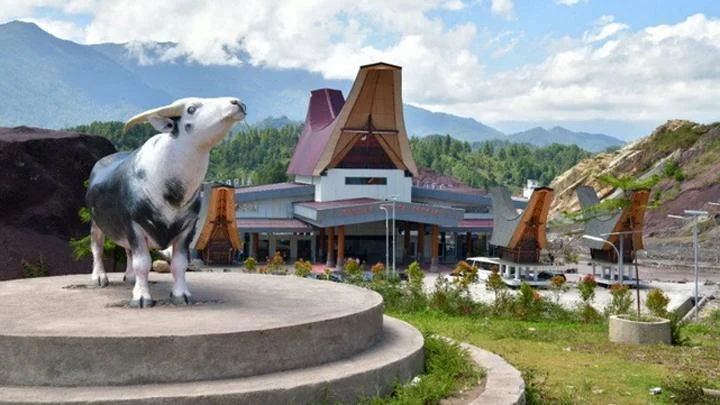
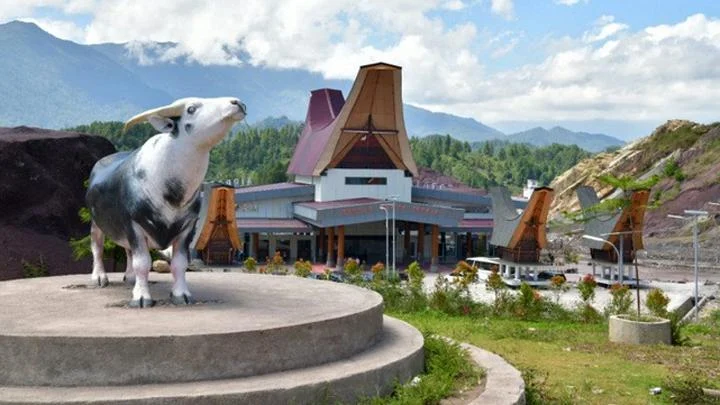
President Joko Widodo officially inaugurated Toraja Airport, previously known as Buntu Kunik Airport, in Tana Toraja Regency, South Sulawesi, on Thursday, March 18, 2021. The ceremony, broadcast live via the Presidential Secretariat’s YouTube channel, marked a significant milestone for the region, with President Widodo expressing his strong conviction that the new airport will serve as a catalyst for economic growth, job creation, and the development of new economic centers within Tana Toraja and its surrounding areas.
The development of Toraja Airport is a testament to a long-held aspiration for enhanced regional connectivity, with its origins tracing back to 2011. Initially conceived to replace the aging Pongtiku Airport in Ratentayo, the project experienced periods of stagnation. However, under President Widodo’s administration, construction was revitalized in 2018, with the first phase undertaken by the central government and successfully completed by mid-2020. Currently, two airlines, Wings Air and Citilink, are providing regular flight services, connecting Makassar to Toraja and vice versa, thereby significantly reducing travel time and improving accessibility to this culturally rich and geographically unique region.
A Decade of Development: From Conception to Inauguration
The journey of Toraja Airport from a concept to a fully operational facility spans over a decade, highlighting the complexities and dedication involved in realizing such a significant infrastructure project.
- 2011: Initial planning and commencement of construction for Toraja Airport, intended to replace Pongtiku Airport.
- Post-2011: The project encountered delays and challenges, leading to a period of stalled progress.
- 2018: Under President Joko Widodo’s directive, construction was reinitiated, marking a renewed commitment to the airport’s completion.
- Mid-2020: Phase I of the airport’s construction was completed, laying the groundwork for its operational readiness.
- March 18, 2021: Official inauguration of Toraja Airport by President Joko Widodo, signaling its opening to commercial flights.
The development process was particularly challenging due to Tana Toraja’s distinctive topography. The region is characterized by its dramatic highlands and steep valleys, necessitating extensive earthworks and innovative engineering solutions. Minister of Transportation, Budi Karya Sumadi, underscored the formidable nature of the construction, noting that the airport’s runway was carved out by leveling three significant hills. This ambitious undertaking reflects the government’s determination to overcome geographical obstacles in pursuit of improved national infrastructure.
Technical Specifications and Future Expansion
Toraja Airport boasts impressive dimensions and capabilities, designed to accommodate a growing volume of air traffic and larger aircraft in the future.
- Total Land Area: The airport complex spans a total of 141 hectares.
- Initial Runway: The initial phase features a 1,600-meter runway, suitable for ATR-type aircraft, complemented by a 94.5 x 67-meter apron and a 124.5 x 15-meter taxiway.
- Phase II Expansion: The second phase of development will extend the runway to 2,000 meters, enabling it to accommodate larger aircraft such as the Boeing 737. This expansion is crucial for attracting more airlines and increasing passenger capacity.
- Terminal Building: The current terminal building has a capacity of 150 passengers and covers an area of 1,000 square meters. Further expansion of terminal facilities is anticipated as passenger demand increases.
The ongoing construction in 2021 also includes efforts to further mitigate potential obstacles around the runway, particularly in relation to remaining hillside features, ensuring enhanced safety and operational efficiency.
Renaming for Cultural Significance and Regional Identity
The airport’s transformation from "Buntu Kunik Airport" to "Toraja Airport" is a significant development that reflects a deliberate effort to imbue the facility with a stronger sense of local identity and cultural pride. This name change was not a unilateral decision but rather a collaborative process involving local stakeholders.
The renaming was the outcome of a consensus reached between the Tana Toraja Regency government and influential traditional leaders representing all 19 sub-districts within Tana Toraja. Following this local agreement, the proposed name change was formally submitted to the Regional People’s Representative Council (DPRD) for ratification during a plenary session. Subsequently, the decision was forwarded to the provincial government and finally to the Ministry of Transportation for official approval and implementation. This multi-layered approval process underscores the importance placed on community consultation and cultural sensitivity in regional development projects.
Economic and Tourism Imperatives
The inauguration of Toraja Airport is strategically positioned to unlock the immense economic and tourism potential of Tana Toraja, a region renowned for its unique cultural heritage, stunning landscapes, and distinct architectural traditions.
Economic Impact:
- Enhanced Trade and Commerce: Improved air connectivity will facilitate the more efficient transportation of goods and agricultural produce, potentially boosting local economies and opening new markets for Tana Toraja’s products. This includes the export of coffee, artisanal crafts, and other regional specialties.
- Investment Attraction: A modern airport serves as a key indicator of a region’s readiness for development, making Tana Toraja more attractive to domestic and international investors in sectors ranging from tourism and hospitality to agriculture and manufacturing.
- Job Creation: The direct and indirect employment opportunities generated by the airport’s operation, coupled with the anticipated growth in related industries, are expected to significantly improve the livelihoods of local residents. This includes roles in airport management, airline services, ground transportation, hospitality, and local businesses that will benefit from increased visitor numbers.
Tourism Potential:
- Accessibility to Cultural Treasures: Tana Toraja is a UNESCO World Heritage site nominee, celebrated for its elaborate funeral ceremonies, ancient burial sites (such as the famous hanging graves of Lemo), unique traditional houses (Tongkonan), and rich ancestral rituals. The new airport will make these attractions far more accessible to international and domestic tourists who previously faced arduous overland journeys.
- Growth of the Hospitality Sector: With increased tourist arrivals, there will be a corresponding surge in demand for accommodation, restaurants, tour guides, and other tourism-related services, leading to the expansion and professionalization of the local hospitality industry.
- Diversification of Tourism Offerings: Beyond its cultural heritage, Tana Toraja offers breathtaking natural beauty, including rice terraces, mountains, and caves. The airport’s presence will facilitate the exploration of these natural wonders, promoting ecotourism and adventure tourism.
President Widodo’s emphasis on the airport’s role in "revitalizing new economic centers" points to a forward-looking vision where improved infrastructure acts as a linchpin for comprehensive regional development. The ability to move people and goods more freely is fundamental to fostering economic dynamism and ensuring that the benefits of national development are equitably distributed across the archipelago.
Official Statements and Community Reactions
The inauguration was met with widespread optimism from various stakeholders. President Widodo’s remarks, broadcast live, conveyed a clear message of governmental commitment to regional development and his personal satisfaction with the project’s realization. His focus on economic empowerment and job creation resonated deeply with the aspirations of the local population.
The Minister of Transportation, Budi Karya Sumadi, expressed his pride in the successful completion of a challenging infrastructure project. He highlighted the collaborative efforts of various government agencies, local authorities, and the construction teams who persevered through the difficult terrain. His statements often emphasize the government’s dedication to improving connectivity across Indonesia, particularly in regions that have historically been more isolated.
While not directly quoted in the provided text, it can be logically inferred that local community leaders and residents of Tana Toraja would have expressed immense gratitude and excitement. For decades, the region has been striving for better transportation links, and the opening of Toraja Airport represents the fulfillment of a long-cherished dream. The anticipation of increased economic opportunities and easier access to national and international networks would be palpable.
The decision to rename the airport to "Toraja Airport" itself likely garnered positive feedback from the local populace, signifying a recognition and celebration of their distinct cultural identity on a national stage. This act of naming reinforces the region’s unique heritage and its importance within the broader Indonesian narrative.
Broader Implications for Indonesian Infrastructure and Regional Development
The inauguration of Toraja Airport is more than just the opening of a new transportation hub; it is a symbol of Indonesia’s ongoing commitment to developing its vast and diverse territory. The project embodies several key national development strategies:
- Nawa Cita and Infrastructure Development: The airport’s completion aligns with President Widodo’s "Nawa Cita" (Nine Agendas), which prioritize infrastructure development to bridge developmental gaps between regions and improve the quality of life for all citizens. Enhanced connectivity is seen as a prerequisite for economic growth and social progress.
- Decentralization and Regional Autonomy: The collaborative process behind the renaming of the airport highlights a growing emphasis on empowering local communities and respecting regional identities in national development initiatives.
- Tourism as an Economic Driver: The Indonesian government has consistently identified tourism as a key sector for economic growth. Investing in infrastructure like Toraja Airport is crucial for realizing the full potential of regions rich in cultural and natural attractions.
- Bridging the Connectivity Gap: Indonesia, an archipelago of over 17,000 islands, faces significant challenges in ensuring equitable connectivity. Projects like Toraja Airport are vital in overcoming geographical barriers, integrating remote areas into the national economy, and fostering a sense of national unity.
The successful development of Toraja Airport, despite its complex geographical challenges, serves as a precedent for future infrastructure projects in similarly demanding terrains. It demonstrates that with strong political will, effective planning, and collaborative execution, even the most daunting infrastructural hurdles can be overcome, paving the way for a more connected and prosperous Indonesia. The long-term success of Toraja Airport will undoubtedly be measured by its tangible impact on the lives of its residents, the growth of its economy, and its ability to showcase the rich cultural tapestry of Tana Toraja to the world.