Nila Kartika Wati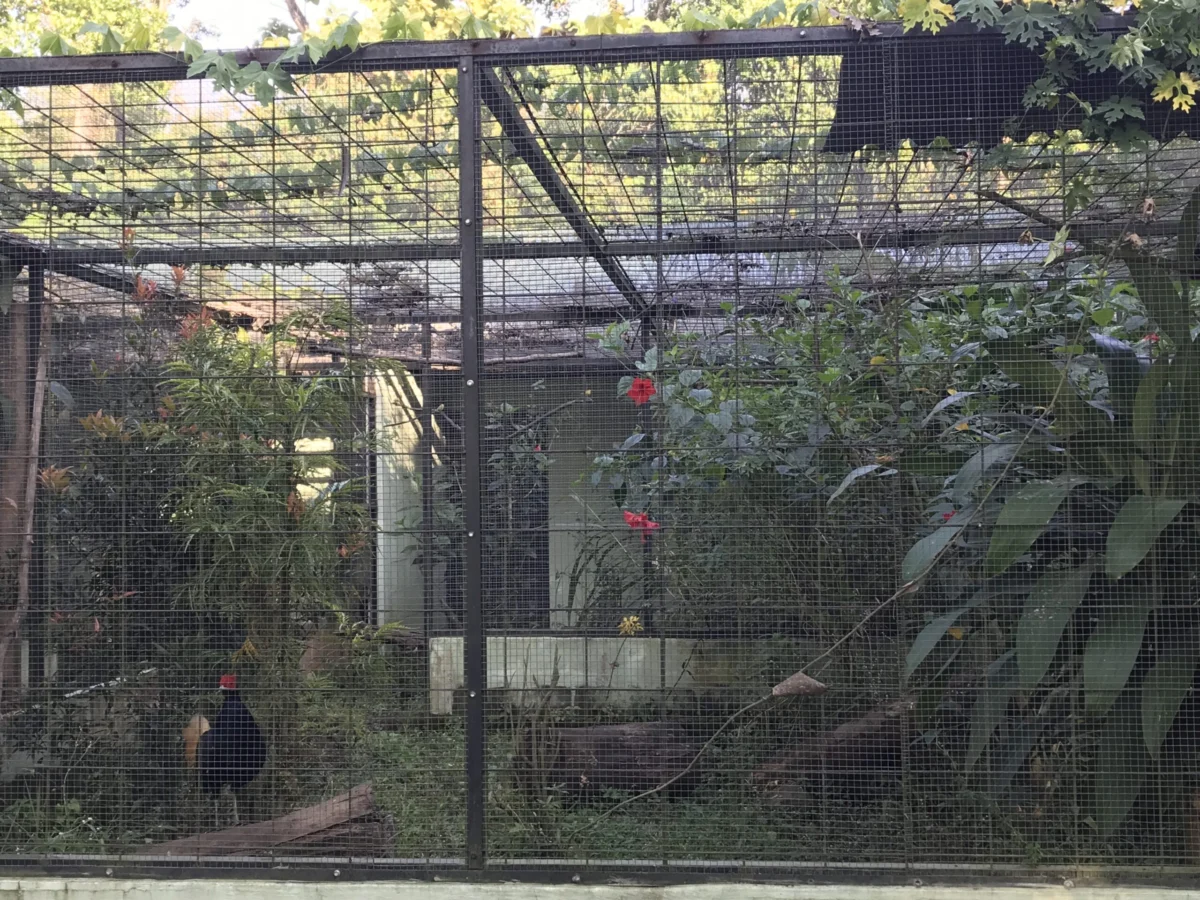
The melodic symphony of birdsong echoing across the slopes of Mount Arjuno provides a daily soundtrack for Jochen Klaus Menner, yet for this German-born conservationist, these sounds are more than mere morning entertainment; they represent a high-stakes battle against extinction. As the Curator of the Prigen Conservation Breeding Ark (PCBA), located within the sprawling grounds of Taman Safari Indonesia (TSI) in Pasuruan, East Java, Menner has dedicated his career to the preservation of Indonesia’s avian diversity. Residing on-site with his family, including his veterinarian wife and young child, Menner’s life is inextricably linked to the survival of species that many have overlooked. The PCBA serves as a critical bastion for "forgotten species"—animals that lack the charismatic appeal of elephants or tigers but play indispensable roles in the nation’s complex ecosystems.
The impetus for Menner’s unwavering dedication stems from a grim reality: the systematic silencing of Indonesia’s forests. He recalls the heartbreaking sight of hundreds of Javan White-eyes (Zosterops flavus) crammed into single cages, all wild-caught and destined for the bird-singing competition circuit. Once common in local gardens and community orchards, these birds have been decimated by over-collection. Menner warns that the removal of these birds from their natural habitats triggers a cascading failure within the ecosystem, as the loss of natural seed dispersers and insect controllers disrupts the environmental balance. This crisis is not limited to common garden birds; it extends to rare endemics like the Maratua Shama (Copsychus barbouri), a species native to the small island of Maratua in East Kalimantan. When Menner arrived in Indonesia in 2018, he found the Maratua Shama—classified as Endangered by the International Union for Conservation of Nature (IUCN)—being traded openly on social media platforms like Facebook. Through a series of rescue operations, the PCBA secured eight individuals; today, through rigorous ex-situ management, that population has grown to 95, providing a vital safety net for a species that has virtually disappeared from its native range.
The Genesis of a Conservation Powerhouse
The origins of the PCBA can be traced back to a pivotal moment in 2015 at the Asian Songbird Crisis Summit held at Jurong Bird Park in Singapore. The summit highlighted a catastrophic decline in songbird populations across Southeast Asia, driven largely by the cultural demand for caged birds in Indonesia. Tony Sumampau, the founder and commissioner of Taman Safari Indonesia, attended the summit and felt a profound sense of responsibility. When Singapore Zoo announced plans to build 100 conservation aviaries, Sumampau responded with a challenge, asserting that Indonesia must lead the way in protecting its own heritage. He committed to building 150 cages, a number that has since been far surpassed.
The journey began in 2016 at TSI Bogor with the breeding of the Javan Green Magpie (Cissa thalassina), the Sumatran Laughingthrush (Garrulax bicolor), and the Javan White-starling (Acridotheres melanopterus). Simultaneously, 26 specialized aviaries were established at Bali Safari and Marine Park to focus on the iconic Bali Myna (Leucopsar rothschildi). Following a 2017 visit to the Brigham Conservation Breeding Hub, Sumampau realized that a larger, more dedicated facility was necessary. He chose Prigen for its vast land area and favorable climate. Today, the PCBA spans 360 hectares and houses 255 specialized breeding aviaries, making it one of the most significant ex-situ conservation hubs in the world.
Focusing on the Forgotten and the Fragile
Unlike many conservation organizations that focus on "charismatic megafauna" like orangutans or rhinos, the PCBA deliberately targets species that are often ignored by the public and donors alike. This "forgotten species" philosophy covers not only birds but also mammals, reptiles, and fish. Among their most critical projects is the conservation of endemic fish species from West Papua and the "black water" peat swamp forests of Kalimantan. These fish are highly vulnerable due to their extremely localized habitats and the ongoing destruction of Indonesia’s peatlands.
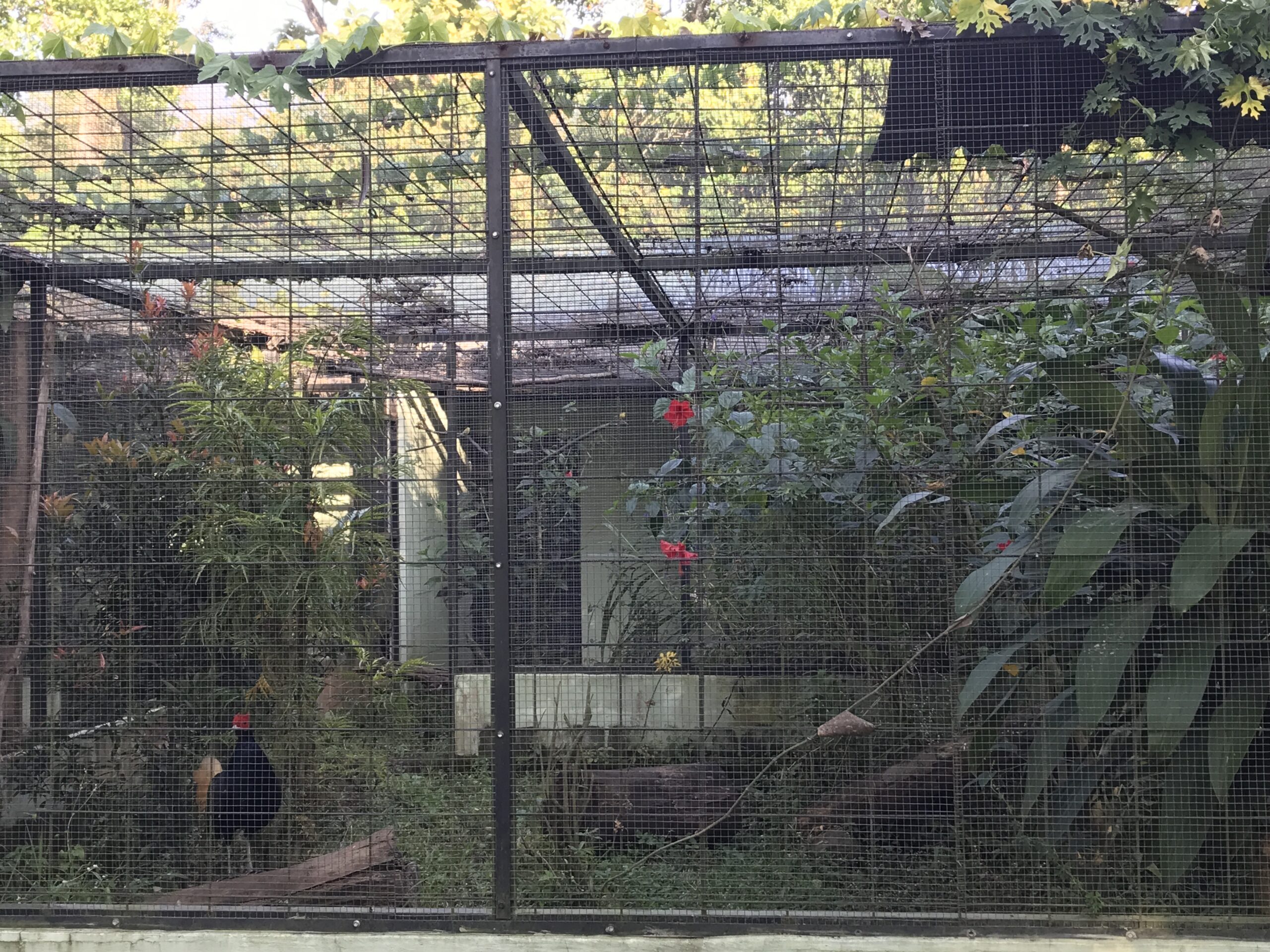
In the avian sector, the Javan Green Magpie serves as a flagship for the "Silent Forest" campaign, an initiative by the European Association of Zoos and Aquaria (EAZA) to address the songbird crisis in Southeast Asia. This strikingly beautiful bird is now believed to number only in the dozens in the wild, clinging to existence in a few remote mountain ranges in West and Central Java. By maintaining a genetically diverse population in captivity, the PCBA ensures that the species does not vanish entirely while field conservationists work to secure its remaining natural habitat.
The Paradox of the Javan Pied Starling
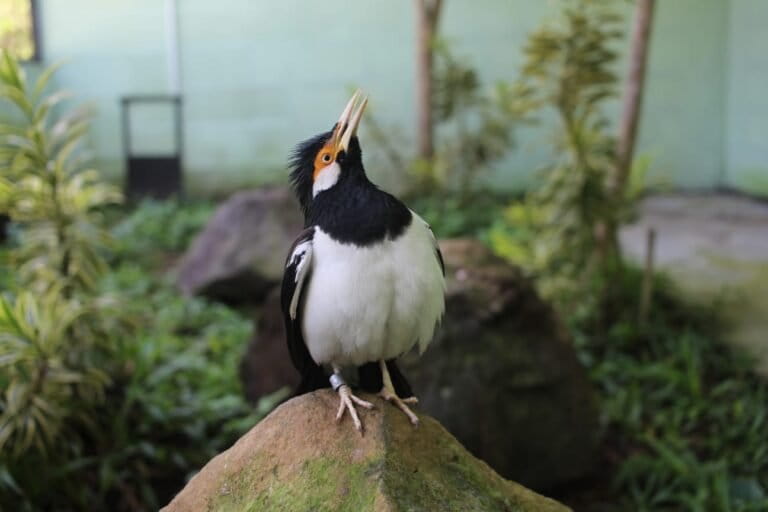
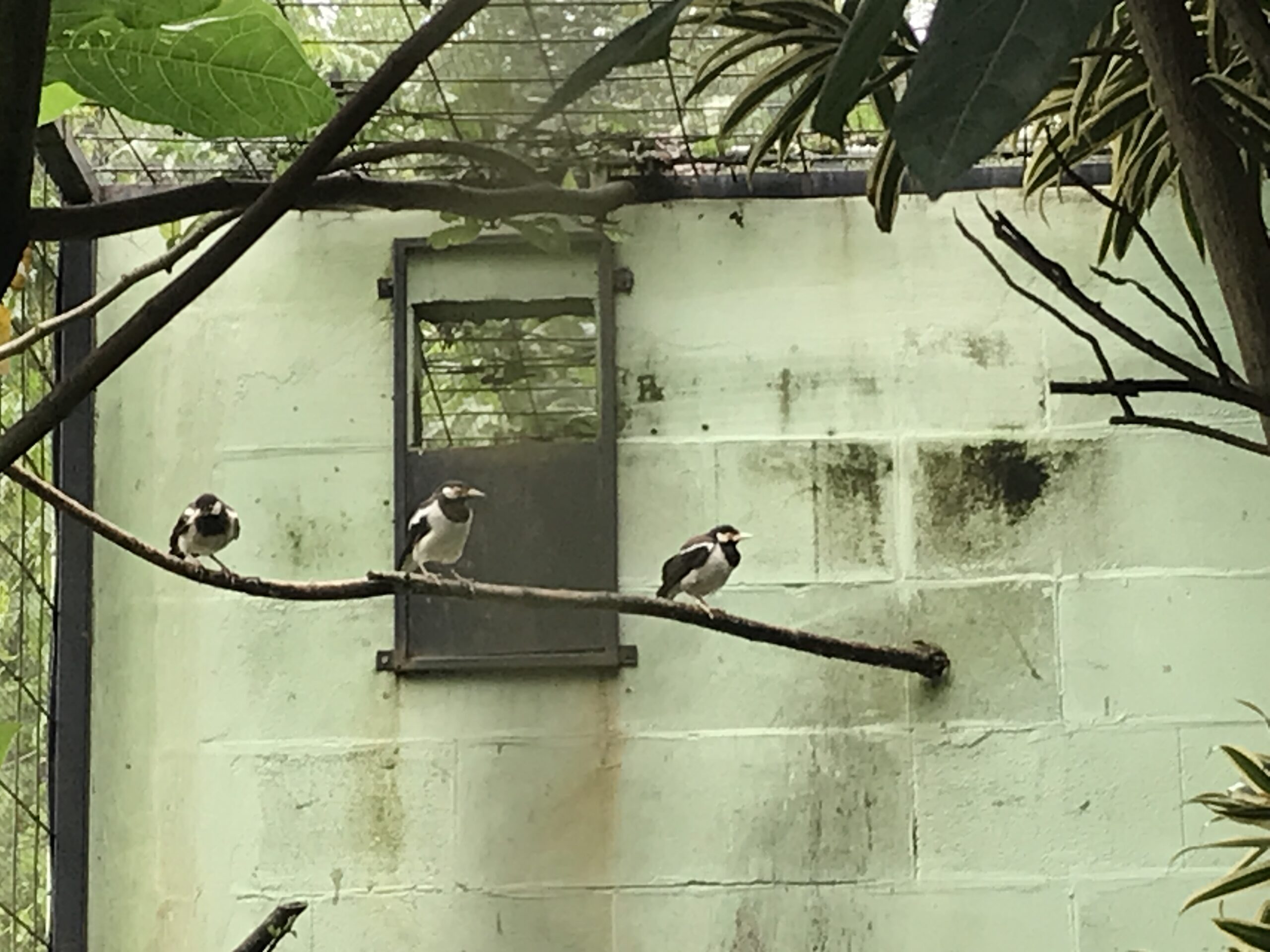
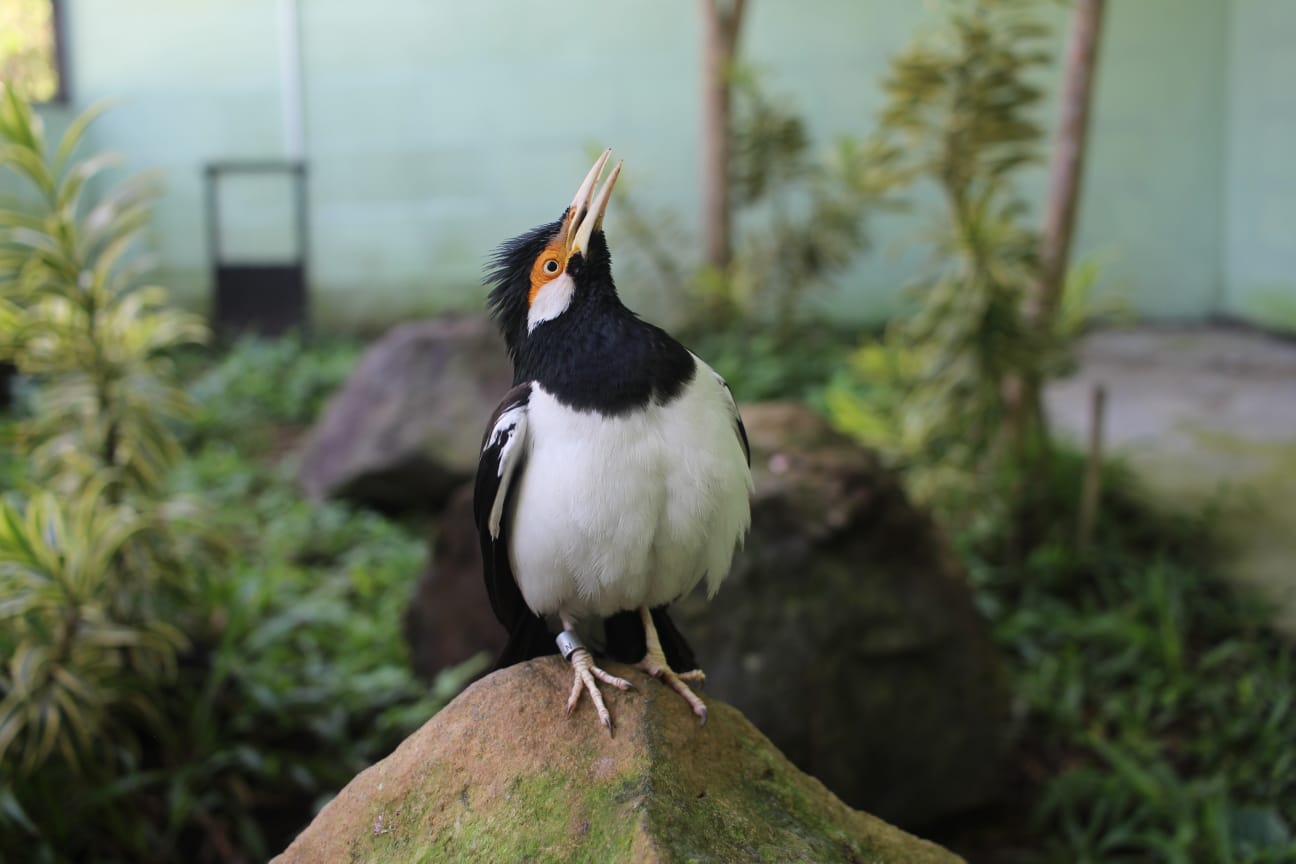
One of the most complex challenges faced by the PCBA is the case of the Javan Pied Starling (Sturnus contra). Jochen Menner describes the situation as "extraordinary and tragic." While the species is virtually extinct in its natural habitat due to relentless poaching, an estimated 1.1 million individuals exist in captivity across Indonesia, primarily in commercial breeding farms. However, these commercial operations prioritize market traits—such as unique feather patterns or specific vocalizations—often resulting in crossbreeding with other starling species.
"Commercial breeders are looking for profit, so they don’t always maintain genetic purity or natural behaviors," Menner explains. This makes the majority of captive starlings unsuitable for reintroduction. The PCBA’s role is to maintain a "pure" lineage, preserving the genetic integrity and wild instincts of the species. In late 2022, the PCBA successfully released 40 Javan Pied Starlings into the protected environment around TSI Prigen. Before the release, the birds underwent rigorous health screenings to ensure they wouldn’t introduce pathogens into the wild and were monitored to confirm they could forage for insects and fruit naturally. Three years post-release, the population is reportedly thriving and expanding, offering a blueprint for future reintroduction programs.
Strategic Collaboration and Community Education
The PCBA operates on the principle that ex-situ conservation (breeding in captivity) must go hand-in-hand with in-situ conservation (protecting the wild habitat). This requires a multi-stakeholder approach involving the government, local communities, and international NGOs. While the PCBA focuses on the science of breeding, they rely on the government to ensure that the forests these birds are returned to are safe from poachers and habitat loss.
Education is a cornerstone of this strategy. The PCBA has established dedicated education teams to work in biodiversity hotspots, such as Wangi-Wangi Island in the Wakatobi Regency. The focus there is the Wangi-Wangi White-eye (Zosterops flavissimus), a bird endemic to that single island that was only scientifically described recently. By engaging with local residents, the PCBA aims to transform the community from hunters into guardians of their unique local fauna. Menner advocates for other conservation institutions to follow this model, suggesting that even smaller facilities can make a massive impact by focusing on one or two local endemic species, such as the Bearded Pig in Sumatra.
Broader Implications and the Cost of Extinction
The urgency of the PCBA’s mission is echoed by Rahmat Shah, Chairman of the Indonesian Zoo and Aquarium Association (PKBSI). Shah emphasizes that the 60 member institutions of PKBSI must prioritize conservation over mere exhibition. He points to the extinction of the Javan and Bali tigers as a somber lesson in what happens when intervention comes too late. "We once had three types of tigers. Now, only the Sumatran tiger remains. We cannot allow our birds and smaller fauna to meet the same fate," Shah warns.
The financial burden of such operations is significant. Tony Sumampau acknowledges that TSI allocates a substantial portion of its operational revenue and profits to fund the PCBA. However, he maintains that the investment is necessary. "Conservation is expensive," Sumampau admits, "but it is far more expensive if a species becomes extinct. That is a loss we can never recover."
The PCBA’s work is guided by the philosophy of famed conservationist Gerald Durrell: "Amass them first, breed and develop them in a controlled manner, protect the species, and only then return them to their place of origin." As Indonesia continues to grapple with the illegal wildlife trade and rapid land-use changes, the Prigen Conservation Breeding Ark stands as a vital laboratory of hope. By focusing on the "forgotten" and the "unseen," Menner and his team are ensuring that the future of Indonesia’s biodiversity is not a silent one, but one filled with the diverse and vibrant sounds of a healthy, functioning ecosystem. Through genetic preservation, community engagement, and a relentless commitment to scientific excellence, the PCBA is rewriting the narrative of extinction in Southeast Asia.