Paryono Ramadhan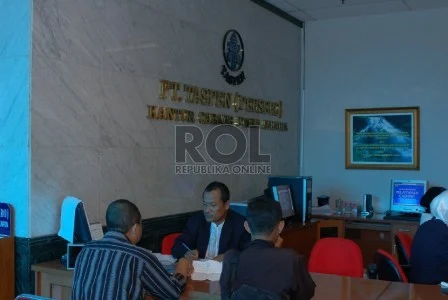
PT Taspen (Persero), Indonesia’s state-owned enterprise entrusted with managing social insurance for civil servants and state officials, has officially announced the commencement of repayments for the Civil Servant Housing Savings (Tabungan Perumahan Pegawai Negeri Sipil, or Taperum PNS). Effective June 1st, the long-awaited disbursements will be directed to all eligible civil servants who enter retirement from that date forward. This significant policy implementation marks a crucial step in the government’s ongoing commitment to enhancing the welfare and financial security of its dedicated workforce, particularly as they transition into post-service life. The repayment initiative, however, explicitly excludes civil servants from the Ministry of Defense, the Indonesian National Armed Forces (TNI), and the Indonesian National Police (Polri), who are covered under separate housing and welfare schemes.
The decision to initiate these repayments stems from a meticulously crafted cooperation agreement between PT Taspen and the Civil Servant Housing Savings Consideration Board (Badan Pertimbangan Tabungan Perumahan Pegawai Negeri Sipil, or BP Taperum PNS). This collaboration underscores a coordinated effort to streamline the process and ensure that eligible retirees receive their entitlements efficiently. Iwan Soeroto, Corporate Secretary of Taspen, emphasized in a press statement that the repayment mechanism is designed for the utmost convenience of the beneficiaries. Payments will be bundled seamlessly with the first pension payment and the Old Age Savings (Tabungan Hari Tua, or THT) that retirees are entitled to. This "one-package" approach aims to simplify the administrative burden on retirees, allowing them to access their accumulated savings without navigating multiple separate processes. All disbursements will be processed through Taspen’s extensive network of branch offices across the archipelago, ensuring broad accessibility for beneficiaries nationwide.
The Genesis of Taperum PNS: A Commitment to Civil Servant Welfare
To fully appreciate the significance of this repayment initiative, it is essential to delve into the historical context and foundational purpose of Taperum PNS. Established by the Indonesian government, Taperum PNS was conceived as a vital program to assist civil servants in fulfilling their housing needs. Recognizing that stable housing is a fundamental component of welfare and productivity, the government instituted a compulsory savings scheme designed to accumulate funds over a civil servant’s career, which could then be utilized for housing purposes upon retirement or at other designated junctures.
The legal bedrock for Taperum PNS was primarily laid out in Presidential Decree (Keputusan Presiden) Number 46 of 1994, which mandated contributions from civil servants (excluding those in TNI/Polri/Kemhan) towards this housing fund. Prior to 1994, various ad-hoc arrangements and local government initiatives existed, but Kepres No. 46/1994 formalized and nationalized the scheme, providing a clearer framework for its operation and management. The underlying philosophy was one of collective responsibility and long-term planning, where small, consistent contributions throughout a civil servant’s active service would culminate in a significant sum intended to support housing acquisition, renovation, or related expenses. This program reflected the government’s broader commitment to social security and welfare provisions for its civil apparatus, complementing other schemes like pensions and Old Age Savings. The BP Taperum PNS was established as the governing body responsible for overseeing the fund’s management, investment, and policy direction, working in tandem with implementing agencies like Taspen.
PT Taspen’s Pivotal Role in State Welfare Programs
PT Taspen (Persero) is a cornerstone of Indonesia’s social security architecture for civil servants. Established in 1963, its primary mandate has evolved over decades to encompass a comprehensive suite of social insurance programs. Initially focused on providing pensions and Old Age Savings (THT), Taspen’s role expanded to include managing various other welfare benefits, including elements of the Taperum PNS scheme. As a state-owned enterprise, Taspen operates under the supervision of the Ministry of Finance and the Ministry of State-Owned Enterprises, ensuring accountability and adherence to public service mandates.
Taspen’s extensive infrastructure, robust administrative capabilities, and experience in managing large-scale financial disbursements for millions of beneficiaries make it the ideal entity to execute the Taperum PNS repayments. Its network of branch offices strategically located across Indonesia serves as critical touchpoints for retirees, facilitating the processing of claims and disbursement of funds. The decision to integrate Taperum repayments with first pension and THT payments is a testament to Taspen’s commitment to efficiency and beneficiary-centric service delivery, leveraging existing logistical frameworks to minimize disruption and maximize convenience. This integrated approach also streamlines internal operations, reducing the administrative overhead that might arise from managing separate payment schedules.
Seamless Transition: The "One-Package" Repayment Mechanism
The "one-package" payment system is a key operational feature designed to ensure a smooth and hassle-free experience for retiring civil servants. Upon reaching their retirement age, eligible PNS will not need to submit separate applications for their Taperum funds. Instead, the Taperum repayment will be automatically calculated and disbursed alongside their initial pension payment and the accumulated Old Age Savings (THT). This consolidation is a significant improvement over potentially fragmented payment processes that could lead to delays or confusion for retirees.
For Taspen, implementing this integrated system requires sophisticated data management and coordination. The organization must accurately track individual Taperum contributions over decades, calculate the total repayment amount, and synchronize it with pension and THT data. This necessitates robust IT infrastructure and well-trained personnel at its branch offices. The move is expected to alleviate stress for retirees, who often face numerous administrative tasks during their transition from active service. By consolidating these payments, the government, through Taspen, reinforces its commitment to providing comprehensive and user-friendly welfare services, acknowledging the lifelong contributions of civil servants. The transparency and efficiency of this system are vital for maintaining public trust and ensuring that the benefits reach the intended recipients without undue bureaucratic hurdles.
Current Contribution Structure and the Drive for Equity
Under Kepres No. 46 of 1994, the Taperum PNS contribution rates were fixed amounts, varying by civil servant golongan (rank). Specifically, civil servants in Golongan I were required to contribute Rp 3,000 per month, Golongan II contributed Rp 5,000 per month, Golongan III Rp 7,000 per month, and Golongan IV contributed Rp 10,000 per month. These rates, established nearly three decades ago, reflected the economic conditions and salary structures of the mid-1990s. While these fixed contributions provided a consistent stream of funds for the Taperum program, they eventually became less proportional to the significantly increased salaries and cost of living in subsequent decades.
Recognizing this disparity and the need for a more equitable and sustainable contribution model, PT Taspen is actively working towards a significant reform: changing the contribution structure to 2.5 percent of the civil servant’s total salary. This proposed shift from fixed nominal amounts to a percentage-based contribution is a crucial modernization effort. A percentage-based system inherently ensures proportionality, meaning higher-earning civil servants contribute more, reflecting their greater capacity and often, their higher housing needs. It also creates a more dynamic fund, with contributions automatically adjusting with salary increases, thus maintaining the fund’s relevance and purchasing power over time. This change would align Taperum PNS more closely with modern social security and housing savings schemes globally, which often utilize a percentage of income to ensure fairness and long-term viability. The transition to this new model would require further legislative or presidential decree changes, but Taspen’s proactive efforts signal a clear direction towards a more robust and equitable system for future generations of civil servants.
A Detailed Chronology of Taperum PNS Evolution
The journey of Taperum PNS reflects the evolving landscape of civil servant welfare in Indonesia.
- Early 1990s: Growing recognition within government circles of the need for a formalized, nationwide housing assistance program for civil servants. Prior to this, ad-hoc programs or departmental initiatives might have existed but lacked comprehensive coverage.
- 1994: Issuance of Presidential Decree No. 46 of 1994, officially establishing Taperum PNS and mandating fixed monthly contributions from civil servants (excluding Kemhan, TNI, Polri personnel). This decree also formally established the Badan Pertimbangan Tabungan Perumahan Pegawai Negeri Sipil (BP Taperum PNS) to oversee the fund.
- Mid-1990s to Late 2010s: Taperum PNS operates under the established framework, collecting contributions and managing the fund. During this period, the primary focus was on accumulation and limited utilization based on existing regulations. There were occasional discussions about the fund’s management and the adequacy of its benefits, especially as economic conditions changed.
- Late 2010s – Early 2020s: Increasing calls for a review of Taperum PNS, particularly regarding the fixed contribution rates which had become significantly outdated. Discussions began on how to make the program more effective and how to disburse accumulated funds more equitably, especially for retirees who had contributed for decades. There was also a push to harmonize various civil servant welfare programs.
- Pre-June 2023: Intensive discussions and negotiations between BP Taperum PNS, PT Taspen, and relevant government ministries to formulate a new policy for Taperum repayments. This included drafting the cooperation agreement between Taspen and BP Taperum PNS, outlining the operational modalities for the repayment process.
- Announcement (Date Implied to be shortly before June 1st, 2023): PT Taspen, through its Corporate Secretary Iwan Soeroto, publicly announces the commencement of Taperum PNS repayments.
- June 1, 2023: Repayments officially begin for all eligible civil servants retiring on or after this date.
- Ongoing (Post-June 2023): Taspen continues to work on the proposed reform to shift Taperum contributions to 2.5% of total salary, signaling a future-oriented approach to civil servant housing welfare.
Voices from the Stakeholders: Reactions and Commitments
The announcement has elicited a range of positive reactions from various stakeholders.
PT Taspen, as the implementing body, reiterated its commitment to service excellence. Iwan Soeroto, Corporate Secretary, stated, "This initiative is a testament to Taspen’s unwavering dedication to fulfilling the rights of our civil servants. We understand the importance of these savings for their post-retirement well-being, and we are committed to ensuring a smooth, transparent, and efficient repayment process for every eligible retiree." He emphasized that the integrated payment system is a key strategy to deliver on this commitment, showcasing Taspen’s capacity for large-scale, beneficiary-focused operations.

While not explicitly quoted in the original snippet, BP Taperum PNS would likely welcome the implementation of this repayment. A representative from the board could logically state, "The commencement of these repayments marks the culmination of extensive planning and collaboration. Our goal has always been to ensure that civil servants receive the full benefit of their contributions, supporting their housing needs in retirement. This agreement with Taspen provides a robust framework for achieving that objective."
From the perspective of civil servants, particularly those nearing retirement, the news is a source of considerable relief and appreciation. A hypothetical statement from a representative of Korpri (Korps Pegawai Republik Indonesia, the Indonesian Civil Servants Corps) might read, "We are immensely grateful for this crucial decision. For decades, civil servants have diligently contributed to Taperum PNS. This repayment, especially bundled with pension and THT, provides much-needed financial stability and recognition for their years of dedicated service to the nation. It will significantly assist retirees in managing their housing and other essential expenses."
Government officials, particularly from the Ministry of Finance or the State Secretariat, would likely frame this as a fulfillment of the state’s responsibility towards its civil apparatus. A senior official might comment, "This policy underscores the government’s steadfast commitment to the welfare of our civil servants, who are the backbone of our public service. By ensuring the timely repayment of their housing savings, we are strengthening their financial security and acknowledging their invaluable contributions to national development." The proposed shift to a percentage-based contribution system would also be seen as a progressive step towards modernizing welfare programs.
Broader Economic and Social Implications
The repayment of Taperum PNS carries significant broader implications, extending beyond the immediate financial benefit to retirees.
For Retirees: The most direct impact is the injection of additional funds into their personal finances. This can significantly improve their quality of life in retirement, allowing them to fund home renovations, pay off existing housing loans, or even invest in new housing. It provides a sense of security and validation, reinforcing the government’s recognition of their long service. This financial boost can alleviate pressures related to housing, which often remains a significant concern for individuals in their golden years.
Economic Impact: A large-scale disbursement of funds to hundreds of thousands of retirees across the nation will inevitably have a localized economic impact. These funds are likely to be spent on various goods and services, including construction materials, household goods, local services, and consumer products. This can stimulate local economies, particularly in areas with a high concentration of civil servant retirees, creating a multiplier effect. While the exact total amount being disbursed has not been publicly detailed, it is expected to be a substantial sum, providing a boost to consumer spending.
Government’s Welfare Agenda and Public Trust: The efficient and transparent implementation of this repayment scheme reinforces the government’s commitment to social welfare and its ability to manage large-scale public programs. It builds trust between the government and its civil servants, demonstrating that contributions made during active service are indeed returned and managed responsibly. This strengthens the social contract and can enhance morale within the civil service.
Precedent for Future Reforms: The reform of Taperum PNS, particularly the discussion around moving to a percentage-based contribution, sets a precedent for modernizing other social security schemes. It signals a move towards more equitable, sustainable, and economically relevant welfare programs that adapt to changing socio-economic conditions.
Navigating the Future: Challenges and Opportunities
While the commencement of Taperum PNS repayments is a laudable achievement, PT Taspen and the government will undoubtedly face challenges and opportunities in the coming period.
Operational Challenges: The sheer volume of retirees and the need for accurate data management present significant operational hurdles. Taspen must ensure its IT systems are robust enough to handle the calculations and disbursements, and its branch offices are adequately staffed and trained to assist beneficiaries. Potential issues could arise from outdated records, discrepancies in contribution histories, or difficulties in reaching beneficiaries in remote areas. A robust grievance redressal mechanism will be crucial.
Communication and Transparency: Effective communication will be paramount to inform all eligible civil servants about the repayment process, required documentation, and timelines. Clear, accessible information can prevent confusion and minimize queries, ensuring a smoother experience for everyone involved. Taspen will need to leverage various channels, including digital platforms, official announcements, and direct communication, to reach its diverse beneficiary base.
Sustainability of the Fund: The proposed shift to a 2.5 percent contribution of total salary presents an opportunity to ensure the long-term sustainability and relevance of the housing savings program. However, this change requires careful actuarial analysis to project future inflows and outflows, ensuring the fund remains solvent and capable of meeting future obligations. Implementing this change also requires legislative buy-in and a clear transition plan.
Future of Civil Servant Housing: Beyond Taperum, this initiative prompts a broader discussion about the future of civil servant housing programs. As Indonesia’s economy grows and urbanization accelerates, housing affordability remains a significant challenge. The government might explore new models for housing assistance, potentially involving partnerships with private developers, innovative financing schemes, or more direct subsidies, building upon the lessons learned from Taperum PNS. The current repayment effectively closes one chapter of housing assistance and opens another for more modern, dynamic solutions.
In conclusion, the commencement of Taperum PNS repayments by PT Taspen marks a pivotal moment in Indonesia’s civil servant welfare landscape. It represents the fulfillment of a long-standing commitment, providing tangible financial relief to retiring civil servants and reinforcing the government’s dedication to their well-being. Coupled with the ongoing efforts to modernize the contribution structure, this initiative is poised to enhance the efficiency, equity, and sustainability of civil servant welfare programs for decades to come, demonstrating a progressive approach to state-sponsored social security.