Nasution Nanang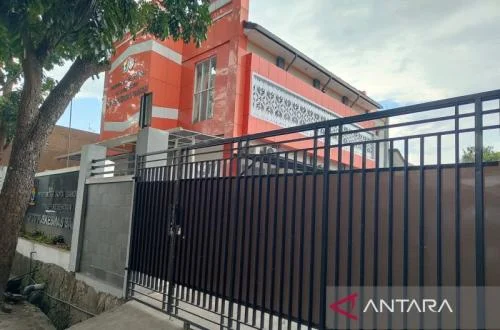
The impending closure of community health centers, known as Puskesmas, across Bandung and its surrounding regions during the collective leave period for Eid al-Fitr 1447 Hijriah, scheduled from March 18 to March 24, 2026, is poised to create substantial hurdles for local residents seeking essential healthcare services. This situation highlights a recurring challenge in Indonesia during major national holidays, where the convergence of mass population movement (mudik) and temporary cessation of public services can strain the healthcare system and leave many vulnerable. The critical role of Puskesmas as the frontline of public health, especially for low-income communities and those relying on the national health insurance scheme (BPJS Kesehatan), amplifies concerns regarding the potential for delayed treatment and exacerbated health conditions.
The immediate impact of these closures was starkly illustrated by the experience of P (38), a resident of Cihanjuang, West Bandung Regency (KBB). Facing a medical emergency for her daughter, who had contracted chickenpox, P embarked on a desperate search for an open Puskesmas. Despite her official identification (KTP) still listing a Kota Bandung address, and her daughter’s primary healthcare facility being registered at Puskesmas Sarijadi, her visit there proved futile as the facility was closed. Her subsequent attempt to find an open alternative at Puskesmas Ciwaruga in KBB also met with disappointment, as it too was shuttered. Left with no public healthcare options, P was compelled to seek treatment at a private clinic, incurring significantly higher costs than she would have at a Puskesmas. This personal ordeal, corroborated by independent investigations from Antara news agency which confirmed the closure of both Puskesmas Ciwaruga and Puskesmas Sarijadi, underscores a systemic vulnerability in public health service delivery during critical holiday periods.
The Unfolding Challenge: A Resident’s Ordeal and Broader Implications
P’s predicament is not an isolated incident but a microcosm of a broader issue affecting millions of Indonesians during Eid al-Fitr. The period leading up to and immediately following Eid, known as "mudik," sees an enormous migration of people from urban centers to their hometowns and villages, dramatically increasing population density and traffic on major routes. This mass movement, while culturally significant, also brings an elevated risk of health issues, ranging from fatigue and stress-related ailments to accidents and foodborne illnesses. For vulnerable populations, particularly children, the elderly, and individuals with chronic conditions, access to timely medical care is paramount.
The closure of Puskesmas, which serve as the primary point of contact for routine check-ups, basic medical treatment, maternal and child health services, and disease prevention programs, forces residents into a difficult choice: either delay treatment, potentially leading to a worsening of their condition, or seek more expensive care at private clinics or hospitals. For families like P’s, where financial resources may be limited, the latter option can impose a significant economic burden, often requiring them to dip into savings or even incur debt. This situation also creates a ripple effect on the secondary and tertiary healthcare facilities (hospitals) which may see an increased influx of patients with conditions that could have been managed at a Puskesmas, thereby straining hospital resources.
Understanding Puskesmas and the Mudik Phenomenon
Puskesmas (Pusat Kesehatan Masyarakat) are fundamental to Indonesia’s healthcare system, operating at the sub-district level to provide accessible and affordable primary healthcare services. They are designed to be the first point of contact for communities, offering everything from vaccinations and antenatal care to basic diagnostics and treatment for common ailments. Their widespread presence, particularly in rural and suburban areas, makes them indispensable for ensuring equitable health access, especially for those enrolled in BPJS Kesehatan, which often designates a specific Puskesmas as the primary care provider.
Eid al-Fitr, marking the end of the Islamic holy month of Ramadan, is the most significant religious holiday in Indonesia. The "mudik" tradition, where millions travel across the archipelago to celebrate with family, is a deeply ingrained cultural phenomenon. In 2026, the collective leave period from March 18 to March 24, aligned with the Eid celebrations, is anticipated to involve tens of millions of people traveling. West Java, as a major destination and transit province, experiences immense population flux during this time. For instance, in previous years, an estimated 20-35 million people participated in mudik nationwide, with West Java being a key hub for both inbound and outbound travelers. This demographic shift, coupled with the closure of essential public services like Puskesmas, creates a critical public health challenge that requires robust and proactive planning.
The Regulatory Framework for Holiday Healthcare
The operational guidelines for Puskesmas during national holidays typically originate from the Ministry of Health (Kementerian Kesehatan – Kemenkes) and are then disseminated and adapted by provincial and district/city health agencies. These directives aim to balance the need for public service continuity with the right of healthcare workers to observe holidays. However, the implementation often varies, leading to inconsistencies and confusion among the public.
For the 2026 Eid al-Fitr, Governor of West Java, Dedi Mulyadi, publicly underscored the critical importance of Puskesmas remaining operational throughout the mudik period. Recognizing the potential for health emergencies and the increased demand for services, Dedi stated that while the operational policy for Puskesmas falls under the jurisdiction of city and district governments, he had specifically urged regents and mayors across West Java to ensure that these facilities remain open and accessible to serve the community. This gubernatorial appeal reflects an understanding of the potential public health crisis that could emerge from widespread closures.
Further clarifying the official stance, Raden Vini Adiani Dewi, Head of the West Java Health Agency, confirmed that the instruction regarding Puskesmas operations during the Eid mudik period indeed originated from the Ministry of Health. She elaborated that Puskesmas situated along designated "mudik routes" and "tourism routes" were explicitly mandated to remain open. For Puskesmas located outside these specific routes, the directive suggested relying on "pos kesehatan" (health posts) as an alternative. This distinction highlights an attempt to prioritize areas with anticipated higher demand or increased risk. However, the efficacy and capacity of these health posts compared to fully equipped Puskesmas remain a point of concern.
A Closer Look at West Java’s Healthcare Landscape and Supporting Data
West Java Province, with its vast population and diverse geography, relies heavily on its network of Puskesmas. As of recent data, West Java typically boasts over a thousand Puskesmas spread across its 27 districts and cities, serving millions of residents. Bandung City alone has dozens of Puskesmas, with West Bandung Regency also maintaining a significant number to cater to its growing population. These centers handle a substantial portion of the province’s primary healthcare needs.
During the mudik period, the sheer volume of travelers often translates into an increased incidence of certain health conditions. Data from previous Eid holidays frequently indicate spikes in cases of acute respiratory infections, gastrointestinal issues (often linked to changes in diet or hygiene during travel), minor injuries from accidents, and fatigue-related symptoms. For children, viral infections like chickenpox, as experienced by P’s daughter, or common colds and flu, can also become more prevalent due to increased social interaction and travel stress.
The economic implications of Puskesmas closures are significant. While a consultation at a Puskesmas might cost a nominal fee or be covered entirely by BPJS Kesehatan, a visit to a private clinic can easily cost several times more, often ranging from IDR 100,000 to IDR 300,000 or even higher, depending on the services required (medication, diagnostic tests). For the millions of Indonesians living close to or below the poverty line, this difference can be prohibitive, forcing them to forgo necessary medical attention. This contradicts the principle of universal health coverage promoted by BPJS Kesehatan, as access to the designated primary care provider is temporarily denied.
Official Responses and the Gaps in Implementation
While Governor Dedi Mulyadi’s call for Puskesmas to remain open is a positive political signal, the practical implementation lies with the local district and city health agencies. The instruction from the Ministry of Health, as conveyed by Raden Vini Adiani Dewi, attempts to provide a framework, but its effectiveness hinges on clear definitions and robust execution.
The term "mudik routes" and "tourism routes" can be open to interpretation. In a densely populated region like Bandung, many areas could arguably fall under these categories due to local travel and recreational activities during the holiday. For instance, the main roads connecting Bandung City to West Bandung Regency, where Cihanjuang and Ciwaruga are located, are certainly high-traffic areas during Eid. The closure of Puskesmas Sarijadi (Kota Bandung) and Ciwaruga (KBB) suggests either a misinterpretation of these directives, a lack of resources to maintain operations, or a communication breakdown between central, provincial, and local authorities.
Local health agencies in Bandung City and West Bandung Regency would typically be responsible for issuing specific circulars or operational plans for their respective Puskesmas during collective leave. These plans should detail which Puskesmas would maintain limited or full services, specify on-call schedules for medical staff, and clearly communicate these arrangements to the public through various channels. The case of P’s daughter indicates that such communication either did not reach the affected residents effectively or that the plans themselves were insufficient to ensure continuous access to care.
The Limitations of Emergency Posts (Pos Kesehatan)
The reliance on "pos kesehatan" (health posts) for areas outside designated mudik/tourism routes, as suggested by the provincial health agency, also warrants scrutiny. Health posts are typically temporary or semi-permanent facilities, often set up during large events or holidays, manned by a limited number of medical personnel (nurses, midwives, sometimes a doctor) and equipped with basic medical supplies. While they can provide first aid and handle minor ailments, their capacity and scope of services are significantly more limited than a full-fledged Puskesmas. They generally lack diagnostic equipment, a wide range of medications, or the infrastructure for more complex primary care interventions.
For conditions like chickenpox, which requires proper diagnosis, medication, and potentially follow-up care, a basic health post might not be sufficient. Furthermore, the public awareness of the location and operational hours of these temporary posts is often low, making them less reliable as a primary source of care for residents accustomed to visiting their local Puskesmas. The suggestion to rely on them, therefore, might not adequately address the public’s need for comprehensive primary healthcare access.
The Socio-Economic Ramifications and Broader Implications for Public Health Policy
The forced reliance on private clinics due to Puskesmas closures exacerbates health inequities. While wealthier individuals can absorb the higher costs, lower and middle-income families face significant financial strain. This situation undermines the spirit of universal health coverage provided by BPJS Kesehatan, as patients are effectively denied access to their designated, affordable primary care provider during a critical period. It also highlights a systemic failure to protect the most vulnerable members of society from unexpected healthcare costs.
Beyond the immediate financial burden, the implications for public health are profound. Delayed treatment can lead to complications, prolonged illness, and in severe cases, even preventable deaths. For infectious diseases, lack of timely intervention can contribute to community spread. The erosion of public trust in the healthcare system, particularly public services, is another significant consequence. When essential services are unavailable during times of need, it can foster cynicism and doubt about the government’s commitment to citizen welfare.
This recurring issue during Eid al-Fitr necessitates a more robust and standardized national policy for public health service provision during major holidays. Such a policy should mandate minimum operational requirements for Puskesmas, irrespective of their location, perhaps through a rotational system or by deploying additional temporary staff. Clearer communication strategies, utilizing multiple channels (social media, local announcements, public service announcements), are essential to inform residents about available services.
Towards a More Resilient Healthcare System
The challenges faced by Bandung residents during the 2026 Eid al-Fitr holiday period underscore the need for a comprehensive re-evaluation of holiday healthcare provision in Indonesia. Learning from this and previous experiences, policymakers and health authorities must work collaboratively to develop a more resilient and equitable system.
This includes:
- Standardized National Directives: Clear, unambiguous national guidelines from the Ministry of Health, with minimal room for local misinterpretation, outlining mandatory operational hours and services for all Puskesmas during major holidays.
- Resource Allocation: Ensuring adequate staffing and resources, potentially including incentives for healthcare workers who serve during holidays, to maintain essential services.
- Enhanced Communication: Implementing multi-channel communication strategies to inform the public well in advance about which Puskesmas will be open, their operating hours, and alternative emergency contact numbers or facilities.
- Capacity Building for Health Posts: If health posts are to be a viable alternative, their capacity, staffing, and equipment need to be significantly upgraded, and their locations widely publicized.
- Leveraging Technology: Exploring the potential of telemedicine or online health consultations for non-emergency cases to alleviate pressure on physical facilities during holidays.
- Inter-Agency Coordination: Strengthening coordination between provincial and local health agencies, as well as with other relevant government bodies (e.g., transportation for mudik preparedness), to ensure a holistic approach to holiday health and safety.
The experience of P and her daughter serves as a stark reminder that while holidays are a time for celebration, access to fundamental public services, particularly healthcare, must never be compromised. As Indonesia continues to develop its public health infrastructure, ensuring continuous and equitable access to care, even during national holidays, remains a critical benchmark for a truly robust and citizen-centric healthcare system. The 2026 Eid al-Fitr closures in Bandung offer a valuable, albeit challenging, lesson in the ongoing quest to achieve this vital objective.