Nila Kartika Wati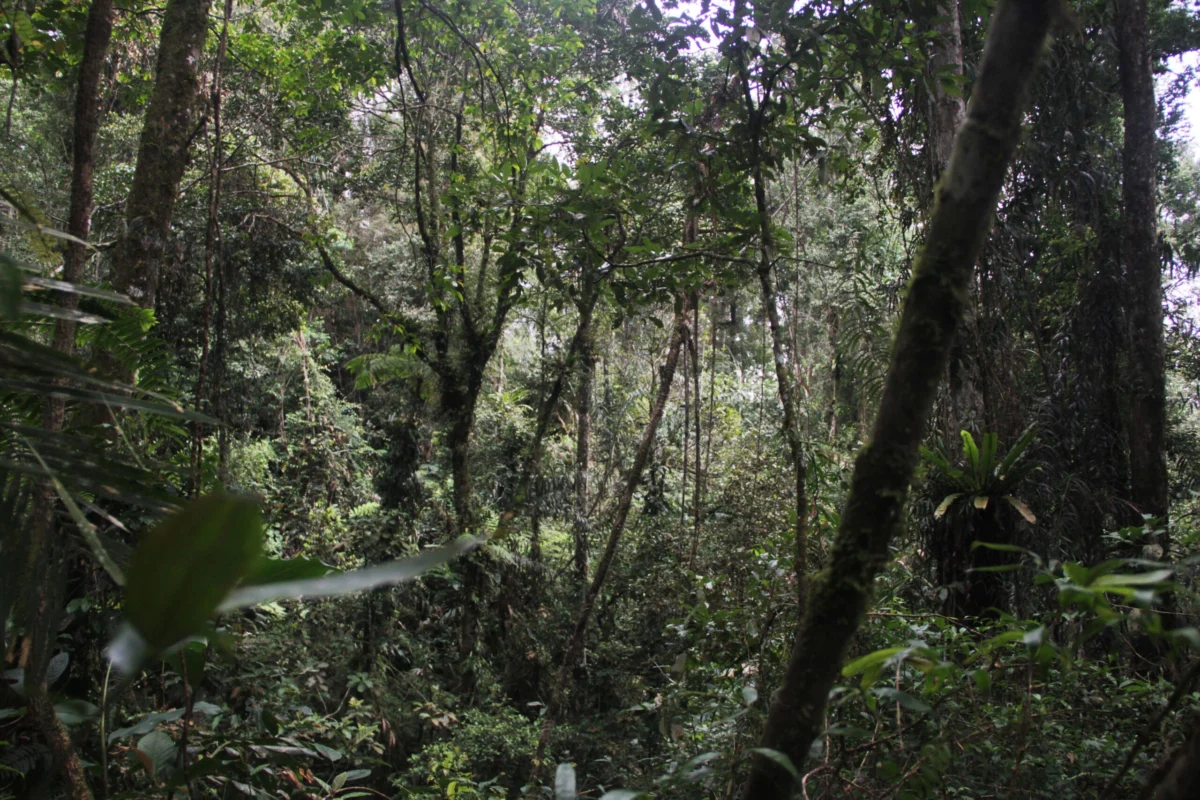
The survival of wildlife in tropical rainforests is often a precarious balancing act dictated by the rhythmic transition of seasons. In many ecosystems, the shift from the torrential rains of the monsoon to the parched conditions of the dry season forces primates to drastically alter their behavior, ranging patterns, and nutritional intake. However, a comprehensive new study focused on the Javan gibbon (Hylobates moloch) within the Mount Halimun Salak National Park (TNGHS) in West Java suggests that this endangered primate possesses a remarkable level of dietary resilience. Contrary to expectations that food scarcity during dry periods would lead to significant stress, the Javan gibbon appears to maintain a surprisingly stable diet throughout the year, provided its habitat remains intact.
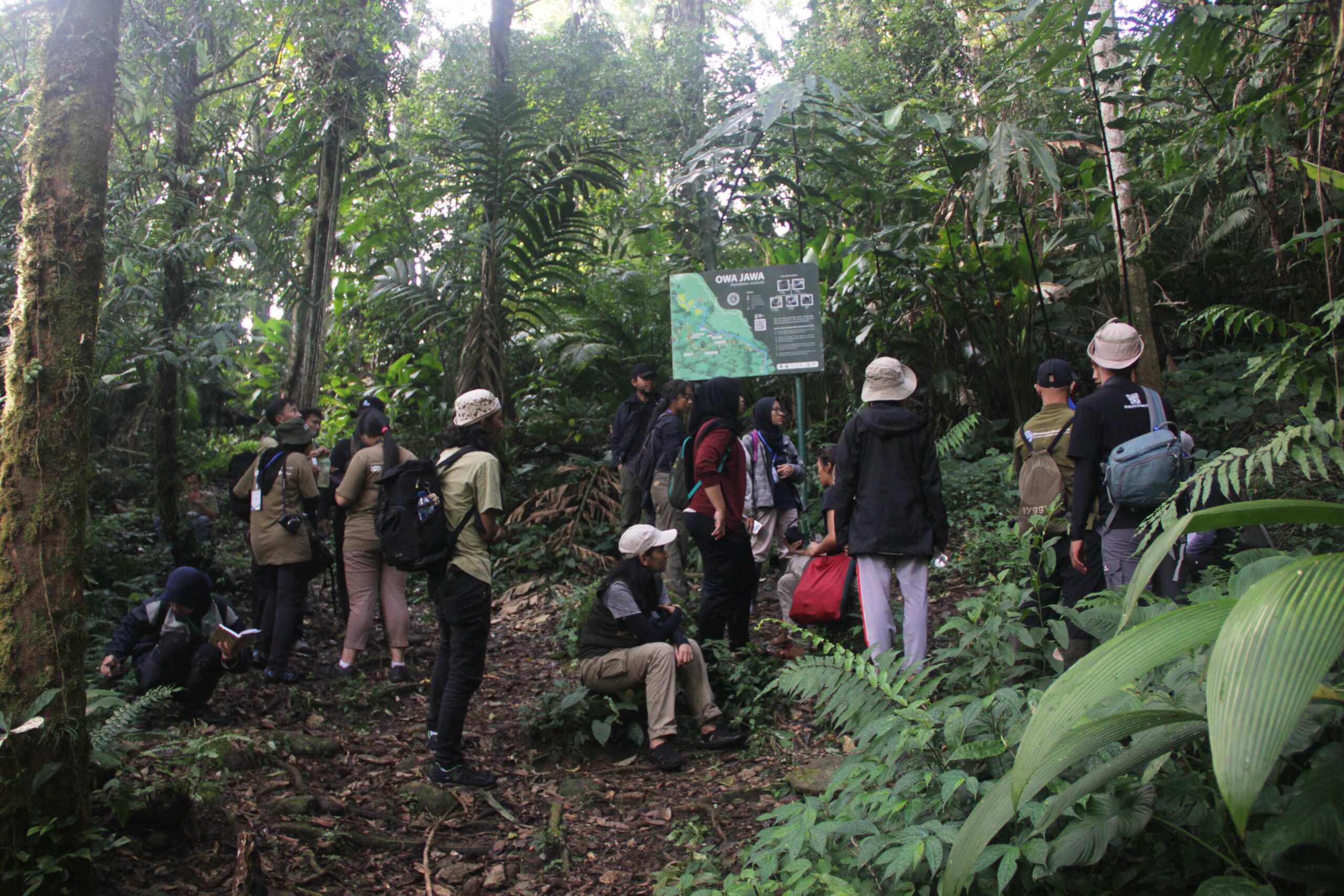
This finding stems from rigorous field research conducted by Khatibul Imam, a young researcher currently affiliated with the Sintang Orangutan Center. Working alongside a dedicated team in the Cikaniki region of TNGHS, Imam spent a full calendar year monitoring the intricacies of gibbon ecology. The research, which was supported by the Yayasan Konservasi Ekosistem Alam Nusantara (Kiara), provides a critical window into how these silver-furred primates navigate the complexities of one of Java’s last remaining primary forest bastions.
Methodology and Chronology of the Research
The study was executed over a twelve-month period, spanning from January to December 2022. During this window, the research team logged more than 755 hours of direct observation, focusing on three distinct social groups of Javan gibbons. This longitudinal approach allowed the researchers to capture the full spectrum of environmental changes, from the peak of the rainy season to the height of the dry season.
The Cikaniki area, where the study took place, is a high-biodiversity zone within the larger 113,000-hectare national park. By following the gibbons from dawn until dusk, the team was able to record every food item consumed, the duration of feeding bouts, and the specific plant species involved. The data revealed that the Javan gibbon’s diet is incredibly diverse, comprising approximately 73 species of plants belonging to 34 different families.
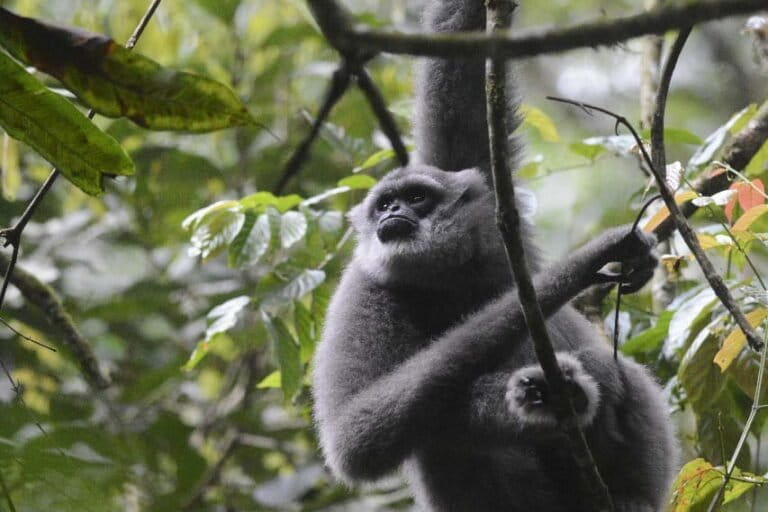
"The most significant takeaway from this data is that there is no statistically significant difference in their dietary patterns between the rainy and dry seasons," Imam explained in a recent interview. This stability is a testament to the ecological richness of the Halimun forest and the specific foraging strategies employed by the gibbons.
Nutritional Composition and Foraging Strategy
The Javan gibbon is primarily a frugivore, a trait that is clearly reflected in the study’s findings. Across the entire observation period, fruit constituted 69% of the gibbons’ total intake. This was supplemented by young leaves (19%), flowers (10%), and a small but essential portion of invertebrates (2%).
The reliance on fruit is a high-energy strategy. Fruits provide the simple sugars and carbohydrates necessary to fuel the gibbons’ acrobatic lifestyle, which involves brachiation—swinging through the high canopy using only their arms. However, the availability of fruit in tropical forests is often patchy and seasonal. The study noted that during the rainy season, fruit consumption peaked at 73%, while in the dry season, it dipped slightly to 64%.
While this 9% difference exists, Imam noted that it does not represent a "survival crisis." When preferred fruit species become less abundant, the gibbons exhibit dietary flexibility, shifting their focus toward young leaves and flowers to meet their nutritional requirements. This ability to switch to secondary food sources prevents the nutritional stress often seen in other primate species that are more strictly dependent on a single food type.
The Ficus Genus: A Keystone Resource
The secret to the Javan gibbon’s seasonal stability lies in the presence of "keystone" plant species, specifically those within the Moraceae family and the Ficus (fig) genus. The research identified Ficus villosa and Ficus heteropleura as the most critical food sources for the gibbons in TNGHS.
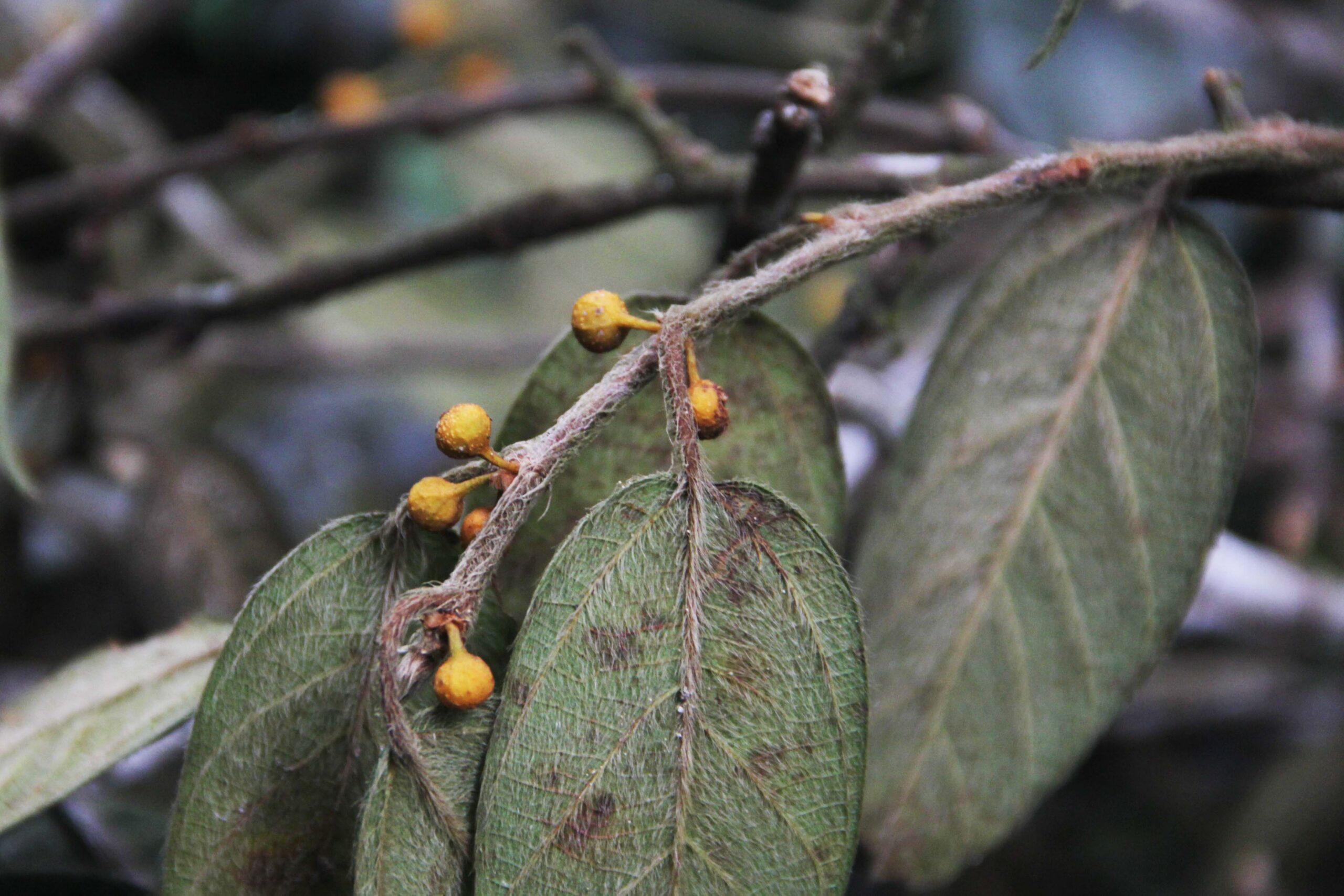
In tropical ecology, Ficus trees are renowned for their asynchronous fruiting patterns. Unlike many other forest trees that fruit simultaneously in response to seasonal triggers, different Ficus trees fruit at different times throughout the year. When one tree finishes its reproductive cycle, another nearby is often just beginning to produce ripe figs.
"Ficus is essentially the ‘key food’ for the Javan gibbon," Imam noted. This constant availability of figs acts as a safety net, ensuring that even during the leanest months of the dry season, there is always a high-energy food source available within the gibbons’ home range. The high density of these trees in the Halimun forest is what allows the gibbons to maintain such a stable daily routine.
Daily Activity Budgets and Habitat Quality
Beyond diet, the study also meticulously documented the daily activity budgets of the three gibbon groups. The results showed that Javan gibbons spend the majority of their time resting (54.43%), followed by eating (30.18%), moving through the canopy (11.31%), and engaging in social activities (4.08%).
The high percentage of time spent resting is a significant indicator of habitat quality. In ecology, if an animal spends a large portion of its day resting, it usually suggests that food resources are abundant and easily accessible, requiring minimal energy expenditure for foraging. Conversely, in degraded habitats, primates are often forced to spend significantly more time moving and searching for food, which can lead to physical exhaustion and lower reproductive rates.
Imam also highlighted the cognitive abilities of the gibbons, noting that they possess a sophisticated spatial and temporal memory. "Javan gibbons remember exactly where and when food will be available within their home range," he said. This mental mapping allows them to navigate the forest efficiently, visiting specific trees exactly when the fruit is ripe, further conserving energy.
Conservation Status and the Rarity of the Species
The Javan gibbon is currently listed as "Endangered" on the IUCN Red List of Threatened Species. It is endemic to the island of Java, meaning it is found nowhere else on Earth. Due to centuries of habitat loss on Indonesia’s most populous island, the species is now restricted to a few isolated forest fragments in West and Central Java.
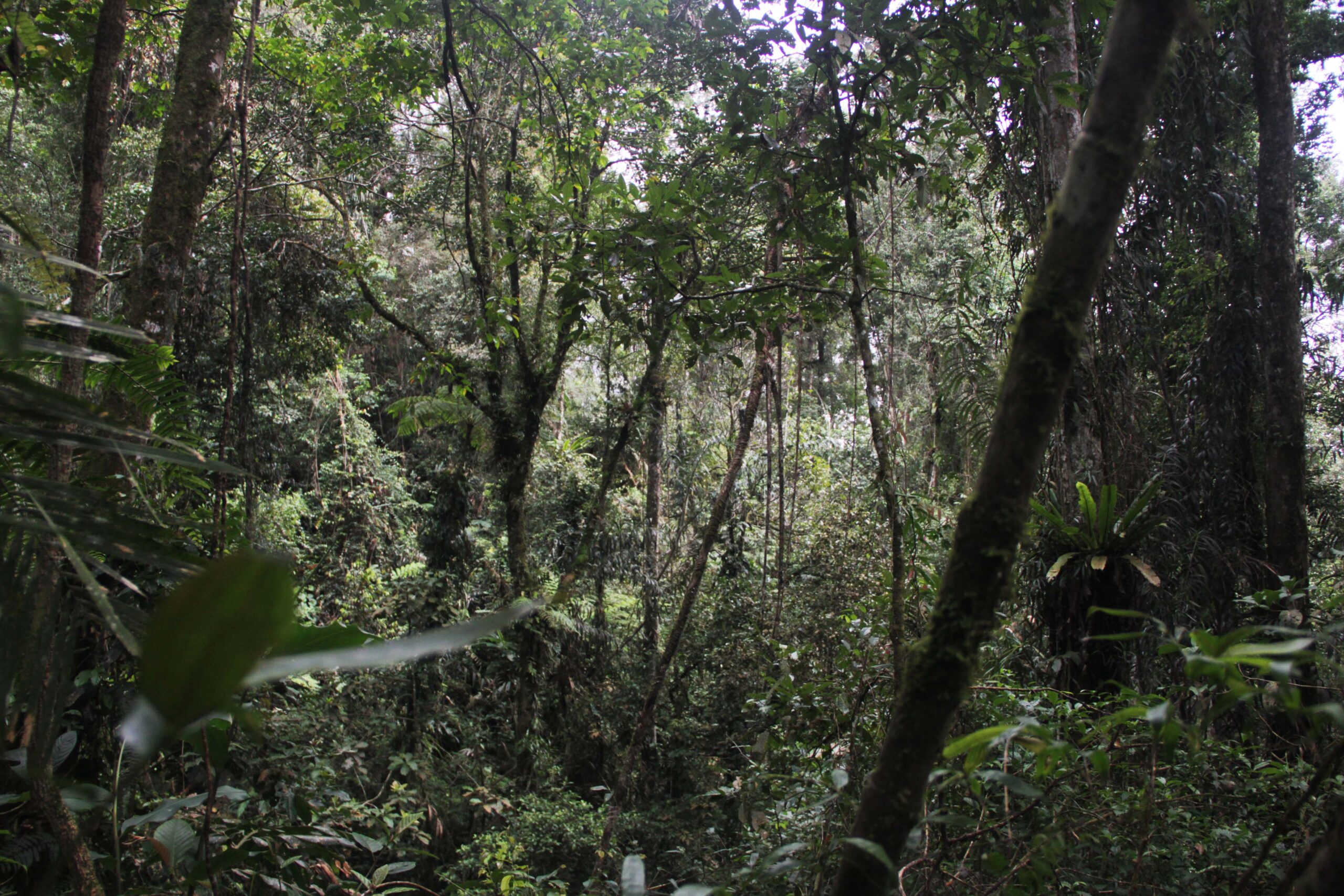
With a total wild population estimated to be around 4,000 individuals, the Javan gibbon is considered one of the rarest gibbon species in the world. Their survival is intrinsically linked to the health of the primary forests they inhabit. Unlike some other primates, Javan gibbons are strictly arboreal; they rarely descend to the ground and require a continuous, high-canopy forest to move, feed, and reproduce.
The research emphasizes that protecting the individual animals is only one part of the equation. "Conservation cannot just be about protecting the individuals; we must protect the habitat and the specific food sources they rely on," Imam stressed. This includes maintaining the structural integrity of the forest to allow for the continued growth of Ficus trees and other essential flora.
Expert Perspectives and the Threat of Climate Change
Rahayu Oktaviani, a prominent Indonesian primatologist and Whitley Award winner from the Kiara Foundation, corroborated Imam’s findings. Having studied Javan gibbons in TNGHS for years, she emphasizes that the Ficus genus is the linchpin of the entire ecosystem.
"This is why they are called keystone species," Oktaviani explained. "They support the survival of numerous other animals, not just the gibbons. If the Ficus population declines, the ripple effects would be felt throughout the entire forest food web."
However, Oktaviani also issued a warning regarding the burgeoning threat of the global climate crisis. While the gibbons currently show resilience to normal seasonal shifts, extreme weather patterns could disrupt the delicate phenology of the forest. "Climate change can affect the fruiting cycles of plants. If the timing of these cycles shifts or becomes unpredictable, it could create gaps in food availability that the gibbons are not prepared for," she noted.
Furthermore, habitat fragmentation remains a "classic" but escalating challenge. As forests are bisected by roads, infrastructure projects, and agricultural expansion, gibbon populations become isolated. Small, isolated groups are more vulnerable to genetic bottlenecks and localized extinction events, even if their immediate food supply remains stable.
Human Impact and the Role of Local Communities
The management of Mount Halimun Salak National Park faces significant pressure from human activity. Budi Chandra, the Head of TNGHS, has frequently called for greater public cooperation in preserving the gibbons’ home. One of the most pressing threats in the region is illegal gold mining, known locally as PETI (Penambangan Emas Tanpa Izin).
These mining operations not only cause direct deforestation but also lead to soil erosion and chemical pollution of the water sources that sustain the forest. "We must save them because they are a protected species unique to Java," Chandra stated in a previous address. The park authorities are working to curb these activities, but the vast and rugged terrain of the Halimun-Salak mountains makes enforcement a monumental task.
In response to these threats, organizations like Kiara are pioneering community-based conservation models. In areas like Citalahab in Sukabumi, researchers work closely with local residents to foster a sense of stewardship. By involving the community in monitoring efforts and eco-tourism initiatives, the goal is to create an environment where humans and wildlife can coexist.
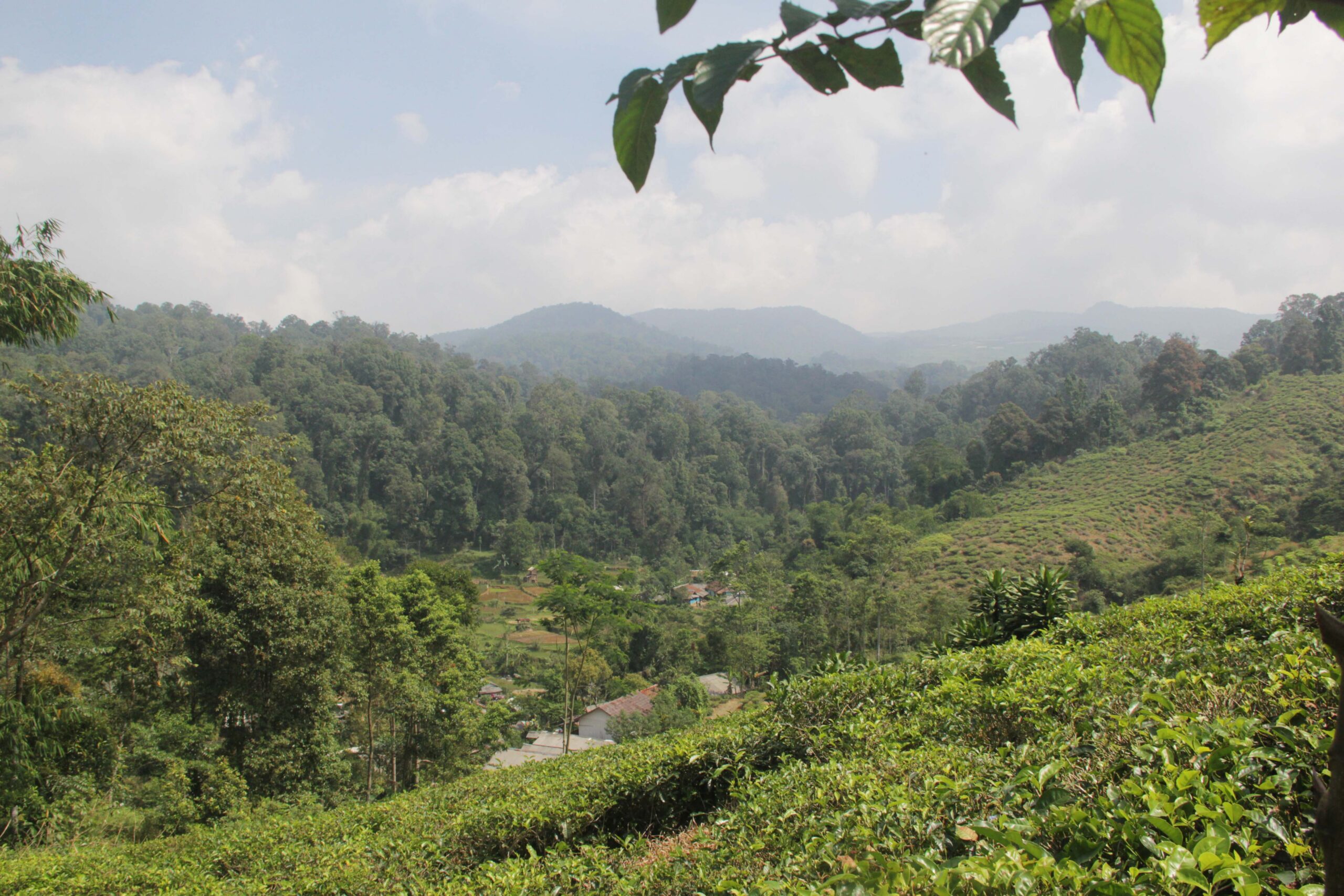
"The awareness of the community to live side-by-side with wildlife is starting to form. This is essential for the sustainability of conservation efforts," Oktaviani said. Kiara also encourages Indonesian university students to engage in field research, building a new generation of local scientists equipped to protect Java’s natural heritage.
Implications for Future Management
The findings of this 12-month study provide a clear roadmap for future conservation strategies. To ensure the long-term survival of the Javan gibbon, forest restoration projects must prioritize the planting of Ficus species and other diverse fruiting trees rather than monoculture plantations.
The stability of the gibbon’s diet in Cikaniki serves as a benchmark for what a healthy habitat looks like. In areas where gibbons are observed to be struggling or showing signs of seasonal nutritional stress, it can be inferred that the ecological balance—specifically the density of keystone species—has been compromised.
Ultimately, the story of the Javan gibbon in the Halimun forest is one of intertwined fates. The gibbons act as vital seed dispersers, helping to regenerate the very trees they eat, while the forest provides the stable, year-round buffet they need to survive. As Imam’s research concludes, to save the "singer of the forest" is to save the forest itself, ensuring that the ancient melodies of the Javan gibbon continue to echo through the misty canopies of West Java for generations to come.