Eko Sulistyo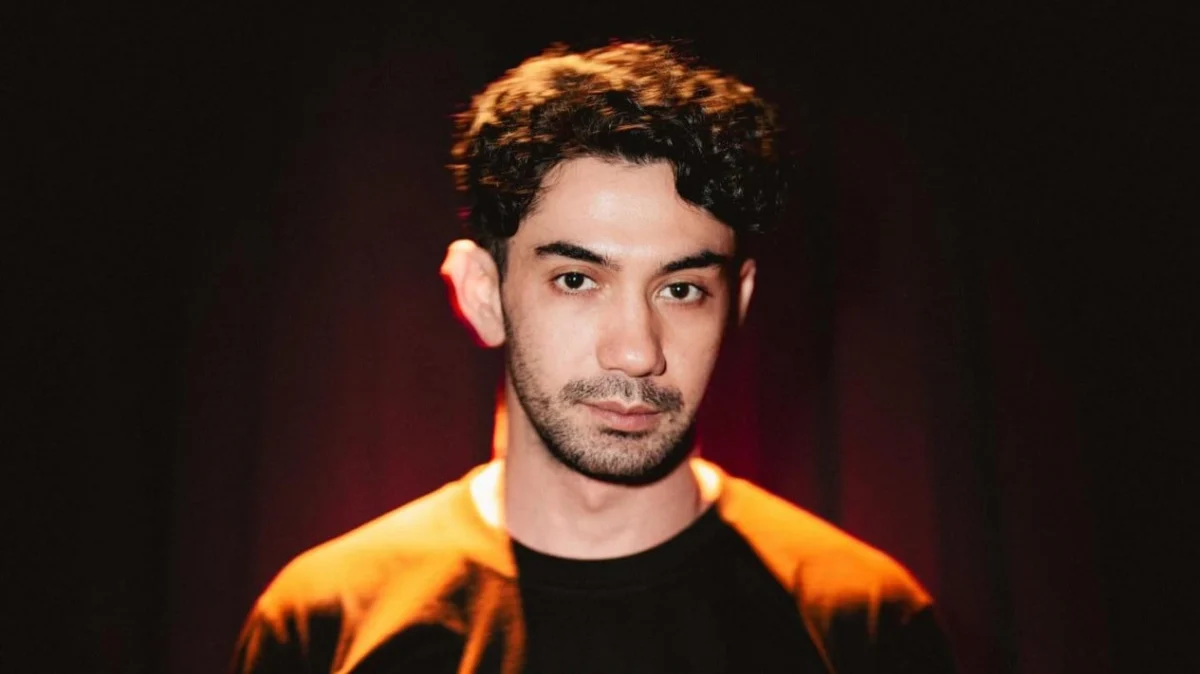
The personal and spiritual evolution of Reza Rahadian, one of Indonesia’s most celebrated and versatile actors, has once again become a focal point of public discourse following a series of candid reflections regarding his transition to Islam. Speaking on a televised program hosted by prominent presenter Irfan Hakim on Friday, March 27, 2026, the award-winning actor provided a rare, in-depth look into the private search for faith that defined his late teens. Rahadian, known for his transformative performances in films such as "Habibie & Ainun" and "Tjokroaminoto," revealed that his path to becoming a mualaf (convert) was not a sudden impulse but rather a disciplined, solitary pursuit of theological understanding that began when he was 19 years old.
The narrative of Rahadian’s conversion offers a profound look at the intersections of celebrity, personal identity, and the cultural tapestry of religious pluralism in Indonesia. His story is particularly notable for the role played by his mother, Pratiwi Matulessy, whose reaction to his decision has been hailed as a testament to unconditional love and religious tolerance within the modern Indonesian family structure.
A Solitary Search: The Early Stages of Inquiry
At the age of 19, a period when many young adults are navigating the complexities of tertiary education and career beginnings, Reza Rahadian found himself drawn to the teachings of Islam. Despite being raised in a devout Christian household, Rahadian began to feel a pull toward the Islamic faith. However, out of a profound sense of respect for his family and a desire to ensure his motivations were grounded in genuine belief rather than social pressure, he chose to conduct his initial studies in secret.
During this period, Rahadian frequently visited local mosques to observe prayers and listen to sermons. He engaged in independent study, seeking to understand the core tenets of the Quran and the daily rituals of Muslim life. "At the age of 19, I started going back and forth to the mosque, joining prayers, and learning quietly," Rahadian shared during the interview. This "underground" phase of his journey lasted for a significant duration, allowing him to build a personal foundation of faith before making any public or familial declarations.
The actor’s decision to keep his exploration private underscores a common theme among converts who come from multi-faith backgrounds: the fear of causing a rift within the family unit. In Indonesia, where family ties are the bedrock of social stability, the choice to change one’s religion is often seen as a communal event rather than a purely individualistic one. Rahadian’s approach was one of caution and deep introspection, ensuring that when he finally spoke, he did so with absolute certainty.
The Moment of Truth: A Mother’s Grace
The turning point in Rahadian’s spiritual journey arrived when he felt he could no longer keep his practice a secret from the person he held most dear—his mother. Describing the moment he decided to be open about his transition, Rahadian recounted the vulnerability he felt. He approached his mother, a committed Christian, and confessed that he had been frequenting the mosque and learning the ways of Islam for some time.
"I finally tried to be open to Mama, and Mama received it with great openness," Rahadian recalled. The response from Pratiwi Matulessy was devoid of judgment or resistance. Instead of the conflict that many might expect in such a scenario, she offered a message of profound spiritual guidance. She told him that if he was truly certain of his path, he should pursue it with total commitment. Her only request was that he use his chosen faith as a compass for life and practice it to the best of his ability.
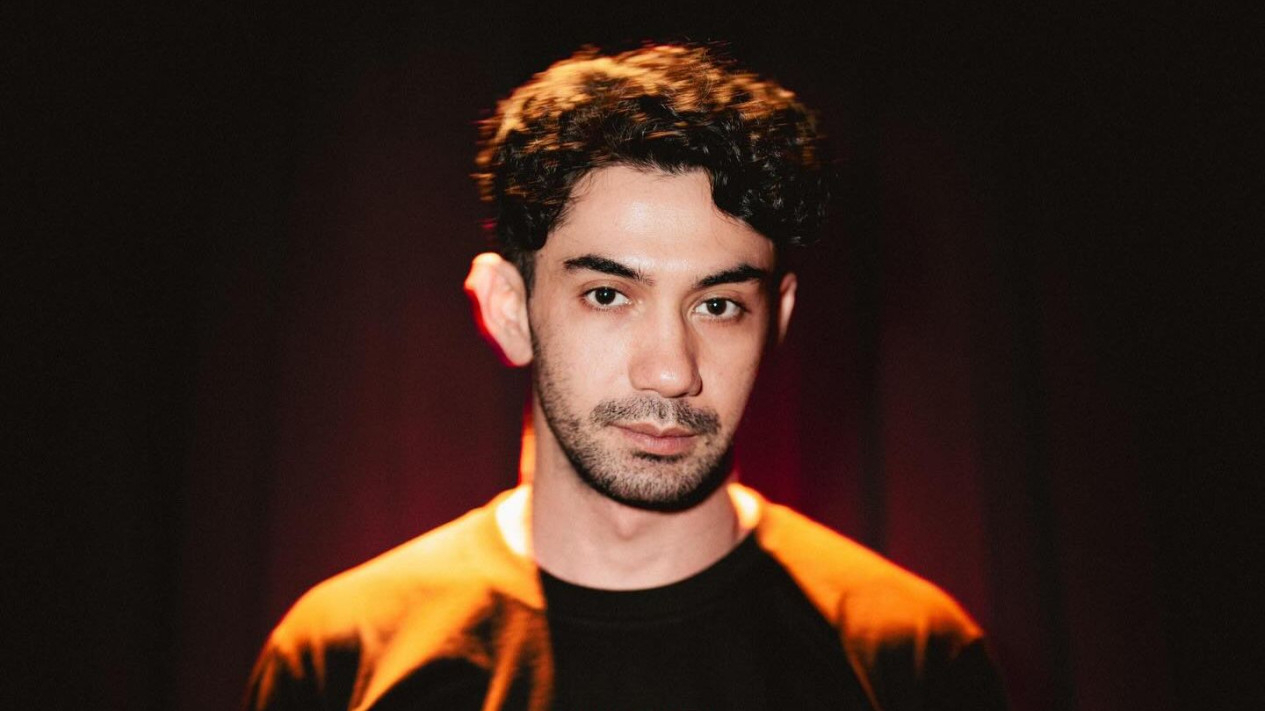
This reaction is significant not only for the actor’s personal life but as a symbol of the "Bhinneka Tunggal Ika" (Unity in Diversity) philosophy that Indonesia strives to uphold. In a nation with the world’s largest Muslim population alongside significant Christian, Hindu, and Buddhist minorities, the Matulessy-Rahadian family dynamic serves as a localized example of religious moderation (Moderasi Beragama), a concept heavily promoted by the Indonesian government to maintain social harmony.
Life in a Multi-Faith Household: Harmony in Practice
The Rahadian family has successfully navigated the complexities of living in a multi-faith household for years. According to the actor, the secret to their harmony lies in mutual respect and the active celebration of each other’s holy days. This practice of "alternating" celebrations has become a cherished tradition within their home.
During Eid al-Fitr (Lebaran), the family gathers at Reza’s home. His mother and his younger brother, who both remain Christian, participate in the festivities, sharing in the joy and the traditional meals that mark the end of the fasting month. Conversely, during Christmas, the family gathers at his mother’s residence to celebrate her faith.
"Mama and my younger brother are Christian, I am Muslim. So usually we take turns," Rahadian explained. "If it’s Lebaran, my brother and my mother definitely come to my house. And vice versa, if it’s Christmas, we will gather at Mama’s house."
This fluid movement between religious traditions highlights a sophisticated level of emotional intelligence and cultural awareness. It suggests that for the Rahadian family, the bonds of kinship supersede theological differences. This narrative challenges the more conservative views that sometimes emerge in public discourse regarding the compatibility of different faiths within a single family.
The Broader Context: Celebrity and Religion in Indonesia
Reza Rahadian’s openness about his conversion is part of a broader trend in the Indonesian entertainment industry where public figures share their spiritual journeys. In Indonesia, celebrities often serve as cultural barometers, and their personal choices can influence public perceptions of sensitive topics like religion.
By sharing his story, Rahadian contributes to a more nuanced understanding of the mualaf experience. His journey was not motivated by marriage or career advancement—two common tropes often associated with celebrity conversions—but by a long-term, intellectual, and spiritual seeking. This adds a layer of authenticity to his public persona, reinforcing his reputation as an individual of depth and integrity.
Furthermore, Rahadian’s career has often mirrored his personal engagement with diverse perspectives. He has portrayed some of Indonesia’s most significant Muslim figures on screen, including the third president, B.J. Habibie, and the national hero H.O.S. Tjokroaminoto. His ability to inhabit these roles with such conviction may, in part, be informed by his own journey of understanding the faith and its cultural manifestations in Indonesia.

Analysis: The Impact of Narrative on Social Cohesion
From a sociological perspective, the story of Reza Rahadian and his mother provides a valuable counter-narrative to religious polarization. Data from the Ministry of Religious Affairs often emphasizes the importance of the family unit in fostering a culture of tolerance. When a high-profile figure like Rahadian speaks about the "openness" of his Christian mother toward his Islamic faith, it provides a template for other families facing similar situations.
The timing of this reflection, shared in early 2026, also coincides with a period where digital media allows such stories to reach a vast audience instantly. The "viral" nature of his interview on Irfan Hakim’s program ensures that his message of familial harmony reaches millions, potentially serving as a calming influence in the face of more exclusionary religious rhetoric found in certain corners of social media.
Moreover, the actor’s story highlights the importance of "Quiet Agency." Rahadian did not seek to make his conversion a spectacle. By studying for years in private, he exercised his right to freedom of belief in a way that was respectful of his existing environment. This measured approach is often cited by psychologists as the most sustainable way to integrate a major life change without causing trauma to one’s social support system.
Conclusion: A Legacy of Tolerance
As Reza Rahadian continues to dominate the Indonesian film industry, his spiritual journey remains a significant part of his identity. His story is a reminder that faith, while deeply personal, is often practiced within a web of relationships. The "pegangan hidup" (life guidance) that his mother urged him to find has clearly manifested in a life characterized by professional excellence and a peaceful home life.
The legacy of this revelation lies in its simplicity: a son’s search for meaning and a mother’s unconditional support. In the grander scheme of Indonesian society, it serves as a potent reminder that while religions may differ, the values of respect, love, and integrity are universal. As the public continues to follow Rahadian’s illustrious career, his personal journey will likely remain a touchstone for those seeking to balance their individual convictions with the demands of family and the ideals of a pluralistic nation.
The harmony displayed by the Rahadian family—alternating between the mosque and the church, between Lebaran and Christmas—offers a hopeful vision for the future of Indonesian social fabric. It is a vision where diversity is not merely tolerated but is actively woven into the daily lives and celebrations of its citizens, led by the example of one of its most beloved icons.