Nila Kartika Wati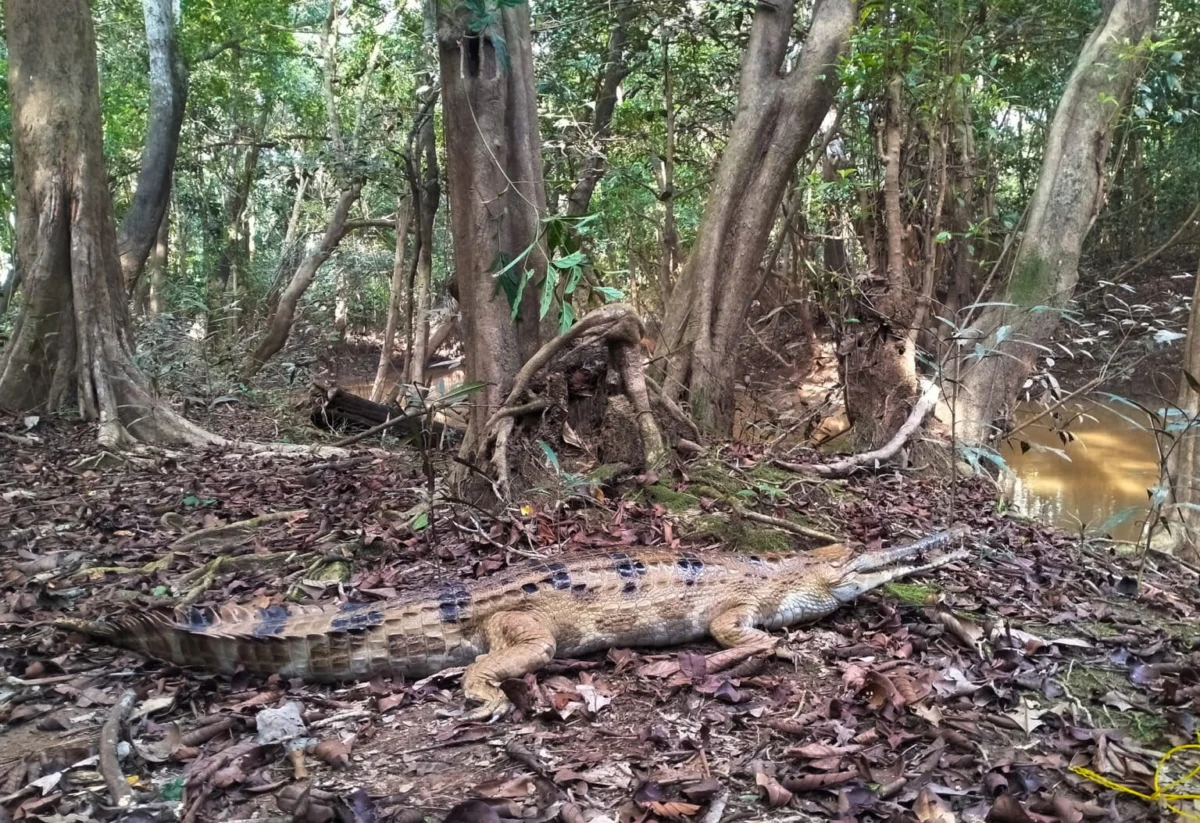
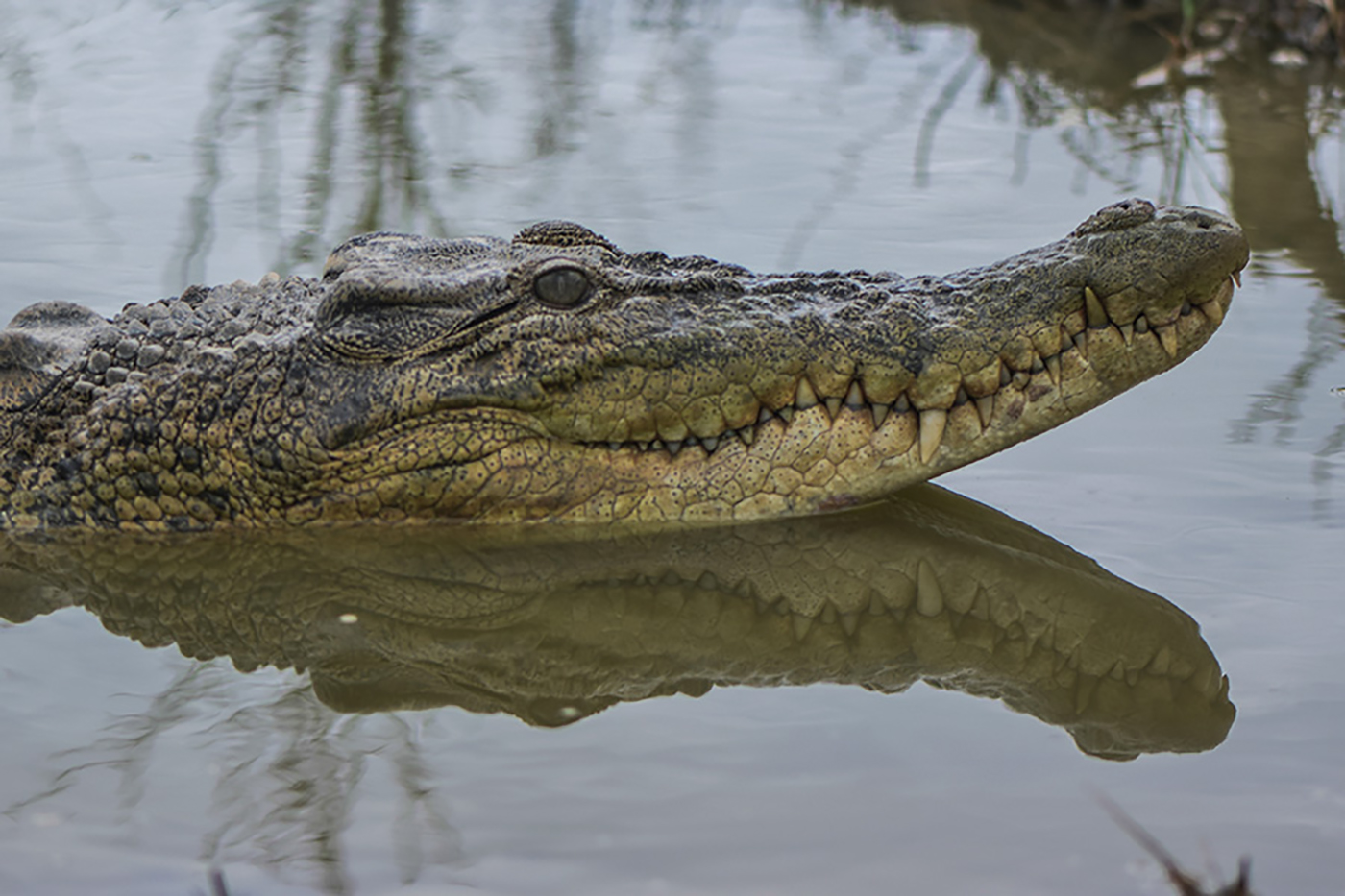
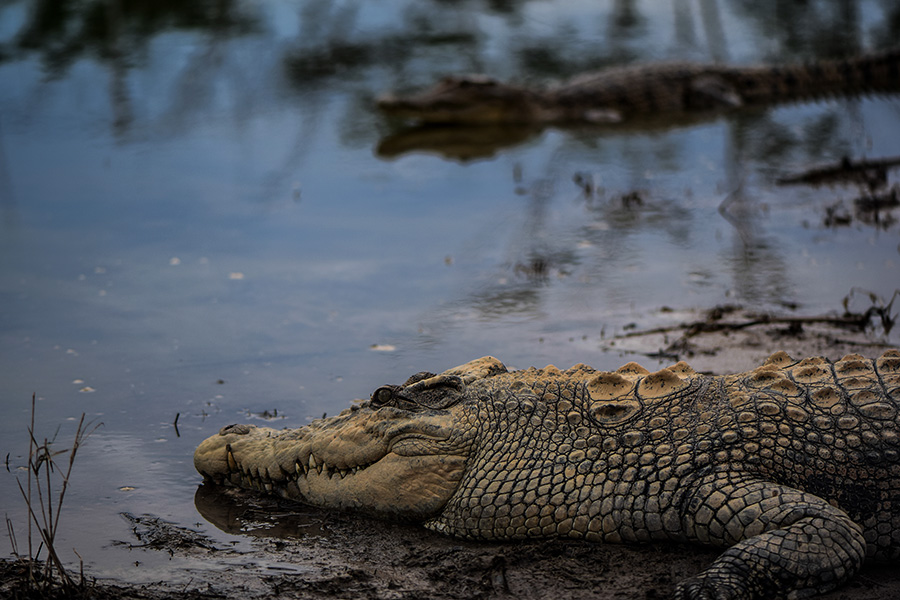
The sound of splashing water in Indonesia’s vast estuaries, once a welcomed sign of bountiful fish stocks for local fishermen, has increasingly become a signal for extreme vigilance. Lurking beneath the surface is the world’s most formidable apex predator: the saltwater crocodile (Crocodylus porosus). Known for its "armor-plated" skin, powerful flat tail, and the strongest bite force ever recorded on Earth, this prehistoric reptile is at the center of a burgeoning humanitarian and environmental crisis. Recent data indicates that Indonesia has become the global epicenter for human-crocodile conflict, a phenomenon driven by the intersection of rapid habitat degradation, dwindling natural prey, and the expansion of human settlements into ancient reptilian territories.
According to comprehensive data compiled by crocattack.org, the period between 2020 and 2024 witnessed a staggering 820 crocodile attacks across the Indonesian archipelago. These incidents resulted in 414 fatalities, a grim statistic that often triggers retaliatory killings of the crocodiles involved. When the temporal lens is widened to include data from 2015 to 2024, the numbers become even more alarming: 1,167 recorded cases and 556 deaths. This figure places Indonesia at the top of the global list for such conflicts, significantly surpassing India (768 attacks) and Papua New Guinea (584 attacks) during the same period.
The Biological Profile of the Conflict
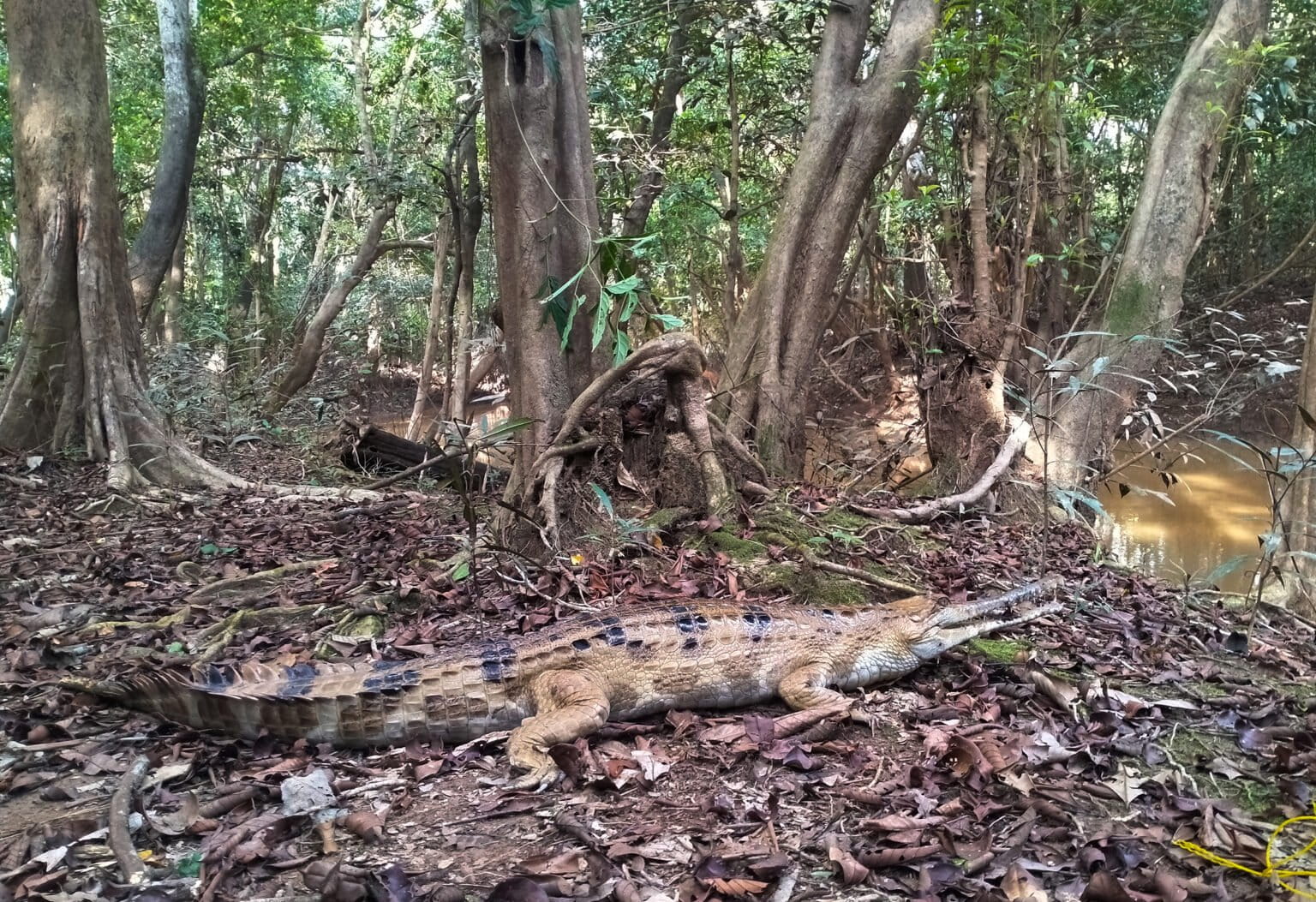
The vast majority of these encounters involve the saltwater crocodile, which accounts for more than 95 percent of all reported attacks. The remaining five percent involve the False Gharial, or Senyulong (Tomistoma schlegelii). While the Senyulong is historically characterized as a shy and reclusive species that avoids human interaction, conservationists are noting a worrying trend. Herdhanu Jayanto, a conservation scientist and program manager at the Konklusi Foundation—an organization dedicated to the protection of neglected and endangered species—notes that conflict involving the Senyulong is on the rise.
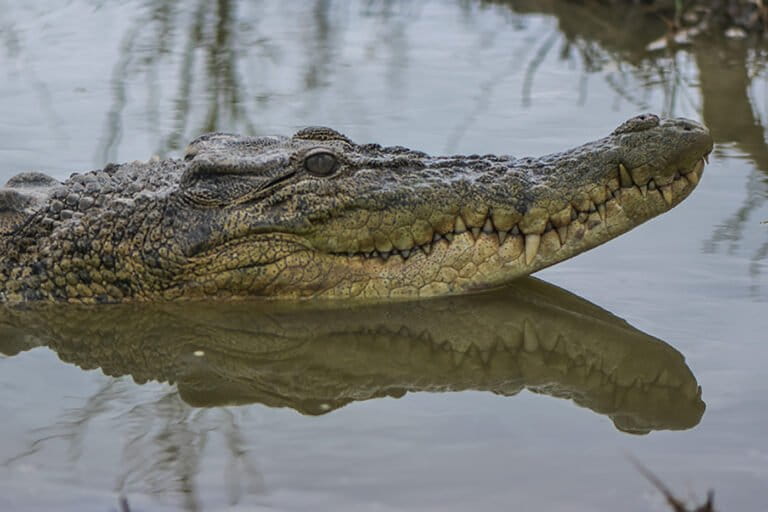
The saltwater crocodile is a resilient predator with a high tolerance for diverse environmental conditions, ranging from freshwater rivers and swamps to brackish estuaries and coastal marine environments. Its range spans the entire Indonesian archipelago, from Simeulue and Nias in the west to the Sangihe Islands in the north, Rote Island in the south, and as far east as Papua and the Tanimbar Islands. Despite this wide distribution, Indonesia currently lacks a comprehensive national population estimate or occupancy data, making it difficult for authorities to pinpoint specific "hotspots" based on animal density alone.
Mapping the Hotspots of Risk
In the absence of exhaustive population surveys, researchers have turned to historical attack data to identify regions of high risk. A 2023 study by Ardiantiono et al., which analyzed data from 2010 to 2019, identified six provinces as primary hotspots for human-crocodile conflict: Aceh, Riau, Jambi, Bangka Belitung, South Sumatra, and East Kalimantan. Much of this data was meticulously gathered by Australian crocodile expert Brandon Sideleau through media reports, social media monitoring, and professional networks.
However, experts warn that these figures likely represent only the "tip of the iceberg." In many remote regions of Indonesia, attacks go unreported due to a lack of communication infrastructure or the informal nature of rural life. In Java, the situation is particularly dire. As the world’s most populous island, Java has seen its forest cover dwindle to just 24 percent. This extreme habitat fragmentation has pushed crocodile populations into increasingly narrow corridors.
In the last 15 years, there has been a paradoxical increase in crocodile sightings in rivers across East and Central Java, such as the Porong, Brantas, and Bengawan Solo rivers. While some of these sightings involve escaped illegal pets—as suspected in the Winongo and Progo rivers of Yogyakarta—many indicate a shift in wild populations. As their primary habitats are destroyed by industrialization and agriculture, crocodiles are forced to venture into human-dominated landscapes in search of food and territory.
Socio-Economic Drivers and the Infrastructure Gap
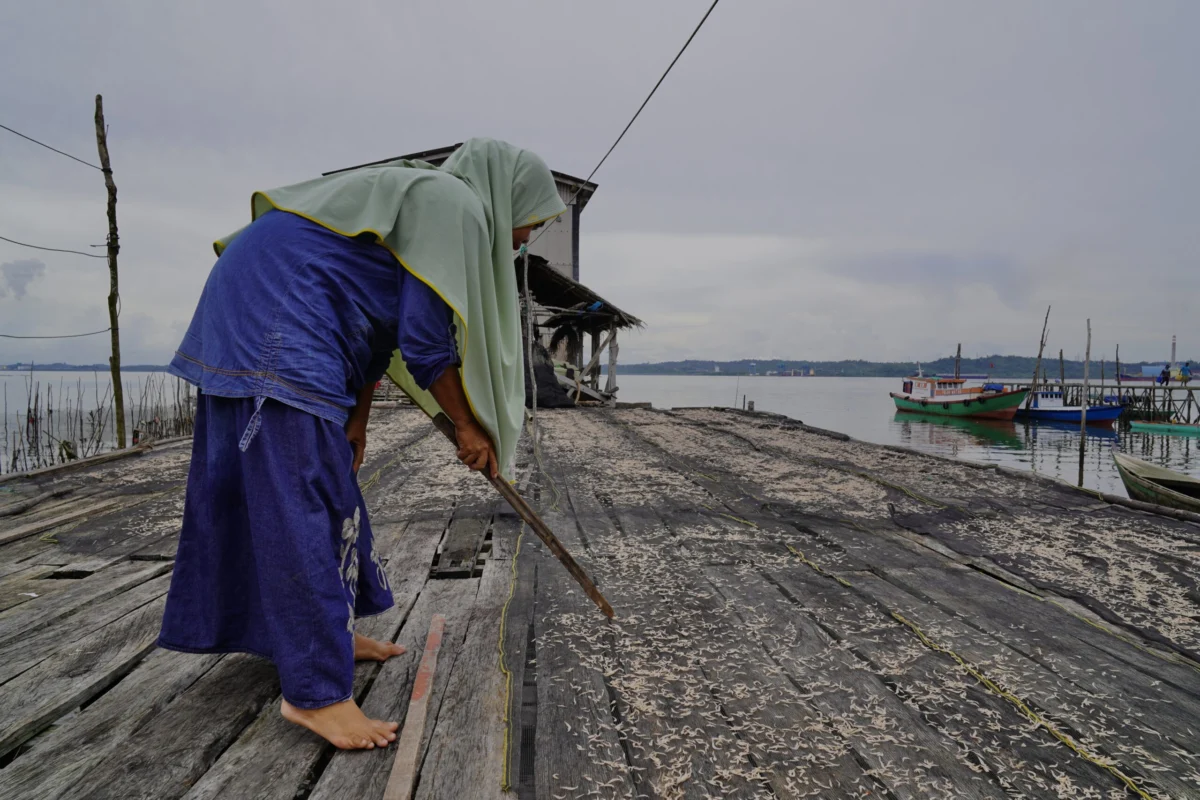
The root causes of the rising conflict are multifaceted and deeply linked to Indonesia’s socio-economic development. Analysis of the 2020-2024 data reveals that 47.6 percent of attacks are directly related to fishing activities. For many coastal and riverside communities, fishing is not just a profession but a primary means of survival. As natural fish stocks decline due to overfishing and water pollution, both humans and crocodiles are forced to compete for the same diminishing resources.
Furthermore, 32.4 percent of attacks are linked to domestic activities categorized as Water, Sanitation, and Hygiene (WASH). In many rural areas, the lack of indoor plumbing and clean water infrastructure forces residents to use rivers for bathing, washing clothes, and waste disposal. This daily necessity places humans in direct, predictable contact with crocodiles, which are known to study the patterns and habits of their prey before striking.
Herdhanu Jayanto emphasizes that there is no single culprit for this crisis. "It is a combination of habitat loss, the narrowing of living spaces, and the depletion of natural prey," Jayanto explained in an interview. "Simultaneously, the growth of the human population and the loss of traditional ecological knowledge have left people ‘clumsy’ or unprepared to live alongside these predators."
Cultural Perspectives and the Erosion of Local Wisdom
Historically, many Indonesian cultures maintained a sophisticated, albeit cautious, coexistence with crocodiles. In various regions, the crocodile was not viewed merely as a threat but as a spiritual entity or a "relative" within the local cosmology.
In Ujung Kulon, for instance, residents traditionally referred to crocodiles as "Nyai" or "Pengantin" (the bride), terms of respect intended to acknowledge the animal’s power and sanctity. In Kalimantan and Sulawesi, Dayak and Bugis-Makassar communities often viewed crocodiles as "brothers." Rituals such as "sedekah sungai" (river offerings) served as symbolic gestures to maintain the balance between the human and reptilian worlds. The Dayak Lundayeh and the people of the Upper Mahakam used crocodile masks in Hudoq dances to seek blessings for fertile land and successful harvests.
However, as modernization accelerates and traditional values are eroded, this "cultural buffer" is disappearing. The younger generation often lacks the traditional knowledge required to navigate crocodile-infested waters safely, leading to a breakdown in the ancient systems of coexistence.
The Ecological Necessity of the Apex Predator
Despite their fearsome reputation, crocodiles play an irreplaceable role in maintaining healthy aquatic ecosystems. Scientists have identified three primary ecological functions of the Crocodylus porosus. First, they act as both prey and predator at different life stages. While adult crocodiles are apex predators that regulate populations of fish and other reptiles, hatchlings are a vital food source for other species. Remarkably, less than five percent of crocodile hatchlings survive their first year.
Second, crocodiles are essential mediators of nutrient cycles. Large individuals stir up bottom sediments, releasing trapped nutrients back into the water column. Their high mobility across freshwater, terrestrial, and marine environments facilitates the transfer of biomass across different habitats.
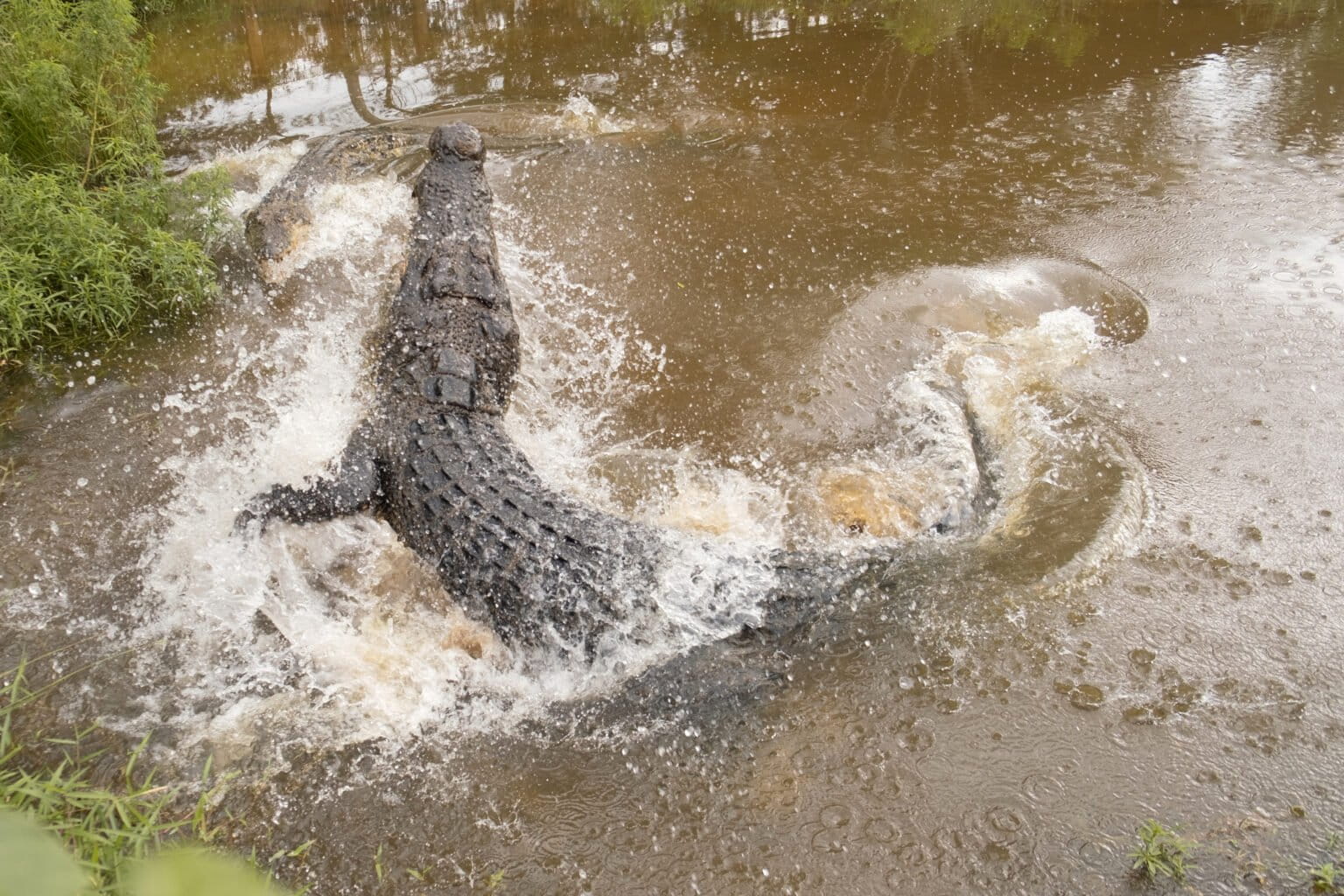
Third, crocodiles serve as "ecosystem engineers." Female crocodiles, in particular, modify the landscape when building nests, which can alter local water flow and create micro-habitats for other species. A study by Griffith et al. (2023) ranked the saltwater crocodile among the top three crocodile species globally for unique ecosystem functions.
Policy Implications and the Path Forward
The escalating conflict has prompted calls for a fundamental shift in how Indonesia manages its crocodile populations. Historically, the responsibility for wildlife management fell under the Ministry of Environment and Forestry (KLHK). However, a recent shift in authority has seen the Ministry of Marine Affairs and Fisheries (KKP) take a more prominent role in managing coastal and marine species.
Conservationists argue that mitigation strategies must move beyond reactive measures like relocation or the killing of "problem" animals. Herdhanu Jayanto suggests a more comprehensive approach that integrates social, ecological, and spatial planning. "The answer to whether humans can coexist with crocodiles is yes, but it requires healthy habitats, adequate human welfare, and the restoration of local wisdom," Jayanto stated.
Key recommendations for the Indonesian government and stakeholders include:
- National Population Surveys: Establishing a scientific baseline of crocodile numbers and distribution to inform evidence-based policy.
- Infrastructure Development: Prioritizing the construction of safe WASH facilities in high-risk rural areas to reduce human dependency on riverbanks for domestic chores.
- Spatial Planning: Protecting and restoring critical mangrove and wetland habitats to provide crocodiles with sufficient space away from human settlements.
- Community-Based Management: Reintegrating local ecological knowledge into modern conservation programs and providing "crocodile-safe" training for fishermen.
- Inter-Agency Cooperation: Strengthening the synergy between the KKP, KLHK, and local governments to manage the transition of authority and ensure consistent enforcement of conservation laws.
Ultimately, the future of the human-crocodile relationship in Indonesia depends on the willingness of society to acknowledge the crocodile’s right to exist while proactively addressing the socio-economic vulnerabilities of the people who share its habitat. Without a concerted effort to balance development with conservation, the estuaries of Indonesia will continue to be sites of tragic and avoidable loss.