Lina Irawan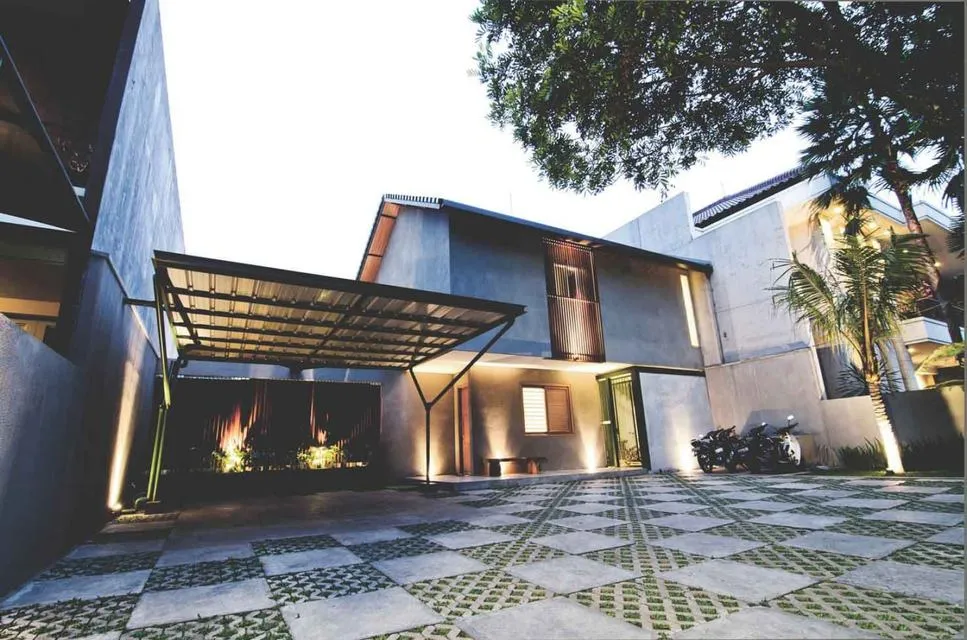
Historically, homeowners have often been willing to invest significant sums, frequently tens of millions, into crafting an aesthetically pleasing front facade for their properties. However, the meticulous technical calculations essential for the structural integrity and safety of parking spaces have, regrettably, often been an afterthought. While aesthetics undoubtedly play a role in curb appeal and property value, the rigorous application of Safety Durability Carport (SDC) principles ensures that a garage structure will not succumb to collapse from seemingly minor incidents, such as a casual bump from a car bumper. This emphasis on foundational strength and resilience represents a crucial re-evaluation of design priorities, shifting focus from superficial beauty to profound structural reliability.
Consider the potential ramifications: a seemingly minor impact against a poorly constructed or inadequately supported column can precipitate the catastrophic failure of an entire canopy roof, sending it crashing down onto the vehicle beneath. The ensuing financial burden of replacing a shattered windshield, repairing vehicle damage, and rebuilding the compromised structural framework can easily deplete a household’s savings. According to a 2022 study by the National Safety Council, parking lot and driveway incidents account for a significant percentage of non-occupant vehicle-related injuries and property damage annually. The adoption of Safety Durability Carport standards thus emerges not merely as a suggestion, but as an indispensable guideline that must be rigorously adhered to before any open garage construction commences. These standards serve as a proactive measure, transforming a potentially hazardous area into a secure and dependable extension of the home.

The Perilous Balance: Structural Failure Versus Visual Aesthetics
Professional architects and structural engineers inherently understand the critical importance of anticipating worst-case scenarios long before their elegant designs materialize on paper. Their design process involves an exhaustive exploration of how a structure might fail or pose a danger to its occupants. In the context of a residential parking area, these dangers are alarmingly tangible. We are discussing scenarios such as support pillars fracturing under the impact of a reversing vehicle, or the serious risk of slips and falls on wet, untreated surfaces. This transitional space, often overlooked, is a dynamic zone where heavy vehicles, rigid building materials, and unpredictable weather conditions converge. Implementing the Safety Durability Carport concept necessitates the same level of meticulous calculation and engineering foresight typically reserved for designing minor bridges or critical infrastructure elements. It demands a holistic understanding of load-bearing capacities, material science, and human behavioral patterns to create an environment that is both functional and inherently safe.
The emphasis on visible aesthetics often leads to "value engineering" that compromises structural integrity in areas not immediately visible or considered "decorative." Homeowners, driven by budget constraints or a focus on immediate visual impact, might unknowingly approve designs that use thinner gauge steel or less robust foundations. This psychological bias towards visible beauty over hidden strength can have disastrous consequences. Architects, therefore, advocate for a comprehensive risk assessment during the initial design phase, considering not just static loads but also dynamic loads, impact forces, and environmental stressors.

Anatomy of an Impact-Resistant Column
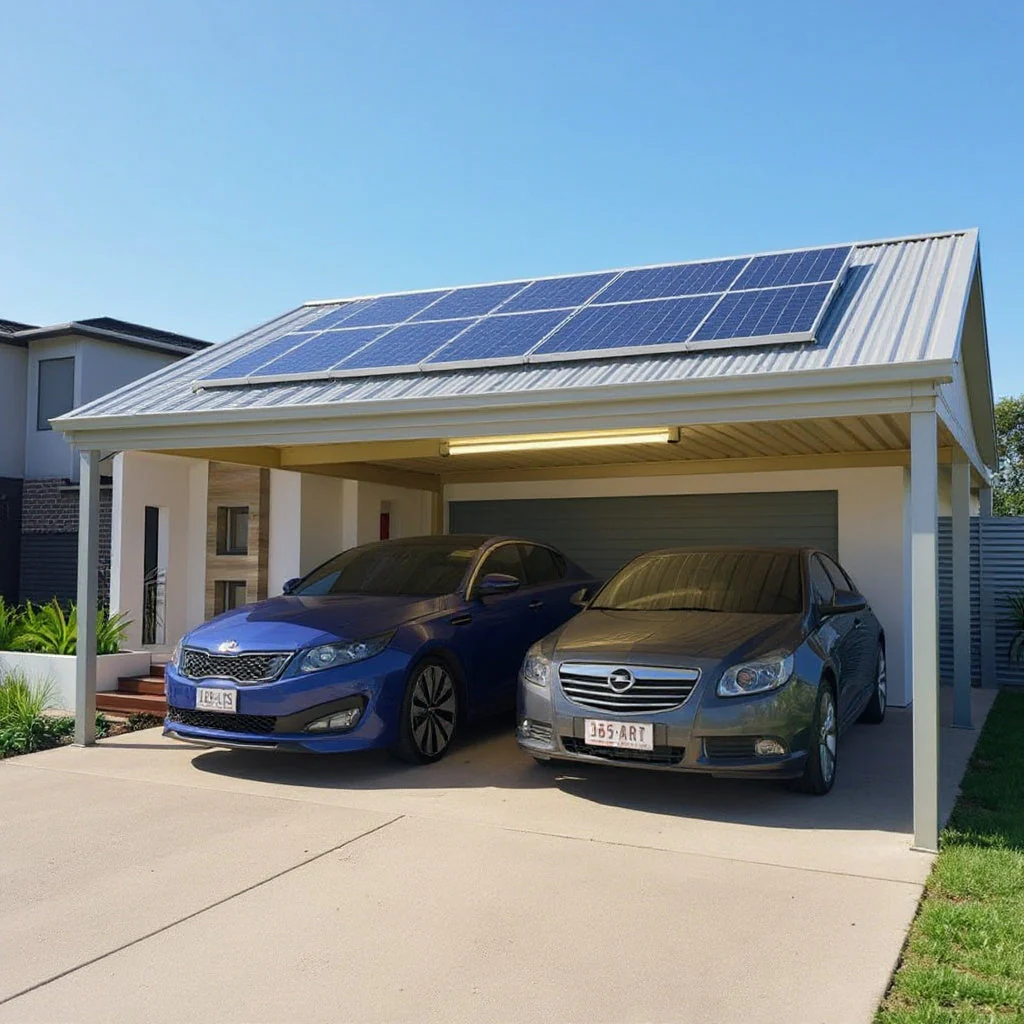
The most financially debilitating and potentially dangerous accident scenario within a carport involves a vehicle colliding with a support pillar. Modern family vehicles routinely weigh upwards of one ton. Even at a crawling speed of 5 km/h, such a mass generates a substantial amount of kinetic energy upon impact (Kinetic Energy = 0.5 mass velocity^2). A slender metal column, lacking adequate reinforcement or concrete encasement, will invariably buckle under such force, initiating a dangerous chain reaction that could lead to the collapse of the entire lightweight steel roof frame. Constructing a Safety Durability Carport actively prevents this hazardous domino effect, which not only endangers lives but also incurs immense financial costs, potentially exceeding the initial savings from cutting corners on structural materials.
-
Standard Column Thickness and Reinforcement:
Contractors are mandated to construct pillars from reinforced concrete, with a minimum cross-sectional dimension of 20×20 centimeters. The reinforcing steel bars (rebar) must adhere strictly to national standards, such as SNI in Indonesia, ensuring appropriate tensile strength and ductility. For critical load-bearing elements, rebar diameters of 12mm or 16mm are typically recommended, properly tied with stirrups to prevent buckling. The use of inferior, non-standard, or undersized rebar is strictly prohibited, as it compromises the structural integrity of the column. For designs aiming for an exposed industrial aesthetic, robust steel profiles like H-Beams or Wide Flange (WF) sections are recommended. These profiles, known for their high moment of inertia, are specifically engineered to withstand significant compressive loads and lateral forces. In contrast, thin hollow box sections have no place as primary load-bearing supports within the stringent standards of a Safety Durability Carport due to their susceptibility to buckling and deformation upon impact. The selection of these heavy-duty materials is critical for absorbing and distributing impact energy effectively, preventing progressive collapse.
-
Optimal Column Positioning and Turning Radius:
Support pillars must be strategically positioned as far as practically possible from vehicle maneuvering paths and turning radii. A more expansive turning space inherently reduces the likelihood of bumpers scraping or colliding with the columns. Industry guidelines often suggest considering the average turning radius of common family vehicles (typically 5-6 meters). A minimum tolerance distance of 60 centimeters should be maintained from the outermost edge of the vehicle body once it is parked straight. This generous clearance not only minimizes collision risks but also facilitates comfortable door opening and passenger egress. The fundamental principle of establishing a Safety Durability Carport dictates that columns are installed well outside the primary vehicle maneuvering zone, thereby enhancing both operational safety and user convenience. -
Wheel Stops and Bumper Protection:
No support pillar should be left exposed without adequate protection. The installation of wheel stoppers, fabricated from robust concrete molds or durable hard rubber, on the parking surface is a mandatory safety feature. These stoppers should be positioned approximately 80 to 100 centimeters from the rear wall of the house, adjusted precisely to accommodate the length of the vehicle’s front end. This simple yet effective device automatically halts the vehicle’s tires before they can strike a boundary. Furthermore, the addition of high-visibility corner protectors, typically in yellow and black, made from impact-absorbing rubber or polyethylene, on each pillar’s exposed corners provides an additional layer of impact absorption and visual warning. These physical protective facilities collectively complete the comprehensive safety provisions inherent in a Safety Durability Carport.
The Insidious Threat of Hidden Sharp Edges

Carports, especially during inclement weather, frequently double as play areas for children, thanks to their expansive protective roofs. However, square concrete pillars with sharp 90-degree edges pose a significant laceration risk, particularly to a child’s head should they collide with it while running or playing. According to a report by the CDC, falls are a leading cause of non-fatal injuries in children, and blunt impacts can cause serious trauma. Similarly, remnants of lightweight steel sheeting left dangling too low can be as dangerously sharp as a razor blade. A core focus in designing a Safety Durability Carport is the systematic identification and elimination of all such sharp points and edges from human reach, ensuring a safe environment for all occupants, especially the most vulnerable.
- Human-Centric Design Philosophy:
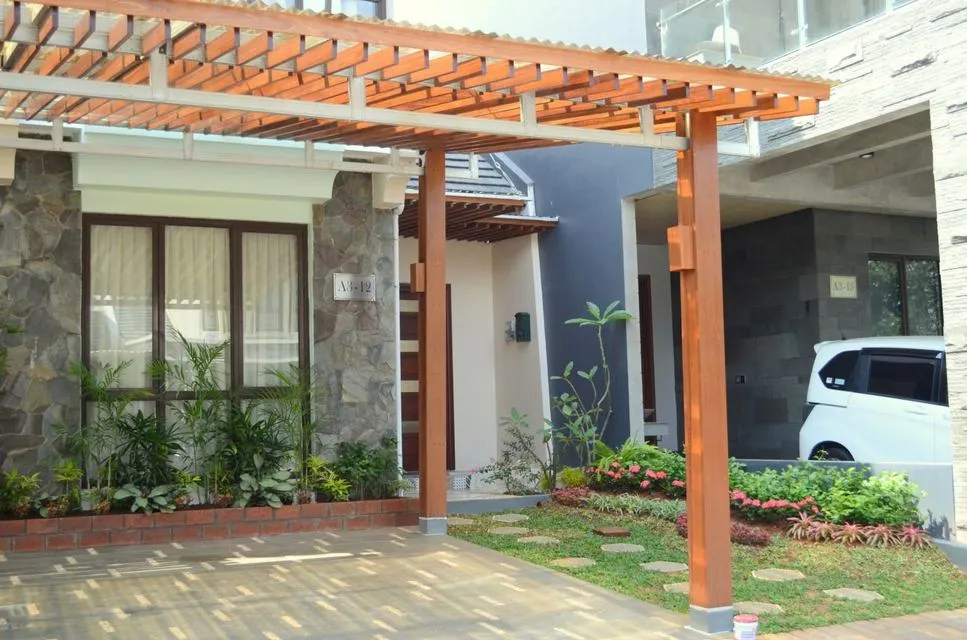
To mitigate injury risks, every sharp corner on concrete pillars should be chamfered (beveled) or slightly rounded, ideally with a minimum radius of 2-3 cm. Cylindrical pillars inherently offer the highest degree of safety in high-traffic or active areas, as they present no sharp edges. If a square pillar design is preferred, it is imperative to affix dense foam padding or rubber corner guards to all exposed edges. Furthermore, maintaining a minimum clearance of 2.2 meters from the floor to the lowest point of the roof structure is crucial to prevent head injuries for adults, a standard often recommended in public spaces. Welding technicians must meticulously grind smooth all cut edges of metal pipes and profiles to eliminate any sharp burrs. This meticulous evaluation and remediation of sharp edges represent a critical phase in the construction of a truly human-centric Safety Durability Carport.
Anti-Slip Carport Flooring for Wet Zones
A parking area inevitably transforms into a wet zone, constantly exposed to rain splash, residual oil drips, and mud tracked in by vehicle tires. This cocktail of liquids creates a dangerously slick, lubricant-like surface. Paradoxically, many homeowners, driven by a desire for prestige, opt for large, highly polished ceramic tiles or pure granite slabs. This negligent choice converts a carport into a deadly skating rink. A simple slip and fall while alighting from a vehicle can result in severe spinal injuries. The technical specifications of a Safety Durability Carport strictly prohibit the use of such dangerously slippery flooring materials.

-
Slip Resistance Rating (R-Rating) Specification:
Outdoor flooring materials for carports must possess a minimum Slip Resistance Rating of R11 or R12. These ratings, established through rigorous testing (e.g., DIN 51130 for barefoot and shod foot slip resistance), indicate the material’s ability to provide adequate grip in wet or contaminated conditions. An R11 rating signifies suitability for areas with a high risk of slipping, such as carports. Robust, textured options include flamed andesite stone, brushed concrete, or high-quality interlocking pavers (paving blocks). If ceramic tiles are insisted upon, only those explicitly labeled "Heavy Duty Rustic" or with a high R-rating should be considered. Porous natural stones, which are prone to moss and algae growth, should be avoided entirely, as they rapidly lose their slip resistance. A coarse texture ensures mechanical grip for shoe soles and prevents vehicle tires from slipping when accelerating or braking. The friction coefficient of the floor surface is the fundamental lifeline of a Safety Durability Carport. -
Engineered Drainage and Slope:
Even the roughest floor material will prove ineffective if the water drainage system is inadequate. Stagnant water will effectively mask the textured surface, encourage the proliferation of algae and moss spores, and ultimately compromise the adhesion of the underlying cement or mortar. Skilled technicians must cast the ground slab with a precise slope of 1 to 2 percent, directed towards the drainage channel. This translates to a drop of approximately 1 centimeter for every 1 meter of length, ensuring efficient water runoff. Steep inclines should be avoided, as they can cause excessive wear on vehicle handbrakes and pose challenges for older drivers. To further enhance the water management features of a Safety Durability Carport, a linear trench drain covered with a heavy-duty metal grate should be installed at the edge of the asphalt or concrete slab, effectively channeling water away from the parking area. Proper drainage also prevents hydrostatic pressure from building up beneath the slab, which can lead to cracking and structural damage over time.
Cantilever Canopies for Confined Spaces

Designing a parking area for a single vehicle typically presents minimal technical challenges. However, the scenario changes dramatically when attempting to accommodate two family cars within a constricted 5×5 meter space