Nila Kartika Wati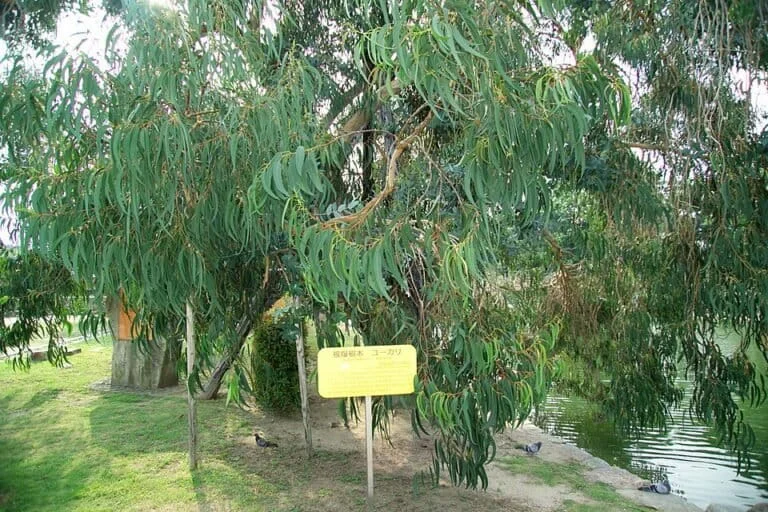
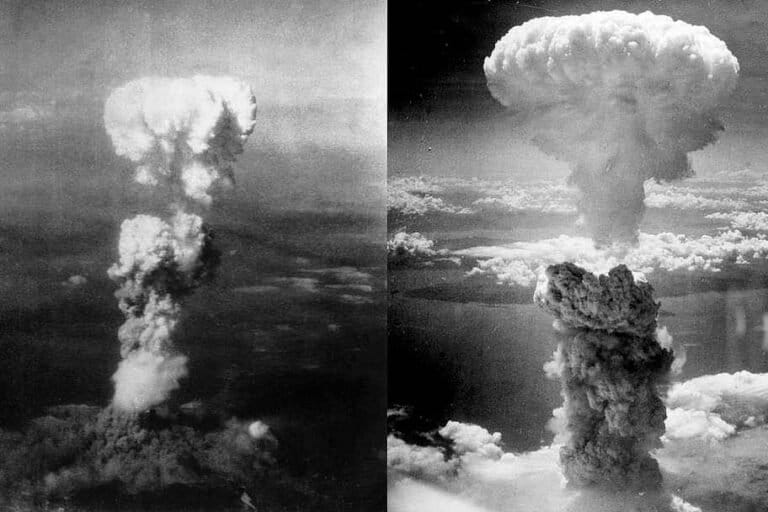
The atomic bombings of Hiroshima and Nagasaki in August 1945 represent one of the most harrowing chapters in human history, characterized by unparalleled destruction and a staggering loss of life. On August 6, 1945, the detonation of the "Little Boy" uranium bomb over Hiroshima released a thermal flash that reached temperatures of approximately 4,000 degrees Celsius at the hypocenter—hotter than the surface of the sun. This was followed by a devastating pressure wave and a deluge of ionizing radiation. Three days later, the "Fat Man" plutonium bomb struck Nagasaki, repeating the cycle of devastation. In the immediate aftermath, Dr. Harold Jacobsen, a scientist with the Manhattan Project, famously predicted that the scorched earth of Hiroshima would remain barren of all life for 75 years. However, nature provided a swift and stunning rebuttal to this grim forecast. By the spring of 1946, amidst the charred ruins and radioactive dust, green shoots began to emerge from the blackened stumps of trees that many had assumed were dead.
These botanical survivors are known in Japan as Hibakujumoku—a term derived from "Hibaku" (bombed) and "Jumoku" (tree). Today, these trees are not merely biological curiosities; they are registered monuments of resilience, protected by municipal laws and studied by scientists worldwide to unlock the secrets of their survival. The existence of the Hibakujumoku challenges our understanding of how complex organisms endure extreme environmental stress and offers a profound testament to the ancient, modular defensive mechanisms inherent in the plant kingdom.
The Chronology of Destruction and Unexpected Rebirth
To understand the magnitude of the Hibakujumoku’s survival, one must consider the timeline of the 1945 catastrophe. At 8:15 AM on August 6, Hiroshima was transformed into a wasteland. Within a two-kilometer radius of the hypocenter, nearly every building was leveled, and approximately 80,000 people were killed instantly. The heat was so intense that it carbonized organic matter and bubbled roof tiles. In the days following the blast, "black rain"—highly radioactive condensation—fell over the city, further contaminating the soil.
Despite this total environmental collapse, the botanical recovery began almost immediately. Historical records from the autumn of 1945 indicate that certain weeds and shrubs began to sprout in the ruins. By the following spring, more significant signs of life appeared. At the site of the Hiroshima Castle, a Eucalyptus tree located just 740 meters from the hypocenter showed signs of budding. In the Shukkeien Garden, several Ginkgo biloba trees that had been scorched to their cores began to produce leaves.
In Nagasaki, the story was similar. The Sanno Shrine, located about 800 meters from the hypocenter, became famous for its "one-legged" Torii gate, but even more remarkable were the two massive Camphor trees on the grounds. Though their trunks were hollowed by the fire and their branches stripped, they survived. These events provided a critical psychological turning point for the survivors, known as Hibakusha. The sight of green leaves amidst the gray ash served as a visual promise that the city, and its people, could also return to life.
The Biological Blueprint: Why Plants Endure Where Humans Perish
The survival of the Hibakujumoku is not a matter of luck but a result of fundamental differences between plant and animal biology. While humans and other mammals possess a centralized anatomy with vital organs—such as the heart, lungs, and brain—that are indispensable to the organism’s survival, plants are built on a modular architecture.
Research in the field of radiobiology, including studies published in journals such as Nature Reviews Cancer, highlights that plants do not have a centralized "command center." Instead, they are composed of repeating units. If a human loses their heart, they die; if a tree loses 90% of its crown to a fire or blast, it can regenerate from the remaining 10%. This regeneration is powered by meristematic tissues—undifferentiated cells located in the tips of roots and shoots, and behind the bark (the vascular cambium).
In the case of the atomic blasts, many trees had their exposed structures incinerated, but their root systems, shielded by several inches of soil, remained viable. The soil acted as a natural insulator against both the thermal flash and the initial burst of ionizing radiation. Once the immediate danger passed, the meristems in the roots or the protected base of the trunk began to divide rapidly, sending up new shoots.
Furthermore, plants possess a unique cellular defense against radiation-induced mutations. In humans, radiation often causes DNA damage that leads to uncontrolled cell division, or cancer, which can spread through the circulatory system. Plants, however, have rigid cell walls made of cellulose that prevent cells from migrating. If a plant cell’s DNA is irreparably damaged by radiation, the plant can simply isolate that cell or allow it to die, effectively "walling off" the damage. Because they lack a circulatory system that can transport mutated cells to other parts of the body, plants are virtually immune to the types of systemic cancers that are fatal to animals.
Case Studies in Resilience: Ginkgo, Oleander, and Camphor
Among the nearly 160 registered Hibakujumoku in Hiroshima today, certain species stand out for their extraordinary durability. The Ginkgo biloba, often referred to as a "living fossil," is perhaps the most famous. Having existed for over 270 million years, the Ginkgo has survived multiple mass extinction events. Its resilience is attributed to its "constitutive resilience"—a suite of chemical defenses including high concentrations of flavonoids and terpenoids. These compounds act as powerful antioxidants, neutralizing the free radicals produced by gamma radiation before they can cause permanent genomic damage. Six Ginkgo trees within two kilometers of the Hiroshima hypocenter are still alive today, some even bearing the scars of the blast on their bark.
The Oleander (Nerium oleander) holds a special place in the heart of Hiroshima. It was the very first flower to bloom after the bombing. Its ability to thrive in contaminated soil and its rapid growth led the city to designate it as the official flower of Hiroshima in 1971. The sight of its vibrant pink blossoms provided a much-needed sense of beauty in a landscape of trauma.
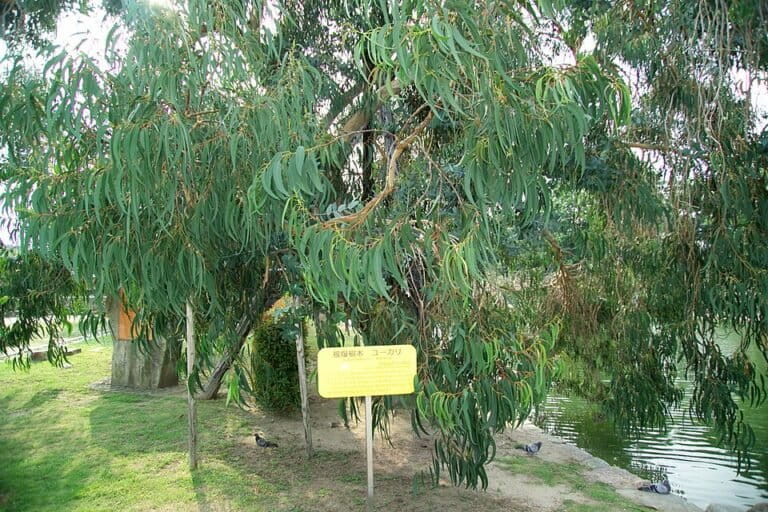
In Nagasaki, the Great Camphor trees at Sanno Shrine serve as a living monument. Following the blast, these trees were expected to wither. However, despite being severely burned and losing all foliage, they recovered. Today, they are designated as Natural Monuments by the Japanese government. Proactive conservation efforts, including the use of specialized fertilizers and structural supports, have ensured that these trees continue to grow, their massive canopies now providing shade to a rebuilt neighborhood.
Genetic Redundancy and the "Phoenix Flora"
Recent scientific inquiries, such as the 2026 study titled The Phoenix Flora: Plant Survival, Succession, and Putative Adaptation, have delved into the genetic secrets of these survivors. One key finding is the prevalence of polyploidy in many resilient plant species. Polyploidy is a condition where an organism has more than two complete sets of chromosomes.
For a human, having an extra chromosome is often a source of severe health complications. For a plant, however, having multiple sets of the same genes provides a "genetic backup." If radiation destroys a specific gene sequence on one chromosome, the plant can utilize the undamaged copy on another chromosome to continue its biological functions. This genetic redundancy allows Hibakujumoku to maintain metabolic stability even after significant radioactive exposure.
Moreover, the "Phoenix Flora" research suggests that the plants which survived may have undergone epigenetic changes—modifications to how their genes are expressed—allowing them to better handle environmental toxins and radiation in the soil. This suggests that the Hibakujumoku are not just survivors; they are actively adapting to the post-atomic landscape.
Conservation, Official Recognition, and Global Impact
The City of Hiroshima takes the preservation of these trees seriously. Each Hibakujumoku is marked with an official plaque, and many are incorporated into the city’s urban planning. The "Master Plan for Hiroshima City of Peace" includes the maintenance of these trees as a core component of its heritage. Experts and "tree doctors" are employed to monitor the health of the aging survivors, many of which are now over 100 years old.
The legacy of these trees has also gone global through initiatives like "Green Legacy Hiroshima" (GLH). Established by activists and botanical experts, GLH collects seeds and saplings from the Hibakujumoku and distributes them to botanical gardens, schools, and peace organizations in over 30 countries. By planting the "descendants" of the A-bombed trees, communities around the world participate in a living ritual of peace and environmental stewardship.
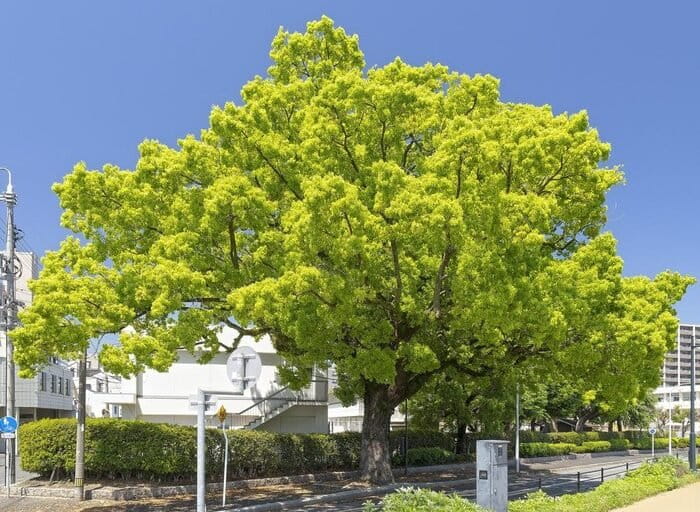
Official reactions from international bodies have often highlighted the Hibakujumoku as symbols of the "Green Peace" movement. During visits to Hiroshima, world leaders and diplomats have often been taken to see these trees, which serve as more than just biological specimens; they are witnesses to the consequences of nuclear warfare and the enduring power of life.
Broader Implications: Lessons for a Changing World
The study of Hibakujumoku offers critical insights that extend beyond the history of World War II. In an era defined by climate change, habitat loss, and the persistent threat of nuclear escalation, understanding how life persists under extreme stress is vital. These trees provide a roadmap for "extreme-environment" botany, offering clues on how to breed crops that can withstand higher UV radiation or toxic soil conditions.
Furthermore, the Hibakujumoku provide a unique perspective on the intersection of ecology and ethics. They remind us that while human technology has the power to destroy ecosystems in seconds, the restorative capacity of nature is profound—provided it is given the chance to recover. The trees stand as a silent rebuke to the doctrine of "mutually assured destruction," suggesting instead a philosophy of "mutually assured resilience."
As the original Hibakujumoku age and eventually reach the end of their natural lifespans, their role as historical witnesses becomes even more poignant. They carry the physical scars of 1945—charred wood, distorted growth patterns, and leaning trunks—but they also carry the vibrant green of the future. By studying their biology and honoring their history, we gain a deeper appreciation for the tenacity of life on Earth and a sobering reminder of the responsibility that comes with the power of the atom. In the shade of a Ginkgo that survived the end of the world, we find not only a scientific marvel but a living sanctuary of hope.