Eko Sulistyo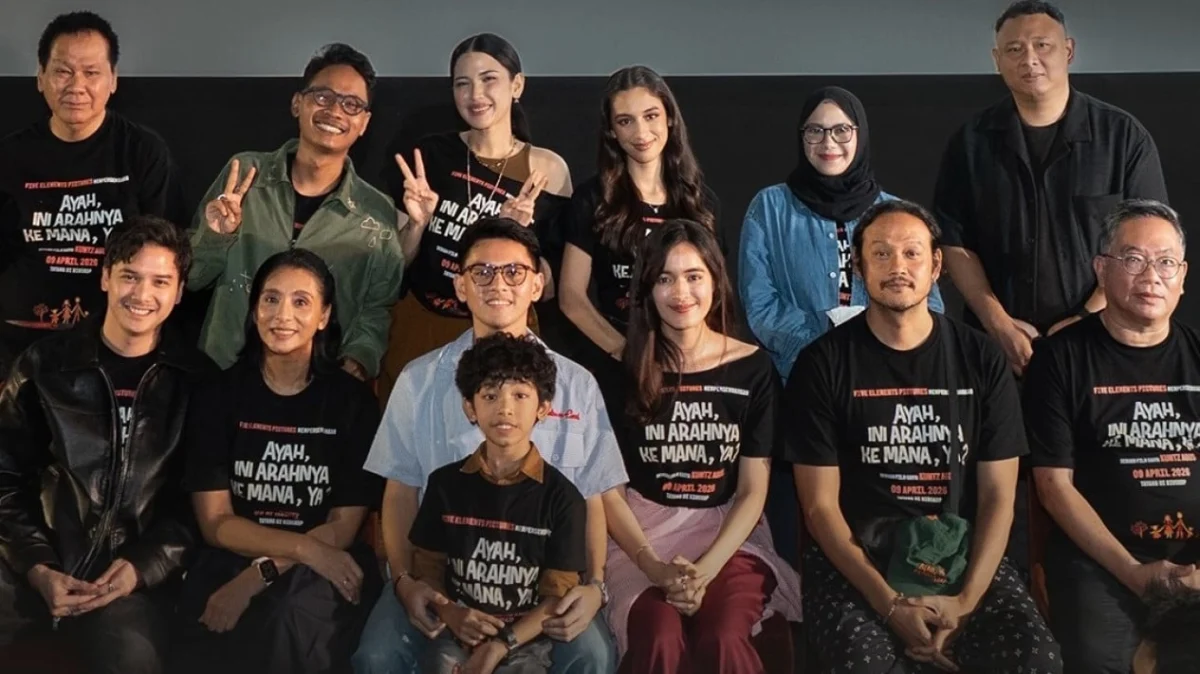
The Indonesian entertainment landscape in early April 2026 is currently dominated by a blend of poignant cinematic releases, complex social media dynamics involving high-profile influencers, and the feverish anticipation of international K-pop events. As the industry continues to evolve in the post-pandemic era, the intersection of personal celebrity lives and public consumption has reached a new peak of intensity. The most recent trending topics from the Showbiz sector highlight a growing public interest in "relatable" family dramas, the ethics of fan-driven "shipping" culture, the legalities of asset management post-divorce among celebrities, and the logistical complexities of hosting world-class musical tours in Jakarta.
The Rise of Relatable Family Dramas: Ayah Ini Arahnya Ke Mana, Ya?
Scheduled for a nationwide theatrical release on April 9, 2026, the film "Ayah Ini Arahnya Ke Mana, Ya?" (Father, Where Is This Heading?) has already sparked significant conversation among critics and moviegoers. The film represents a broader trend in the Indonesian film industry that prioritizes "slice-of-life" narratives and the exploration of psychological wounds within the family unit. Moving away from the high-octane horror and slapstick comedy that often dominates the domestic box office, this production seeks to address the "hidden scars" that many Indonesians carry from their upbringing.
The narrative centers on the often-strained relationship between a father and his children, focusing on the lack of communication and the differing expectations between generations. Industry analysts suggest that the film’s popularity in pre-release discussions stems from its "relatability factor." In a society where the patriarchal figure is often viewed as the provider but rarely as an emotional anchor, the film’s attempt to deconstruct this archetype resonates deeply with Gen Z and Millennial audiences who are increasingly vocal about mental health and "generational trauma."
Data from the Indonesian Film Board (BPI) indicates that domestic dramas focusing on family dynamics have seen a 15% increase in viewership over the past two years. "Ayah Ini Arahnya Ke Mana, Ya?" is expected to capitalize on this trend. Production insiders reveal that the script underwent several revisions to ensure that the dialogue reflected authentic contemporary Indonesian household dynamics, avoiding the melodramatic tropes of past "sinetron" (soap opera) styles. By focusing on the "directionless" nature of a family in crisis, the film invites viewers to reflect on their own domestic histories.
Social Media Ethics and the Furap Phenomenon: Reza Arap’s Public Plea
In the digital sphere, the controversy surrounding musician and content creator Reza Arap and social media personality Fujianti Utami (Fuji) has taken a serious turn. The portmanteau "Furap," created by fans to "ship" or romantically link the two celebrities, has become a source of significant friction. On April 4, 2026, Reza Arap issued a public statement requesting that netizens cease using the term and stop the speculative narratives regarding a potential relationship between him and Fuji.
The primary driver for this request, according to Arap, is the discomfort it has caused Fuji’s father, Haji Faisal. Since the tragic passing of Vanessa Angel and Bibi Ardiansyah years ago, Haji Faisal has emerged as a protective and respected figure in the Indonesian media landscape, often acting as the moral compass for his family’s public image. Arap’s statement highlighted a crucial aspect of Indonesian celebrity culture: the intersection of modern digital fandom and traditional family values.
"The father is already uncomfortable," Arap noted, referring to Haji Faisal’s reaction to the persistent rumors. This situation underscores the broader issue of "parasocial relationships," where fans feel an entitlement to direct the personal lives of the celebrities they follow. Analysis of social media sentiment shows that while "shipping" can increase a celebrity’s engagement metrics, it often leads to real-world psychological stress and strain on professional relationships. Arap’s decision to prioritize the comfort of an elder over digital clout is being seen by some as a sign of maturity, though it also highlights the volatility of fame in the age of TikTok and Instagram.
Asset Disputes and Public Outcry: The Rachel Vennya and Niko Al Hakim Polemic
The personal life of influencer Rachel Vennya continues to be a focal point of public interest, particularly concerning her ongoing co-parenting and financial relationship with her ex-husband, Niko Al Hakim, better known as Okin. The latest flare-up involves a property dispute that has drawn in mutual friends and the wider public. Reports surfaced that Okin allegedly attempted to list a house belonging to Rachel Vennya for sale without her prior consent or authorization.
This revelation prompted a fierce reaction from Erika Carlina, a close friend of Rachel and a prominent figure in the Jakarta social scene. Carlina’s public "fury" over the matter has turned a private asset dispute into a national conversation about property rights and the boundaries of post-divorce cooperation. Under Indonesian law (specifically the Marriage Law and the Civil Code regarding Harta Gono Gini or joint assets), the sale of property acquired during marriage or designated as part of a settlement requires the explicit consent of both parties involved if the title is shared or if there are standing legal agreements.
The timeline of this dispute suggests a breakdown in the "amicable" divorce image the pair had projected since their split in 2021. While they have successfully co-parented their children in the public eye, this incident reveals the underlying complexities of managing substantial wealth and real estate under constant public scrutiny. Legal experts suggest that this case may serve as a cautionary tale for other high-net-worth influencers regarding the necessity of clear, legally binding asset management contracts that survive the dissolution of a marriage.
International K-Pop Integration: Aespa’s 2026 Jakarta Concert Guide
On the international front, the K-pop phenomenon shows no signs of waning in Indonesia. The girl group aespa, under SM Entertainment, is set to return to Jakarta as part of their "2025-26 aespa LIVE TOUR SYNK: aeXIS LINE." This tour is a significant milestone, as it utilizes advanced augmented reality (AR) and "metaverse" elements that have become the group’s trademark.
For the Indonesian "MY" (aespa’s fandom), the Jakarta leg of the tour is one of the most anticipated events of the year. To manage the massive influx of fans, organizers have released a comprehensive guide covering schedules, ticket exchange protocols, and strict venue rules. The concert, expected to be held at a major venue such as the Indonesia Convention Exhibition (ICE) BSD or the Gelora Bung Karno (GBK) complex, requires rigorous logistical planning.
Supporting data from the tourism sector suggests that international K-pop concerts in Jakarta contribute significantly to the local economy, particularly in the hospitality and transportation sectors. The "SYNK: aeXIS LINE" tour is expected to draw fans not only from across Indonesia but also from neighboring Southeast Asian countries. The ticketing process has transitioned almost entirely to digital systems with blockchain-verified secondary markets to combat the rampant "jastip" (personal shopper) and scalping issues that plagued previous years.
Key rules for the 2026 concert include strict prohibitions on professional recording equipment, specific bag size requirements for security, and a digital-only ticket exchange system to ensure safety. The emphasis on these regulations reflects the maturing of the Indonesian event management industry, which now operates at a global standard for safety and efficiency.
Broader Implications and Analysis of the Showbiz Landscape
The convergence of these four distinct stories—a film about family trauma, a social media shipping controversy, a legal asset dispute, and a high-tech international concert—provides a snapshot of Indonesian society in 2026.
First, there is a clear shift toward emotional literacy. The success of films like "Ayah Ini Arahnya Ke Mana, Ya?" suggests that the Indonesian public is no longer satisfied with superficial entertainment; they seek stories that mirror their internal struggles. Second, the incidents involving Reza Arap and Rachel Vennya demonstrate the "double-edged sword" of social media. While it provides a platform for wealth and influence, it also subjects the most private aspects of life—family approval and financial security—to public judgment.
Furthermore, the involvement of third parties like Erika Carlina and Haji Faisal in celebrity disputes indicates that in Indonesia, "celebrity" is rarely an individual pursuit; it is a communal and familial affair. Finally, the seamless integration of global acts like aespa into the local market proves that Jakarta has solidified its position as a mandatory stop for international tours, necessitating a level of professional infrastructure that was non-existent a decade ago.
As April 2026 progresses, these narratives will likely evolve. The box office performance of "Ayah Ini Arahnya Ke Mana, Ya?" will be a litmus test for the "serious drama" market, while the legal resolution of the Vennya-Okin house dispute may set a precedent for influencer asset management. Meanwhile, the successful execution of the aespa concert will further enhance Indonesia’s reputation as a premier destination for global entertainment. In this fast-paced environment, the line between "showbiz" and "real life" continues to blur, creating a complex cultural tapestry that remains the primary focus of the Indonesian public.