Tyo Susilo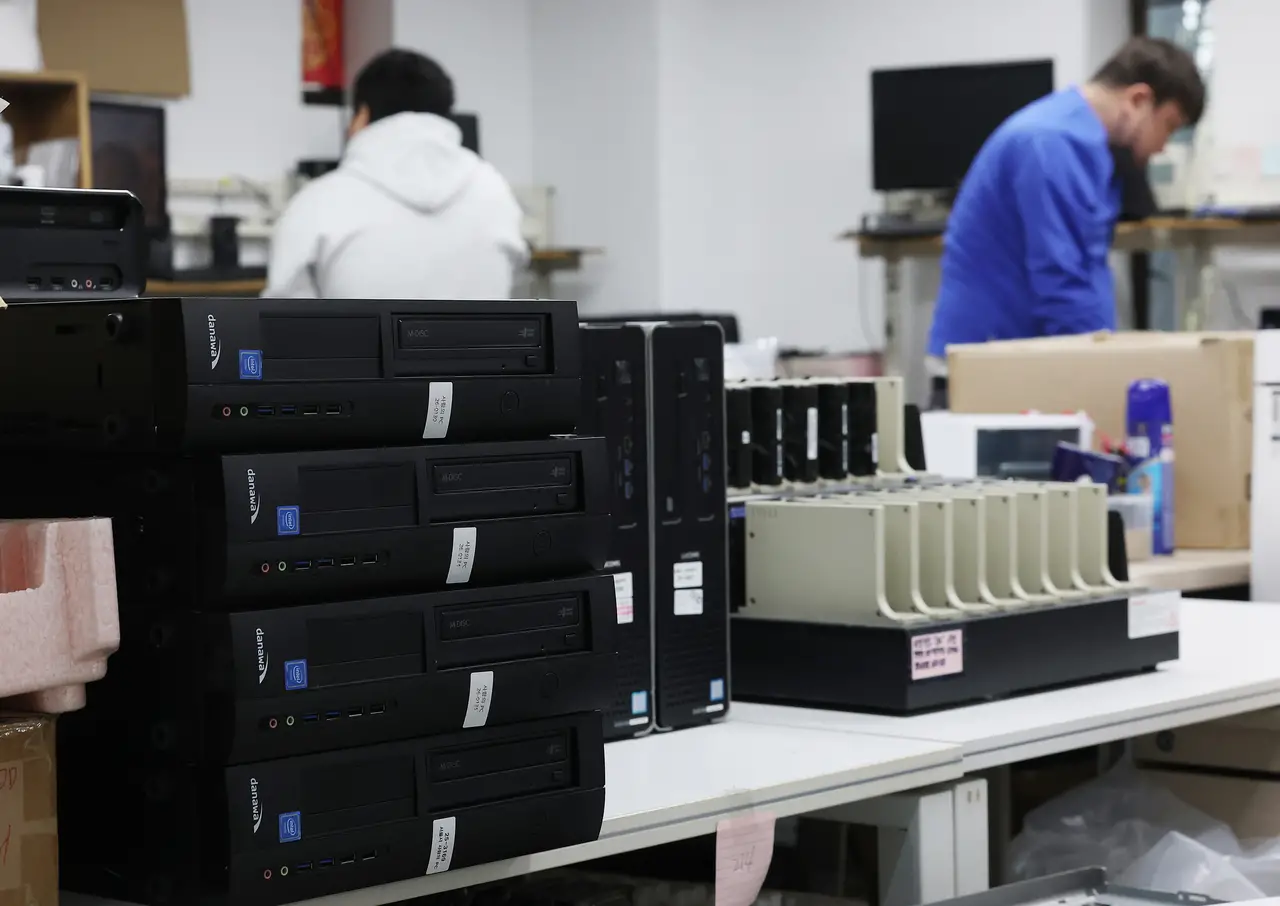
The South Korean government has initiated a series of measures to address the recent surge in DRAM prices, a critical component in personal computers and other electronic devices. The proactive stance includes enhancing existing recycling and reuse programs for public sector computers, expanding the distribution of devices to various societal groups, and closely monitoring market conditions to prevent unwarranted price hikes for PCs and essential components like RAM and SSDs. This intervention signifies a growing concern within the government regarding the strategic implications of fluctuating component prices on both consumers and the broader technology sector.
The move comes as the global technology market grapples with increasing demand for high-performance computing, particularly driven by advancements in artificial intelligence (AI) and the expansion of data centers. These factors have placed considerable strain on the supply chains for memory semiconductors, leading to a gradual but persistent increase in their market prices. South Korea, as a global powerhouse in semiconductor manufacturing, with industry giants like Samsung Electronics and SK Hynix being major players in the DRAM market, has a vested interest in maintaining a stable and competitive environment.
Background: The Unfolding DRAM Price Scenario
The current situation is rooted in a complex interplay of supply and demand dynamics. Over the past year, the demand for DRAM, the primary memory used in PCs, servers, and smartphones, has seen a significant uptick. This surge is largely attributed to the insatiable appetite of AI applications, which require vast amounts of memory for processing complex algorithms and handling large datasets. Furthermore, the ongoing expansion of cloud computing infrastructure and data centers, essential for supporting these AI workloads and a myriad of online services, has further intensified the demand for DRAM.
Simultaneously, the production capacity for DRAM has faced its own set of challenges. While manufacturers have been investing in advanced manufacturing processes, the lead times for increasing production output are substantial. Factors such as the cyclical nature of the semiconductor industry, capital expenditure decisions made by manufacturers in response to previous market downturns, and the inherent complexities of producing cutting-edge memory chips can all contribute to periods of constrained supply.
This imbalance between escalating demand and a relatively inelastic supply has inevitably put upward pressure on DRAM prices. While price fluctuations are a natural occurrence in the commodity market, the magnitude and persistence of the recent increases have raised concerns about potential market manipulation and the impact on consumer affordability and industry competitiveness.
Government Initiatives: A Multi-pronged Approach
The South Korean government’s response is multifaceted, aiming to address both the supply-side pressures and the immediate impact on consumers.
1. Enhancing Reuse and Recycling Programs:
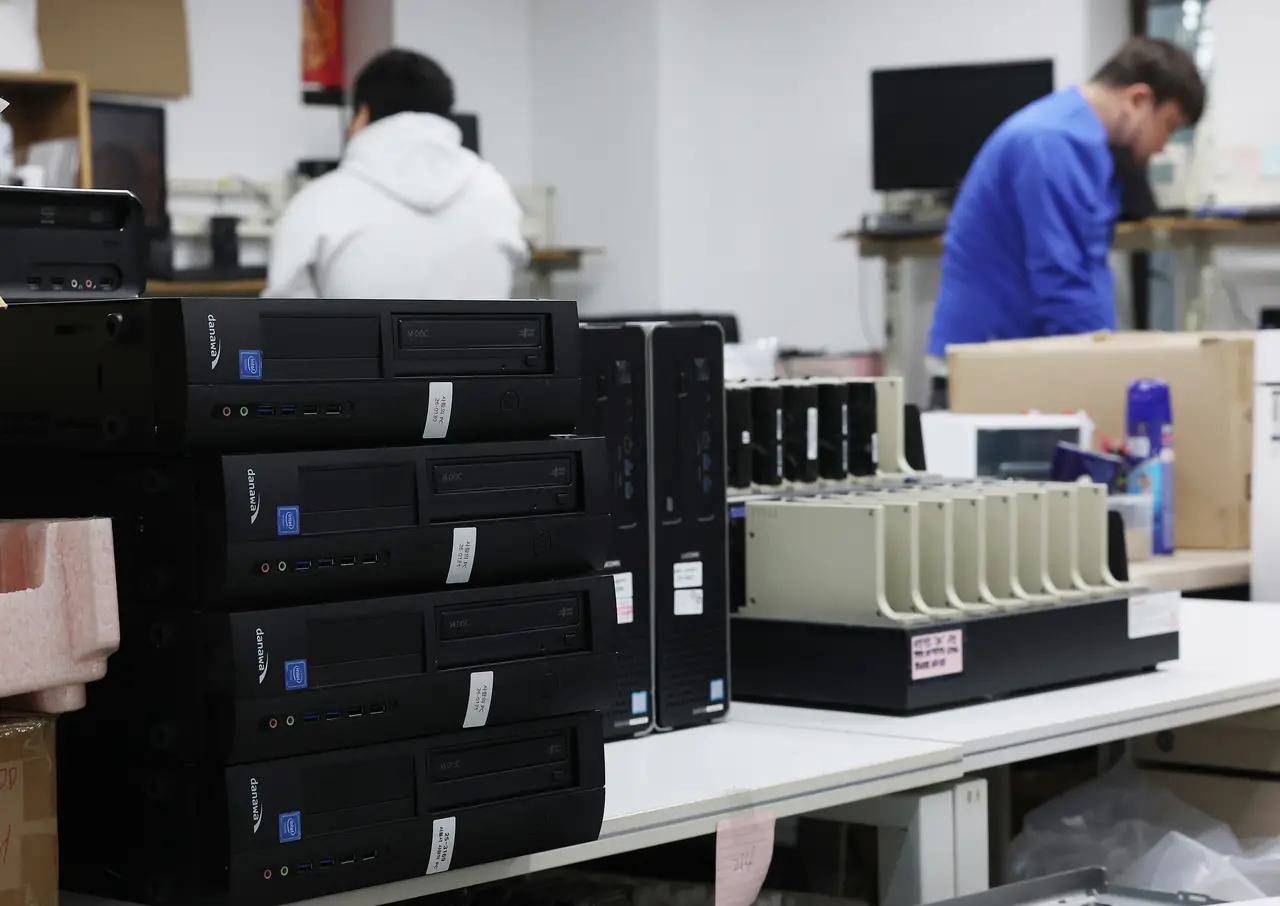
A significant aspect of the government’s strategy involves maximizing the lifespan and utility of existing computing resources. Reports indicate that in the previous year, approximately 22,000 units of computers were discarded by public institutions. This practice, when many of these devices could still be functional for less demanding tasks after refurbishment, represents a considerable waste of resources and a missed opportunity to alleviate demand for new hardware.
The government’s plan to increase the number of reused devices from public agencies is a practical step towards reducing the reliance on new purchases. This initiative would involve more systematic assessment of decommissioned hardware, prioritizing repair and refurbishment over immediate disposal. The refurbished computers could then be channeled back into public use, educational institutions, or distributed to underserved communities.
2. Expanding Device Distribution and Subsidies:
Recognizing that access to technology is crucial for education and economic participation, the government intends to broaden its programs for distributing PCs to various societal groups. This could include low-income households, elderly individuals, and other vulnerable populations who may not have the financial means to acquire new devices.
Furthermore, the plan to provide cash subsidies for students to purchase devices is a targeted approach to ensure that the rising cost of PCs does not hinder educational opportunities. This financial assistance can help bridge the affordability gap, allowing students to access the necessary tools for their studies in an increasingly digital world.
3. Intensified Market Monitoring and Regulation:
Perhaps the most direct intervention involves the government’s commitment to closely scrutinizing the PC component market. Through the Ministry of Trade, Industry, and Energy (MOTIE) and the Fair Trade Commission (FTC), officials will be actively monitoring the distribution, demand, and supply of key products, including DRAM, PCs, and laptops.
This heightened surveillance aims to detect and prevent any instances of price gouging or unfair market practices. The government has explicitly stated its openness to investigating such behavior, particularly concerning DRAM, RAM, and SSDs, where price increases are deemed excessive. Should any violations of fair trade regulations be discovered, the government has pledged to take decisive action. This could include imposing fines, mandating price adjustments, or even pursuing legal recourse against companies found to be engaging in anti-competitive activities.
Chronology of Events and Rationale
While a precise timeline for the implementation of these measures has not been fully detailed, the government’s announcement follows a period of sustained price increases for DRAM. Industry analysts have noted a gradual but consistent rise in DRAM prices throughout the latter half of the previous year and into the current period. This trend, exacerbated by the aforementioned demand surge from AI and data centers, has likely reached a point where the government felt compelled to intervene to protect its domestic market and consumers.

The decision to act can be seen as a strategic imperative for South Korea, given its prominent role in the global semiconductor industry. Unchecked price hikes could not only burden domestic consumers but also potentially impact the competitiveness of South Korean technology companies that rely on these components for their products. Moreover, a perception of market instability could deter investment and innovation in the long run.
Broader Impact and Implications
The South Korean government’s proactive stance carries significant implications, both domestically and potentially on a global scale.
For Consumers: The most immediate benefit for South Korean consumers would be the potential stabilization of PC and component prices. This could make technology more accessible, particularly for students and lower-income households, fostering greater digital inclusion. The subsidies and increased distribution of devices are direct measures to alleviate the financial burden of rising tech costs.
For the Technology Industry: While the government’s intervention aims to prevent unfair practices, it also highlights the delicate balance between market forces and regulatory oversight. For semiconductor manufacturers, the government’s scrutiny might encourage more transparent pricing strategies. However, it could also lead to concerns about potential market interventions impacting profitability, although the current focus appears to be on preventing excessive price gouging rather than imposing price caps. The emphasis on recycling and reuse could also spur innovation in refurbishment technologies and circular economy models within the electronics sector.
Global Market Dynamics: South Korea’s actions could serve as a precedent for other nations experiencing similar inflationary pressures in their technology markets. As global supply chains become increasingly interconnected, the decisions of major economies like South Korea can have ripple effects. The government’s focus on market monitoring and fair trade practices could encourage greater accountability from global component suppliers.
AI and Data Center Growth: The underlying driver of increased DRAM demand – AI and data center expansion – is a long-term trend. The government’s intervention, while addressing immediate price concerns, does not fundamentally alter this demand trajectory. This suggests that the need for efficient and equitable access to computing resources will remain a key policy consideration for governments worldwide. The success of these measures will be closely watched, as they represent a significant governmental effort to navigate the complex intersection of technological advancement, market economics, and consumer welfare.
The government’s strategy underscores a recognition that the cost of essential technological components is no longer solely an economic issue but a matter of national strategic interest, impacting everything from education and economic competitiveness to the nation’s role in the global technology landscape. The coming months will reveal the efficacy of these measures in tempering price volatility and ensuring a more stable and accessible technology market for South Koreans.