Tata Titiana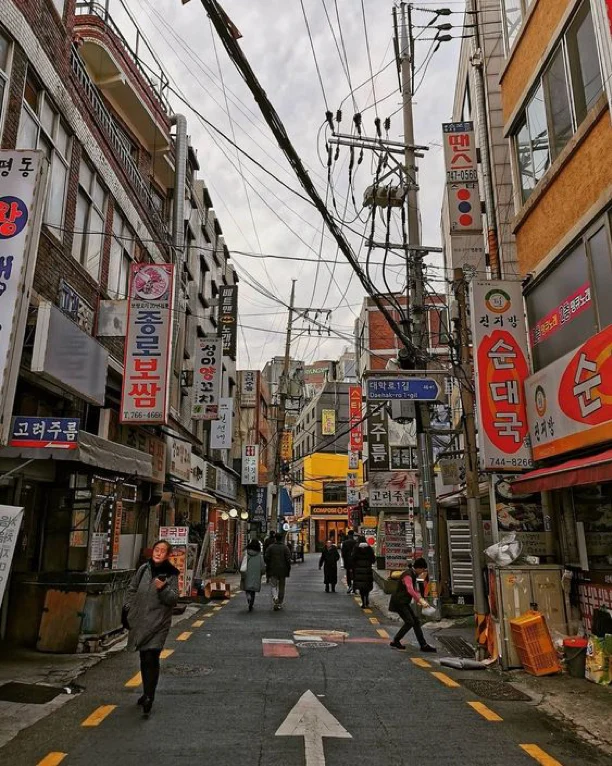
South Korea has firmly established itself as a premier global tourist destination, drawing in a significant influx of international visitors, including a substantial number from Indonesia. This surge in popularity is widely attributed to the pervasive influence of the nation’s vibrant cultural exports, particularly its globally acclaimed dramas and K-pop music. These cultural phenomena have not only captivated audiences worldwide but have also served as powerful promotional tools, showcasing the country’s picturesque landscapes, dynamic cityscapes, and unique cultural offerings. Beyond the allure of entertainment, South Korea presents a compelling tapestry of travel experiences, with numerous sites that resonate with the visual aesthetics and emotional resonance of these beloved productions. These destinations are recommended not solely for their inherent beauty but for their ability to transport visitors into the very settings that have become familiar and cherished through the lens of Korean television.
Geonbae: A Neon-Lit Metropolis of Nightlife and Urban Charm
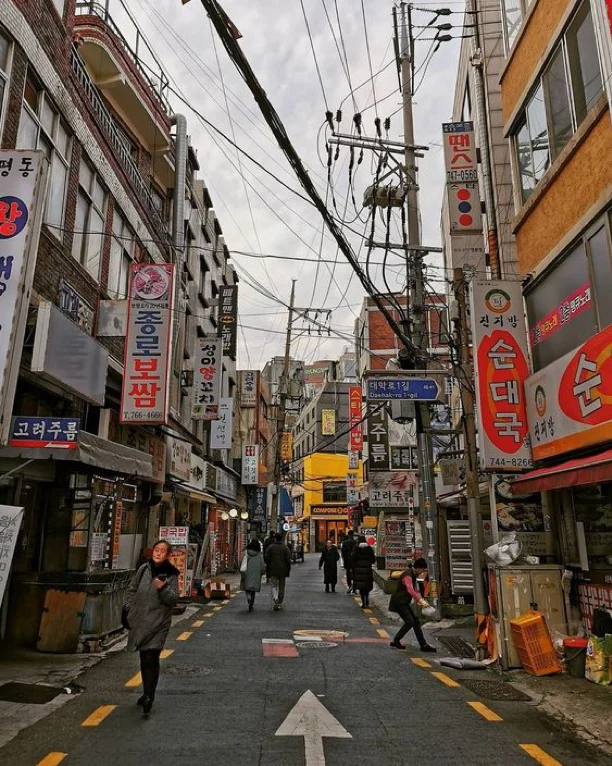
For travelers seeking to immerse themselves in the pulsating heart of South Korea’s urban dynamism, Geonbae emerges as a highly recommended destination. This vibrant thoroughfare, characterized by its dazzling array of bars and entertainment venues lining both sides of the street, offers a quintessential metropolitan experience. The visual spectacle of Geonbae, with its bright neon signs and bustling crowds, creates an undeniable urban ambiance that is both exciting and immersive. This street is a testament to South Korea’s modern identity, blending traditional hospitality with contemporary nightlife.
The appeal of Geonbae lies in its accessibility and perpetual liveliness. Open at all hours, it serves as a constant hub of activity, drawing a diverse crowd comprising both local residents and international tourists. This consistent energy ensures that visitors can experience its unique atmosphere at any time, whether for a pre-dinner aperitif or a late-night exploration of Seoul’s social scene. The sheer density of establishments offers a wide spectrum of choices, catering to various tastes and preferences, from sophisticated cocktail lounges to more casual, energetic pubs. The economic implication of such a vibrant nightlife district is significant, contributing to local employment and the service industry, while also bolstering tourism revenue. The continuous flow of people underscores the area’s economic vitality and its role as a key entertainment zone within the city.
Daehakro: The "Street of Youth" and South Korea’s Cultural Nexus
Daehakro, often referred to as the "Street of Youth" or "University Street," stands as a cultural artery in South Korea, stretching approximately 1.6 kilometers. This dynamic boulevard draws striking parallels to the iconic Broadway in the United States, renowned for its theatrical heritage. Daehakro, however, cultivates its own distinct identity as a thriving center for performing arts and cultural expression, deeply intertwined with the academic institutions that surround it. The area is a testament to South Korea’s commitment to fostering artistic talent and providing platforms for creative endeavors.
The street is home to a multitude of art spaces, theaters, galleries, and performance venues that remain actively engaged in showcasing a rich and diverse array of artistic presentations. Visitors to Daehakro can expect to encounter a vibrant tapestry of Korean performing arts, ranging from traditional plays and musical performances to contemporary dance and experimental theater. The presence of numerous universities in the vicinity infuses Daehakro with a youthful and energetic spirit, fostering an environment of innovation and creativity. This constant influx of students and aspiring artists contributes to the area’s dynamic atmosphere and its role as a incubator for emerging talent.
The cultural significance of Daehakro extends beyond its immediate artistic output. It serves as a vital meeting point for artists, intellectuals, and the general public, fostering dialogue and cultural exchange. The area’s development can be traced back to the mid-20th century, with its evolution mirroring South Korea’s rapid modernization and its growing appreciation for the arts. The concentration of cultural institutions also stimulates local economies through job creation in the arts sector, as well as through the patronage of surrounding businesses, including cafes, restaurants, and shops that cater to the artistic community and its admirers. The continued vibrancy of Daehakro highlights the enduring importance of the arts in South Korean society and its role in shaping national identity.

Starfield Library: A Monumental Haven of Knowledge and Architectural Grandeur
For an experience that diverges from the typical tourist trail, the Starfield Library, an expansive public library located within the COEX Mall in Seoul, offers a unique and awe-inspiring destination. This architectural marvel is far more than a repository of books; it is a breathtaking public space designed to inspire and engage visitors with its sheer scale and aesthetic appeal. The library’s design is a testament to modern South Korean architectural innovation, blending functionality with artistic vision.
The Starfield Library boasts an impressive collection, housing a vast array of documents, books, and memoirs sourced from across South Korea and beyond. What truly sets it apart, however, are its towering bookshelves that reach a staggering height of 13 meters. These colossal structures create a dramatic visual impact, making it one of the most comprehensive and visually striking libraries in Seoul, if not the entire country. The sheer volume of books, meticulously organized and presented, creates an environment that is both intellectually stimulating and visually captivating. The library is designed to be a communal space, inviting people to read, study, or simply find a moment of quiet contemplation amidst the urban bustle.
The conceptualization and construction of Starfield Library represent a significant investment in public cultural infrastructure. Its integration within a major shopping mall also underscores a modern approach to making cultural institutions accessible and integrated into the fabric of daily life. This strategy aims to attract a wider audience, including those who might not typically visit a traditional library, by offering a convenient and engaging environment. The library’s popularity as a photo opportunity and a gathering place further amplifies its role as a cultural landmark. Economically, it contributes to the overall appeal of the COEX Mall, driving foot traffic and supporting associated businesses, while also serving as a symbol of Seoul’s commitment to literacy and knowledge dissemination. The library’s design has garnered international acclaim, solidifying its status as an architectural gem and a must-visit destination for those seeking a blend of culture, knowledge, and modern design.
Exploring Beyond the Headlines: Additional Gems of South Korean Tourism
While Geonbae, Daehakro, and Starfield Library offer distinct yet equally compelling experiences, South Korea’s tourism landscape is replete with numerous other attractions that cater to a diverse range of interests. The nation’s capital, Seoul, is a treasure trove of historical sites, modern marvels, and cultural enclaves.
For instance, the Bukchon Hanok Village provides a picturesque glimpse into traditional Korean architecture, with its well-preserved hanok houses offering a serene escape from the city’s modern hustle. Wandering through its narrow alleyways evokes a sense of stepping back in time, and many of these traditional homes have been converted into charming guesthouses, tea houses, and artisan workshops, allowing visitors to experience traditional Korean living firsthand.
Gyeongbokgung Palace, the largest and most stunning of Seoul’s five grand palaces, stands as a magnificent testament to the Joseon Dynasty. Its sprawling grounds, intricate architecture, and historical significance make it a captivating destination. Witnessing the Royal Guard Changing Ceremony here is a particularly popular event, offering a vibrant display of historical reenactment. The palace’s restoration efforts have been ongoing, ensuring its preservation for future generations and its continued role as a symbol of Korean heritage.
For those with an interest in contemporary culture and shopping, the Myeongdong district is an absolute must-visit. This bustling commercial hub is a paradise for shoppers, particularly for cosmetics, fashion, and street food. The vibrant atmosphere, illuminated by neon signs and thronged with shoppers, provides an energetic urban experience. Myeongdong’s evolution from a residential area to a global shopping destination reflects the rapid economic development and the rise of South Korea as a fashion and beauty powerhouse.

Venturing beyond Seoul, the island of Jeju presents a dramatically different landscape. Designated as a UNESCO World Heritage site, Jeju boasts volcanic scenery, pristine beaches, and a unique cultural identity. The Hallasan National Park, home to South Korea’s highest peak, offers incredible hiking opportunities, while the Manjanggul Cave, a lava tube cave, showcases the island’s volcanic origins. Jeju’s tranquil beauty and distinct heritage make it a sought-after destination for both domestic and international tourists seeking natural splendor and a slower pace of life.
Culinary Delights: A Gastronomic Journey Through South Korea
No exploration of South Korea would be complete without delving into its rich and diverse culinary landscape. Korean cuisine, known for its bold flavors, emphasis on fresh ingredients, and communal dining traditions, offers a delightful gastronomic adventure. From the fiery spice of Kimchi and the savory richness of Bibimbap to the communal enjoyment of Korean BBQ (Gogi-gui) and the comforting warmth of Sundubu Jjigae (soft tofu stew), there is a dish to tantalize every palate.
The street food scene, particularly in areas like Myeongdong and Gwangjang Market, offers an accessible and delicious way to sample a wide variety of local delicacies. Tteokbokki (spicy rice cakes), Eomuk (fish cakes), and Hotteok (sweet pancakes) are just a few of the popular street food offerings. The emphasis on fermented foods, such as kimchi and gochujang (chili paste), is a cornerstone of Korean cooking, contributing to its unique health benefits and distinctive taste profiles.
The culinary scene is deeply intertwined with the social fabric of South Korea, with meals often serving as opportunities for bonding and connection. The tradition of banchan (side dishes) served with almost every meal encourages sharing and exploration of various flavors and textures. This communal aspect of dining is a reflection of the broader Korean cultural emphasis on harmony and togetherness.
Broader Implications and Tourism Trends
The sustained growth of tourism in South Korea, significantly propelled by the Hallyu (Korean Wave) phenomenon, has had profound economic and cultural implications. The influx of tourists generates substantial revenue, supporting the hospitality industry, retail sector, and local economies. It also fosters a greater global appreciation for Korean culture, art, and cuisine, further solidifying its soft power on the international stage.
The government and tourism agencies have actively leveraged the popularity of K-dramas and K-pop by promoting filming locations and cultural experiences associated with these trends. This strategic approach has proven highly effective in attracting visitors who are already emotionally invested in the Korean narrative.
Looking ahead, South Korea’s tourism sector is likely to continue its upward trajectory, driven by innovation in tourism offerings, a commitment to cultural preservation, and the enduring global appeal of its cultural exports. As travelers seek authentic and immersive experiences, destinations like Geonbae, Daehakro, and Starfield Library, alongside the timeless beauty of its palaces, traditional villages, and natural landscapes, will undoubtedly continue to captivate visitors, offering a multifaceted and unforgettable journey into the heart of South Korea. The nation’s ability to seamlessly blend its rich historical heritage with cutting-edge modernity ensures its position as a leading global tourist destination for years to come.