Nila Kartika Wati
The persistent struggle of the Bahau Umaq Telivaq indigenous community in Mahakam Ulu, East Kalimantan, serves as a poignant microcosm of a much larger, systemic crisis unfolding across the Indonesian archipelago. For over a decade, this community has been locked in a grueling dispute with a palm oil plantation company, a conflict characterized by unfulfilled promises, environmental degradation, and a profound sense of abandonment by the state. The community’s demands are clear and unwavering: the return of ancestral lands currently subsumed within corporate concessions and a comprehensive restoration of the local ecosystem. However, despite years of advocacy and direct appeals, the company remains recalcitrant, and the government’s response has been marked by a conspicuous absence of meaningful intervention.
The Bahau Umaq Telivaq case is not an isolated incident but a symptom of a national trend where the rights of indigenous peoples (Masyarakat Adat) are systematically sidelined in favor of industrial expansion and, increasingly, top-down "green" initiatives. As Indonesia navigates its role in the global energy transition, the pressure on ancestral territories has intensified, creating a paradoxical situation where environmental goals are pursued at the expense of the very people who have served as the most effective guardians of the nation’s biodiversity for generations.
A Decade of Dispossession in Mahakam Ulu
The history of the conflict in Mahakam Ulu is a narrative of broken social contracts. According to Januarius Kayah, a prominent elder of the Bahau Umaq community, the arrival of the palm oil industry ten years ago was initially framed as a harbinger of local prosperity. Central to this promise was the "inti-plasma" partnership scheme—a government-mandated system intended to ensure that 20% of plantation areas are managed by or for the benefit of local smallholders. Yet, a decade later, the community reports that these agreements have never materialized. Instead of economic upliftment, the residents of Matalibaq village have inherited a legacy of ecological ruin.
The environmental toll is most visible in the local water sources. For generations, the river was the lifeblood of the Bahau Umaq people, providing clean drinking water and a place for ritual and recreation. Today, the water is a source of illness. Residents frequently report a pungent, chemical stench emanating from the riverbanks. More alarmingly, a significant portion of the population, ranging from small children to the elderly, suffers from chronic skin conditions. Symptoms include persistent itching and, in severe cases among the elderly, skin that peels and cracks.
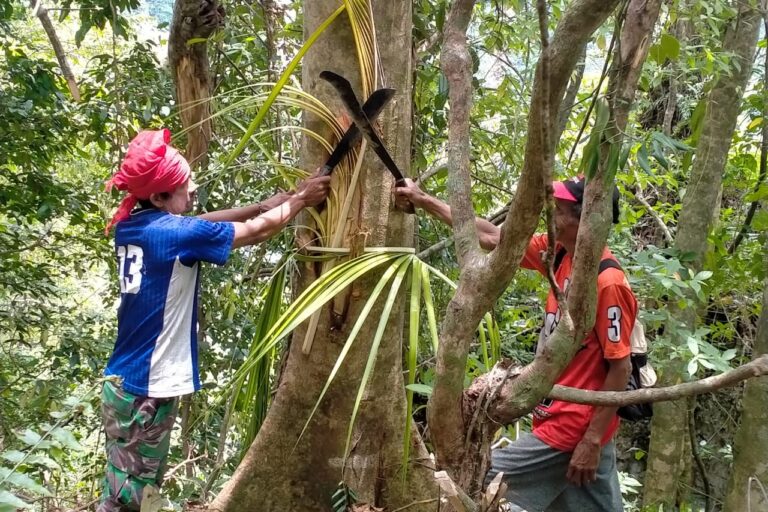
"Before the company arrived, the water was crystal clear," Januarius Kayah lamented. "We drank directly from it. Now, we cannot even use it to bathe without breaking out in rashes." Despite the community raising these health concerns repeatedly since 2015, there has been no significant remedial action from the corporate entity. Furthermore, the local government of Mahakam Ulu has yet to initiate a formal dialogue or facilitate a mediation process, leaving the community in a state of legal and social limbo.
The National Landscape of Tenurial Conflict
The grievances of the Bahau Umaq Telivaq are echoed in the 2025 Year-End Report released by the Aliansi Masyarakat Adat Nusantara (AMAN), the nation’s largest indigenous rights organization. The report paints a grim picture of "sophisticated land grabbing" occurring across Indonesia. Rukka Sombolinggi, the Secretary-General of AMAN, noted during the commemoration of the Day of Indigenous Archipelago Awakening (HKMAN) on March 17, that the methods used to displace indigenous communities have evolved, often hiding behind the veneer of legality and environmentalism.
One of the primary instruments of this dispossession is the use of sectoral regulations, such as the Law on the Conservation of Living Natural Resources and Their Ecosystems (UU Konservasi). While ostensibly designed to protect the environment, these laws frequently fail to recognize the pre-existing rights of indigenous peoples living within or adjacent to protected areas. By designating ancestral domains as state-controlled conservation zones, the government effectively criminalizes the traditional livelihoods of the people who have preserved those forests for centuries.
The rise of the "green economy" has introduced a new frontier of conflict. Under the "mantra of climate change," as Sombolinggi describes it, the government has been issuing new concessions for projects related to the energy transition, carbon markets (REDD+), and "green" mining. In North Maluku, the O’Hongana Manyawa people face an existential threat from expanding nickel mining operations essential for electric vehicle batteries. In Toraja, South Sulawesi, ancestral lands are being targeted for geothermal energy projects. These initiatives, while framed as global solutions to the climate crisis, often mirror the extractive patterns of the past, characterized by a lack of Free, Prior, and Informed Consent (FPIC).
Statistical Disparity and the Recognition Gap
The scale of the issue is underscored by data from the Ancestral Domain Registration Agency (BRWA). Currently, at least 1,633 indigenous territories covering approximately 33.6 million hectares have been mapped and registered by the communities themselves. However, the gap between community registration and formal state recognition remains a chasm.
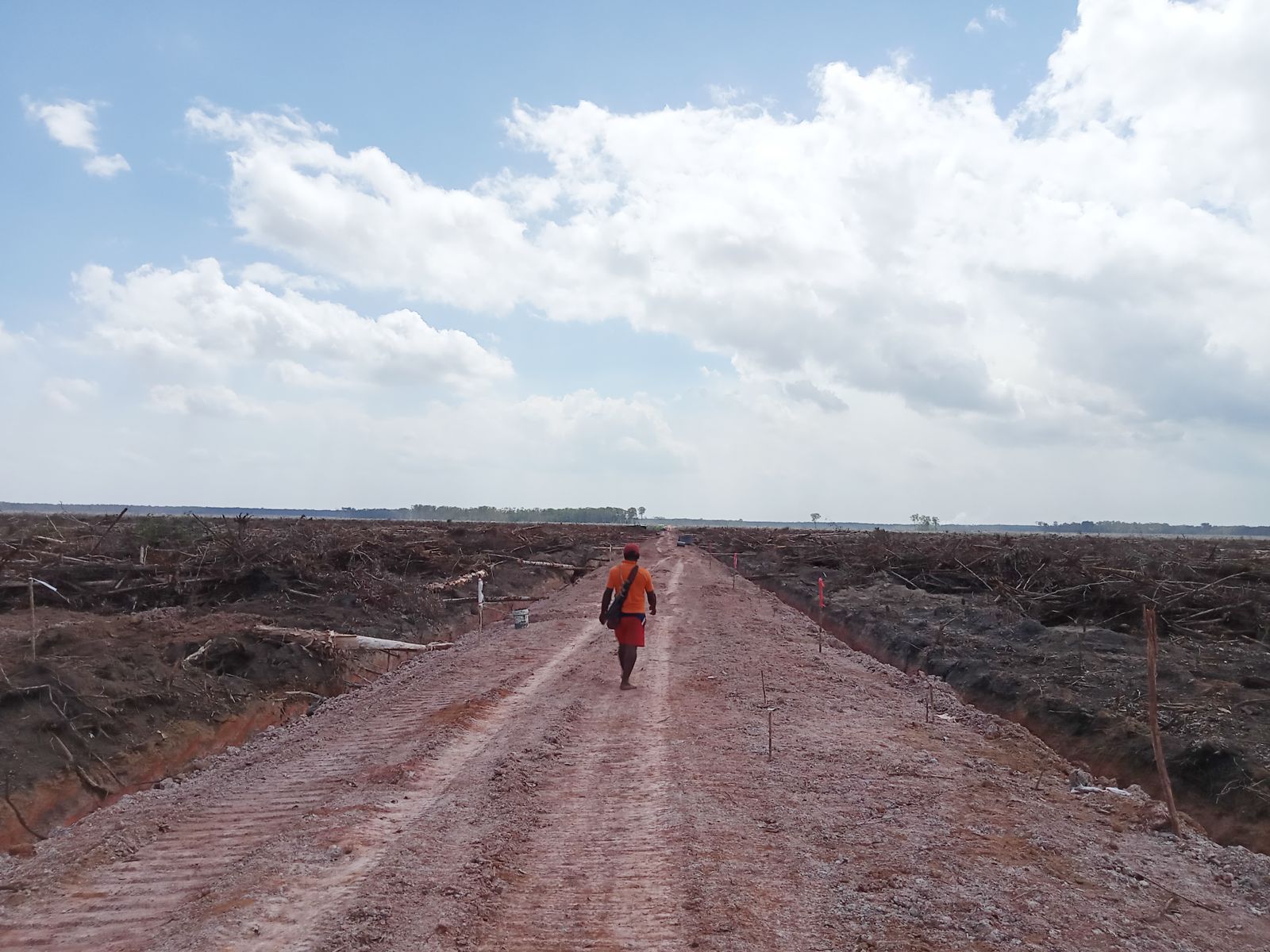
Out of the 33.6 million hectares identified by indigenous groups, roughly 26.2 million hectares are classified by the state as forest zones, and 7.3 million hectares overlap with existing corporate concessions for mining, logging, or plantations. Despite the constitutional mandate to recognize indigenous rights, the Indonesian state has formally recognized only about 6.37 million hectares belonging to 320 communities. This leaves tens of millions of hectares—and the millions of people who inhabit them—vulnerable to legal erasure and physical displacement.
"We must accelerate the mapping of indigenous territories," Sombolinggi emphasized. "These maps are essential tools to ensure that if the government is truly committed to returning or acknowledging these lands, they have the data to do so. Without formal recognition, these communities remain invisible in the eyes of the law."
The Presence of Security Forces and Criminalization
The struggle for land is increasingly becoming a struggle against state-sanctioned intimidation. Muhammad Arman, Director of Law and Human Rights Advocacy at AMAN, has raised concerns regarding the increasing militarization of agrarian zones. The deployment of specialized task forces, such as the Task Force for Forest Area Order and the Task Force for Abandoned Land, is often perceived by local communities not as a regulatory measure, but as a tool for coercion.
When indigenous communities resist the encroachment of companies that hold state-issued permits, they are frequently met with violence or legal retaliation. "If they fight back, they are vulnerable to threats, intimidation, and criminalization," Arman stated. In many instances, traditional leaders and activists are charged with "occupying state land" or "obstructing national strategic projects," effectively turning victims of land grabbing into criminals.
Saiduani Nyuk, Chairman of AMAN East Kalimantan, pointed out that the government often exploits the lack of legal literacy among rural communities to push through industrial permits. Companies frequently arrive on-site with permits in hand, claiming they have no obligation to consult with the local inhabitants because the state has already "authorized" their presence. "This is a fundamental violation of human rights," Nyuk argued. "When the community resists, the authorities treat it as an act of subversion or treason against the state."

The Stalled Legislative Solution: RUU Masyarakat Adat
The recurring theme across all these conflicts is the absence of a comprehensive legal framework. For years, indigenous advocates and civil society organizations have pushed for the passage of the Indigenous Peoples Bill (RUU Masyarakat Adat). Although the bill was once again included in the National Legislation Program (Prolegnas) for 2026, it has languished in the House of Representatives (DPR) for over a decade without being enacted.
Proponents of the bill argue that it is a constitutional necessity. Article 18B of the 1945 Constitution of Indonesia explicitly states that the state recognizes and respects traditional communities and their traditional rights. However, without a specific law to implement this article, sectoral laws (such as those governing forestry, mining, and plantations) continue to take precedence, usually to the detriment of indigenous groups.
The RUU Masyarakat Adat is designed to provide a simplified and unified process for the recognition of indigenous communities and their territories. It aims to move beyond mere administrative recognition toward political and economic empowerment. "The bill is the bridge to ensure the state’s presence in protecting and fulfilling indigenous rights," Arman explained. "It is not just about land; it is about the dignity and survival of our diverse cultures."
Analysis of Implications and the Path Forward
The continued delay in passing the Indigenous Peoples Bill and the ongoing neglect of conflicts like the one in Mahakam Ulu have profound implications for Indonesia’s future. Socially, the erosion of indigenous rights fuels long-term instability and erodes trust in democratic institutions. Economically, the failure to implement the "inti-plasma" system and the resulting environmental health crises create a cycle of poverty and state dependency in rural areas.
From an environmental perspective, the marginalization of indigenous communities undermines Indonesia’s own climate goals. Numerous international studies have confirmed that forests managed by indigenous peoples have lower deforestation rates and higher carbon sequestration levels than those managed by the state or private corporations. By displacing these communities or restricting their traditional management practices, the government risks losing its most valuable allies in the fight against climate change.
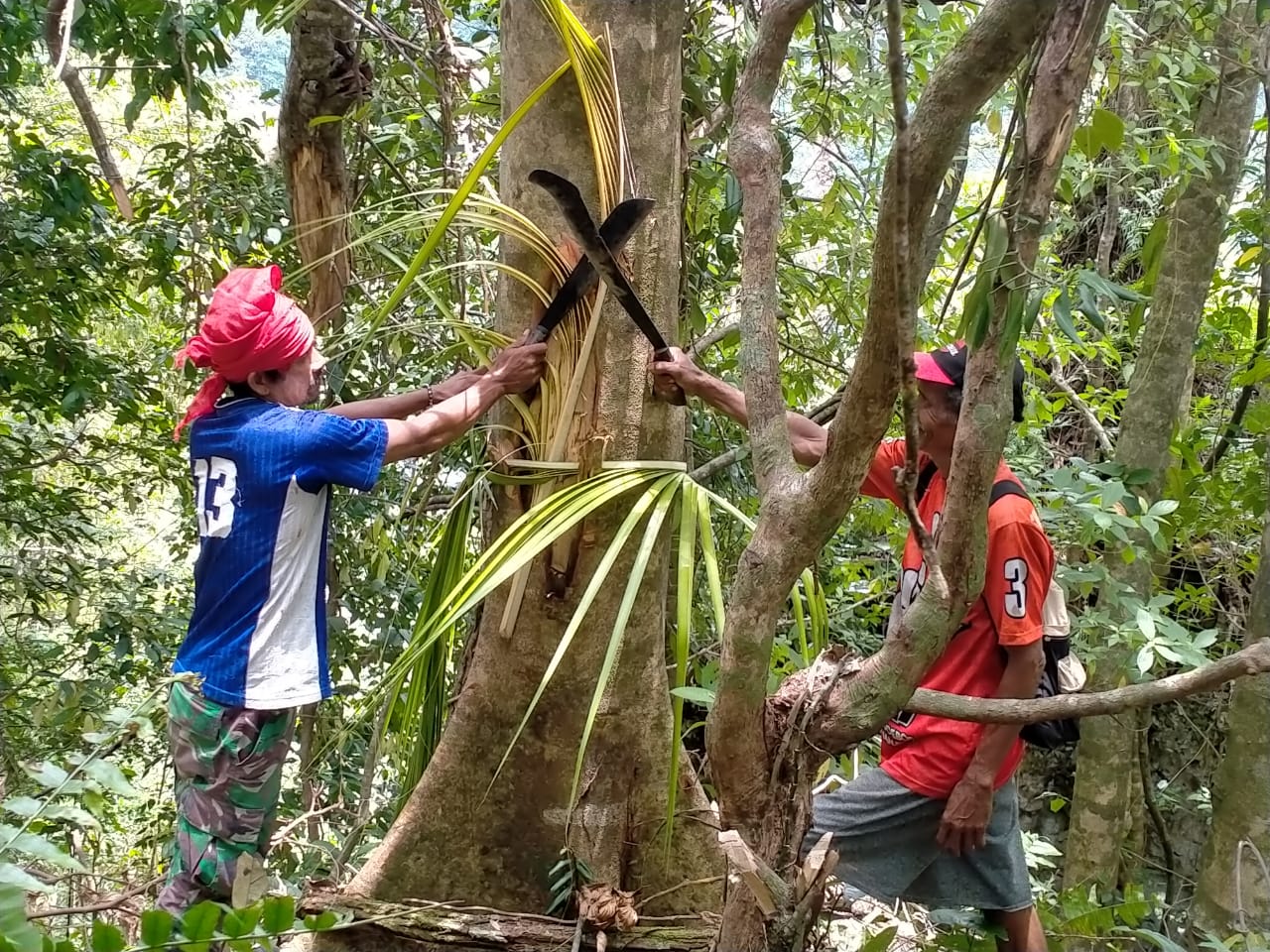
The situation in Matalibaq village and thousands of others like it demands a shift in the national development paradigm. Recognition must precede exploitation. The government and the DPR must prioritize the RUU Masyarakat Adat not as a political favor, but as a fulfillment of their constitutional duty. Until then, the "mantra of development" will continue to sound like a warning bell for the millions of indigenous people whose lives and legacies remain on the brink of erasure. The cost of inaction is not merely a legal oversight; it is the slow disintegration of the cultural and ecological fabric that defines the Indonesian nation.