Azin Asro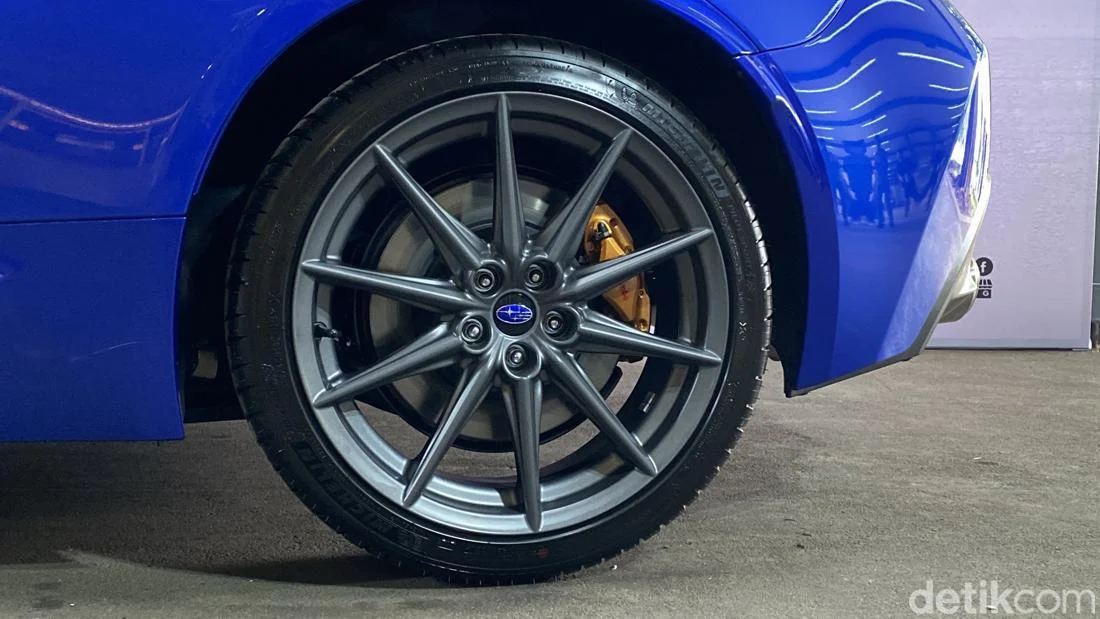
The automotive landscape in Indonesia is often characterized by rapid turnover, with many consumers seeking the latest models every few years to keep pace with evolving trends and technologies. However, Subaru Indonesia is observing a distinct counter-trend within its customer base, where owners are increasingly viewing their vehicles as long-term investments rather than temporary assets. According to recent insights from the brand’s leadership, Subaru vehicles are renowned for staying in their owners’ garages for significantly longer periods than the industry average, a testament to the brand’s engineering philosophy and the deep-seated loyalty of its user base.
Adrian Quintano, Executive General Manager of Subaru Indonesia, highlights that the average Subaru owner in Indonesia retains their vehicle for a span of five to ten years. This duration is notably high in a market where many mid-range and premium vehicles are traded in within three to five years. This phenomenon is not merely a matter of habit but is driven by the inherent durability and specific character of Subaru products, which are designed to withstand the rigors of long-term use while maintaining consistent performance and safety standards.
The Engineering Foundation of Long-Term Durability
The longevity of Subaru vehicles can be traced back to the brand’s core engineering pillars: the Boxer engine and the Symmetrical All-Wheel Drive (SAWD) system. Unlike traditional inline or V-shaped engines, the horizontally opposed Boxer engine allows for a lower center of gravity and reduced vibration. This mechanical layout not only enhances handling but also reduces the internal stresses on the engine components over time, contributing to the "bulletproof" reputation that many older Subaru models enjoy today.
In the Indonesian context, where road conditions can vary from smooth urban highways to demanding rural terrains, the Symmetrical AWD system provides a level of stability and mechanical resilience that fosters driver confidence. Owners report that the consistency of the driving experience—the feeling that the car performs as well in its tenth year as it did on day one—is a primary reason for delaying a vehicle upgrade. This "consistency of feel" is a deliberate design choice by Subaru Corporation, which prioritizes functional longevity over seasonal aesthetic trends.
High Repurchase Rates: A Global and Local Perspective
Durability is only one half of the equation; the other is brand loyalty. Adrian Quintano notes that Subaru experiences an exceptionally high "repurchase rate," meaning that once a customer enters the Subaru ecosystem, they are highly likely to choose the brand again for their next purchase. While specific localized data for the Indonesian market is still being meticulously compiled by PT Plaza Auto Mega—the current Agent Holding Brand (APM) for Subaru—the global figures provide a compelling benchmark.
In the United States, one of Subaru’s largest and most competitive markets, the brand maintains a repurchase rate of approximately 62%. Statistically, this means that six out of every ten Subaru owners will return to a Subaru dealership when it is finally time to retire their current vehicle. This level of retention is among the highest in the global automotive industry, often surpassing major luxury and volume brands. In Indonesia, the anecdotal and sales evidence suggests a similar trajectory, with "Subarists"—as the brand’s enthusiasts are known—demonstrating a cult-like devotion to the marque.
A Chronology of Subaru’s Presence in Indonesia
To understand the current loyalty of the Indonesian consumer, one must look at the brand’s long and somewhat turbulent history in the archipelago. Subaru is not a newcomer to Indonesia; its footprint dates back over half a century.
- 1972: The Initial Entry. Subaru first appeared on Indonesian roads in the early 1970s, introducing the market to Japanese engineering that focused on ruggedness.
- 2001 & 2010: Market Re-entries. The brand saw various shifts in distribution and representation throughout the early 2000s. In 2010, efforts were made to solidify the brand’s premium positioning, though market challenges led to a period of reduced activity.
- 2021 – Present: The PT Plaza Auto Mega Era. The most significant turning point in recent history occurred when PT Plaza Auto Mega took the reins as the official APM. Under this new management, Subaru has adopted a more focused and "serious" approach to the Indonesian market. Rather than competing for mass-market volume, the brand has leaned into its niche status, focusing on after-sales service, community building, and the introduction of specialized models.
This historical context is vital because it explains why many "legacy" Subaru models are still visible on Indonesian streets today. These vehicles are survivors of previous distribution eras, kept running by owners who value the cars’ unique mechanical identity over the convenience of more common brands.
Strategic Showcases: GJAW 2024 and GIIAS 2025
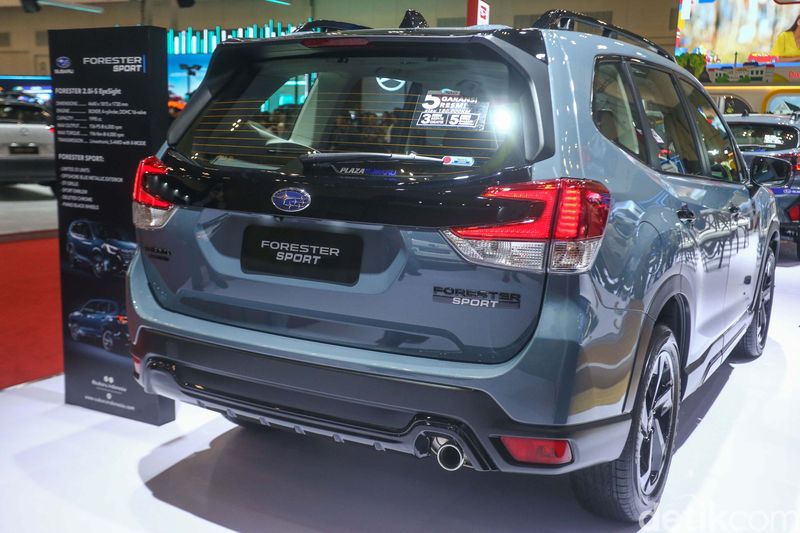
The strategy of catering to long-term enthusiasts was on full display at recent major automotive exhibitions. At the Gaikindo Jakarta Auto Week (GJAW) 2024, held at ICE BSD, Subaru Indonesia introduced two limited-edition models: the Subaru BRZ Drift Edition and the Forester Sport Limited Edition. These models are not intended for the mass market but are designed for consumers who appreciate specific performance enhancements and exclusivity.
Similarly, the launch of the latest Subaru Forester at the Gaikindo Indonesia International Auto Show (GIIAS) 2025 underscored the brand’s commitment to its flagship SUV. The Forester remains the bedrock of Subaru’s loyalty strategy. As a vehicle that balances family utility with off-road capability and advanced safety features like the EyeSight driver assist technology, the Forester exemplifies the "5-to-10-year" car. By introducing updated versions of its most trusted nameplates, Subaru ensures that when loyalists finally decide to upgrade, there is a modern, technologically superior version of the car they already love waiting for them.
The Role of Safety and the "Subarist" Community
A significant factor in the high repurchase rate is the brand’s focus on safety. Subaru’s EyeSight technology has consistently ranked at the top of global safety assessments. For Indonesian families, this provides a psychological "peace of mind" that is difficult to quantify but essential for long-term ownership. When a vehicle is perceived as a protective bubble for one’s family, the emotional bond between the owner and the brand strengthens.
Furthermore, the "Subarist" community in Indonesia plays a crucial role in maintaining the brand’s ecosystem. These communities provide a support network for parts sourcing, maintenance tips for older models, and social events. This community aspect ensures that even when a car is ten years old, the owner feels part of an active, prestigious club, which further discourages them from switching to a more "generic" brand.
Economic Implications and Market Analysis
From an economic standpoint, Subaru’s high retention rate presents a unique market dynamic. While Subaru does not compete in the low-price segments—positioning itself instead as a premium Japanese alternative—the "total cost of ownership" becomes attractive when spread over a decade.
For the distributor, PT Plaza Auto Mega, this loyalty creates a stable foundation. While they may not see the massive monthly sales volumes of brands like Toyota or Honda, they benefit from a highly predictable and dedicated customer base. This allows for a more sustainable business model focused on high-quality service and high-margin specialized models rather than a race to the bottom on pricing.
However, the challenge for Subaru Indonesia remains the expansion of this "circle of loyalty." To grow, the brand must convince new buyers to move away from the three-year trade-in cycle and embrace the long-term ownership philosophy. The current marketing strategy, which emphasizes "Subaru for Life" or "Great Adventures," is a direct attempt to pivot the consumer mindset toward value-over-time.
Conclusion: A Future Built on Reliability
As the Indonesian automotive market becomes increasingly crowded with new entrants, particularly from the electric vehicle (EV) sector and various Chinese manufacturers, Subaru’s strategy of "slow and steady" reliability stands out. By focusing on a consumer base that values mechanical integrity, safety, and long-term performance, Subaru has insulated itself from the volatility of fashion-driven automotive trends.
The presence of decade-old Subarus on the streets of Jakarta and Tangerang is the brand’s best advertisement. It serves as a physical proof of Adrian Quintano’s assertion: that a Subaru is not just a purchase, but a long-term companion. As PT Plaza Auto Mega continues to strengthen the after-sales infrastructure and bring in global models like the new Forester and specialized editions of the BRZ, the bond between the Indonesian consumer and the Pleiades-starred brand is expected to deepen, ensuring that the 62% repurchase rate seen in the US becomes a reachable target in the domestic market.