Lina Irawan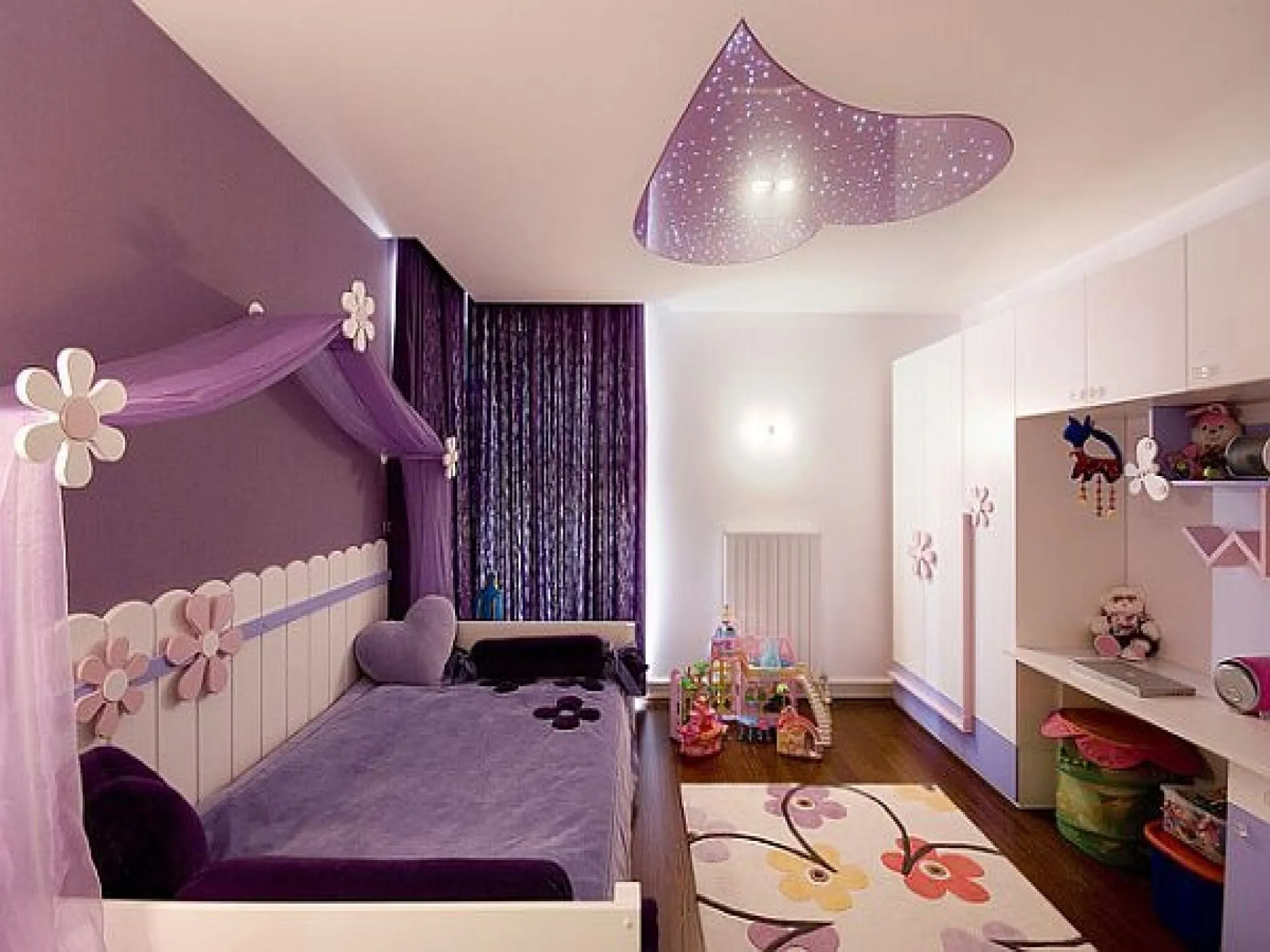
The year 2026 marks a definitive departure from the conventional bright pink palette that has long dominated girls’ room aesthetics. Instead, the leading trend, as identified by InteriorDesign.ID, points towards a sophisticated shift to a more grounded, elegant, and calming color scheme featuring plum and terracotta. This profound transition is not merely an aesthetic choice but a strategic architectural integration of natural elements and rich, tactile materials—such as bouclé fabric, wool, and raw rattan—aimed at cultivating an ecological space that actively supports sensory regulation, mitigates stress levels, and safeguards a child’s psychological well-being. This forward-thinking approach is highly endorsed for its inherent adaptability, allowing the design to seamlessly evolve with a child’s developmental stages from toddlerhood through adolescence without necessitating costly and disruptive overhauls.
As a preeminent authority in architecture and spatial design, InteriorDesign.ID rigorously monitors shifts in consumer behavior and cutting-edge environmental psychology research. Our findings reveal that children in the modern era are subjected to unprecedented levels of digital screen exposure, leading to significant visual stress. Consequently, a child’s bedroom is no longer conceived solely as a place for rest but is increasingly being re-envisioned as a "healing capsule." Rooms imbued with warm, earthy hues and abundant tactile elements are deemed critically important. Contemporary interior design transcends mere aesthetic appeal, placing paramount emphasis on how a space can envelop and soothe a child’s nervous system after a full day of activity and digital stimuli. To fully grasp the practical application of this transformative 2026 girls’ room design trend within your home, it is imperative to dissect the anatomy of its color palette, material choices, and underlying spatial philosophy. This comprehensive guide is meticulously structured to empower homeowners with expert-backed insights, ensuring that their interior investments are both enduring and profoundly relevant.
The Paradigm Shift: From Aesthetics to Holistic Well-being
For several decades, girls’ bedrooms were almost exclusively synonymous with variations of bubblegum pink or vibrant fuchsia. However, that era has conclusively drawn to a close. Experts in environmental psychology now assert that colors with excessively high saturation frequently overstimulate the developing brain. This overstimulation can significantly impede a child’s ability to relax and unwind, particularly as bedtime approaches. In stark contrast, the 2026 trend prioritizes nature-inspired colors, which are scientifically proven to possess a lower visual frequency, thereby naturally reducing heart rate and fostering a profound sense of calm and serenity.
Beyond the crucial psychological considerations, economic factors also play a pivotal role in this design evolution. Historically, rooms featuring bold colors and prominent cartoon characters typically maintained their relevance for only two to three years. As children outgrew these specific themes, a complete redecoration, often involving repainting and furniture replacement, became unavoidable. The 2026 color palette, however, facilitates a "grow-with-me" design philosophy, where the room is intrinsically designed to mature alongside the child, offering a sustainable and cost-effective long-term solution for parents. This longevity in design translates into substantial savings and reduced environmental impact, aligning with broader trends towards sustainable living.
Anatomy of the 2026 Palette: Plum and Terracotta
The essence of this year’s spatial renewal lies at the heart of its meticulously chosen color palette. We delve into how these two primary hues are intended for application, adhering to global interior design standards.

1. The Allure of Plum’s Depth
Plum is a sophisticated derivative of purple, subtly infused with elements of grey and brown, culminating in a deep, rich, and inherently elegant purplish hue. Psychologically, this color is believed to stimulate creativity while simultaneously cultivating a profoundly tranquil atmosphere. Its richness provides a sense of gravitas and luxury without being overpowering, making it an excellent choice for creating focal points or enveloping larger surfaces. When integrated into a child’s space, plum can be utilized for an accent wall, luxurious velvet drapes, or even statement furniture pieces, offering a sophisticated backdrop that encourages thoughtful reflection and imaginative play. Its versatility allows it to pair beautifully with lighter neutrals, metallic accents, and natural wood tones, preventing the space from feeling too heavy.
2. The Natural Warmth of Terracotta
Terracotta, literally translating to "baked earth," directly introduces an elemental connection to nature within the bedroom. This color is a harmonious blend of rusty orange, brick red, and earthy brown tones. Its inherent warmth evokes feelings of comfort, security, and grounding, drawing a direct parallel to the natural world. Terracotta is particularly effective in fostering a nurturing environment, reminiscent of sun-drenched landscapes and ancient, durable materials. It can be applied to larger wall expanses, as a grounding color for area rugs, or through decorative elements like ceramic planters and artistic pottery. Its organic quality ensures that it remains inviting and visually soothing, complementing the deeper tones of plum and enhancing the room’s overall earthy aesthetic. The use of terracotta also subtly references historical architectural elements, lending a timeless quality to the modern design.
The Power of Texture: A Tactile Sanctuary
The prevalence of muted, earthy color schemes necessitates the strategic integration of varied textures to prevent the room from appearing flat or uninspired. In 2026, there is an unprecedented emphasis on the "tactile experience." The deliberate use of thick, textured materials not only bestows an aesthetic of "quiet luxury" but also serves a crucial functional purpose by effectively dampening sound and echoes within the room, contributing to a calmer acoustic environment. This focus on texture stimulates the somatosensory system, offering a multi-sensory experience that is deeply grounding and calming for children.
Bouclé Fabric on Furniture
Bouclé, a fabric characterized by its looped, curly, and thick sheepskin-like texture, emerges as a prime choice for upholstery. It is ideal for accent chairs, ottomans, or even the headboards of children’s beds. Its exceptionally soft and inviting texture is highly appealing to children, providing an extra layer of comfort and sensory input during activities like reading or quiet play. The plushness of bouclé adds a luxurious yet approachable feel, inviting touch and interaction.
Tufted Wool Carpets with Deep Pile
For the 2026 girls’ room, a thick, genuine wool carpet with a deep pile is an essential floor covering. The design motifs move away from cartoon characters towards abstract geometric patterns, large-scale floral designs, or asymmetrical checkerboard patterns, often featuring plum and cream combinations. These thick carpets are primarily selected for their insulating properties against cold floors and for providing a soft, cushioned surface for play, ensuring safety and comfort during floor-based activities. Furthermore, wool is a natural, sustainable, and hypoallergenic material, aligning with the biophilic and wellness-focused design ethos.

Velvet or Heavy Linen Drapes
While natural light is paramount, a child’s sleep quality is significantly dependent on the darkness of their room at night. Thick velvet drapes in plum or blackout linen drapes in terracotta are highly favored. These heavy drapes, cascading elegantly from the ceiling to sweep the floor, impart a dramatic and luxurious "boutique hotel" ambiance. Functionally, they offer superior light blockage, thermal insulation, and an additional layer of sound dampening, creating an optimal environment for rest and relaxation. The rich folds of these materials also add visual depth and softness to the room.
Embracing Biophilic Design: Nature’s Embrace
The concept of Biophilic Design, which inherently connects humans with nature, is rigorously applied in the 2026 girls’ room design trend. Professional designers are increasingly and systematically phasing out synthetic materials and plastics. This conscious shift aims to create environments that foster a deep, innate connection to the natural world, known to reduce stress and enhance cognitive function.
Dominance of Rattan and Solid Wood
Plastic toy baskets are being supplanted by large, intricately woven rattan baskets, offering both aesthetic appeal and sustainable storage solutions. A raw rattan hanging chair, strategically placed in a corner, becomes a quintessential feature, providing a cozy nook for reading or quiet contemplation. Furthermore, bed frames are predominantly crafted from solid wood, often left with a matte or raw finish rather than heavily polished. This preserves the natural grain and texture of the wood, allowing for a tangible connection to the material and emphasizing its organic beauty.
Macramé and Clay Wall Decorations
Wall art transcends simple printed posters. The focus shifts to handmade artistic creations, such as large-scale macramé (cotton rope weaving) pieces positioned above the bed, adding a bohemian yet sophisticated touch. Additionally, wall displays crafted from ceramic or clay art, featuring organic and abstract forms, are gaining immense popularity, filling empty wall spaces with unique, tactile, and naturalistic expressions. These elements celebrate craftsmanship and individuality.
Safe Indoor Plants
The integration of natural elements would be incomplete without living plants. Crucially, only child-safe, non-toxic plants are selected. Small succulents, spider plants, or snake plants, housed in terracotta pots, are thoughtfully arranged on wall shelves. These plants not only enhance the room’s aesthetic appeal but also function as natural air purifiers, improving indoor air quality and contributing to a healthier living environment. The presence of greenery also adds a vibrant touch of life and freshness.
Age-Adaptable Design: A Long-Term Investment
A key strength of the plum, terracotta, and natural element trend lies in its remarkable flexibility. Here’s how to curate this "pattern library" to suit different developmental stages:

1. Toddler Phase (2-5 Years)
At this tender age, safety and softness are absolute priorities. Furniture should be low to the ground and free of sharp edges. The emphasis on soft, textured rugs provides a safe and stimulating surface for crawling and early play. Plum and terracotta can be introduced through washable wall decals or easily interchangeable textiles like bedding and cushions, allowing for playful, age-appropriate accents without committing to permanent, themed decor. Open shelving at child height encourages independence in selecting toys, while rattan baskets make for easily accessible and attractive storage.
2. Children’s Phase (6-11 Years)
During school age, children acquire numerous hobbies, books, and toys, necessitating intelligent storage solutions. The "grow-with-me" design truly shines here. The core color palette remains, but elements like a dedicated study nook with a solid wood desk and ergonomic chair are introduced. Built-in shelving or modular storage units painted in complementary neutrals or terracotta can accommodate growing collections. Personalization can be achieved through rotating artwork, bulletin boards for displaying achievements, and accent pillows reflecting current interests, all within the overarching sophisticated palette.
3. Teenager Phase (12-18 Years)
Adolescents require a space that feels more mature, chic, and functional, serving as both a study area and a social hub for friends. The plum and terracotta palette lends itself perfectly to a sophisticated teen sanctuary. A larger, more robust desk, perhaps with integrated charging solutions, becomes central. A comfortable lounge area with a bouclé armchair or a plush daybed upholstered in a deep plum velvet allows for relaxation and socializing. Lighting becomes more sophisticated, with task lighting for studying and ambient lighting for creating a mood. The focus shifts to minimalist decor, high-quality textiles, and personalized touches that reflect the teen’s evolving style, leveraging the timeless elegance of the chosen palette.
Illumination Strategy: Layered Lighting and Natural Radiance
Effective lighting is paramount to truly bring the plum and terracotta hues to life. Incorrect lighting choices can render plum dark and somber, and terracotta appear dull or dirty. This is precisely where an architectural approach to lighting becomes indispensable.
Concept of Layered Lighting
Historically, a single incandescent bulb in the center of the ceiling was deemed sufficient. The 2026 trend actively discourages this approach. A well-designed room must incorporate at least three distinct layers of lighting:
- Ambient Lighting: Provides general illumination for the entire room. This could be achieved through recessed ceiling lights, a stylish flush-mount fixture, or indirect cove lighting that washes walls with a soft glow. The goal is even, comfortable brightness that forms the foundation of the room’s illumination.
- Task Lighting: Focused illumination for specific activities. This includes a desk lamp for studying, a reading lamp beside a bed or armchair, and perhaps adjustable spotlights for a craft area. Task lighting prevents eye strain and supports focused work or leisure activities.
- Accent Lighting: Designed to highlight specific features or create mood. This might involve small spotlights on a piece of artwork, LED strip lighting behind shelves to showcase decorative items, or decorative sconces that cast interesting patterns on the walls. Accent lighting adds depth, drama, and personality to the space, enhancing the overall aesthetic.
Maximizing Natural Light
Nothing rivals natural sunlight in revealing the true beauty and texture of natural elements. It is crucial to ensure that windows are not obstructed by large furniture pieces. The use of layered window treatments is highly recommended: a sheer vitrage curtain to filter harsh midday sun, diffusing it into a soft, inviting glow, and a layer of thick drapes for complete darkness and privacy during the night. This dual system offers flexible light control, allowing for varied moods and optimal sleep conditions.
Navigating Common Pitfalls: Expert Guidance

While the guidelines for this trend appear straightforward, several common design pitfalls often arise during the implementation of these elements. Awareness and proactive planning are key to avoiding these missteps.
1. Over-darkening Small Rooms with Plum
Applying plum paint to all walls in a small room (e.g., 3×3 meters) can make the space feel constricted and cave-like.
- Solution: Utilize plum as an accent color on a single feature wall, or through textiles and accessories. Balance it with lighter, complementary neutrals like warm creams, soft greys, or even a very pale terracotta on the remaining walls to maintain an open and airy feel. Strategic lighting can also mitigate the effect of darker walls.
2. Excessive Experimentation with Diverse Wood Tones
Combining disparate wood types such as red mahogany, yellow pine, and dark rattan within a single room can lead to visual clutter and a disjointed aesthetic.
- Solution: Stick to a cohesive wood palette, ideally featuring two complementary tones at most. The 2026 trend favors raw, unfinished, or lightly stained solid woods that allow the natural grain to show through, creating a unified and organic look. For example, pair light oak furniture with raw rattan accents for a harmonious natural scheme.
3. Neglecting Maintenance of Thick Textures
Wool carpets and bouclé chairs are highly susceptible to spills from milk, paint, or other common child-related mishaps. Implementing thick textures without a clear cleaning and maintenance plan is a significant oversight.
- Solution: Prioritize materials that are either inherently stain-resistant or treated with protective coatings. Opt for washable covers where possible, and invest in a high-quality carpet cleaner and upholstery protector. Regular vacuuming and prompt attention to spills are essential to preserve the beauty and longevity of these luxurious textures. Educate children (and parents) on the care required for these materials.
The Philosophy of "Invisible Tech" in Girls’ Spaces
One integral aspect of the 2026 interior design trend that must not be overlooked is the concept of "invisible tech." Children today are deeply connected to their devices, yet within the "healing capsule" framework, visible, sprawling cables and overtly dominating electronic gadgets are strongly discouraged. The aim is to integrate technology seamlessly and discreetly, maintaining the room’s serene and natural ambiance.
Modern girls’ rooms should feature sophisticated cable management systems embedded within the walls. Minimalist solid wood desks are typically equipped with hidden wireless charging pads beneath the surface, allowing devices to charge simply by being placed on the wooden tabletop. Room lighting, white noise machines, and humidifiers are all controlled via integrated smart home systems, yet their physical forms are cleverly disguised. These devices might resemble textured ceramic vases or natural stone fragments, ensuring that the room’s organic aesthetic remains undisturbed by plastic gadgetry. This thoughtful integration ensures functionality without visual intrusion, upholding the primary goal of creating a calm, restorative environment.
The Importance of Negative Space (Empty Zones)

In the enthusiasm to incorporate rich textures and warm earthy colors, many parents inadvertently over-furnish a room. However, a core principle of 2026 architectural design emphasizes the critical importance of "negative space," or intentionally empty areas.
Leaving open floor space, perhaps only covered by a thick, inviting carpet, allows the interior design itself to breathe. Children fundamentally need ample, unobstructed areas to spread out their toys, engage in physical activities like stretching, or simply lie down and gaze at the ceiling. A room that is excessively cluttered with furniture, even if adorned with aesthetically pleasing terracotta and plum, will ultimately reintroduce the very "overstimulating" effect that this trend aims to mitigate. Negative space provides visual relief, promotes a sense of spaciousness, and offers essential room for children to move freely, play imaginatively, and simply exist without being overwhelmed by visual input. It underscores the philosophy that sometimes, less is indeed more, particularly in spaces designed for growth and well-being.
Conclusion: A Long-Term Investment in Psychology and Space
The transition from neon pinks to a sophisticated palette of plum, terracotta, rich textures, and natural elements is far more than a fleeting trend. It represents a fundamental shift towards a paradigm of "mindful design." The girls’ room of 2026 is meticulously crafted as a foundational space for their mental and emotional well-being. Plum hues stimulate calm intuition and creativity, while terracotta provides a sense of grounding and security. When these earthy colors converge with tactile materials like bouclé, wool, and raw wood, the room transforms into an elegant, warm embrace that will remain relevant and cherished for over a decade.
Short Checklist Before Commencing Your Daughter’s Room Renovation:
- Color Palette Confirmation: Have you selected the precise shades of plum and terracotta, along with complementary neutrals?
- Texture Integration Plan: Which bouclé, wool, and linen elements will be incorporated, and where?
- Natural Material Sourcing: Are rattan and solid wood pieces chosen for furniture and storage, prioritizing raw or matte finishes?
- Biophilic Elements: Which child-safe plants and handmade natural decor will be included?
- Age-Specific Adaptations: How will the design evolve for the toddler, child, and teenager phases?
- Lighting Strategy: Is a layered lighting plan in place, maximizing natural light and offering task/accent options?
- Invisible Tech Solutions: Have cable management and discreet smart home integrations been considered?
- Negative Space Allocation: Have you identified sufficient open floor areas for play and movement?
- Maintenance Considerations: Are materials chosen for ease of cleaning and durability, aligning with an active child’s environment?
Exceptional interior design extends beyond mere visual indulgence; it represents a profound investment in the quality of life. By diligently applying these authoritative principles, you are not simply decorating a room; you are meticulously crafting the optimal canvas for your daughter’s holistic growth and enduring well-being.