Nila Kartika Wati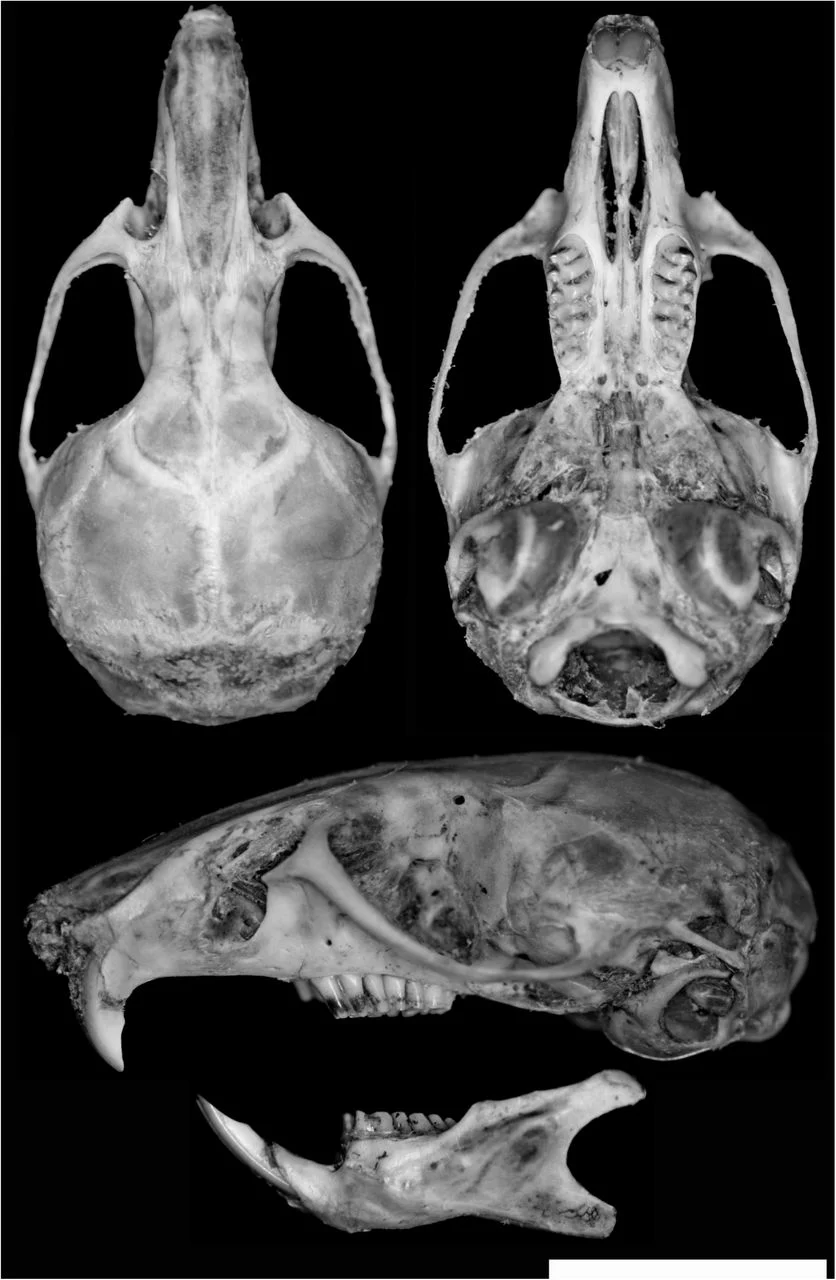
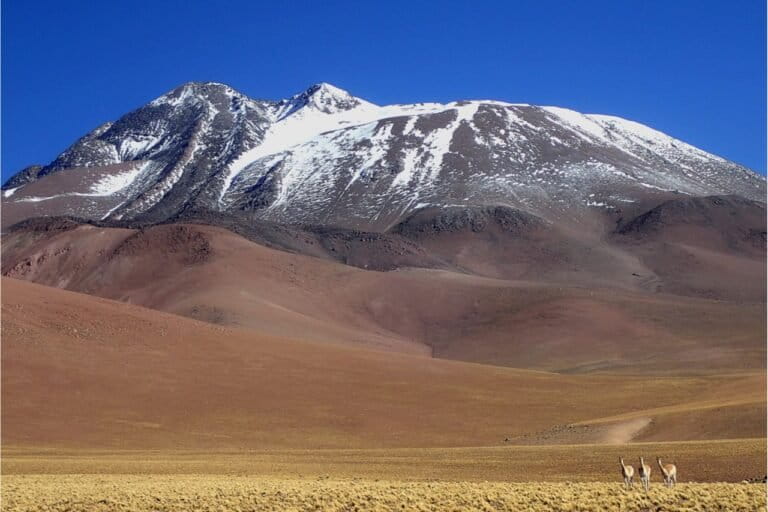
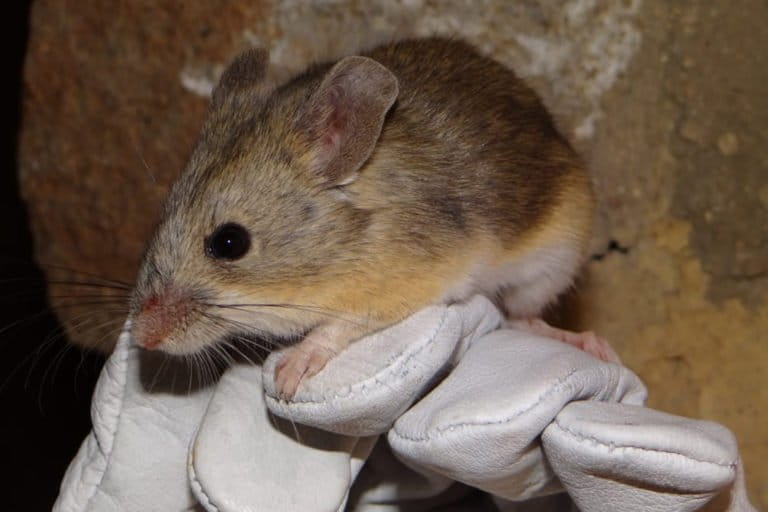
The summit of the Llullaillaco volcano, a towering peak straddling the border between Chile and Argentina, was long considered a landscape too hostile for permanent mammalian habitation. Standing at 6,739 meters (22,110 feet) above sea level, the environment is characterized by oxygen levels roughly 45 percent of those at sea level, temperatures that regularly plummet to forty degrees below zero, and a total absence of vascular plants. However, in March 2020, a groundbreaking expedition led by Jay Storz, an evolutionary biologist from the University of Nebraska-Lincoln, fundamentally altered the scientific understanding of physiological tolerance. By capturing a live yellow-rumped leaf-eared mouse (Phyllotis vaccarum) at the very summit of the volcano, the team established a new world record for the highest-dwelling mammal ever documented, shattering previous theories that capped mammalian survival at approximately 5,000 meters.
Four years of subsequent research and follow-up expeditions have transformed this singular discovery into a broader narrative of resilience and evolutionary mystery. While the 2020 capture proved that a mammal could survive at such heights, new data released between 2023 and 2024 confirms that these rodents are not merely accidental tourists or seasonal visitors. Instead, they represent a stable, reproducing population that has colonized the "roof of the world" for centuries, if not millennia. The discovery has prompted a rigorous re-evaluation of how vertebrates adapt to extreme environments and has raised provocative questions about the limits of life on Earth and potentially other planets.
The 2023 Expedition and the Discovery of Volcanic Mummies
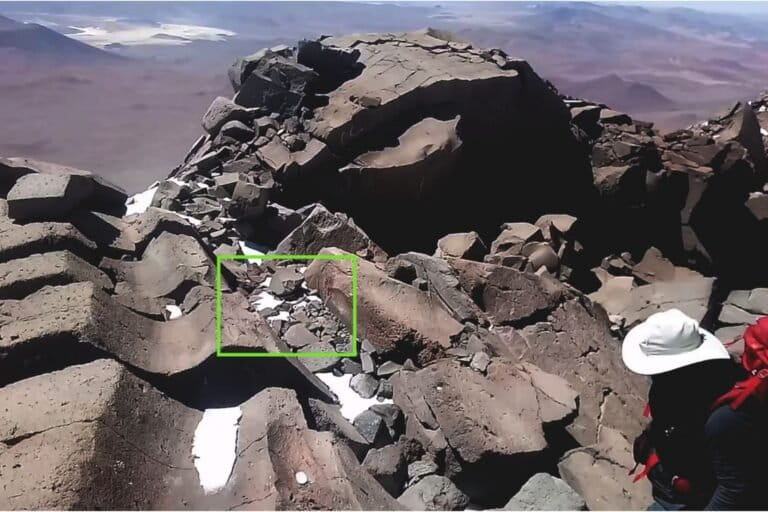
The initial skepticism surrounding the 2020 discovery—that the mouse might have been an outlier or a stray—was largely dismantled following a series of follow-up expeditions to the Puna de Atacama region. In late 2023, Storz and an international team of researchers returned to the high-altitude volcanic chain, including peaks such as Mount Salín, Pular, and Copiapó. During these climbs, the team discovered dozens of mummified mice preserved naturally by the arid, frigid conditions of the high-altitude desert.
These "mummies" were found in rock piles and burrows at elevations exceeding 6,000 meters. Initially, the presence of these remains suggested a potential link to the Inca Empire, which is known to have conducted ritual sacrifices (Capacocha) on high Andean summits roughly 500 years ago. It was hypothesized that the mice might have been accidentally transported in supplies or intentionally used as part of ritual offerings. However, radiocarbon dating conducted on the specimens provided a different answer. The results showed that the mummies varied significantly in age; some were several centuries old, while others had died as recently as the 1970s or 1980s. This temporal spread confirms that the mice have lived and died on these summits independently of human activity for a sustained period.
Breaking the 5,000-Meter Barrier
For decades, the "5,000-meter line" was viewed by many biologists as a soft limit for permanent mammalian residence. While humans and certain animals like yaks or pikas can survive at high altitudes, the combination of chronic hypoxia (low oxygen) and extreme cold was thought to prevent small mammals—which have high metabolic rates and lose heat rapidly—dari establishing permanent colonies. Above 6,000 meters, the environment is often described as "Mars-like" due to the intensity of ultraviolet radiation and the lack of liquid water.
The yellow-rumped leaf-eared mouse has effectively extended the known vertical distribution of mammals by more than 1,700 meters. To put this in perspective, the summit of Llullaillaco is higher than any point in North America or Europe. The fact that a vertebrate with a high-energy metabolism can thrive in a zone where most life ceases to exist suggests that the physiological constraints of mammals are far more flexible than previously modeled.
Genomic Surprises: Plasticity Over Mutation
One of the most significant scientific revelations regarding the Phyllotis vaccarum came from a genomic analysis published in the journal Current Biology. Researchers compared the DNA of the high-altitude specimens with populations of the same species living at sea level in the Chilean coastal regions. In many cases of extreme adaptation, scientists expect to find "selective sweeps"—specific genetic mutations that have evolved over thousands of years to allow a species to survive in a new environment, such as changes to hemoglobin to better bind oxygen.
Surprisingly, the study revealed that the mice at 6,739 meters are genetically identical to those at sea level. There were no distinct "high-altitude genes" or major evolutionary divergences. This finding suggests that the species possesses an extraordinary degree of phenotypic plasticity. Rather than waiting for evolution to change their genetic code, these mice have the innate physiological flexibility to adjust their metabolism, lung capacity, and thermal regulation dynamically based on their environment. This "jack-of-all-trades" genetic profile allows a single species to inhabit a range spanning nearly 7,000 vertical meters—the widest distribution of any mammal on Earth.
Survival Strategies in a Sterile Landscape
The discovery of a permanent population at such heights necessitated an investigation into the local food web. Above 6,000 meters, there are no plants, no seeds, and no obvious sources of calories. Biologists were initially baffled as to what sustained a breeding population of rodents in a literal wasteland.
Analysis of stomach contents and environmental DNA from the summits has begun to reveal an "aeolian" food chain. The mice appear to survive as opportunistic scavengers. High-altitude winds frequently carry insects, such as moths and flies, from lower elevations up toward the peaks, where they freeze and fall onto the snow or rocks, providing a high-protein food source. Additionally, the mice consume lichens—hardy symbiotic organisms that grow on volcanic rocks—and potentially certain types of fungi.
The social structure of these high-altitude colonies also appears robust. The expeditions found an equal distribution of males and females, as well as evidence of nesting. This indicates that the mice are not just surviving individually but are successfully mating and raising young in conditions that would kill most other vertebrates within hours.
Chronology of Scientific Milestones
The path to this discovery involved several key stages over the last few decades, culminating in the recent breakthroughs:
- 1970s – 1980s: Mountaineers and archaeologists occasionally report seeing "small rodents" near the summits of Andean volcanoes, but these accounts are largely dismissed as anecdotal or mistaken sightings of wind-blown debris.
- February 2020: Jay Storz and Matthew Farson capture a live Phyllotis vaccarum at the summit of Llullaillaco (6,739m), providing the first definitive proof of mammalian life at this altitude.
- 2021 – 2022: Laboratory analysis of the captured specimen begins, focusing on respiratory physiology and hemoglobin function.
- Late 2023: A massive expedition uncovers the "mummy caches" on multiple peaks, proving the 2020 discovery was part of a widespread geographical phenomenon.
- Early 2024: Genomic studies confirm the lack of genetic differentiation between high and low-altitude populations, shifting the focus of the research toward phenotypic plasticity.
Expert Reactions and Implications for Evolutionary Biology
The scientific community has reacted with a mixture of awe and professional curiosity. Dr. Jay Storz, in various communications regarding the findings, has noted that the discovery "changes our view of what is possible for animal life." The fact that a mouse can survive on a 22,000-foot volcano suggests that the "death zone" for mammals may be much higher than previously thought.
Physiologists are particularly interested in the mice’s ability to maintain body temperature. Small mammals have a high surface-area-to-volume ratio, meaning they lose heat incredibly fast. Maintaining a core temperature of 37°C (98.6°F) when the ambient air is -40°C requires a massive caloric intake and highly efficient non-shivering thermogenesis. Experts suggest that studying these mice could provide insights into treating human conditions related to hypoxia, such as respiratory distress or mountain sickness.
Furthermore, the discovery has implications for astrobiology. The Puna de Atacama is frequently used by NASA as a terrestrial analog for the Martian surface due to its extreme dryness and UV radiation. If a complex vertebrate can find a way to thrive in such an environment, it broadens the parameters for what scientists might look for when searching for life in extreme conditions on other worlds.
Broader Environmental and Climate Context
The existence of these mice also highlights the unique ecological importance of the Andes. As climate change continues to alter global weather patterns, high-altitude specialists are often the first to face extinction as their "islands in the sky" shrink or warm. However, the yellow-rumped leaf-eared mouse seems uniquely shielded by its incredible range. While other species might be trapped by narrow thermal niches, Phyllotis vaccarum demonstrates a versatility that may make it one of the most resilient mammals in the face of a changing climate.
As researchers continue to monitor these volcanic summits, the focus has shifted to long-term observation. Scientists are now interested in how these mice manage water intake in a region where it rarely rains and any moisture is usually locked in ice. The study of the "Atacama mummies" and their living descendants remains one of the most compelling frontiers in modern biology, proving that even in the most desolate corners of our planet, life finds a way to not only exist but to prevail.
The ongoing research into the yellow-rumped leaf-eared mouse serves as a humbling reminder of the gaps in human knowledge. For over a century, explorers and scientists walked past these rock piles, assuming they were barren. Today, those same summits are recognized as the highest known habitats on Earth, occupied by a tiny, resilient rodent that has redefined the boundaries of the natural world.