Nila Kartika Wati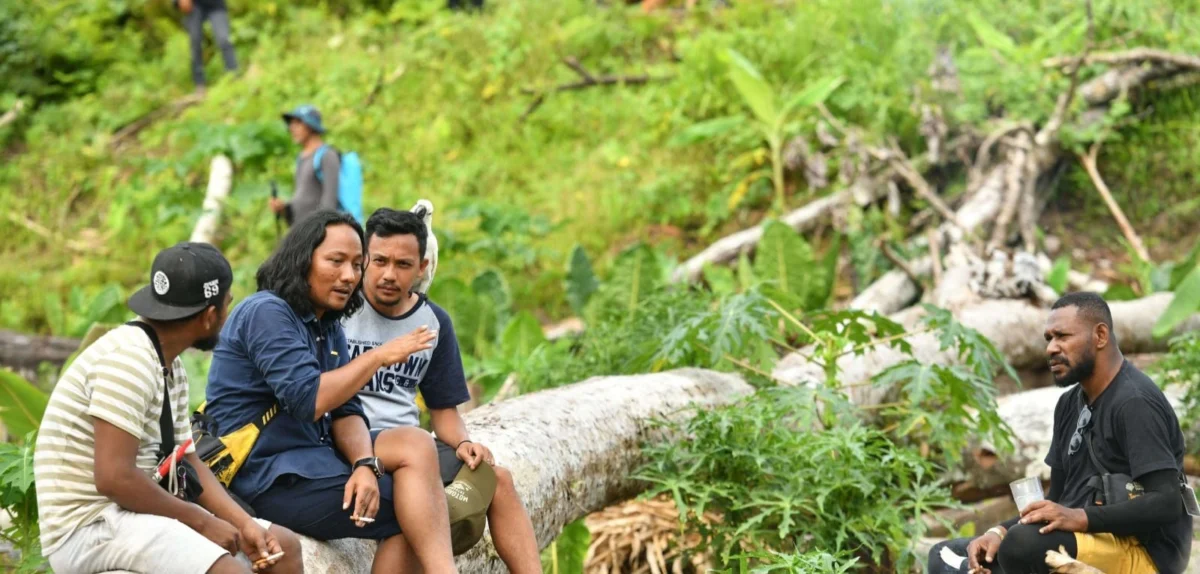
Chandra Sembiring does not fit the conventional mold of a medical professional. While most physicians dedicate their lives to the sterile confines of hospitals and clinics, Sembiring has spent the better part of two decades navigating the volatile intersections of humanitarian crises and creative storytelling. As an emergency physician, he has stood on the front lines of Indonesia’s most devastating natural disasters; as a filmmaker and producer, he has utilized the silver screen to advocate for the marginalized and the environment. His dual career represents a unique synthesis of tactical emergency response and strategic cultural influence, aimed at addressing the systemic vulnerabilities of the Indonesian archipelago.
Born in 1985 and a graduate of the Faculty of Medicine at Padjadjaran University (Unpad), Sembiring’s trajectory was forged in the "emergency style" of operation. His career began not in a private practice, but in the mud and rubble of disaster zones. From the 2010 Mentawai tsunami to the Banten tsunami, and the devastating earthquakes in Lombok, Palu, and most recently Cianjur, Sembiring has been a constant figure in Indonesia’s emergency medical landscape. His expertise is not limited to domestic crises; he spent six months serving with the Himalayan Rescue Association in the Everest region, specializing in high-altitude medicine—a rare niche in the medical field that requires managing life-threatening conditions like High Altitude Pulmonary Edema (HAPE) and Cerebral Edema (HACE) under extreme environmental stress.
A Life Forged in Crisis: The Chronology of a Disaster Physician
Indonesia sits on the "Pacific Ring of Fire," making it one of the most disaster-prone nations in the world. Sembiring’s medical career is a reflection of this geographical reality. His philosophy is rooted in the belief that the physician’s role extends beyond the individual patient to the survival of the community. "Thousands of people might feel that I am the one helping them, but in reality, I am the one being filled by them," Sembiring remarked, reflecting on the resilience he witnessed in disaster zones.
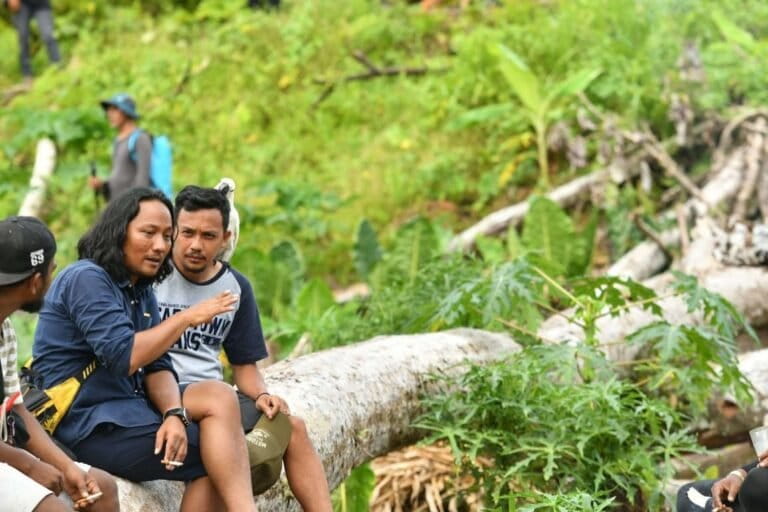
His experience in these regions shaped a mindset that is both tactical and strategic. In disaster management, one must design emergency operations with surgical precision—handling medical evacuations, pharmaceutical logistics, and reaching remote areas accessible only by boat or days of trekking. This "emergency style," characterized by rapid decision-making and high-intensity execution, has become his signature approach, which he admits sometimes carries over into his professional interactions outside the field.
In 2018, Sembiring formalized his humanitarian efforts by founding KUN Humanity System+. This organization was designed to bridge the gap between emergency response and sustainable community development. Unlike many NGOs that rely on traditional aid models, KUN Humanity operates with a focus on community empowerment. Following the earthquakes in Lombok and Palu, the organization was instrumental in constructing bamboo-based earthquake-resistant housing. Furthermore, KUN Humanity established mountain clinics on Mount Rinjani and Mount Semeru, providing essential healthcare to porters and local residents for free, funded by service fees from visiting hikers.
The Cinematic Shift: Film as a Tool for Social Advocacy
The transition from medicine to filmmaking was an organic evolution for Sembiring. During his missions, he frequently documented the realities of the field with a simple camera. However, it was his partnership with Anggi Frisca—a prominent Indonesian cinematographer and director who later became his wife—that opened his eyes to the power of cinema as a medium for long-term advocacy.
Sembiring realized that while NGO reports, socialization programs, and output indicators are necessary for administrative purposes, they often fail to capture the public imagination or create lasting psychological impact. "In the NGO world, we talk about indicators and outputs, but through film, a message can stay in someone’s head much longer," he explained. This realization led to the founding of Aksa Bumi Langit, a production house dedicated to creating "films with a soul"—narratives that focus on humanity, the environment, and social inclusion.
His cinematic journey began to gain international traction with the release of Tegar in 2022. The film, which follows the story of a young boy with disabilities striving for education and independence, transcended the boundaries of traditional entertainment. In Indonesia, Tegar was screened for over 1.7 million students across 4,000 schools, serving as a primary tool for teaching inclusivity and empathy.
The international film community responded with equal enthusiasm. Tegar secured awards in over eight countries, including:
- Best Family Film at the Golden Taiga Award in Russia.
- Best Film at the Universal Kids Film Festival in Turkey.
- Best International Film at the Golden Butterfly Awards in Iran, one of the oldest children’s film festivals in the Middle East.
- Best Director for Anggi Frisca and Best Child Actor for M. Aldifi Tegarajasa at various festivals in Hungary, India, China, the UK, and France.
Maira: Confronting the Climate Crisis in the Heart of Papua
Sembiring’s latest project, Maira, represents his most ambitious effort to date to link environmental health with human survival. Set against the backdrop of the Papuan rainforest, the film is a direct response to the global climate crisis. For Sembiring, the term "climate change" is too passive; he insists on calling it a "climate crisis."
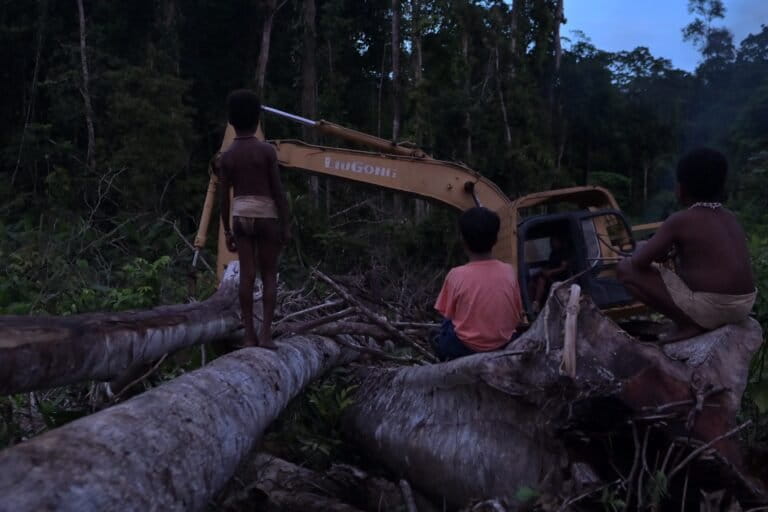
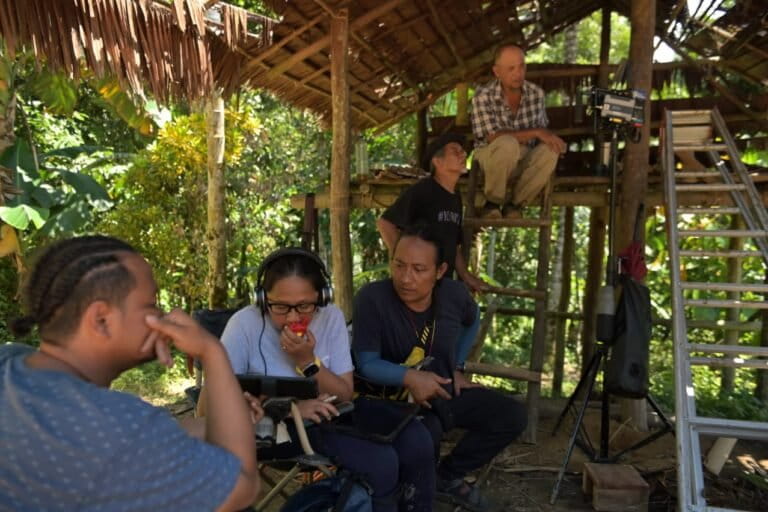
The production of Maira was a logistical feat that mirrored an emergency medical mission. The crew spent a month and a half in the lowlands of Papua, far from urban infrastructure. Logistics involved transporting heavy equipment, including washing machines and generators, via ships and trucks through rugged terrain. The production team of 30 people lived alongside the local community, and the cast was comprised entirely of local Papuans to ensure authenticity.
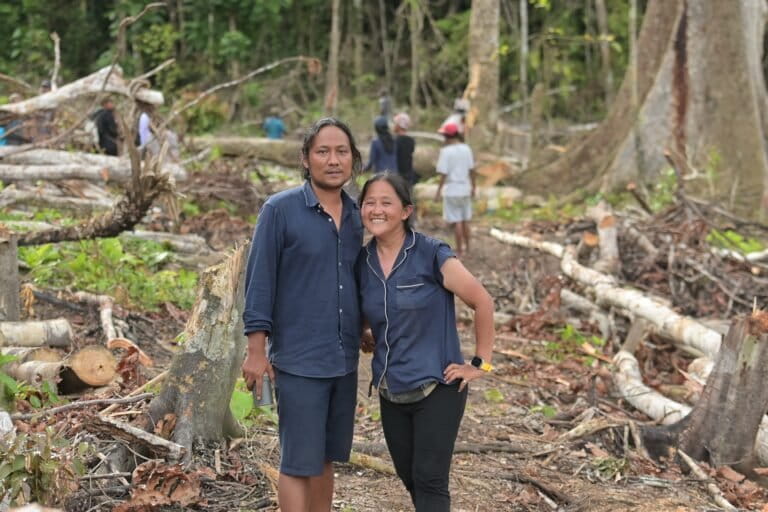
One of the film’s most harrowing scenes—the felling of a giant ancient tree—was not a staged special effect. During filming, the crew encountered an actual logging operation. Sembiring and the director decided to pivot the script to record the event in real-time. "There was no felling scene in the original script. We recorded the process as it happened. It serves as a symbol of the grief Maira feels as her home is destroyed," Sembiring stated.
The choice of Papua as a setting was deliberate. Papua contains the last great intact rainforests of Southeast Asia, yet it is also a site of rapid deforestation. Sembiring noted that the scale of destruction is visible even to the naked eye, with stumps of trees felled over a decade ago still scarring the landscape. The production budget of Rp9.5 billion (approximately USD 600,000) was an investment in what Sembiring calls "organic growth"—a slow but deeply rooted approach to filmmaking that prioritizes impact over immediate commercial return.
Indigenous Wisdom and the Logic of Survival
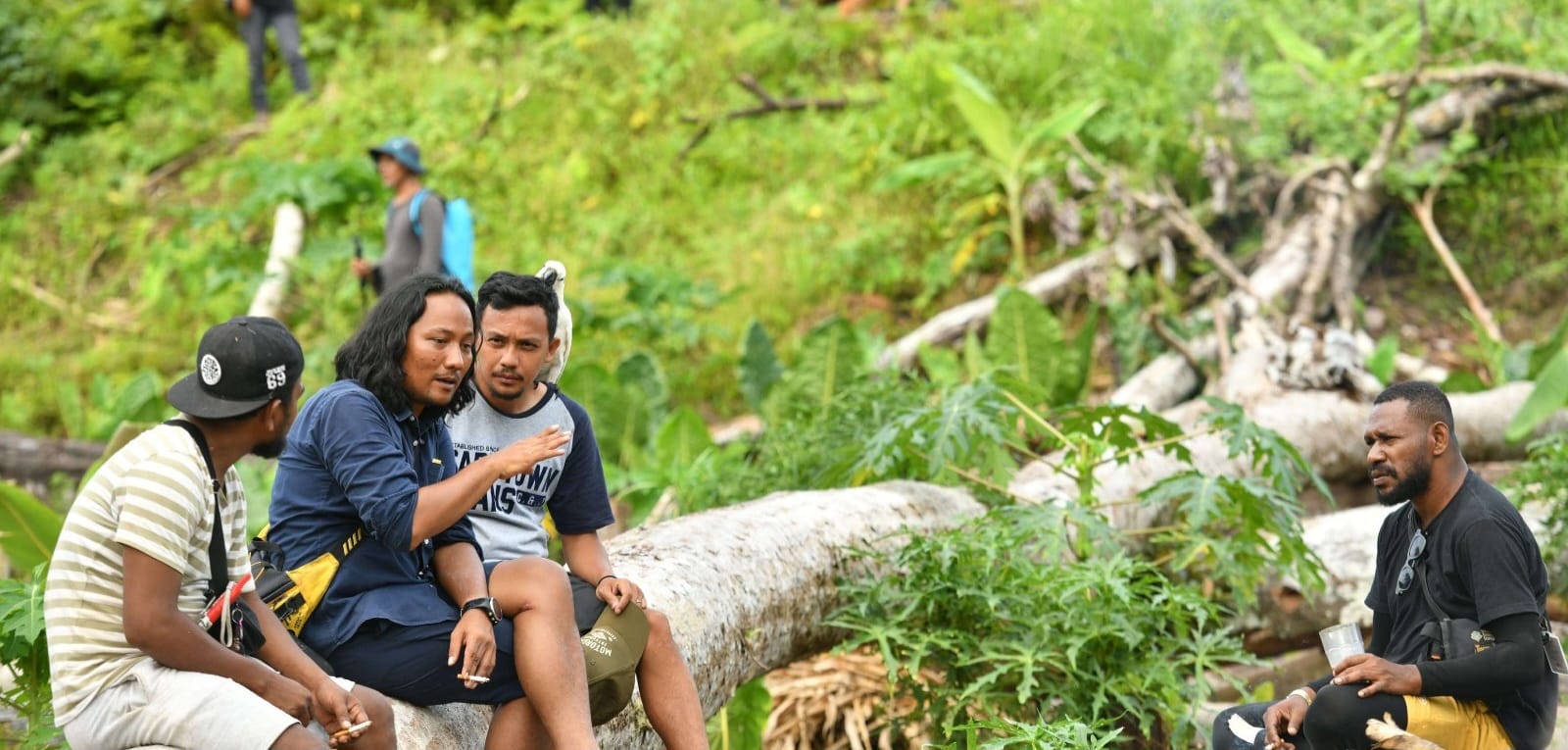
Central to Sembiring’s worldview is the belief that indigenous communities are the true guardians of the planet. Through his dialogues with tribal chiefs in Mentawai, Jambi, and Papua, he has come to understand that their relationship with the forest is one of existential necessity rather than abstract conservation. "They live so close to the forest. If the forest is gone, they cannot survive. It is a very simple but powerful logic," he noted.
Anggi Frisca, reflecting on their journey through the Papuan interior, noted the stark contrast between urban "poverty" and indigenous "wealth." In areas where money has no value because there is nothing to buy, the community thrives on their knowledge of medicinal plants, clean water sources, and food security. "We consider them poor because they don’t have brick houses or fancy clothes. Yet, they possess knowledge of the forest that we have completely lost. That is wealth that is not calculated in our modern system," she said.
This perspective shifts the narrative of the climate crisis from one of carbon credits and plastic straws to one of human rights and cultural survival. Sembiring argues that the loss of a forest is not just an environmental statistic; it is the destruction of a pharmacy, a supermarket, and a temple for the people who live there.
Broader Implications and the Future of Advocacy
The work of Chandra Sembiring and Aksa Bumi Langit signals a shift in how social issues are communicated in Indonesia. By bypassing traditional "campaign" methods in favor of high-quality narrative cinema, Sembiring is able to reach a broader audience—estimated at over a million people per film—at a fraction of the cost of conventional national awareness campaigns.
Looking forward, Sembiring aims to produce two to three films annually, focusing on the stories of the younger generation and local communities. His goal is to create a "ripple effect" where the cinematic experience translates into real-world action. "If from one fallen tree in a film, millions of new trees are planted in the hearts of the audience, then this whole journey is worth it," he said.
The integration of medical ethics and cinematic storytelling provides a new framework for humanitarian work in the 21st century. For Sembiring, the title of "Doctor" is not a badge of social status but a mandate for service. As Anggi Frisca aptly summarized: "Gelar dokter itu bukan kehormatan, tapi kemanusiaan" (The title of doctor is not about honor, it is about humanity).
As Indonesia grapples with the dual challenges of natural disasters and environmental degradation, the "emergency style" of Chandra Sembiring offers a compelling model for resilience. By treating the health of the planet and the health of its people as a single, inseparable system, Sembiring’s work serves as both a warning and a roadmap for a sustainable future. Through the lens of his camera and the kit of his medical bag, he continues to navigate the front lines, proving that the most effective medicine for a crisis-ridden world might just be a well-told story.