Lina Irawan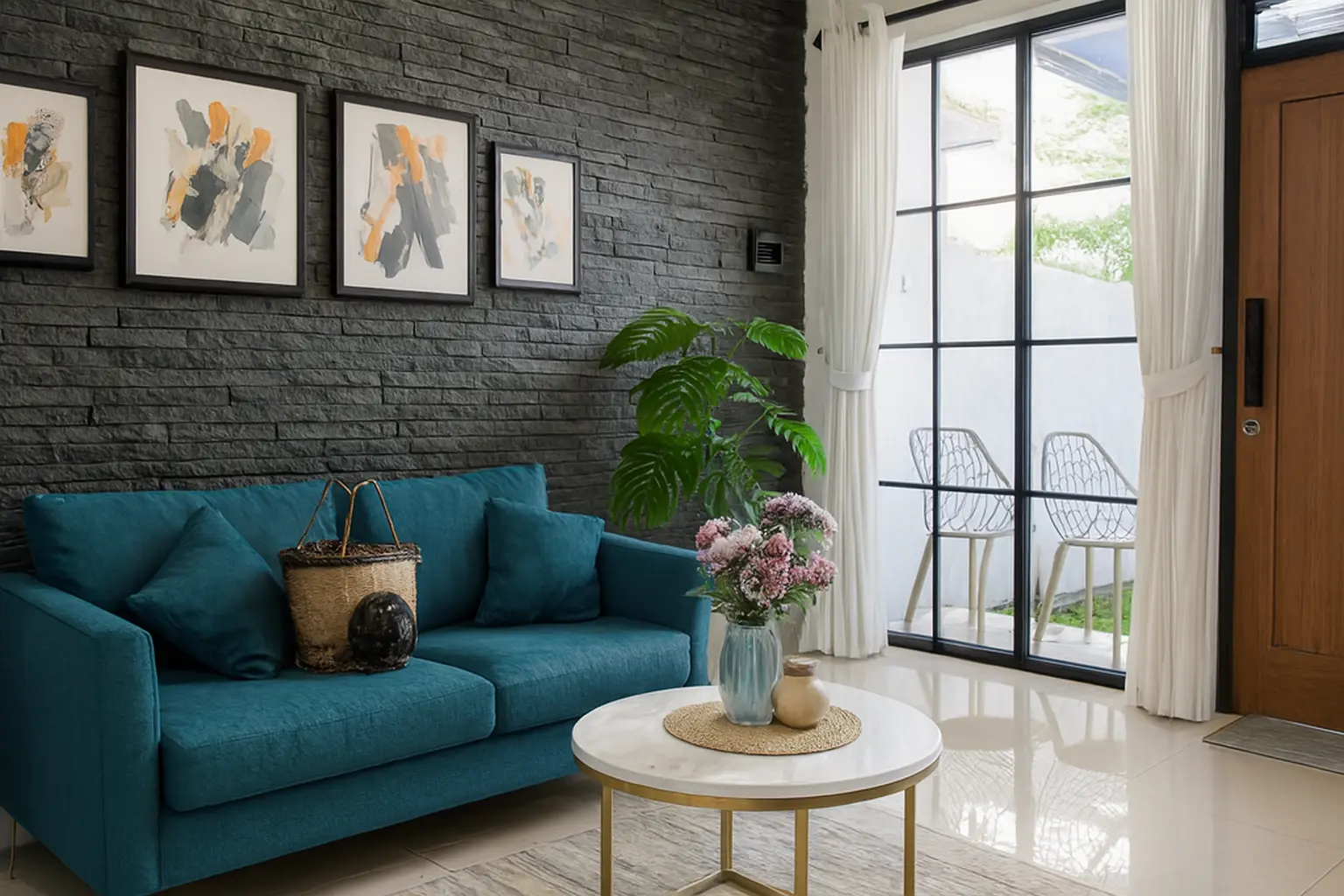
Material tactile in 2026 signifies a profound shift in interior design, embracing real textured elements such as raw-finish wood, rough natural stone, and artisanal ceramics, all meticulously crafted to stimulate the sense of touch. Beyond their traditional role as mere wall or floor coverings, these materials are poised to become the focal points of spaces, re-establishing a vital physical connection for humans amidst an increasingly digital age.
The prevailing trend in contemporary interior design demands spaces that transcend mere visual appeal in photographs, evolving into environments that feel alive upon touch. The era of flat walls adorned with premium paint is gradually receding, making way for visual elements imbued with genuine depth and character. Uneven surfaces, prominent wood grains, or the charming inconsistencies of ceramic glazes are no longer perceived as flaws but have, in fact, become the new hallmarks of luxury. Designers are increasingly referring to this phenomenon as the resurgence of a "hyper-physical" aesthetic, signaling a collective yearning for authenticity and sensory engagement within our living spaces.
The Rise of Hyper-Physical Aesthetics: A Post-Digital Response
This emphasis on tactile experiences is not merely a fleeting trend but a calculated response to broader societal shifts. In an age dominated by screens and virtual interactions, there’s a growing subconscious desire for tangible connections and grounding experiences. The pandemic-induced introspection further accelerated this need, as homes transformed into sanctuaries, prompting a re-evaluation of how our immediate environments contribute to our well-being. The "hyper-physical" aesthetic seeks to bridge the gap between our digital lives and our innate need for sensory stimulation, transforming interiors into multisensory havens that offer comfort, authenticity, and a profound sense of place. This movement represents an evolution from the minimalist, often sterile, aesthetics of the early 21st century, towards a richer, more nuanced appreciation of material honesty and craftsmanship.
Why Tactile Materials Are Redefining Design Authority
The integration of authentic natural materials like stone and wood demands a sophisticated blend of spatial understanding and technical expertise. Their installation is far from a simplistic task, contrasting sharply with the straightforward application of mass-produced wallpapers or vinyl stickers. The choice to incorporate handmade ceramics, for instance, communicates a homeowner’s profound appreciation for artistic process and artisanal skill. This discerning approach significantly elevates property value, as the architectural elements become unique and impossible to precisely duplicate elsewhere.
Each individual piece of these tactile materials possesses its own distinct textural "DNA." This inherent individuality bestows upon a room a powerful "entity identity" that resists the ephemeral nature of passing trends, ensuring its relevance and timeless appeal across various design epochs. Industry analysts note that this commitment to unique, high-quality materials also reflects a growing consumer awareness of sustainable sourcing and ethical production, further bolstering the perceived value and desirability of properties that incorporate them.

Key Tactile Material Trends for 2026
-
Solid Wood: The Enduring Warmth of Raw Finishes
Wood has always been a cornerstone of interior design, yet 2026 marks a significant evolution in its processing and presentation. The era of high-gloss, heavily lacquered wood, which obscures its natural pores and grain, is giving way to a more authentic expression. The current focus is on "open-pore finishes," designed to ensure that the natural fibers of the wood are genuinely palpable when one’s hand glides across a wall panel or tabletop. This approach celebrates the wood’s inherent character, allowing its natural beauty to shine through.-
Visual Characteristics of Wood This Year:
- Fluted Panels: While still prevalent, fluted wood panels are adopting more extreme profiles. The grooves are deeper, engineered to cast dramatic shadows when illuminated by spotlights, adding a dynamic interplay of light and shade.
- Reclaimed Wood: There’s a burgeoning trend for reclaimed wood, sourced from old railway sleepers, dismantled barns, or retired ships. Imperfections such as nail holes, natural cracks, and weather-induced discoloration are no longer concealed but proudly exposed, celebrated as high art that tells a story of history and resilience.
- Yakisugi (Shou Sugi Ban): The ancient Japanese technique of charring wood, known as Yakisugi or Shou Sugi Ban, is gaining considerable traction. The hardened, carbonized texture offers a rich, natural black hue with a tactile sensation reminiscent of dragon scales, providing a sophisticated, earthy aesthetic.
-
Making Wood a Primary Focal Point:
To maximize impact without overwhelming a space, designers advise against using heavily textured wood for entire walls. Instead, select a single primary wall, such as behind a bed or the living room television. Installing wood panels with a vertical grain orientation can create an illusion of higher ceilings. For wider planks, arranging them in a large herringbone pattern can inject a dynamic energy into a living room. Combining these applications with "grazing light" – illumination that washes evenly down the wall – will dramatically accentuate every curve and wood grain, especially during evening hours, creating a breathtaking visual spectacle.
-
-
Natural Stone: Robust Luxury with Untamed Character
Natural stone brings the raw energy of the earth directly into your living room or bathroom. For the 2026 tactile trend, stone is no longer polished to a slick, mirror-like finish. Instead, "honed," "leathered," or even "split face" (roughly cleaved) surfaces are becoming the most sought-after finishes by architects. These processes intentionally preserve the stone’s natural pores and robust texture, imparting a sense of enduring strength and authenticity.-
Textured Stone Varieties Dominating the Market:
- Travertine: Travertine is emerging as the king of materials this year. Its natural pits and holes are deliberately left unfilled ("unfilled travertine") to expose its authentic, porous yet aesthetically captivating form.
- Slate: Black slate, with its delicate, thin layers, is perfectly suited for fireplace surrounds or study walls. Its microscopically exfoliating texture provides a masculine yet elegant character.
- Limestone: Limestone, with its distinctive sandy texture, evokes the serene ambiance of a Mediterranean resort. It is ideally applied on transitional walls, blurring the lines between indoor living areas and outdoor gardens. Other popular choices include rough-cut marble or quartzite with a matte finish, offering varied geological textures and colors.
-
Stone Applications for Maximum Visual Impact:
Utilize rough natural stone as a dramatic backdrop for a large dining table or as a commanding feature wall in the foyer. Its pronounced texture will immediately "greet" guests as they step into your home. Opt for large-format slabs to minimize grout lines, as an excessive number of seams can disrupt the natural flow and texture of the stone. For bathrooms, a textured stone shower wall can create the sensation of bathing in an outdoor grotto. However, it’s crucial to note that wet areas require extra protection and sealing to prevent moss or mildew growth, necessitating diligent maintenance and appropriate product selection.
-
-
Handmade Ceramics: The Artistry of Imperfection
While factories can churn out thousands of precisely identical ceramic tiles daily, machines simply cannot replicate the warmth and unique character imparted by human hands. Handmade ceramics embody the philosophy of "Wabi-Sabi," finding profound beauty in imperfection. Slightly curved edges, subtly undulating surfaces, and variations in color are their distinguishing characteristics. This inherent character is highly prized for counteracting the often-rigid impression of modern minimalist interiors, offering a soulful, artisanal touch.-
Glaze and Clay Texture Trends:
- Zellige Tiles: Hailing from Morocco, Zellige tiles are at the forefront of this trend. Their lustrous glazes reflect light haphazardly due due to their never-perfectly-flat surfaces, creating a captivating, dynamic shimmer.
- Unglazed Terracotta: Hand-molded, unglazed terracotta (exposed brick) is experiencing a resurgence, particularly for semi-outdoor floor areas or kitchen walls. Its warm, earthy red tones provide an elegant rustic touch.
- 3D Tiles: A growing trend includes three-dimensional (3D) tiles featuring embossed motifs. When arranged, these ceramics form raised geometric patterns that are inherently inviting to touch, adding a sculptural dimension to any surface.
-
Strategic Placement of Handmade Ceramics:
A kitchen backsplash is an ideal location for Zellige tiles. The reflection of cabinet lights on their undulating surfaces will make the kitchen feel more vibrant and luxurious. They can also be applied to a powder room (guest toilet) wall. In such a small space, a full wall of handmade ceramics can deliver a dramatic visual surprise. Installation requires highly skilled artisans. Standard plastic spacers cannot be used for grouting, as each tile piece will invariably have slight millimeter variations in size, demanding a custom approach to achieve an organic, yet cohesive, finish.
-
Mastering the Art of Combination: A Balanced Approach to Tactile Design
Integrating highly textured materials is akin to composing a culinary masterpiece – too many different textures in one room can create a cluttered, heavy, and visually confusing atmosphere. Experts from InteriorDesign.ID advocate for a 60-30-10 textural balance ratio, a highly effective guideline for maintaining the elegance of your home even when incorporating raw materials.
According to this rule, 60 percent of the room should retain clean, flat surfaces (e.g., pristine white painted walls or smooth parquet flooring). This acts as a visual resting canvas. Allocate 30 percent for primary tactile materials, such as a large Travertine stone wall. The remaining 10 percent can then be utilized for secondary textural accents, such as a reclaimed wood coffee table or a woven rug.
Furthermore, it is crucial to create "visual transition zones." Avoid placing a busy Zellige ceramic wall directly adjacent to sharply grooved wood panels. Instead, separate them with neutral elements like a plain mirror, a wall painted in a matte finish, or a stretch of smooth, untextured surface to allow each tactile element to breathe and be appreciated independently.

The Profound Psychological Impact of Textured Interiors
A living space is more than just a shelter; it serves as a daily therapeutic tool for its inhabitants. The principles of Biophilic design demonstrably prove that physical interaction with natural materials can significantly reduce stress hormone (cortisol) levels. When the palm of one’s hand touches the rough surface of natural stone or exposed brick, nerve receptors in the skin transmit signals of security and groundedness to the brain. This triggers a primitive human connection with the natural world, a sensation often lost in highly artificial environments.
The visual imperfections inherent in wood grain or handmade ceramics gently encourage our brains to relax. They subtly remind us that not everything in the world must be perfectly symmetrical, immaculately neat, or rigidly controlled by industrial machinery. This acceptance of natural variation fosters a sense of calm and a deeper appreciation for authenticity. Moreover, the way light randomly reflects off the uneven surfaces of handmade ceramics creates an illusion of natural movement. This effect mimics the "dappled light" filtering through tree leaves, instantly imparting a sense of tranquility and a connection to the outdoors, even within an enclosed space.
Ensuring Execution Excellence: Partnering with Skilled Craftsmanship
The tactile trend for 2026 demands a highly specific level of craftsmanship. One of the biggest mistakes homeowners make is entrusting these valuable materials to conventional general contractors. The installation of handmade and natural materials requires an artisan’s "feeling" and precision. Vendors must possess a verifiable portfolio demonstrating their expertise in handling natural stone without damaging its protective layers, or in laying intricate ceramic patterns.
It is absolutely crucial to request a "mock-up" or a 1×1 meter sample installation before commencing any large-scale project. This step is vital for verifying the quality of sealer application, the consistency of grout color, and the precision of miter cuts. Always consult your material needs with accredited interior experts, such as the team at InteriorDesign.ID. The correct material selection is not merely about fleeting beauty, but encompasses safety, durability, and the long-term resale value of your property. Neglecting this crucial step can lead to costly rectifications and compromise the aesthetic integrity of the design.
Implications for the Design Industry and Homeowners

The widespread adoption of tactile materials has significant implications across the design and construction sectors. For material suppliers, it necessitates a greater focus on ethical sourcing, sustainable production, and maintaining the raw integrity of their products. There’s a growing demand for unique, artisanal pieces, potentially boosting local craftsmanship and small-scale producers. For the labor market, this trend underscores the importance of highly skilled installers and specialized craftsmen, who command higher fees due to their expertise. Homeowners, in turn, are investing not just in aesthetics but in the long-term value and experiential quality of their homes. This shift suggests a more considered, less disposable approach to interior design, aligning with broader sustainability goals and a renewed appreciation for objects with inherent character and longevity.
Conclusion: A Future Rooted in Sensory Experience and Authenticity
The transformation of your living spaces in 2026 hinges on the courage to embrace texture. Solid wood, rough natural stone, and handmade ceramics represent a long-term investment in a vibrant, living home aesthetic. Each material carries its own natural narrative; resist the urge to obscure their inherent character with glossy chemical coatings that diminish their "tactile" essence.
Utilize the detailed specifications provided in this article as a technical foundation for your discussions with contractors. Precise specifications will safeguard your budget from errors in purchasing complementary materials and ensure the final outcome aligns perfectly with your vision. Begin today by identifying a single focal point in your main living area. Immediately contact professional interior service providers to calculate material volumes and conceptualize the optimal lighting scheme to highlight these exquisite tactile elements.
Frequently Asked Questions (FAQ) Regarding Tactile Materials
1. Are rough textured materials suitable for homes with small children?
They can be highly adaptable. It’s advisable to avoid sharp rough slate in active play areas. Instead, opt for fluted wood profiles with rounded "bullnose" edges or wall ceramics placed out of a toddler’s reach. Careful selection and placement can ensure safety without sacrificing style.
2. What is the estimated additional budget for installing these materials compared to standard ceramics?
Installation of natural and handmade materials generally incurs a service cost that is 40-70% higher than standard ceramics. This is due to slower cutting processes, the requirement for specialized adhesives (high-quality epoxy/thinset), and the need for multiple, meticulous layers of sealer application. The expertise and time involved justify the increased cost.

3. Can tactile wood materials be used in bathrooms?
They are strongly discouraged for direct wet areas like showers. However, for dry areas or vanity countertops, you can use water-resistant woods such as aged Teak, provided they are treated with marine-grade polyurethane (marine grade PU) and adhere to a strict re-coating schedule. Proper ventilation is also key.
4. Why are handmade Zellige ceramics expensive despite their uneven appearance?
Precisely that unevenness is what commands the higher price. Zellige tiles are traditionally crafted manually from Fez clay in Morocco, sun-dried, and hand-cut one by one using chisels. Their value lies in their artistic craftsmanship and cultural heritage, not in mass industrial production. Each tile is a unique piece of art.
5. How often should natural stone sealer be reapplied?
For high-traffic floor areas, resealing should be performed every 1-2 years. For interior walls or focal points that are rarely exposed to water, sealers typically maintain their integrity for 5 to 8 years before requiring renewal. Regular inspection is recommended to assess the sealer’s condition.
This article is based on research into global interior material trends for 2026 and technical material application guidelines from experts at InteriorDesign.ID. Always tailor material implementation to your home’s specific climate and air circulation.