Nila Kartika Wati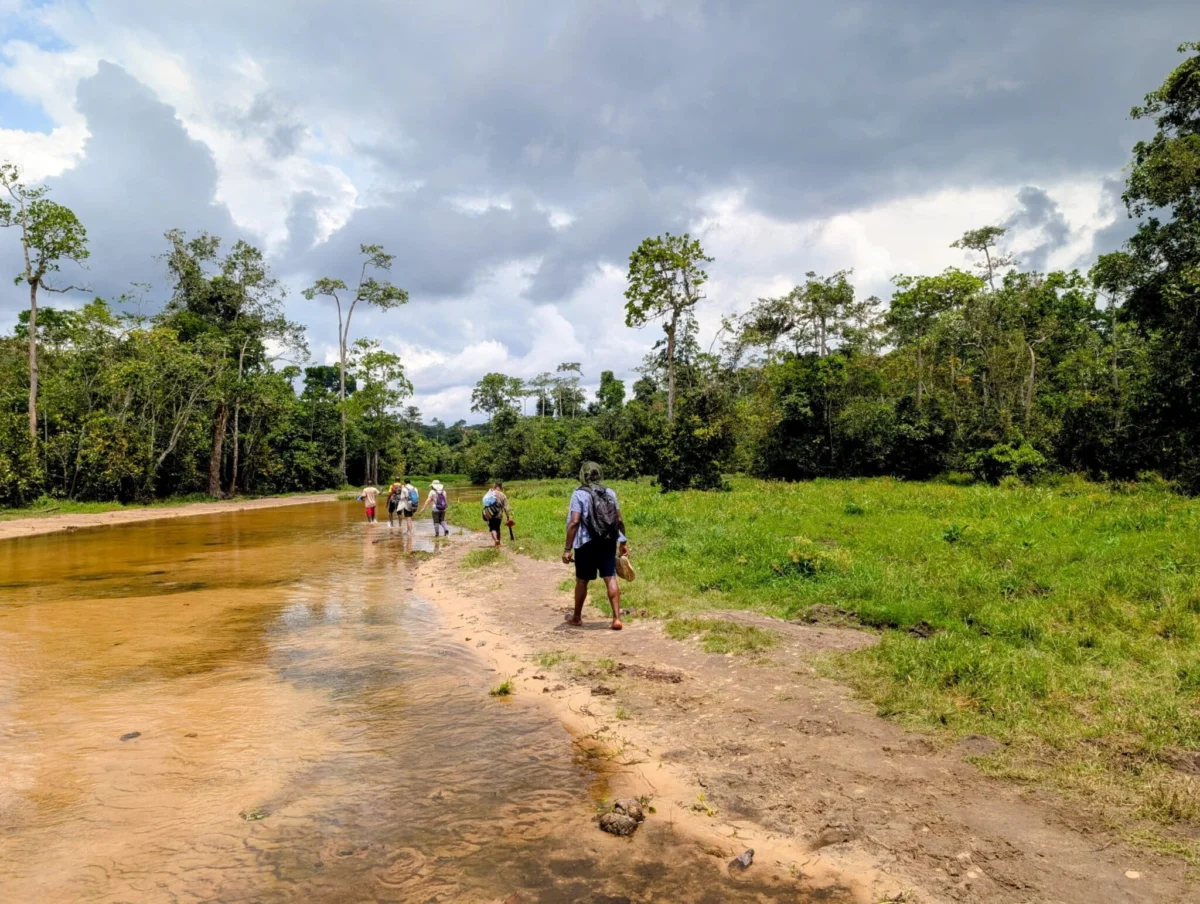
The global effort to preserve the Earth’s remaining biodiversity is increasingly coming at a profound personal cost, as conservationists, scientists, and environmental defenders face an escalating mental health crisis characterized by burnout, secondary trauma, and, in the most tragic cases, suicide. While the world tracks the decline of species and the erosion of ecosystems through data and metrics, the psychological toll on the individuals tasked with monitoring and halting this destruction has long remained a "silent strain." This crisis is no longer anecdotal; it is a systemic issue fueled by a combination of ecological grief, moral injury, and a professional culture that often prioritizes project outcomes over the well-being of the human beings behind them.

A Growing Crisis Revealed by Tragedy
The conversation surrounding mental health in the conservation sector reached a tipping point in late 2024. Rachel Graham, a prominent marine scientist and the executive director of MarAlliance, a Belize-based NGO, published a harrowing disclosure on LinkedIn. She revealed that she personally knew of five conservation scientists who had died by suicide within a single year. The post acted as a lightning rod for the community, drawing thousands of responses from professionals worldwide who shared similar stories of exhaustion, isolation, and despair.
This revelation underscored a grim reality: the people dedicated to protecting life on Earth are themselves in need of protection. The response to Graham’s post suggested that the sector is experiencing an epidemic of "disappearing" talent—competent, passionate professionals who either leave the field entirely due to burnout or suffer in silence until they reach a breaking point. For many, the "calling" to save a species or an ecosystem has transformed from a source of purpose into a source of unsustainable psychological pain.

Quantifying the Silent Strain: Supporting Data
Recent research has begun to quantify the extent of this distress. A major 2023 survey of conservation professionals found that more than one-quarter of respondents reported experiencing moderate to severe psychological distress. This rate is significantly higher than that found in many other professional sectors, suggesting that the unique conditions of environmental work create a high-risk environment for mental health struggles.
The data further highlights significant demographic disparities. Women and early-career professionals are disproportionately affected, often reporting higher levels of anxiety and depression. For young conservationists, the combination of entry-level job insecurity, low wages, and the overwhelming scale of the climate crisis creates a "perfect storm" of stress. Women in the field face additional burdens, including gender discrimination, a persistent wage gap, and the challenge of balancing demanding fieldwork with caregiving responsibilities.
The Weight of Witnessing: Moral Injury and Ecological Grief
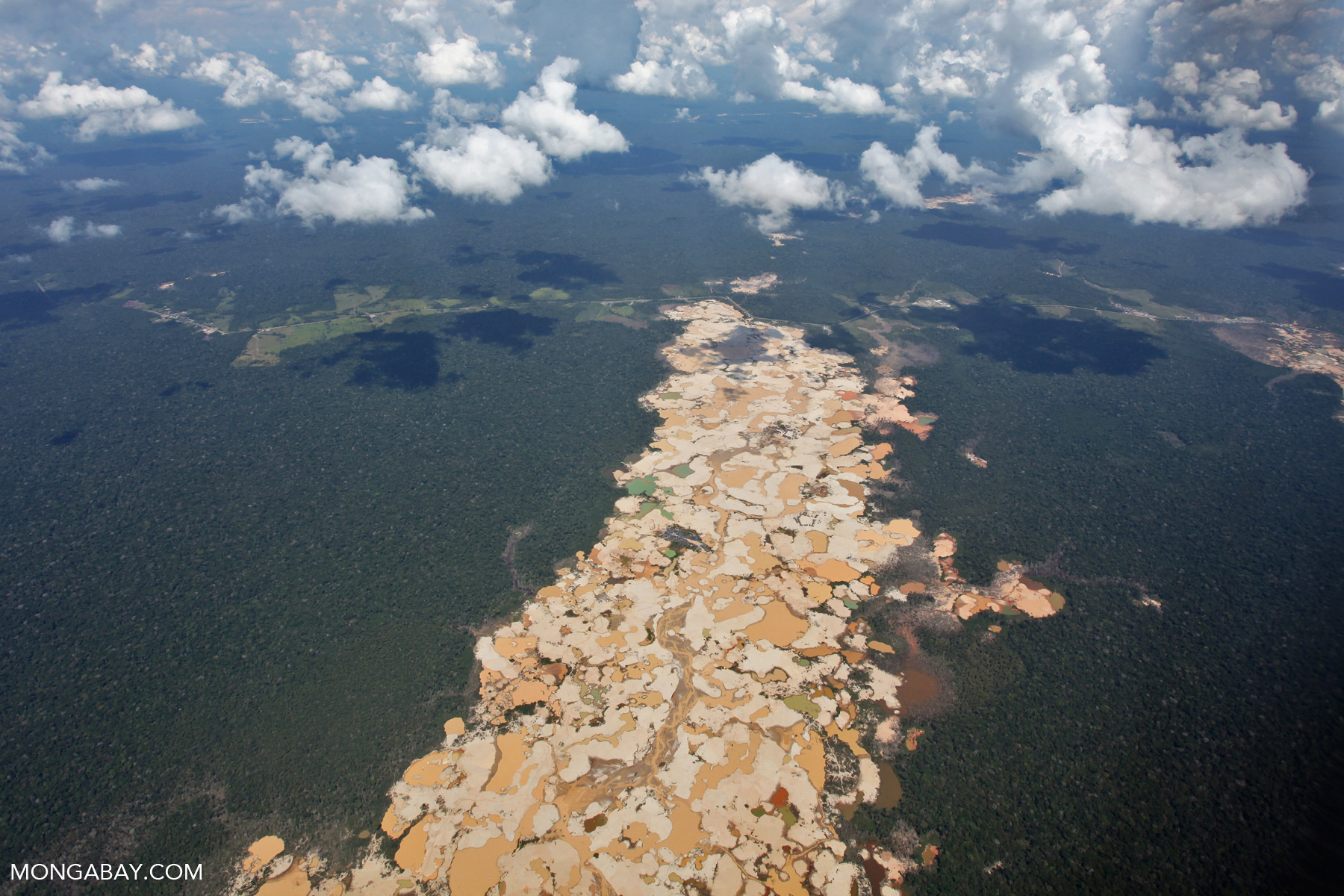
At the heart of this crisis is the nature of the work itself. Conservationists are trained to be professional observers of decline. They document the "bleaching" of coral reefs, the silencing of forests once vibrant with birdsong, and the steady retreat of glaciers. Unlike many other professions, the "workplace" for a conservationist is often a site of ongoing loss.
Psychologists have identified two primary frameworks to describe this experience: ecological grief and moral injury. Ecological grief is the profound sense of loss felt when an environment or species one loves is destroyed. It is a form of "disenfranchised grief," meaning it is a sorrow that society rarely recognizes with formal rituals or bereavement leave.

Moral injury, a term originally used in the context of military veterans, refers to the psychological distress that results from witnessing or failing to prevent acts that transgress one’s deeply held moral beliefs. Conservationists often experience moral injury when they see environmental destruction driven by systemic greed or political apathy. Despite their best efforts, the scale of the destruction often dwarfs their ability to intervene, leading to a sense of helplessness and a questioning of their own efficacy.
The "Calling" Trap and Structural Failures
The professional culture of conservation often exacerbates these psychological burdens. Conservation is frequently framed as a "calling" rather than a job. While this sense of mission can be a powerful motivator, it also creates a "calling trap" where suffering is viewed as a badge of honor or a measure of one’s dedication. In this environment, working long hours for low pay is normalized, and the act of setting boundaries or seeking help is often stigmatized as a lack of commitment.

The structural reality of the NGO sector further complicates the issue. Most conservation work is funded through short-term, project-based grants. This model creates a state of perpetual uncertainty for staff, who may not know if their positions will exist in six months. Funding is typically earmarked for "on-the-ground" results—acres protected or trees planted—with little to no budget allocated for human resources, mental health support, or staff development. Consequently, organizations are often forced to choose between funding a conservation project and providing psychological support for the team running it.
Isolation and Physical Risk in the Field
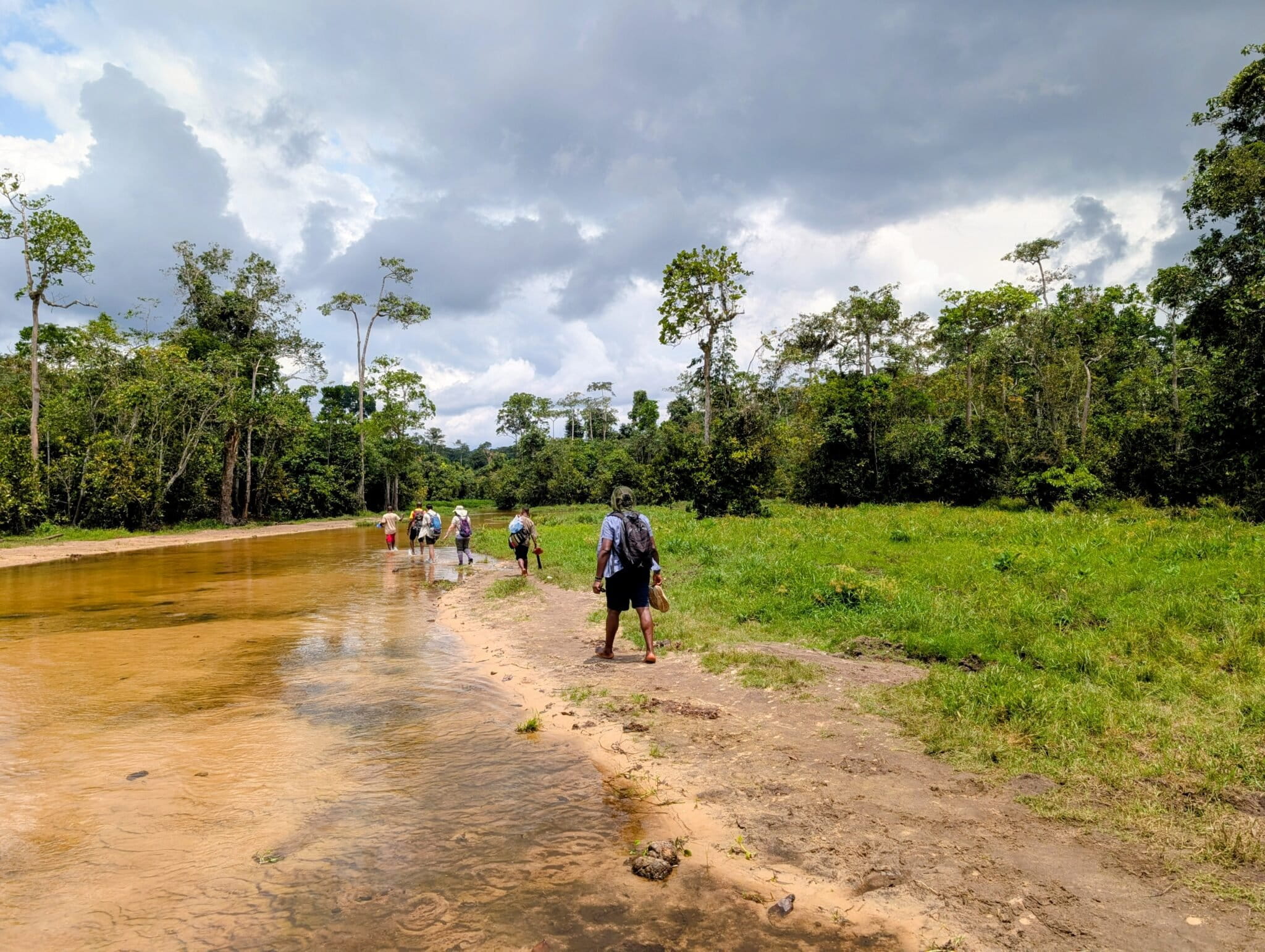
The geographic and social isolation inherent in fieldwork adds another layer of vulnerability. Many conservationists work in remote areas, far from their families and support networks. In these settings, the lines between professional and private life are blurred, making it nearly impossible to "switch off" from the pressures of the job.

Furthermore, conservation work is increasingly dangerous. In many parts of the world, environmental defenders and park rangers operate in conflict zones where they face threats from illegal logging syndicates, poachers, and paramilitary groups. The trauma of losing colleagues to violence or living under constant threat of physical harm creates a high-stress environment that few other civilian professions encounter. For these individuals, standard "self-care" advice—such as mindfulness or exercise—is woefully inadequate for the scale of the trauma they endure.
Reforming the Sector: From Individuals to Institutions
Addressing this crisis requires a fundamental shift in how the conservation movement values its human capital. Experts argue that the burden of resilience must be shifted from the individual to the institution. It is no longer sufficient to tell conservationists to be "tougher"; instead, the systems they work within must be made more sustainable.
Key organizational reforms include:
- Integrating Mental Health into Operational Costs: Funding for psychological support, trauma-informed training, and regular wellness checks should be a standard requirement in all conservation grants.
- Normalizing Boundaries: Leadership must lead by example, encouraging staff to take leave, disconnect from communications outside of work hours, and separate their personal identity from professional outcomes.
- Creating Safe Spaces for Grief: Organizations should provide formal opportunities for staff to process the emotional weight of their work, recognizing that ecological loss requires a collective emotional response.
- Addressing Equity: Tackling the systemic issues that make women and marginalized groups more vulnerable—such as the gender pay gap and lack of career progression—is essential for reducing overall sector stress.
The Role of Donors and Flexible Funding
Philanthropic organizations and government donors play a critical role in this transformation. By shifting away from rigid, results-only metrics and toward "flexible funding" models, donors can give NGOs the breathing room to invest in their people. This includes funding "core costs" that cover health insurance, decent wages, and mental health services. There is a growing realization that "burnt-out people cannot save the planet." Therefore, investing in the well-being of the practitioner is a prerequisite for achieving long-term conservation success.
Cultivating Informed Optimism
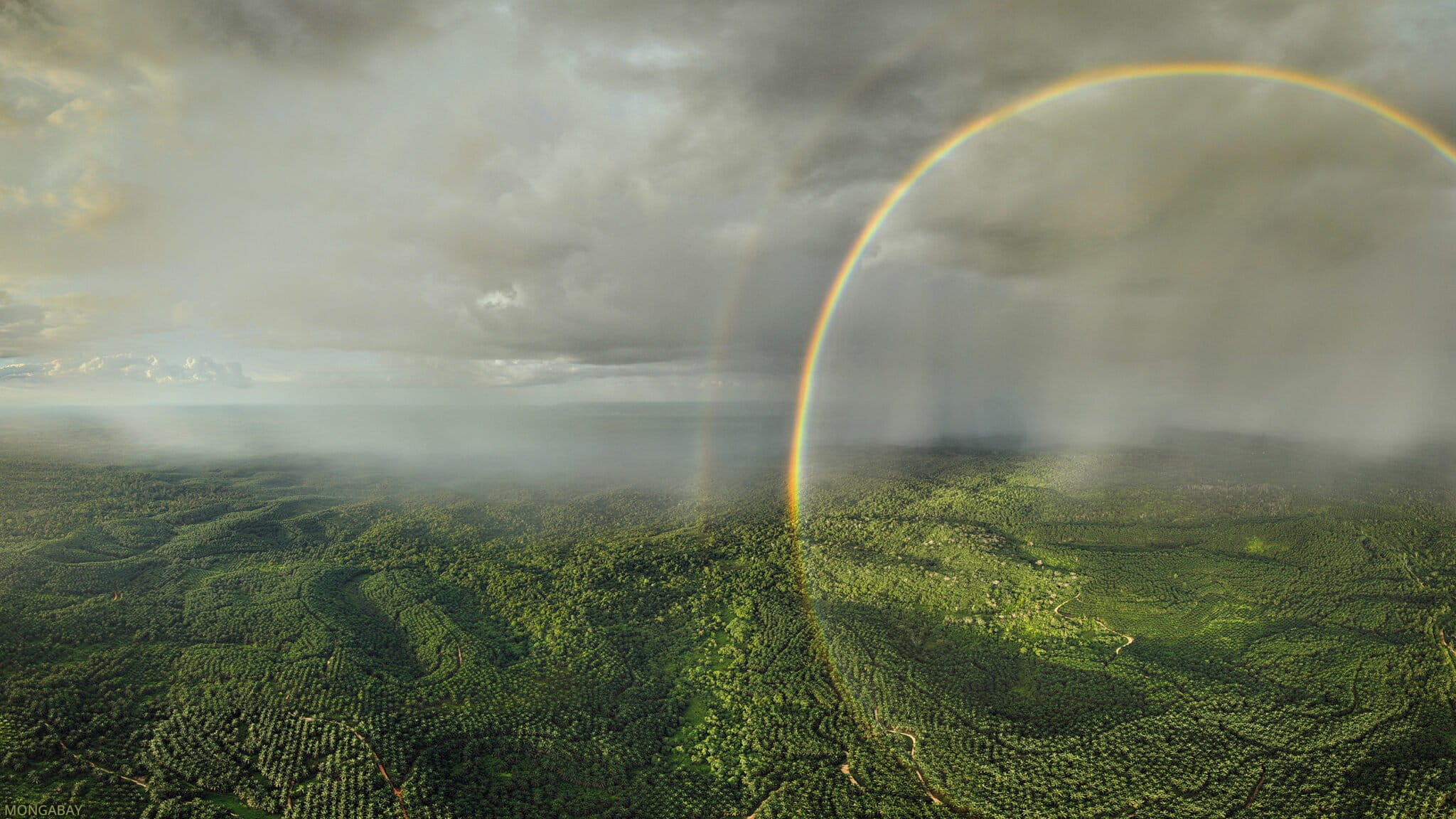
While the challenges are immense, the goal is not to eliminate the pain of conservation work—which is a natural byproduct of caring for a struggling world—but to make that pain bearable. This involves moving from a "doom loop" narrative toward "informed optimism."
Informed optimism does not mean ignoring the reality of extinction or climate change. Rather, it is a psychological strategy that focuses on agency. By celebrating small wins, focusing on local successes, and recognizing that conservation is a multi-generational relay rather than a sprint, professionals can maintain their motivation without succumbing to despair. When individuals see a direct link between their actions and a positive outcome—no matter how small—it acts as a powerful buffer against burnout.

Conclusion: A Multi-Generational Mission
The conservation movement is at a crossroads. To protect the diversity of life on Earth, it must first protect the diversity and health of its own workforce. The mental health crisis among nature’s protectors is a clear signal that the current model of high-pressure, under-resourced activism is unsustainable.
True sustainability in conservation must include the human element. By acknowledging the emotional price of this work, dismantling the stigma of mental health struggles, and restructuring the sector to prioritize human well-being, the movement can ensure that its most valuable asset—the passion and expertise of its people—is preserved for the generations to come. Conservation is not just about saving the wild; it is about maintaining the human capacity to care for it, one step, one team, and one place at a time.