Lina Irawan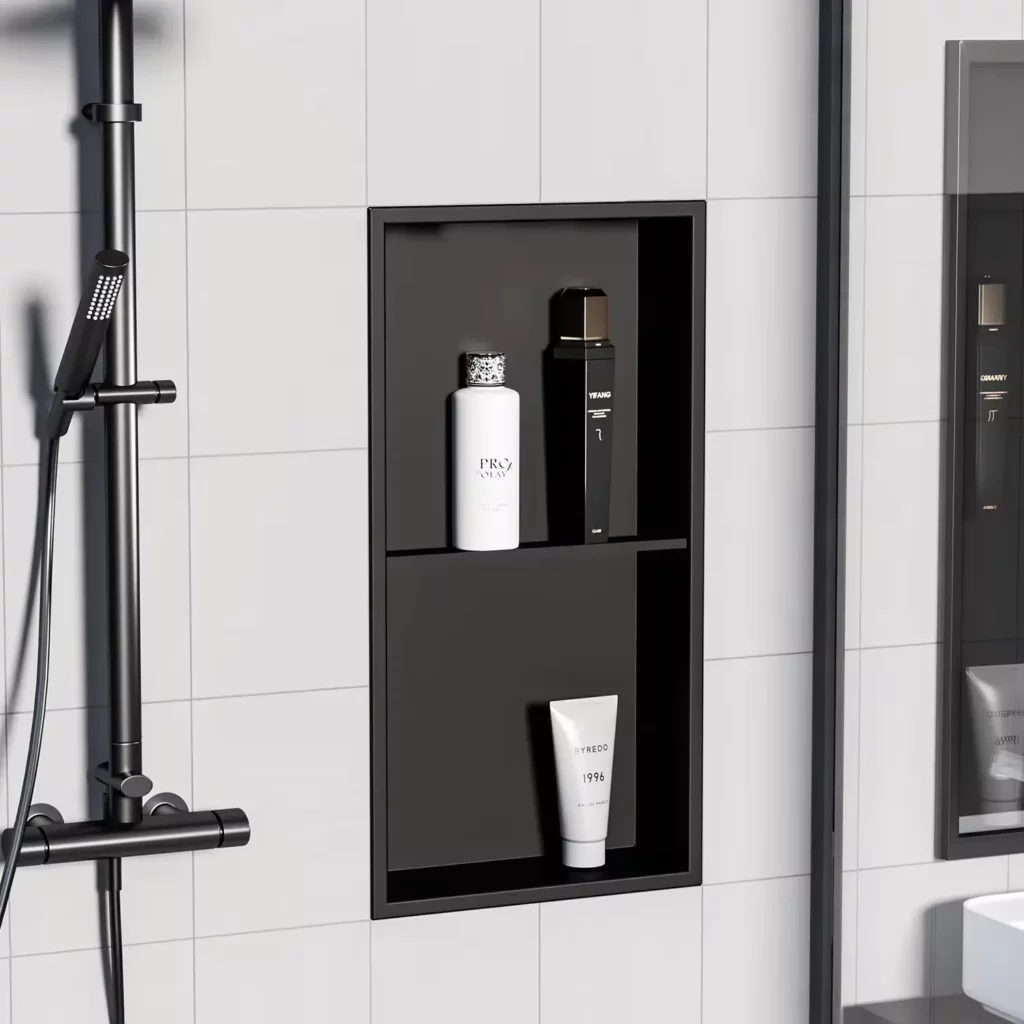
The seemingly minor detail of where to store shampoo and soap in a shower often escapes initial architectural plans, only to become a significant point of contention for homeowners and designers alike. What might appear as a simple aesthetic choice carries profound implications for bathroom functionality, durability, and long-term maintenance. As highlighted by InteriorDesign.ID, the core of this discussion centers on two primary solutions: the integrated shower niche (ceruk dinding) and the conventional wall-mounted shelf (rak tempel). While the instant answer often points to the superior longevity and aesthetic integration of a niche, its higher initial cost and complex installation process present a barrier for many. Conversely, wall-mounted shelves offer an affordable and flexible alternative, yet frequently succumb to corrosion, mold, and structural instability over time. This article delves into a comprehensive comparison, examining both options from architectural, structural, and daily maintenance perspectives, providing crucial insights for informed decision-making in bathroom design.
The Overlooked Significance of Shower Storage in Home Design
Many homeowners mistakenly perceive shower storage as a mere accessory, an afterthought easily addressed post-construction. However, this perspective overlooks the critical role these elements play in the integrity and longevity of a bathroom, particularly the shower area. The shower zone is arguably the most vulnerable part of any home to water damage. Constant exposure to moisture means that every seam, every penetration, and every poorly sealed surface presents a potential pathway for water infiltration. If water breaches the wall structure, the ensuing dampness can gradually erode brickwork, compromise insulation, and cause paint to peel in adjacent rooms, leading to costly and extensive repairs.
Industry data consistently underscores the financial burden of rectifying water damage. According to a 2023 report by a leading insurance provider, water damage claims, particularly those originating from bathrooms, constitute a significant portion of home insurance payouts, often ranging from hundreds to thousands of dollars per incident. Beyond the financial implications, chronic moisture can foster the growth of mold and mildew, posing significant health risks, including respiratory issues and allergic reactions. Therefore, any permanent fixture installed within the bathroom’s wet areas, especially the shower, demands meticulous planning and execution. A slight miscalculation during installation can necessitate extensive demolition and reconstruction, incurring expenses that can easily escalate into the tens of millions of Rupiah, or several thousand US dollars. This underscores why the choice of shower storage is not merely about convenience but about safeguarding the structural health and hygiene of your home.
Deconstructing the Shower Niche: A Marriage of Form and Function
A shower niche is essentially a recessed cavity intentionally built into the shower wall, specifically designed to hold toiletries. Its primary advantage lies in its seamless integration, sitting flush with the wall surface, thereby consuming no additional physical space within the shower enclosure. This characteristic makes niches particularly well-suited for smaller bathrooms or those embracing a minimalist aesthetic, contributing to an uncluttered and spacious feel.
The Rigors of Proper Niche Construction: A Chronology of Precision
The creation of a durable and waterproof shower niche is a sophisticated undertaking that extends far beyond simply cutting into drywall and tiling the exposed cavity. The process demands a meticulous, multi-stage approach to ensure structural integrity and prevent water ingress.

- Structural Assessment and Framing: The initial step involves identifying suitable wall studs for the niche placement. Ideally, the niche will fit neatly between existing studs. If not, the contractor must strategically thicken one side of the wall or modify the framing to create the necessary depth, typically 8 to 10 centimeters, to comfortably accommodate standard shampoo bottles. This pre-planning is crucial to avoid compromising load-bearing structures or interfering with existing plumbing and electrical lines, which could lead to catastrophic failures.
- Substrate Preparation: Once the cavity is framed, a robust, moisture-resistant substrate, such as cement board, is installed to form the inner surfaces of the niche. Standard gypsum board is strictly prohibited in wet areas due to its susceptibility to moisture damage.
- Critical Waterproofing Application: This is arguably the most vital stage. The entire interior of the niche, including all seams and corners, must be meticulously coated with a high-quality, flexible waterproofing membrane. This liquid-applied or sheet membrane must extend beyond the niche opening and overlap onto the surrounding shower wall, creating a continuous, impervious barrier. Industry best practices recommend applying at least two coats of liquid waterproofing, with the second coat applied perpendicularly to the first, ensuring complete coverage and eliminating any potential pinholes or weak spots. Corners and joints often require additional reinforcement with waterproofing tape.
- The Imperative of a Sloped Base: A frequently overlooked yet critical technical detail is the subtle slope of the niche’s base. The bottom surface of the niche must not be perfectly level. Instead, it should be constructed with a slight inclination, approximately 1 to 2 degrees, gently sloping towards the main shower floor. This minimal gradient is essential to facilitate proper drainage, preventing residual water from pooling at the base of bottles or within the niche itself. Stagnant water can lead to mineral buildup (hard water stains), foster the growth of unsightly mold and mildew, and prematurely degrade grout lines.
- Tiling and Grouting: After the waterproofing has fully cured and the slope is confirmed, the niche is tiled. The choice of grout is equally important. While standard cementitious grout is common, utilizing epoxy grout for niches is highly recommended. Epoxy grout offers superior water resistance, stain resistance, and mold inhibition, significantly extending the lifespan and aesthetic appeal of the niche in a perpetually wet environment.
- Edge Finishing: To ensure a clean, professional, and safe finish, the edges of the tiles around the niche opening should be either mitered (cut at a 45-degree angle for a seamless corner) or fitted with durable aluminum or PVC trim profiles. This prevents sharp edges and provides a polished look.
- Pre-Tiling Flood Test: Before the final tiles are laid, a crucial flood test should be conducted. The niche, with its waterproofed substrate and sloped base, should be filled with water and allowed to stand for a minimum of 24 hours. Any signs of leakage or pooling water at the base indicate a failure in waterproofing or an incorrect slope, requiring immediate rectification before proceeding with tiling.
Advantages of the Integrated Niche
Interior designers widely favor shower niches for their ability to maintain a clean, unbroken wall surface, devoid of protruding metal or wire fixtures. This absence of external shelving automatically contributes to a sense of spaciousness within the bathroom. Furthermore, the recessed design eliminates the risk of accidental bumps or scrapes against shelves during showering, enhancing user safety and comfort. From an aesthetic standpoint, a precisely installed niche frequently elevates the perceived quality and value of a home. Such architectural details are often associated with luxury residences, signifying a higher standard of craftsmanship and the use of specialized materials and skilled labor. Beyond functionality, niches offer opportunities for creative design, such as integrating waterproof LED lighting at the top of the recess to create a soft, ambient glow that highlights toiletries like in a high-end hotel. The back wall of the niche can also be accented with decorative mosaic tiles, natural stone, or a contrasting ceramic pattern, adding a unique visual element.
Inherent Risks of Niche Failure
Despite its many advantages, a niche, if improperly installed, carries significant risks of structural damage and costly repairs. The primary failure mode is water penetration due to inadequate waterproofing or a faulty slope. This can lead to:
- Water Ingress and Structural Damage: If the waterproofing membrane is compromised, water can seep into the wall cavity, leading to rot in wooden studs, degradation of cement board, and softening of masonry.
- Mold and Mildew Proliferation: Persistent dampness within the wall creates an ideal breeding ground for black mold, which can spread insidiously and become a health hazard.
- Efflorescence and Grout Degradation: Water seeping through the wall can bring dissolved salts to the surface, causing unsightly white efflorescence on the grout lines and tiles. Constant moisture can also lead to premature cracking and crumbling of grout.
- Peeling Paint and Damaged Drywall: In adjacent rooms, water seeping through the shared wall can manifest as bubbling paint, discolored drywall, and a musty odor, indicating a serious underlying issue.
- High Repair Costs: Fixing a leaking niche typically involves demolishing the affected section of the shower wall, reapplying waterproofing, and re-tiling, often incurring costs far exceeding the initial installation.
The Pragmatic Choice: Wall-Mounted Shelves
Wall-mounted shelves represent a long-standing and perpetually relevant solution for shower storage. The market offers an expansive variety, ranging from inexpensive plastic models to sophisticated combinations of glass and brass.
Installation Modalities and Their Implications
Two primary installation methods exist for wall-mounted shelves, each with its own set of advantages and disadvantages:
- Drill-In Installation: This traditional method involves drilling holes into the ceramic tiles to secure the shelf with screws and wall anchors (fischer). While offering a robust and stable attachment, this method carries the risk of cracking tiles during drilling and, more critically, compromises the waterproofing integrity of the wall. Each drilled hole is a potential entry point for water if not meticulously sealed with silicone sealant.
- Adhesive/Suction Cup Installation: This increasingly popular method utilizes strong adhesive pads, suction cups (kop vakum), or specialized waterproof glues. Its main appeal lies in its non-invasive nature, preserving the integrity of the ceramic tiles. Modern adhesive technologies, such as nano-adhesives, have significantly improved the load-bearing capacity and longevity of these no-drill options.
Material Choices for Longevity in a Humid Environment

The material selection for a wall-mounted shelf is paramount in determining its lifespan within the consistently damp and humid environment of a shower.
- Plastic: The most economical option, plastic shelves are lightweight and easy to install. However, they are prone to discoloration, becoming brittle over time, and can easily crack or break under moderate load. Their aesthetic appeal is also generally lower.
- Standard Stainless Steel: Often marketed as "rust-proof," many cheaper stainless steel options (e.g., lower grades of 200-series stainless steel) will inevitably corrode in the presence of constant moisture, soap residue, and chemical cleaners. Rust stains can then bleed onto the tiles, causing permanent discoloration.
- Marine-Grade Stainless Steel (316L) or Aluminum: These materials offer superior corrosion resistance. Marine-grade stainless steel (316L) contains molybdenum, which enhances its resistance to chlorides, making it ideal for wet environments. Aluminum, especially when anodized or powder-coated, is also highly resistant to rust and significantly lighter. These options come at a higher price point but offer considerably better durability.
- Brass/Bronze: These alloys are naturally resistant to corrosion and can develop an attractive patina over time. They are often found in higher-end fixtures but require specific cleaning to maintain their luster.
- Glass: Glass shelves offer a sleek, modern, and easy-to-clean surface. However, they require sturdy mounting hardware to support their weight and the weight of toiletries, and there’s always a risk of chipping or breaking if subjected to impact.
Advantages of Wall-Mounted Shelves
The primary advantage of wall-mounted shelves lies in their unparalleled flexibility. They can be installed and, in many cases, repositioned or removed at any time without the need for professional help. This makes them ideal for adapting to changing needs – for instance, adding extra space for baby products or relocating a shelf to optimize accessibility. Their initial cost is significantly lower, making them an accessible solution for almost any budget. Functional shelves of a reasonable size can be acquired for less than two hundred thousand Rupiah (approximately $15-$20 USD), often installed by the homeowner, thus eliminating labor costs. This affordability and ease of installation make them a popular choice for renters or those on a tight budget.
Failure Modes (Risks) of Wall-Mounted Shelves
Regardless of their initial quality, wall-mounted shelves, especially those not made from marine-grade materials or properly installed, have a finite lifespan in a wet environment. Common failure modes include:
- Corrosion and Rust: Even "stainless" steel can rust, particularly at welded joints, screw points, and where water accumulates. This not only degrades the shelf but also leaves unsightly rust stains on tiles and grout.
- Mold and Mildew Accumulation: The gaps between the shelf and the wall, as well as intricate wire designs, are notorious for trapping soap scum, dead skin cells, and moisture, creating perfect breeding grounds for black mold and mildew. This requires frequent and thorough cleaning, often necessitating removal of the shelf.
- Loss of Adhesion/Structural Failure: For adhesive or suction-cup models, repeated exposure to steam, hot water, and the weight of bottles will eventually weaken the bond, leading to the shelf suddenly detaching and potentially damaging bottles or injuring users. Drill-in shelves can also fail if the wall anchors loosen or the material degrades.
- Aesthetic Degradation: Over time, cheap plastic can yellow or crack, metal can corrode, and general wear and tear detract from the bathroom’s appearance.
Comparative Analysis: Niche vs. Shelf – A Detailed Showdown
To provide a comprehensive understanding, let’s pit these two storage solutions against each other across key metrics relevant to daily use, from cleanliness to long-term financial implications.
1. Cleaning and Maintenance Regimen
The chore of cleaning a shower area is often tedious, but the type of storage chosen can significantly impact its ease.

- Niche: Cleaning a shower niche is remarkably straightforward, akin to wiping down a regular tiled wall. Its smooth, flush surfaces present minimal obstructions. A simple spray of a mild bathroom cleaner followed by a wipe with a sponge is usually sufficient. The only area requiring specific attention is the grout lines, which can be mitigated by using mold-resistant epoxy grout, further simplifying upkeep. There are no hidden crevices or behind-the-shelf areas for grime to accumulate.
- Wall-Mounted Shelf: These require a more intensive cleaning protocol. Wire-frame shelves, in particular, possess dozens of small metal joints and intricate designs that act as traps for soap scum, hard water deposits, and biological debris. To achieve true cleanliness, such shelves often need to be completely detached from the wall, scrubbed vigorously with a brush (a toothbrush is often required for tight crevices), and then rinsed. Furthermore, the area directly behind where the shelf mounts to the ceramic tile is a prime location for black mold and mildew to flourish, requiring regular removal and disinfection.
2. Installation and Long-Term Ownership Costs
A true cost comparison must consider the entire lifecycle, not just the initial purchase.
- Niche: The upfront investment for a shower niche is considerably higher. This includes the cost of demolition, specialized waterproofing materials, additional tiling, and the skilled labor required for precise construction and installation. Depending on the complexity and choice of materials, a single niche can cost between Rp 500,000 to Rp 1,500,000 (approximately $35-$100 USD) per unit. However, once properly installed, the maintenance cost for the niche itself is virtually zero. Its robust, integrated construction means there’s no need for periodic replacement, making it a highly cost-effective solution over its lifespan.
- Wall-Mounted Shelf: A standard-quality wall-mounted shelf typically costs between Rp 50,000 to Rp 150,000 (approximately $3.50-$10 USD). Installation costs are often nil, as most homeowners can install them independently. The hidden cost, however, lies in its limited durability. A shelf in this price range often begins to show significant rust or structural degradation within two years of continuous exposure to the shower environment. Over a ten-year period, a homeowner might find themselves replacing the shelf up to five times, accumulating a recurring expense and the hassle of repeated installation. When considering the cumulative cost and effort, the initial savings can quickly evaporate.
3. Durability and Load-Bearing Capacity
The structural integrity of your chosen storage solution is critical, especially when holding heavy pump bottles.
- Niche: The strength of a shower niche is inherently tied to the strength of the house’s wall itself. Constructed as an integral part of the wall, a properly built niche can effortlessly support the weight of numerous heavy glass shampoo bottles or multiple large pump dispensers without any risk of structural failure. Its permanence ensures stability.
- Wall-Mounted Shelf: Wall-mounted shelves, by contrast, are susceptible to gradual degradation. Whether relying on adhesive bonds or mechanical fasteners, the constant exposure to moisture, fluctuating temperatures, and the sustained load of toiletries will eventually weaken their grip or material integrity. This can lead to sagging, detachment, or even sudden collapse, especially if overloaded or if the mounting points become compromised by corrosion or water damage.
4. Structural Assessment: A Pre-Niche Imperative
Before committing to a shower niche, a crucial structural assessment of your bathroom walls is non-negotiable. Not all walls are suitable for such an invasive modification.
- Wall Thickness and Depth: Thin partition walls, for instance, may not offer the requisite 8 to 10 centimeters of depth needed to comfortably accommodate standard-sized bottles. In such cases, building an additional layer of wall in front of the existing one might be necessary, which in turn would reduce the overall shower area, a significant consideration in smaller bathrooms.
- Hidden Utilities: Walls containing primary water pipes, electrical conduits, or critical structural elements cannot be arbitrarily excavated. Breaching these essential utilities can lead to severe plumbing leaks, electrical hazards, or compromise the structural integrity of the entire building. A professional contractor or architect must conduct a thorough inspection and utilize appropriate tools (e.g., stud finders, moisture meters) to map out internal structures before any demolition begins.
5. Elevating Aesthetics and Ambiance: The Niche Advantage
Beyond practical storage, a shower niche presents unique opportunities for enhancing the overall aesthetics and ambiance of the bathroom.
- Integrated Lighting: A growing trend in modern bathroom design involves incorporating concealed lighting within the shower area, and the niche serves as an ideal location for this feature. Waterproof LED strips installed along the top edge of the recess cast a soft, downward glow, creating a luxurious, spa-like atmosphere reminiscent of high-end hotels. This architectural lighting effect is simply unattainable with a conventional wall-mounted shelf.
- Material and Texture Accents: Niches offer a canvas for creative material application. The back wall of the niche can be clad in contrasting mosaic tiles, natural stone, or patterned ceramics, creating a striking focal point and adding depth and character to the shower space. This level of integrated design sophistication contributes significantly to the perceived luxury and bespoke quality of the bathroom.
6. A Hybrid Approach: Combining the Best of Both Worlds

In certain scenarios, particularly for large families with diverse needs, a hybrid solution—combining both a niche and a wall-mounted shelf—can be the most pragmatic and effective strategy.
- Layered Functionality: One could opt for a primary, built-in niche at chest height for adult toiletries like large shampoo and conditioner bottles. Then, in a lower, more accessible corner, a smaller, perhaps adhesive-mounted, shelf could be added specifically for children’s bath toys, bar soap, or other items requiring easy reach or temporary storage. This approach ensures the main aesthetic and structural benefits of a niche are maintained, while accommodating extra, specific storage needs without incurring significant additional costs or compromising the overall design. The bathroom remains organized, yet all requirements are met flexibly.
7. Preventing Niche Leakage: Crucial Steps for Contractors
For homeowners firmly decided on a built-in shower niche, communicating specific, non-negotiable requirements to the contractor is paramount to prevent future leakage and structural issues.
- Material Specification: Explicitly prohibit the use of standard gypsum compound or drywall mud in the shower area. Insist on specialized, water-resistant cementitious plaster or instant cement designed for wet applications.
- Waterproofing Protocol: Demand that the liquid waterproofing membrane be applied in a minimum of two coats, with each coat applied in a perpendicular direction to the previous one to ensure maximum coverage and seal against pinholes. Ensure all corners are properly reinforced.
- Edge Refinement: Instruct the contractor to meticulously finish the tile edges around the niche opening. This can be achieved either by using aluminum or PVC trim profiles for a clean, safe edge, or by employing the more skilled technique of cutting tiles at a 45-degree miter for a seamless, grout-free corner appearance.
- Mandatory Pre-Tiling Flood Test: Crucially, insist on a "flood test" before any final tiles are adhered. After the waterproofing and plastering are complete (and before tiling), the base of the niche should be filled with water and observed for any signs of leakage or persistent pooling for at least 24 hours. If any water accumulates on the plastered base, it indicates an improper slope that must be immediately rectified and re-tested before proceeding to the tiling phase. This step is a non-negotiable safeguard against future water damage.
- Epoxy Grout: Specify the use of epoxy grout for all tile joints within the niche. Its superior non-porous nature provides excellent resistance to water penetration, staining, and mold growth, significantly outperforming standard cementitious grout in wet environments.
8. The Enduring Appeal of Wall-Mounted Shelves: Contextual Relevance
Despite the structural advantages of niches, wall-mounted shelves retain their market viability, largely due to specific contextual factors and recent technological advancements.
- Rental Properties and Temporary Solutions: For individuals living in rented homes or apartments, drilling into walls often constitutes a breach of lease agreements. In such cases, adhesive-based or suction-cup shelves are the only practical and permissible option. They offer an immediate, non-damaging solution for temporary living situations.
- Technological Advancements: The advent of advanced adhesive technologies, such as nano-adhesives, has dramatically improved the holding power and reliability of no-drill shelves. These modern adhesives can withstand significant weight and prolonged moisture exposure better than their predecessors.
- Material Innovation: When choosing a wall-mounted shelf, opting for marine-grade aluminum or high-quality 316L stainless steel is critical. These materials offer far superior resistance to corrosion and the corrosive effects of soap acids and cleaning agents compared to cheaper, lower-grade stainless steel.
- Proactive Maintenance for Longevity: To extend the lifespan of wall-mounted shelves, particularly in metal, regular maintenance is essential. Homeowners should make it a habit to detach the shelf at least once a month and soak it in a warm vinegar solution. This helps to dissolve accumulated calcium deposits, soap scum, and minor rust, preventing severe corrosion and maintaining hygiene.
Executive Summary: Navigating Your Shower Storage Decision
The most common pitfall in bathroom construction is delegating critical details like shower storage to on-the-spot decisions by the contractor without prior planning. The choice between a shower niche and a wall-mounted shelf is a nuanced one, contingent upon several factors, including budget, property ownership, long-term plans, and tolerance for maintenance.
- For Long-Term Investment and Aesthetics: If your budget allows, and you intend to reside in the home for an extended period, commissioning a permanent, built-in shower niche is the superior choice. It offers unmatched durability, a seamless aesthetic, and contributes to the long-term value and structural integrity of your home. However, it demands meticulous planning, skilled execution, and a significant upfront investment. The potential for catastrophic water damage if installed incorrectly necessitates engaging a highly competent and trustworthy contractor who understands and adheres to stringent waterproofing protocols.
- For Budget-Conscious or Temporary Needs: Conversely, if budgetary constraints are tight, or if you are in a rental property, a high-quality wall-mounted shelf remains the most sensible and practical option. Modern adhesive technologies and improved material choices (like marine-grade aluminum) offer reliable short-to-medium-term solutions. The trade-off, however, is the inevitability of eventual replacement and the ongoing commitment to regular cleaning to combat rust, mold, and soap scum buildup.
Ultimately, the decision boils down to a balance between initial investment, desired aesthetics, and your willingness to undertake ongoing maintenance. Each solution has its inherent strengths and weaknesses: a niche carries the risk of severe structural failure if the initial installation is flawed, while a wall-mounted shelf will eventually require tireless scrubbing against rust and grime. By carefully weighing these considerations and aligning the choice with your lifestyle and homeownership status, you can select the shower storage solution that best serves your needs and contributes to a functional, beautiful, and enduring bathroom.